Erhebliche Arbeitseinsparungen sind der entscheidende Faktor, der darüber entscheidet, ob Sie ein Projektangebot gewinnen oder an einen schlankeren Mitbewerber verlieren. Angesichts des chronischen Mangels an qualifizierten Maurern ist der traditionelle Arbeitsablauf bei der Verlegung von Stein und Fliesen zu einem bedeutenden betrieblichen Engpass geworden.
Der Bedarf an speziellen Nasssägevorrichtungen, zeitaufwändigem Mörtelmischen und umfangreichen Reinigungsarbeiten verlangsamt nicht nur ein Projekt, sondern lässt auch Ihre Gewinnspanne schrumpfen und begrenzt die Anzahl der Aufträge, die Sie ausführen können.
Dieser Leitfaden beschränkt sich nicht auf Marketingaussagen, sondern bietet eine technische Aufschlüsselung des Verlegeprozesses. Wir vergleichen die Einrichtungszeit für ein Universalmesser mit der einer Nasssägestation und analysieren die Effizienz der Verwendung von vorgemischtem Klebstoff im Vergleich zu vor Ort angemischtem Mörtel. Wir quantifizieren auch die realistische Tagesleistung pro Person und untersuchen die oft unterschätzten Kosten für die Reinigung der Baustelle und den Materialabfall.
Analyse der Markttrends: Was Architekten wollen
Bis zum Jahr 2026 werden Architekten Gebäudesysteme vorgeben, die nicht nur Designherausforderungen, sondern auch die Arbeitskrise lösen. Sie legen Wert auf Geschwindigkeit, werkseitig kontrollierte Qualität und integrierte Leistung, um vorhersehbare und rentable Projektergebnisse zu erzielen.
Nachfrage nach arbeitseffizienten, paneelierten Systemen

Architekten suchen aktiv nach Lösungen für den chronischen Mangel an Arbeitskräften und die steigenden Baukosten. Sie entscheiden sich für plattenförmige Systeme wie flexible Steinplatten, um die Abhängigkeit von spezialisierten Arbeitskräften auf der Baustelle zu verringern. Diese Systeme bieten eine bessere Qualitätskontrolle von der Fabrik aus und tragen dazu bei, dass die Projektfristen besser vorhersehbar sind und Engpässe, die bei traditionellen Gewerken auftreten, umgangen werden können.
Der Wandel ist eindeutig: Ein Material, das weniger Verarbeiter und weniger komplexe Geräte erfordert und nur minimalen Baustellenabfall erzeugt, bietet einen erheblichen Wettbewerbsvorteil. Dieser Ansatz geht direkt auf den finanziellen und logistischen Druck ein, mit dem moderne Bauprojekte konfrontiert sind.
- Priorisierung von Materialien, die die komplexe Koordination der Gewerke auf der Baustelle minimieren.
- Wertschätzung von Systemen, die mit kleineren, weniger spezialisierten Teams schnell installiert werden können.
- Der Schwerpunkt liegt auf der Erzielung wiederholbarer, hochwertiger Oberflächen durch vorgefertigte Komponenten.
Verlagerung hin zu Offsite- und Modulbauweise
Der Trend der Branche zur Offsite-Fertigung beschleunigt sich. Architekten bevorzugen heute Gebäudekomponenten, die in kontrollierten Fabrikumgebungen hergestellt und montagefertig an die Baustelle geliefert werden. Diese Methode verringert die Variabilität vor Ort, minimiert den Abfall und verkürzt die Bauzeit erheblich, da der Bauprozess von den Bedingungen auf der Baustelle und dem Wetter entkoppelt wird.
Leichte Verkleidungen sind ein entscheidender Faktor für diesen Trend. Der Transport von schweren vorgefertigten Modulen ist oft zu kostspielig. Eine dauerhafte, ästhetische Verkleidung, die das Gewicht des Moduls auf ein Minimum reduziert, vereinfacht die Logistik und macht die modulare Bauweise für ein breiteres Spektrum von Projekten, einschließlich Hochhäusern, realisierbar.

- Integration von Paneelwandlösungen direkt in modulare Konstruktionen.
- Verkürzung der Bauzeiten vor Ort und Vermeidung wetterbedingter Verzögerungen.
- Verbesserung der allgemeinen Projektsicherheit und Vereinfachung der Materialverwaltung.
Fokus auf integrierte, hochleistungsfähige Gebäudehüllen
Architekten verlangen nach integrierten Hüllensystemen, die mehrere Funktionen erfüllen. Sie wünschen sich Lösungen, die die strukturelle Schicht, die Isolierung und die ästhetische Endbearbeitung in einem einzigen, effizienten Produkt vereinen. Dadurch wird der gesamte Bauprozess von der Planung und Dokumentation bis hin zur Installation und Inbetriebnahme rationalisiert.
Ein einziges Material, das eine Brandschutzklasse A2, Wasserdichtigkeit und hervorragende UV-Beständigkeit bietet, macht die Koordination mehrerer Schichten und Gewerke überflüssig. Dieser vereinfachte Ansatz reduziert potenzielle Fehlerquellen, schützt die Projektmargen durch die Minimierung von Nacharbeiten und führt zu einem robusteren und widerstandsfähigeren Endgebäude.
- Suche nach Materialien, die zu einer besseren Wärmeleistung und Energieeffizienz beitragen.
- Einsatz digitaler Tools und datengestützter Dokumentation zur Reduzierung von Nacharbeiten und zum Schutz der Gewinnspannen.
- Wertschätzung von Systemen, die die Gebäudehülle vereinfachen und potenzielle Fehlerquellen reduzieren.
Müheloser Luxus mit vollständig anpassbarem Stein
Schlussfolgerung
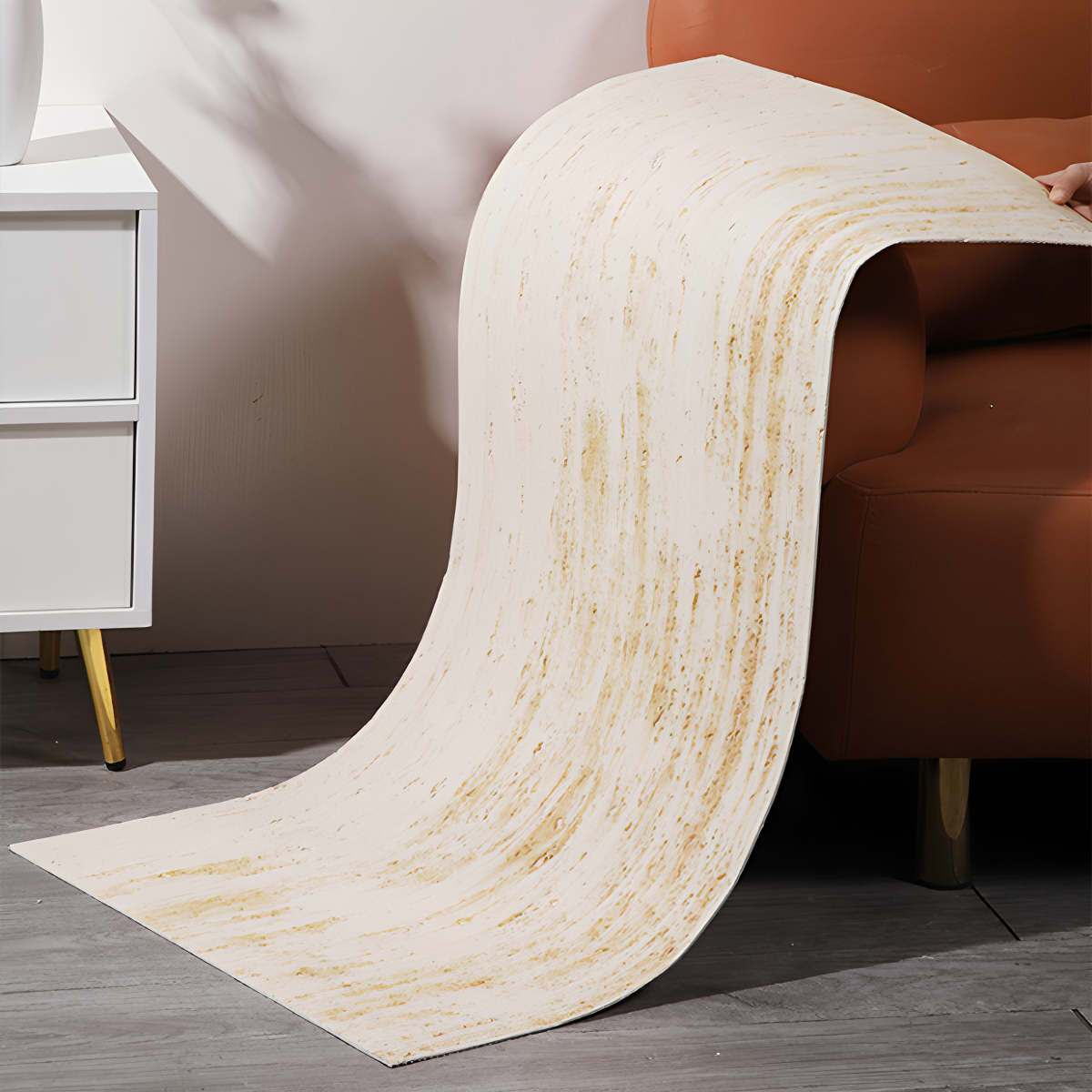
Der Verlegeprozess zeigt einen klaren Vorteil der flexiblen Steinsysteme. Durch den Wegfall von Nasssägen, Mörtelmischung vor Ort und umfangreichen Reinigungsarbeiten können die Teams deutlich mehr Quadratmeter pro Tag verlegen. Diese Effizienzsteigerung senkt direkt die Arbeitskosten und verkürzt die Projektlaufzeiten.
Um zu sehen, wie sich diese Zeitersparnis auf Ihr nächstes Angebot auswirken kann, fordern Sie ein projektspezifisches Muster und ein Angebot an. Unser Team kann Ihnen die technischen Daten zur Verfügung stellen, die Sie benötigen, um wettbewerbsfähiger zu bauen und Ihre Gewinnmargen zu erhöhen.
Häufig gestellte Fragen
Die am schnellsten zu montierende Wandverkleidung?
Die am schnellsten zu installierenden Wandverkleidungssysteme sind großformatige, paneelartige Lösungen. Dazu gehören architektonische isolierte Metallpaneele (IMPs), vorgefertigte Betonplatten und andere vorgefertigte modulare Systeme. Diese Systeme werden bevorzugt, weil sie mehrere Funktionen (Struktur, Isolierung, Wetterschutz) in einem einzigen Bauteil vereinen und so den Arbeitsaufwand vor Ort, die Koordinierung der Gewerke und die Installationszeit im Vergleich zu herkömmlichen, stückweisen Methoden erheblich reduzieren.
Arbeitskosten Steinfurnier vs. Fliese?
Die Arbeitskosten für traditionelles, individuelles Steinfurnier sind in der Regel höher als für die Verlegung von Fliesen im Außenbereich. Steinfurniere erfordern spezielle Maurerfähigkeiten und sind ein langsamerer, sorgfältigerer Prozess, der Mörtelbetten und die Platzierung einzelner Steine erfordert. Für die Verlegung von Fliesen sind zwar auch Fachkräfte erforderlich, aber der Prozess kann schneller ablaufen, insbesondere bei großformatigen Fliesen. Um die Arbeitskosten für Steinfurniere zu senken, verwenden Bauunternehmen oft Plattenverlegesysteme, bei denen mehrere Steine auf einer einzigen Platte angebracht werden, um eine schnelle Verlegung zu ermöglichen.
Senkung der Arbeitskosten im Baugewerbe?
Die Arbeitskosten im Bauwesen werden in erster Linie durch den Einsatz arbeitseffizienter Systeme und digitaler Werkzeuge gesenkt. Zu den wichtigsten Strategien gehört die Verwendung von Offsite-Konstruktionen, wie z. B. Plattenwände und modulare Komponenten, die die Arbeit in eine kontrollierte Fabrikumgebung verlagern.
Die Auswahl integrierter Systeme vor Ort, wie z. B. Hochleistungspaneele, die Struktur, Dämmung und Ummantelung kombinieren, minimiert die Koordination der Gewerke und vereinfacht die Installation. Darüber hinaus ist der Einsatz datengesteuerter Dokumentation und digitaler Projektmanagement-Tools entscheidend für die Reduzierung kostspieliger Nacharbeiten und die Verbesserung der Gesamteffizienz des Zeitplans.
Einfach zu installierende kommerzielle Verkleidungen?
Die am einfachsten zu installierenden kommerziellen Verkleidungssysteme sind plattenförmige und modulare Lösungen, die die Komplexität vor Ort minimieren. Die erste Wahl sind architektonisch isolierte Metallpaneele (IMPs), die eine einkomponentige, ineinander greifende Installation bieten, sowie großformatige Faserzement- oder Metallregenschutzsysteme.
Diese Produkte sind für eine schnelle Befestigung an einem strukturellen Rahmen ausgelegt, wodurch der Bedarf an mehreren Gewerken, komplexen Abläufen und witterungsbedingten Verzögerungen reduziert wird, was der Verlagerung der Branche hin zu einer arbeitseffizienten Konstruktion entgegenkommt.
Stein des Anstoßes für den Unternehmer?
Die Bruttogewinnspanne eines Spezialunternehmens bei der Steinverlegung liegt normalerweise zwischen 25% und 40%. Diese Marge deckt sowohl die Gemeinkosten als auch den Nettogewinn ab. Der endgültige Prozentsatz hängt in hohem Maße von der Komplexität des Projekts, der Art des Materials (z. B. Naturstein im Vergleich zu künstlichem Furnier) und den Arbeitskosten ab.
Die Gewinnspannen für das Material selbst sind geringer, während der Hauptgewinnfaktor die für die Installation erforderliche Facharbeit ist. Bei hochwertigen, kundenspezifischen Projekten mit kompliziertem Design liegen die Gewinnspannen am oberen Ende dieser Spanne.