Calculating the true stucco repair cost is the first step in protecting a commercial property’s long-term asset value from the risks of water intrusion and escalating maintenance budgets. The cycle of patching, sealing, and color-matching stucco cracks is not just a recurring operational expense; it’s a visible sign of deferred maintenance that can negatively impact tenant perception and depress a building’s appraisal value during a sale or refinancing.
This analysis provides a direct financial comparison between traditional stucco maintenance and a modern flexible stone overlay system. We’ll examine the cost-per-square-foot for initial repairs versus a full overlay, model a 20-year cost projection for both materials, and evaluate the return on investment from potential EIFS insulation upgrades. The goal is to establish a clear framework for deciding which renovation strategy offers the best long-term financial performance and value enhancement for your property.
Stucco maintenance is a non-negotiable, recurring budget item for property owners, with costs driven primarily by water intrusion and the specific stucco system installed—whether traditional cement or synthetic EIFS.
The Recurring Cost of Stucco Maintenance
Typical Annual Repair Costs
For any property owner with a stucco exterior, maintenance is a fixed operational cost. By 2026, the annual budget for repairs can swing from as little as $250 for minor patches to over $6,900 for more involved remediation. The final price tag depends heavily on the type of stucco system—traditional cement-based versus synthetic EIFS—as each has its own failure points and repair methods. Labor is a major variable, accounting for 25-50% of the total bill, with rates that fluctuate based on regional demand and contractor expertise.
High-Cost Damage Factors
The most expensive stucco repairs are consistently linked to water damage and structural buckling. These are not surface-level cosmetic issues; they point to deeper failures within the wall assembly and can easily push repair costs into the $1,000 to $3,000 range, or higher. Water intrusion, especially in humid or rainy climates, is the primary catalyst for widespread damage. Buckling is an even more serious red flag, often signaling that the underlying substrate is compromised and requires extensive, costly intervention to protect the building’s structural integrity.
Preventative Maintenance for Longevity
A properly installed and maintained stucco exterior has a service life of 50 to 100 years. Achieving that longevity is a direct result of preventative maintenance, not luck. Consistent inspections and minor upkeep are the most effective way to manage costs over the long term. This proactive approach allows you to address small hairline cracks or sealant failures before they escalate into the large-scale water intrusion and structural damage that lead to major remediation projects.
Crack Repair: Patching vs. Overlaying
The decision to patch or re-stucco hinges on one question: is the damage cosmetic, or is it a symptom of deeper moisture or structural failure?
When Patching Is the Right Choice
Patching is a cost-effective, targeted solution for small and isolated surface-level cracks. It is only appropriate for aesthetic fixes where there are no signs of underlying moisture or structural problems. A patch is a stopgap, not a cure for systemic issues.
- It works best for hairline cracks under 1/16-inch and minor damage up to 1/4-inch wide.
- Repairs typically cost between $500 and $5,000, making them significantly cheaper than a full remediation.
- This method is only suitable when damage is confined to specific areas and you can confirm there is no interior moisture or mold.
When an Overlay Is Necessary
An overlay or complete remediation is required for extensive damage, such as widespread spider web cracks or recurring faults that point to deeper issues. This is a system-level repair meant to address the building envelope, not just a single crack.
- An overlay addresses widespread but non-severe damage by applying a completely new finish coat over the existing stucco.
- Full remediation is the only solution for serious problems. It involves removing all old stucco and installing new moisture barriers before applying new material.
- This approach is essential for chronic cracks that reappear after patching, which almost always indicates structural movement or persistent water entry.
The Risk of Ignoring Underlying Issues
Patching over cracks without fixing the root cause, especially water intrusion, is a costly mistake. This approach traps moisture inside the wall assembly, accelerating rot and creating a much larger structural problem that is hidden from view until it’s too late.
- Signs like bulging walls or interior mold require a professional inspection immediately; they cannot be fixed with a surface patch.
- Painting or sealing over cracks where water damage is present only seals moisture in, making the problem worse and more expensive to fix later.
- A crack that reappears after repair is a clear signal of foundational or structural problems that a simple patch will never resolve.
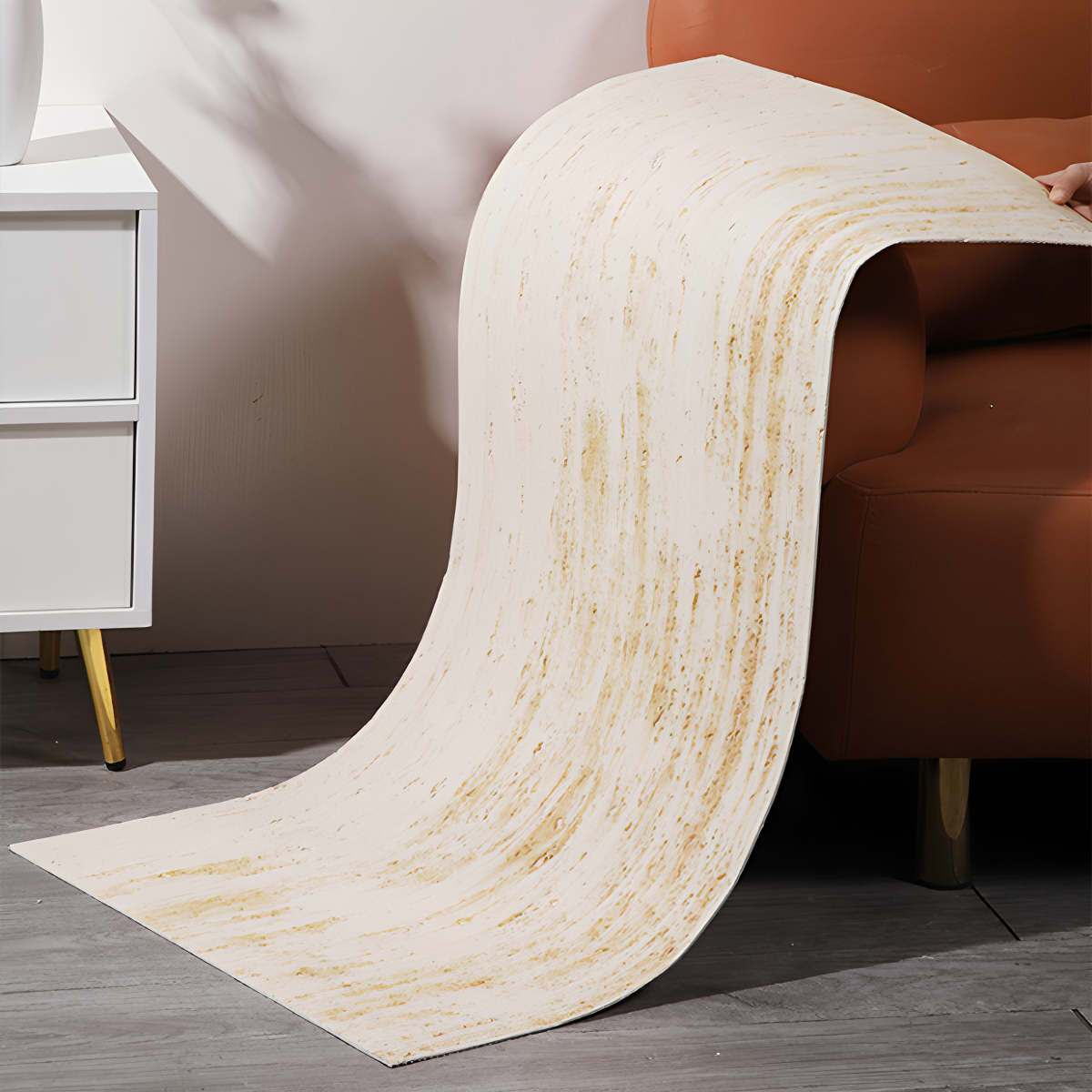
Source Premium, Fully Customizable Stone Panels
Enhancing Property Value: Stone vs. Stucco
While both stucco and stone veneer increase a home’s value, stone consistently delivers a higher return on investment, making it a stronger financial choice for long-term property appreciation.
Investment Returns and Resale Value
The financial data for 2026 clearly favors stone veneer as a superior investment for property exteriors. Market analysis projects that manufactured stone veneer can achieve a return on investment as high as 153%. In practice, this upgrade can boost a home’s resale value by up to 8% in competitive suburban markets. Stucco also adds tangible value and improves curb appeal, but its financial returns are consistently lower. For property owners, developers, and contractors focused on maximizing long-term asset value, stone presents a more compelling business case.
| Metrisch | Steinfurnier | Stuck |
|---|---|---|
| Return on Investment (ROI) | Up to 153% | Consistently lower than stone |
| Avg. Installed Cost (per sq ft) | $13.00 – $22.00 | ~$14.50 |
| Maintenance Requirement | Minimal; occasional cleaning | Regular inspections and crack repair |
Upfront Cost vs. Long-Term Value
Stucco often appears attractive due to its competitive initial installation cost, which averages around $14.50 per square foot. This provides immediate cost savings compared to stone veneer, which typically ranges from $13 to $22 per square foot. This calculation changes when viewing the property as a long-term asset. The premium paid for stone is an investment in durability and minimal upkeep. Its resistance to weather and physical damage reduces future repair expenditures, justifying the higher upfront price for those who prioritize total cost of ownership over initial outlay.
Maintenance Impact on Value
An exterior’s long-term value is directly tied to its maintenance burden. Stone veneer is exceptionally resilient, requiring little more than occasional cleaning to maintain its appearance and structural integrity for decades. In contrast, stucco demands a proactive maintenance schedule. Regular inspections for cracks caused by settling or weather are essential to prevent water intrusion, which can lead to expensive remediation projects. This ongoing need for upkeep and potential for high repair costs significantly influences how experienced buyers and property managers perceive a building’s true value.
Insulation Upgrade ROI (EIFS Integration)
Exterior Insulation and Finish Systems (EIFS) provide a direct return on investment by meeting strict energy codes, lowering long-term operational costs, and reducing upfront HVAC capital expenditures.
Meeting Modern Energy Mandates
By 2026, EIFS has become a standard solution for architects and builders who need to comply with stricter building energy codes. Its integrated design directly addresses thermal performance requirements, offering a more cost-effective path to energy compliance than traditional masonry or basic stucco. The growth of EIFS is tied directly to these mandates, which demand higher energy efficiency in both new construction and building retrofits.
Calculating Long-Term Energy Savings
The financial return from an EIFS upgrade is most evident in reduced operational costs for heating and cooling. The continuous exterior insulation layer is highly effective at minimizing thermal bridging, which stops energy from escaping through the building’s structural frame. This superior insulation performance often allows for the installation of smaller, less expensive HVAC systems, providing an immediate capital cost benefit on top of the long-term energy savings.
Thermal Performance Metrics
EIFS adds significant thermal resistance, or R-value, to the building envelope. This metric is a key driver of its return on investment. These systems typically add R-4 to R-5.6 of insulation value for every inch of thickness. This level of performance creates a highly efficient thermal barrier that actively helps manage the total cost of ownership over the building’s entire lifecycle.
Advancements in Safety and Installation
Modern EIFS incorporates materials and methods that improve building safety and streamline the construction process, adding to its overall value proposition. The industry has seen a clear shift toward non-combustible mineral wool systems to meet higher fire safety standards. Additionally, many systems now include factory-applied air and moisture barriers. This innovation reduces field labor, speeds up installation, and minimizes the potential for human error on the job site.
20-Year Cost Projection Graph
The upfront cost of an exterior cladding is only the entry point; the true financial impact reveals itself over decades of maintenance, repairs, and eventual replacement, creating a clear divergence between traditional and modern materials.
Initial Installation Cost Comparison
Any long-term cost analysis begins with the day-one investment. Traditional stucco installation costs are heavily influenced by regional labor rates, which currently average $40–$60 per hour, and the project’s architectural complexity. In contrast, the installation of JMS Decor’s flexible Steinplatten fundamentally changes this initial calculation. Because the panels are lightweight, they often eliminate the need for extra structural support and reduce on-site labor hours, making the total installed cost far more competitive than a simple material-to-material comparison would suggest.
| Kostenfaktor | Traditional Stucco | JMS Flexible Steinplatten |
|---|---|---|
| Initial Installation | $9 – $17 / sq ft (Installed) | Competitive; reduced labor & structural costs |
| Recurring Maintenance | $500-$1,000 biannual inspections + repairs ($8-$50/sq ft) | Minimal; occasional cleaning only |
| Major Capital Expense (20-Year) | $14,000 – $34,000+ full re-stucco project | None within typical 20-year cycle |
Recurring Maintenance and Repair Costs
Over a two-decade span, the porous nature of cement-based stucco creates a predictable cycle of expenses. Property owners must budget for biannual professional inspections, which can run between $500 and $1,000, to catch water intrusion before it becomes a structural failure. When cracks inevitably appear, repair costs range from $8 to over $50 per square foot depending on the damage severity. These accumulating costs stand in stark contrast to JMS flexible stone panels, which are non-porous and engineered for extreme weather resistance. Their maintenance burden is effectively zero beyond occasional cleaning.
Major Replacement and Re-Stuccoing Cycles
The most significant cost spike in the stucco lifecycle is a full replacement. Most traditional stucco applications require at least one major re-stuccoing project within a 20-year period, a capital expenditure that can cost anywhere from $14,000 to $34,000 for an average property. This isn’t just a maintenance task; it’s a major renovation project. The durability and material stability of flexible stone panels are designed to bypass this cycle entirely. The graph of ownership costs shows this as a dramatic vertical jump for stucco around the 15-year mark, while the cost line for the panels remains flat.
Total 20-Year Cost of Ownership
When all expenses are synthesized—initial installation, compounding maintenance, and the large capital outlay for replacement—the financial trajectories of the two materials diverge sharply. Stucco’s total cost of ownership steadily climbs before accelerating dramatically with its end-of-life replacement cycle. JMS Decor’s panels present a more predictable and significantly lower long-term cost profile. This makes the material not just an aesthetic choice, but a calculated financial decision for property owners focused on total lifecycle value instead of just upfront price.
Schlussfolgerung
When evaluating exterior renovations, the true cost extends beyond the initial installation. Traditional stucco requires consistent maintenance and crack repairs, which add to its long-term expense. A flexible stone overlay offers a durable, weather-resistant solution that minimizes these ongoing costs and helps increase property value.
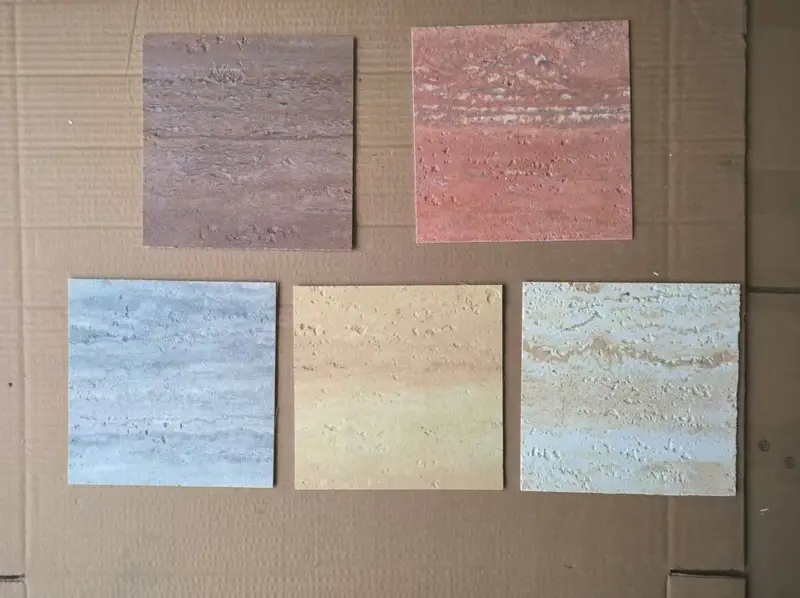
To accurately compare these options for your specific property, consider requesting material samples. This allows you and your contractor to build a detailed cost projection based on the actual finish and project requirements.
Häufig gestellte Fragen
Kostenvergleich: Stuck vs. Steinverkleidung?
Stone veneer is typically more expensive than stucco. In 2026, you can expect stucco installation to cost between $10-$16 per square foot, while manufactured stone veneer ranges from $18-$35 per square foot. Natural stone veneer is the premium option, often exceeding $40-$60 per square foot. While stucco has a lower initial cost, stone veneer often provides a higher return on investment due to its durability and upscale aesthetic.
Repairing stucco vs replacing?
Repairing stucco is the standard approach for localized damage like cracks, chips, or small areas of water intrusion. With annual repair costs typically ranging from $250 to over $6,900 for severe issues, it is far more economical than a full replacement. Replacement is generally only recommended in cases of widespread, systemic failure, such as extensive buckling or deep, pervasive water damage that has compromised the underlying structure of the home.
Cost to stucco a house 2026?
In 2026, the average cost to apply new stucco to a house is between $10 and $16 per square foot, including labor and materials. For a standard 2,000-square-foot home, this translates to a total project cost of $20,000 to $32,000. Prices can vary based on the type of stucco (traditional vs. synthetic EIFS), the complexity of the architecture, and regional labor rates, which can account for 25-50% of the total expense.
Increasing home value with stone?
Yes, adding stone veneer is one of the most effective exterior projects for increasing home value. It significantly enhances curb appeal, creating a perception of luxury and durability. Projects like adding a manufactured stone veneer accent to the entryway or lower third of a facade consistently yield a high return on investment (ROI), often recouping over 95-100% of the project cost at resale.
Maintenance free exterior options?
While no exterior material is completely maintenance-free, several low-maintenance options require minimal upkeep. Fiber cement siding is highly durable and needs repainting only every 10-15 years. Vinyl siding is another popular choice, requiring only occasional washing to remove dirt and mildew. Brick and high-quality stone veneer are also extremely durable, typically only needing periodic inspection of mortar joints and light cleaning.

 German
  English
  Spanish
  French
  Arabic