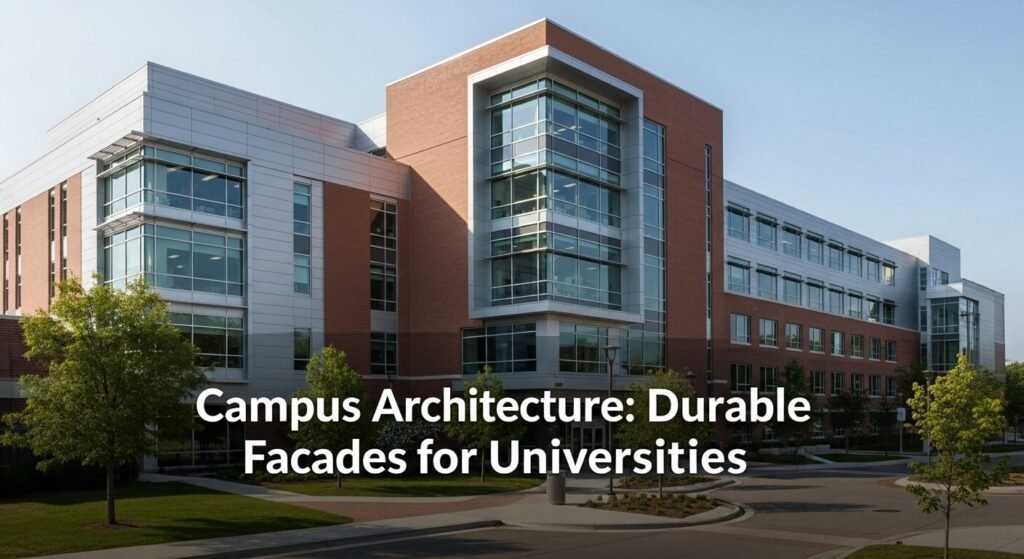
Der Erfolg eines Renovierungsprojekts auf dem Universitätscampus hängt davon ab, dass die Ästhetik modernisiert wird, ohne die Tragfähigkeit des ursprünglichen Gebäudes zu beeinträchtigen. Eine herkömmliche Ummantelung mit schweren Materialien wie Betonfertigteilen führt oft zu kostspieligen strukturellen Verstärkungen und erheblichen Projektverzögerungen, die das Budget für Kapitalverbesserungen belasten.
Diese Analyse konzentriert sich auf leichte Fassadensysteme, die eine direkte Renovierung durch Überlagerung ermöglichen. Wir vergleichen die Materialien mit den wichtigsten Leistungsindikatoren für institutionelle Projekte: eine strukturelle Last von weniger als 6,0 kg/m², eine nicht brennbare Brandschutzklasse A2 und die Fähigkeit, eine abbruchfreie Anwendung über bestehendem Beton zu erreichen.
Der “Gebäudekomplex”: Architektur als Rekrutierung
Universitäten setzen auf monumentale Architektur, um Prestige zu vermitteln und Talente anzuziehen. Moderne leichte Steinplatten erreichen diese Ästhetik bei neuen oder renovierten Gebäuden ohne die immense strukturelle Belastung.
Imposante Architektur als Schülermagnet
Die Universitäten stehen in einem ständigen Wettbewerb um die besten Studenten und Lehrkräfte. Eine der sichtbarsten Waffen in diesem Wettrüsten ist die Architektur. Große, visuell beeindruckende Gebäude werden gebaut, um ein starkes Bild von Erfolg, Stabilität und Prestige zu vermitteln.
Dieses architektonische Statement fungiert als wirkungsvolles Marketinginstrument. Sie vermittelt potenziellen Studenten, ihren Eltern und hochrangigen Wissenschaftlern den Ehrgeiz der Institution. Wenn ein potenzieller Student über einen Campus mit atemberaubenden Einrichtungen spaziert, vermittelt er eine klare Botschaft über die Ressourcen und Standards der Einrichtung.
Letztlich kann die wahrgenommene Qualität der Campus-Infrastruktur die Entscheidung eines Studenten stark beeinflussen. Eine monumentale Bibliothek oder ein hochmodernes Wissenschaftszentrum können der entscheidende Faktor sein, der eine Universität von einer anderen unterscheidet.
Leichtbau-Fassaden für monumentales Design
Um ein monumentales Aussehen zu erreichen, sind nicht mehr das immense Gewicht und die Kosten von traditionellem Bruchstein erforderlich. Flexible Steinplatten geben Architekten die Möglichkeit, imposante Fassaden zu entwerfen, die wie schwerer Travertin, Schiefer oder Beton aussehen, ohne die massive strukturelle Belastung.
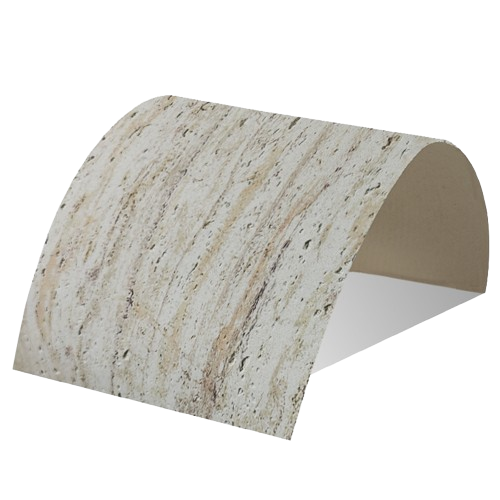
Diese Technologie eignet sich besonders gut für die Renovierung älterer Campus-Gebäude, bei denen eine erhebliche Gewichtszunahme oft unmöglich ist. Durch die direkte Überlagerung der bestehenden Struktur können Projekte einen kostspieligen Abriss vermeiden und gleichzeitig eine vollständige optische Umgestaltung erreichen. Die technischen Vorteile liegen auf der Hand.
- Reduzierung der strukturellen Belastung: Mit einem Gewicht von nur 3,5-6,0 kg/m² wiegen diese Platten nur einen Bruchteil des Gewichts von herkömmlichem Stein und belasten das Gebäude nur minimal.
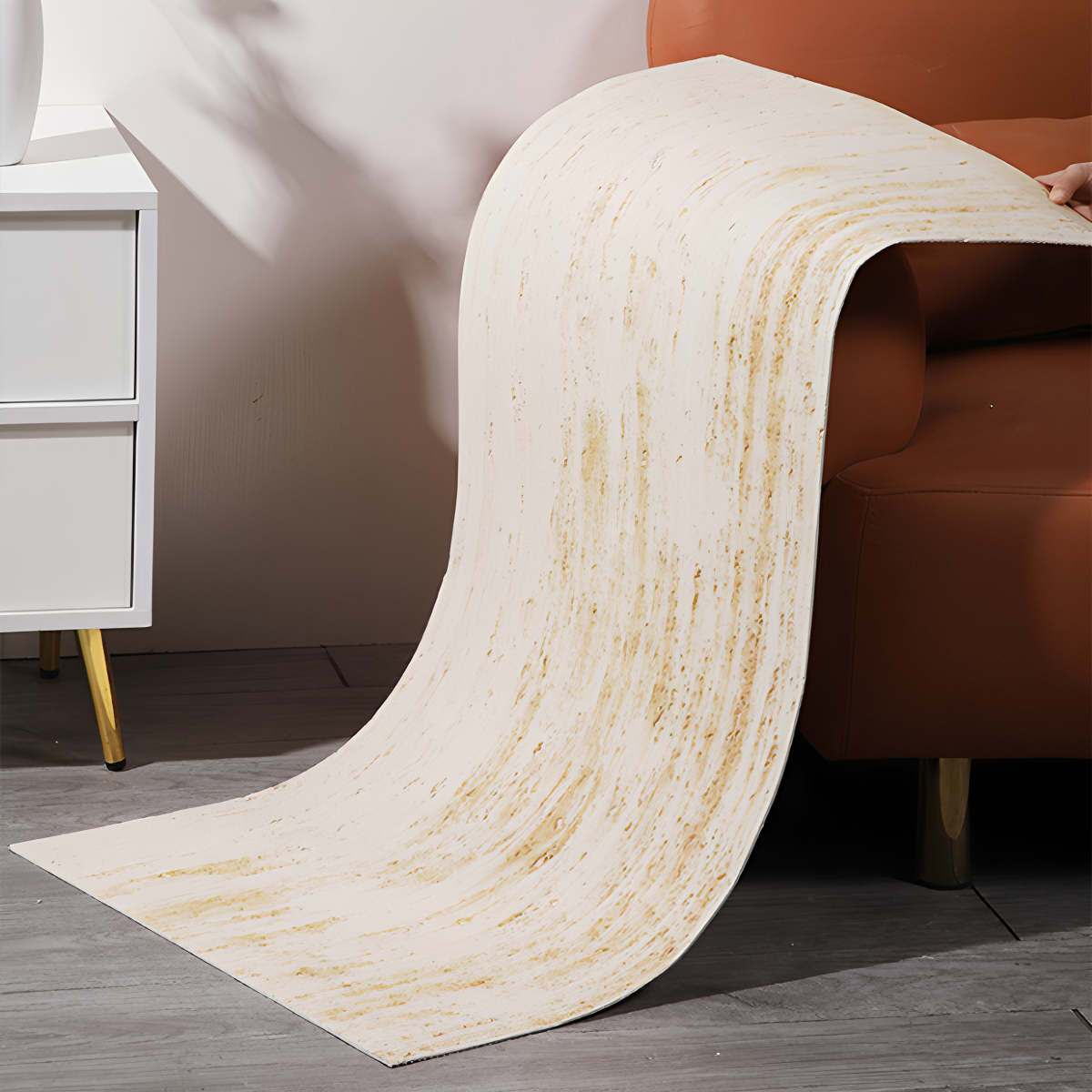
- Großformatiges Design: Paneele mit einer Länge von bis zu 2900 mm ermöglichen Anwendungen vom Boden bis zur Decke mit weniger Fugen, wodurch ein nahtloser Look entsteht, wie er in der modernen Architektur üblich ist.
- Gestaltungsfreiheit: Die Flexibilität des Materials erlaubt es, gekrümmte Wände und Säulen zu umhüllen, was komplexe Designs ermöglicht, die mit starren Steinplatten schwierig oder unmöglich wären.
Modernisierung der Beton-Campusse der 1960er Jahre
Die Renovierung von Betongebäuden aus den 1960er Jahren bedeutet eine Aktualisierung des veralteten Aussehens ohne Abriss. Leichte, flexible Steinplatten können direkt auf alte Fassaden aufgebracht werden, was Kosten und strukturelle Belastung senkt.
| Merkmal | Traditionelle Renovierung (Abriss und Neuverkleidung) | Moderner Direktbelag (Flexibler Stein) |
|---|---|---|
| Strukturelle Belastung | Erhebliche Gewichtszunahme durch neue Materialien wie Betonfertigteile oder Ziegel. | Minimale neue Belastung (3,5 - 6,0 kg/m²), wobei die ursprüngliche Struktur erhalten bleibt. |
| Zeitplan des Projekts | Verlängert aufgrund von Abrissarbeiten, Abfallbeseitigung und komplexen Neubauten. | Deutliche Verkürzung durch Wegfall der Abrissphase. |
| Unterbrechung und Verschwendung | Starke Lärmbelastung, Staub und Bauschutt. | Geräuscharmes, staubfreies Schneiden und kein Abbruchmaterial. |
| Kosten | Hoch, aufgrund des Arbeitsaufwands für Abriss, Abfalltransport und schwere neue Materialien. | Geringere Kosten durch Einsparungen bei Abriss, Abfallentsorgung und struktureller Verstärkung. |
Erhaltung der strukturellen Integrität bei gleichzeitiger Aktualisierung der Ästhetik
Viele Universitätsgebäude aus der Mitte des Jahrhunderts sind strukturell solide, sehen aber veraltet und imposant aus. Die Beibehaltung der Betonkernstruktur ist fast immer kostengünstiger als ein kompletter Abriss und Wiederaufbau. Die eigentliche Herausforderung besteht darin, einen Weg zu finden, das schwere, monolithische Äußere umzugestalten, ohne die ursprüngliche Bausubstanz durch neues Gewicht oder andere Belastungen zu belasten. Das Hinzufügen traditioneller Materialien wie Ziegel oder Fertigteilplatten erfordert oft eine teure und komplexe strukturelle Verstärkung.
Abrissfreie Renovierung mit Leichtbauplatten
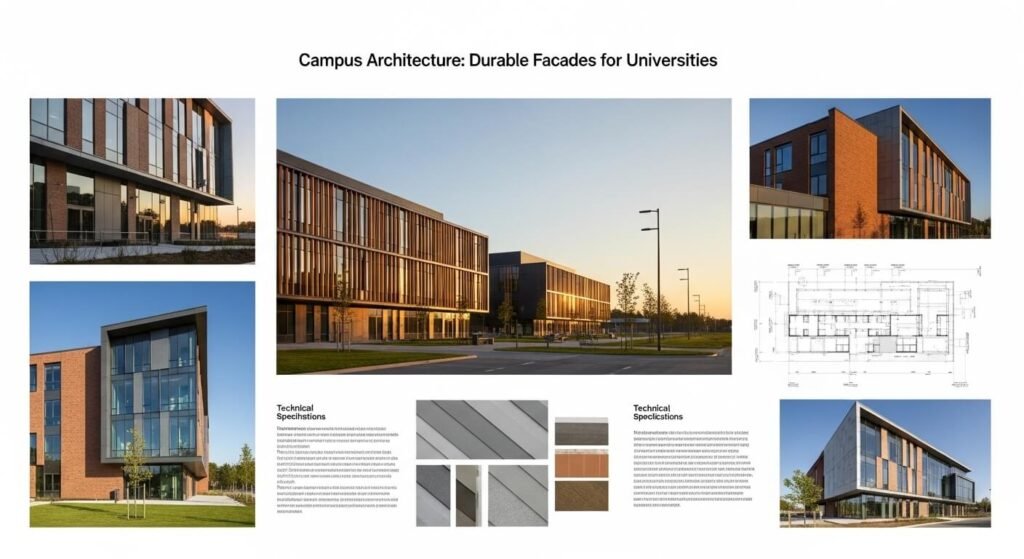
Moderne Materialien bieten eine direkte Lösung für dieses Gewichtsproblem. Leichte, flexible Steinplatten zum Beispiel ermöglichen eine komplette ästhetische Überarbeitung, ohne die Integrität des Gebäudes zu beeinträchtigen. Diese Platten lösen die zentralen Herausforderungen von Campus-Modernisierungsprojekten.
- Reduzierung der strukturellen Belastung: Flexible Steinplatten wiegen nur 3,5 - 6,0 kg/m², was etwa einem Sechstel des Gewichts von herkömmlichem Stein entspricht. Diese minimale Belastung ist sicher für alternde Strukturen und erfordert keine zusätzliche Verstärkung.
- Direkte Überlagerungsmethode: Die Platten können direkt auf der alten Beton- oder Ziegelfassade angebracht werden. Dieser Ansatz der “abrissfreien Renovierung” vermeidet die hohen Kosten, den störenden Lärm und den Deponiemüll, die mit dem Abriss der alten Fassade verbunden sind.
Leichter, luxuriöser Stein für jedes Projekt.
Ziele für einen nachhaltigen Campus (LEED)
Universitäten nutzen LEED, um ihr Engagement für umweltfreundliches Bauen zu überprüfen. Die Zertifizierung hängt oft von Materialien ab, die den Abfall und die strukturelle Belastung reduzieren, wie z. B. Leichtbauplatten, die direkt über bestehenden Oberflächen installiert werden.
Das LEED-Rahmenwerk in der Hochschulbildung verstehen
LEED (Leadership in Energy & Environmental Design) bietet Universitäten ein klares, punktebasiertes System zur Überprüfung ihrer umweltfreundlichen Gebäude durch Dritte. Es handelt sich nicht nur um eine Plakette an der Wand, sondern um einen Rahmen, der die Leistung in Kategorien wie Energieeffizienz, Wasserverbrauch und Materialauswahl bewertet.
Viele Institutionen schreiben inzwischen bestimmte Zertifizierungsstufen für ihre Einrichtungen vor. So verlangt die UCLA beispielsweise, dass alle neuen Gebäude mindestens den LEED-Gold-Standards entsprechen. Diese zertifizierten Gebäude dienen auch einem doppelten Zweck als “lebende Laboratorien”, die den Studenten praktische, praxisnahe Bildungsmöglichkeiten im Bereich der Nachhaltigkeit bieten.
Materialien, die zu den Zertifizierungspunkten beitragen
Das Erreichen einer LEED-Zertifizierung hängt oft von den für ein Projekt ausgewählten Materialien ab. Eine kluge Materialauswahl kann direkt zu Punkten in mehreren Kategorien beitragen, was sie zu einem wichtigen Schwerpunkt für Campus-Architekten und Facility Manager macht.
- Reduzierung der strukturellen Belastung: Die Verwendung von Leichtbauplatten, die nur 3,5 bis 6,0 kg pro Quadratmeter wiegen, reduziert den Energiebedarf für den Transport erheblich. Sie verringern auch die strukturellen Anforderungen an das Gebäude selbst, was sowohl bei Neubauten als auch bei Renovierungen ein wichtiger Faktor ist.
- Abrissfreie Renovierung: Ein großer Vorteil ist die Möglichkeit, neue Materialien direkt auf vorhandenen Oberflächen wie alten Fliesen oder Wänden zu verlegen. Dieser Ansatz minimiert den Bauabfall, vermeidet den Lärm und Staub von Abbrucharbeiten und verkürzt die Projektdauer.
- Lebenszyklus und Sicherheit: Die Verwendung von langlebigen, nicht brennbaren Materialien der Klasse A2 trägt zum langfristigen Wert des Gebäudes und zur Sicherheit der Bewohner bei. Dies sind wichtige Überlegungen im Rahmen der LEED-Bewertung für nachhaltige Standorte und Materialressourcen.
Geringer Wartungsaufwand für Einrichtungsteams
Gebäudeteams setzen jetzt auf vorbeugende Instandhaltung, um die langfristigen Kosten zu senken. Langlebige Materialien wie flexible Steinplatten widerstehen Verschleiß, Wasser und Schimmel und minimieren Reparaturen in stark frequentierten Bereichen des Campus.
Übergang von reaktiven Reparaturen zu geplanter Instandhaltung
Das moderne Gebäudemanagement bewegt sich weg vom “Break-fix”-Modell. Der Schwerpunkt liegt jetzt auf der vorbeugenden Instandhaltung, um unerwartete Unterbrechungen zu reduzieren und die Betriebskosten zu kontrollieren. Dieser Ansatz umfasst planmäßige Inspektionen von Gebäudesystemen und -oberflächen, um kleine Probleme zu erkennen, bevor sie zu teuren Ausfällen führen. Das Ziel ist einfach: die Lebensdauer der Anlagen auf dem Campus zu verlängern und die hohen Kosten von Notreparaturen zu vermeiden.
Wandpaneele für minimale Eingriffe entwickelt
Materialien, die von Natur aus langlebig sind, unterstützen eine Strategie der vorbeugenden Instandhaltung. Flexible Steinwandpaneele zum Beispiel sind so gebaut, dass sie dem hohen Verkehrsaufkommen auf einem Universitätscampus standhalten, was die Arbeitsbelastung des Gebäudeteams direkt reduziert.
- Eingebaute Langlebigkeit: Die wasserdichte, kratzfeste und UV-beständige Oberfläche des Paneels muss bei täglicher Abnutzung nicht regelmäßig neu gestrichen oder ausgebessert werden.
- Schimmelprävention: Das Material ist atmungsaktiv und lässt Feuchtigkeitsdampf entweichen. Dies hilft, Schimmelbildung hinter den Wänden zu verhindern, ein häufiges und kostspieliges Wartungsproblem in großen Gebäuden.
- Klima- und Sicherheitskonformität: Die nicht brennbare Brandschutzklasse A2 und die nachgewiesene Widerstandsfähigkeit gegen extreme Witterungseinflüsse, die durch Gefriertests bei -40 °C bestätigt wurde, sorgen für langfristige Stabilität und reduzieren die Zahl der Arbeitsaufträge im Zusammenhang mit der Einhaltung von Vorschriften.
Langlebigkeit von Studentenwohnungen
Studentenwohnheime erfordern Materialien, die einer intensiven täglichen Nutzung standhalten. Flexible Steinplatten bieten eine robuste, wasserdichte und feuerbeständige Lösung der Klasse A2 für stark frequentierte Wohnheime und Gemeinschaftsbereiche.
Die Herausforderung von Umgebungen mit hohem Verkehrsaufkommen
Studentenwohnheime werden stärker beansprucht als ein typisches Wohngebäude. Der ständige Strom von Menschen, das Bewegen von Möbeln und die allgemeine Abnutzung belasten die Oberflächen immens. Hochfrequentierte Bereiche wie Flure, Aufenthaltsräume und Gemeinschaftsräume erfordern Materialien, die tagtäglich Stößen, Kratzern und Schrammen standhalten können. Herkömmliche Lösungen beruhen oft auf schweren Materialien wie Beton oder Ziegelmauerwerk. Diese sind zwar robust, aber teuer und aufwendig zu reparieren oder zu renovieren, wenn sie unweigerlich beschädigt werden oder erneuert werden müssen.
Fortgeschrittene materielle Widerstandsfähigkeit für das Campusleben
Moderne Materialien wie flexible Steinplatten sind speziell für diese anspruchsvollen Umgebungen entwickelt worden. Sie bieten eine praktische, dauerhafte Alternative, die den harten Bedingungen des Campuslebens standhält.
- Für das Tragen gebaut: Die Platten sind von Natur aus kratzfest, wasserdicht und UV-beständig. Mit einer Wasserabsorptionsrate von weniger als 0,5% verhindern sie Feuchtigkeitsschäden und sind leicht zu reinigen, was in gemeinschaftlich genutzten Wohnräumen entscheidend ist.
- Zertifizierte Sicherheit: Das Erreichen der Brandschutzklasse A2 bedeutet, dass das Material nicht brennbar ist. Dies ist nicht nur eine Eigenschaft, sondern eine Voraussetzung für die Einhaltung der strengen Sicherheitsstandards in institutionellen Gebäuden wie Wohnheimen.
- Intelligente Renovierung: Da die Platten leicht und dennoch stabil sind, eignen sie sich ideal für Renovierungen. Sie können direkt über bestehenden Oberflächen wie alten Fliesen oder Trockenbauwänden installiert werden, wodurch Kosten, Unordnung und Zeitaufwand für den Abriss entfallen.
Häufig gestellte Fragen
Was sind die besten schadensfreien Methoden für die Dekoration oder Renovierung von Wänden auf dem Campus?
Für die vorübergehende Dekoration in Wohnheimen sind ablösbare Klebstoffe und Abziehbilder effektiv, da sie keine Rückstände hinterlassen. Für die dauerhafte Aufwertung von Gemeinschaftsbereichen oder Wohnungen bieten leichte Wandpaneelsysteme eine viel haltbarere Lösung. Produkte wie MCM Flexible Stone können direkt auf bestehende Oberflächen wie alte Fliesen oder Trockenbauwände aufgebracht werden. Dieser Ansatz vermeidet die hohen Kosten, den Lärm und die Störung durch Abrissarbeiten und ist daher ideal für Renovierungen während des Schuljahres.
Warum ist die Fassadensanierung ein wichtiger Schwerpunkt für die Universitäten im Jahr 2026?
Universitäten renovieren ihre Fassaden, um veraltete Gebäude zu modernisieren, die Energieeffizienz zu steigern und das Gesamtbild des Campus zu verbessern. Das Äußere eines Gebäudes prägt den Charakter einer Einrichtung und wirkt sich direkt auf die Lernumgebung für die Tausenden von Studenten und Mitarbeitern aus, die die Einrichtungen täglich nutzen. Moderne Fassaden berücksichtigen auch wichtige Sicherheitsaspekte, wie die Verringerung des Risikos von herabfallenden Materialien von älteren, schwereren Verkleidungen.
Was sind die wichtigsten technischen Überlegungen bei der Renovierung einer Universitätsfassade?
Die obersten Prioritäten sind Sicherheit, Haltbarkeit und Klimaleistung. Die Materialien müssen hohen Brandschutzanforderungen genügen, wobei die Klassifizierung als nicht brennbar der Klasse A den Maßstab setzt. Außerdem müssen sie haltbar genug sein, um Stößen und Graffiti in stark frequentierten Bereichen standzuhalten. Eine erfolgreiche Renovierung verbessert das Raumklima und die Akustik, was langfristig die Energiekosten für die Universität senkt.
Wie beeinflusst nachhaltiges Design die moderne Campus-Architektur?
Nachhaltigkeit ist jetzt ein zentrales Ziel. Der Schwerpunkt liegt auf der Verwendung umweltfreundlicher Materialien, der Installation energieeffizienter Systeme und der Gestaltung von Gebäuden, die das natürliche Licht optimal nutzen. Neben der Senkung der Betriebskosten und der Umweltbelastung dienen diese grünen Gebäude auch als Lehrmittel. Sie zeigen Studenten und Mitarbeitern umweltbewusste Praktiken in der Praxis und machen Nachhaltigkeit zu einem greifbaren Teil der Campus-Erfahrung.
Abschließende Gedanken
Es gibt zwar kostengünstigere Fassadenmaterialien, aber eine zertifizierte Nichtbrennbarkeitsklasse A2 ist für die Sicherheit auf dem Campus und die langfristige Haftung nicht verhandelbar. Die Verwendung bewährter, leichter Materialien schützt das Vermögen und den Ruf der Einrichtung. Dies ist der Unterschied zwischen einer vorübergehenden Lösung und einer dauerhaften Lösung.
Der nächste Schritt besteht darin, das Material persönlich zu begutachten. Fordern Sie ein Musterkit für Ihr Projekt an, um die Oberfläche, Flexibilität und Haltbarkeit für Ihre spezielle Anwendung zu testen. Unser Spezifikationsteam kann Ihnen auch die technischen Daten zur Verfügung stellen, die Sie für Ihre Konstruktionsvorlagen benötigen.

 German
  English
  Spanish
  French
  Arabic