Flexible Stone vs WPC Wall Panels for Exterior Cladding is the first checkpoint buyers should lock before they approve a supplier, budget, or production slot. When a project calls for exterior cladding, the decision between flexible stone vs WPC wall panels usually lands on the procurement desk without a clear winner. Most contractors lean on habit — WPC for its known durability, or traditional stone for its look. That instinct leaves money and design options on the table.
The real comparison isn’t about which material is “better.” It’s about what each one solves for a specific facade. Flexible stone veneer weighs 4-8 kg per square meter — roughly 80% less than natural stone at 50-70 kg. That shift alone changes the framing budget, the labor crew size, and the installation timeline for a commercial project. WPC panels, on the other hand, offer consistent moisture resistance and a lower entry price point, typically $8-20 per square meter wholesale. But they top out in design flexibility.
The overlooked factor? Curve radius. A flexible stone veneer can wrap a column or a curved facade at a 50mm bend radius. WPC panels cannot. If the design requires a smooth, seamless stone look around a corner or a cylindrical surface, WPC stops being an option. That’s where the value engineering math flips.
Contractors also need to factor in fire classification. Flexible stone achieves a Euroclass A2 rating without chemical additives — it’s a thin layer of real stone on a mineral backing. WPC typically requires flame retardant additives to hit B1, which can affect cost and long-term performance under UV exposure. For high-rise facades or projects with strict fire codes, that distinction alone can dictate the spec.
Overview of Flexible Stone Veneer
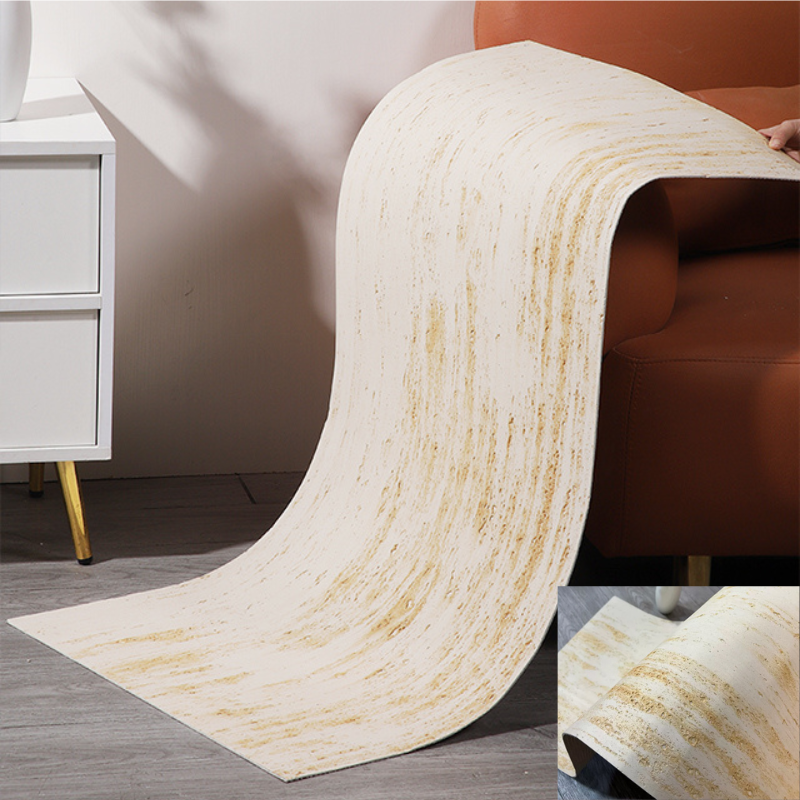
80% lighter than natural stone, 50mm bend radius, real stone surface.
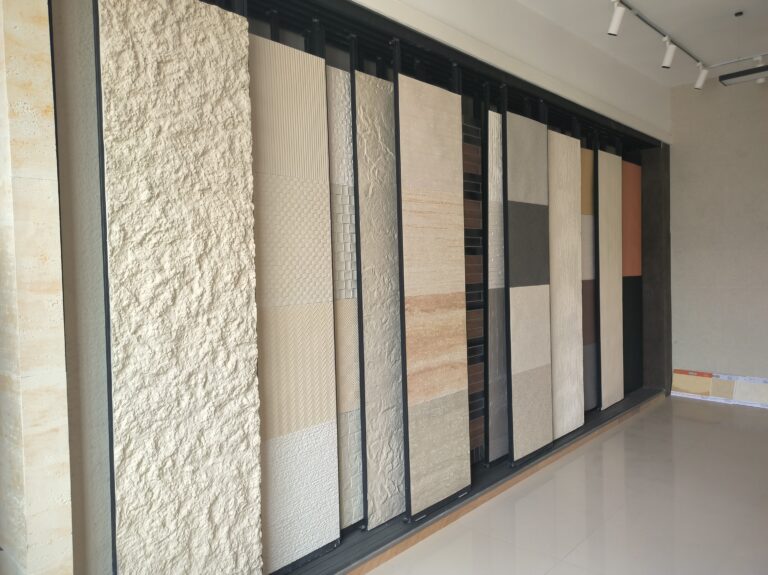
Flexible stone veneer is a composite panel consisting of a thin layer of natural stone (slate, marble, or travertine) bonded to a flexible polyester or fiberglass backing. The weight sits at 4–8 kg/m² — roughly 80% lighter than traditional natural stone cladding at 50–70 kg/m². That weight reduction directly impacts structural load requirements, freight costs, and installation complexity. Contractors report up to 40% shorter installation times on large facades because the panels can be cut with standard tools and adhered directly without heavy-duty framing.
- الوزن: 4–8 kg/m² vs natural stone 50–70 kg/m².
- السُمك: 2–4 mm.
- نصف قطر الانحناء: 50 mm — allows tight curves on columns and rounded facades.
- مقاومة الحريق: Euroclass A2 (non-combustible) achieved without chemical additives.
- Standard sizes: 1200×600 mm and 1200×3000 mm.
The stone surface is real — not a printed imitation. JMS Decor offers natural slate, marble, and travertine top layers with custom color matching and texture development for OEM projects. The thin profile and flexibility enable cladding over curved surfaces (minimum 50mm radius) where traditional stone would require custom cutting and additional support. This combination of real stone aesthetics, low weight, and fire safety makes the material a direct replacement for heavier cladding in both new builds and facade retrofits.
Overview of WPC Wall Panels
WPC panels deliver top-tier moisture resistance and freeze-thaw performance for exterior cladding.
Wood-plastic composite (WPC) wall panels are engineered for environments where moisture, temperature swings, and physical impact are constant threats. They are manufactured by blending wood fibers or flour with thermoplastics (typically polyethylene or polypropylene) and bonding agents. The result is a cellular structure that resists water absorption far better than natural wood or standard MDF.
- مقاومة الرطوبة: Closed-cell WPC formulations absorb less than 1% moisture by weight. Even after 24-hour submersion, dimensional swelling stays under 0.5%. No paint or sealer needed, unlike flexible stone or timber.
- Freeze-Thaw Durability: Co-extruded WPC panels withstand 200+ ASTM C666 freeze-thaw cycles with zero delamination. The plastic matrix prevents ice crystal expansion damage, making them reliable for Canadian and Nordic climates where flexible stone’s thin veneer may crack if improperly sealed.
- Impact Resistance: Surface hardness (Shore D 65-75) and flexural modulus over 2000 MPa allow WPC to handle high-traffic commercial areas. A 2mm thick flexible stone can chip under concentrated point loads; WPC panels will dent but not shatter.
- Eco-Friendliness: Manufacturing uses 60% recycled wood waste and 30% recycled plastics, reducing virgin material demand. Panels are 100% recyclable at end of life. ISO14000 certified factories ensure solvent-free production and compliance with EU VOC limits.
- Fire Classification: Standard WPC achieves Euroclass B1 (flame retardant) only with halogen-free additives. Fire-approved variants cost 15-20% more. Compare to flexible stone veneer which achieves A2 (non-combustible) without any chemical treatment.
Key Comparison Factors
Flexible stone cuts labor by 40% vs natural stone.
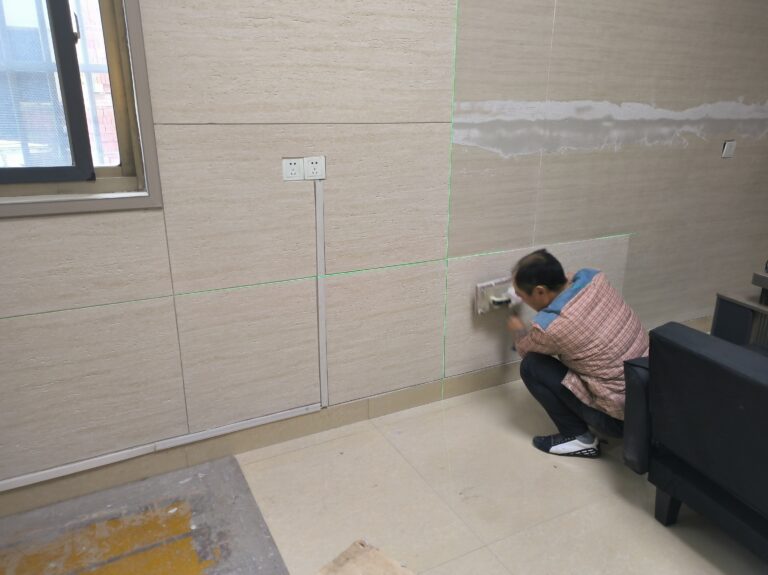
Installation cost is where flexible stone veneer separates itself from both WPC and traditional stone. At 4-8 kg/m², it’s 80% lighter than natural stone at 50-70 kg/m². That weight difference translates directly into labor savings — up to 40% reduction in installation time. No heavy lifting equipment needed, no specialized stone cutting gear. Your crew uses standard adhesive and basic cutting tools. For a 500 m² commercial facade, that 40% labor saving can mean 3-5 fewer man-days on site. WPC panel installation is also fast — clip-on systems or tongue-and-groove — but the material weight is similar to flexible stone (around 5-10 kg/m² depending on thickness). The real cost difference? WPC panels wholesale at $8-20/m², flexible stone at $12-30/m². The $4-10/m² premium for flexible stone is easily recovered by the design flexibility and real stone aesthetic — and in some cases, the fire rating requirement alone makes it mandatory.
- Flexible stone labor savings: Up to 40% less labor cost vs natural stone due to lightweight (4-8 kg/m²) and adhesive installation. Reduces structural load requirements, further lowering substructure costs.
- WPC installation cost: Comparable speed using clip systems, but requires more precise substructure for heavy commercial use. No significant lightweight advantage over flexible stone.
- Freeze-thaw resistance: WPC: Excellent (co-extruded, <1% absorption). Flexible stone: Good when sealed, but requires correct installation details. Not recommended for constant wet/freeze cycles without proper waterproof membrane.
- مقاومة الحريق: Flexible stone: Euroclass A2 (non-combustible) inherently. WPC: B1 (requires additive). This single factor often swings the specification for high-rise, hotels, and public buildings.
- نصف قطر الانحناء: الحجر المرن: نصف قطر انحناء حدّه الأدنى 50 مم، ما يتيح تنفيص المنحنيات الضيّقة والتفاصيل المعمارية الدقيقة. أما ألواح WPC فعادة ما تكون مسطّحة أو مخصّصة لمنحنيات ذات نصف قطر كبير (بعدد أمتار قليلة).
- مرونة التخصيص: الحجر المرن: ألوان وأنماط وملمسات لا حصر لها مستوحاة من الحجر الطبيعي، مع خدمة OEM لألوان العلامات التجارية، وكمية طلب دنيا 10 قطع. ألواح WPC: أنماط جاهزة فقط، وكميات طلب دنيا أكبر (100-500 م²).
Weather performance is where each material has a clear battleground. WPC panels — especially co-extruded types — are engineered for freeze-thaw resistance. The plastic content prevents water absorption below 1%, so repeated freeze-thaw cycles don’t cause cracking. That makes WPC the go-to for climates with harsh winters (Canada, Scandinavia, northern US). Flexible stone veneer, however, is a thin layer of real stone bonded to a flexible backing. While it performs well in most climates (UV-resistant, weathers naturally like real stone), it can be susceptible to water ingress if not sealed properly in freeze-thaw zones. The key difference most contractors overlook: flexible stone has a Euroclass A2 fire classification achieved without chemical additives (non-combustible). WPC panels typically achieve only B1 and require fire retardant additives. For commercial projects demanding A2, flexible stone is the only choice. UV resistance favors flexible stone — it’s real stone, so it doesn’t fade. WPC will fade over 5-10 years despite UV stabilizers.
Aesthetic flexibility and customization give flexible stone a decisive edge. JMS Decor’s flexible stone veneer can be bent to a radius of 50mm — that means true curved walls, columns, arches, and organic facades impossible with rigid WPC or tile. You can wrap a pillar, contour a lobby ceiling, or create a flowing feature wall. Color and pattern customization? Full OEM capability: match any brand color, any stone variety (slate, marble, travertine), any texture. WPC panels are limited to embossed woodgrain or solid colors, no natural stone depth. For contractors working with architects who demand bespoke looks, flexible stone is the only option that offers both real stone surface and custom fabrication. And with a low MOQ of just 10 pieces, you can test a custom design without committing to a container. WPC suppliers typically require 100-500 m² per color. That’s a huge barrier for bespoke projects.
| العامل | القشرة الحجرية المرنة | لوحة حائط WPC | الميزة الرئيسية |
|---|---|---|---|
| الوزن | 4–8 كغ/م² (الخفيف أكثر من الحجر الطبيعي) | 8–15 kg/m² (varies) | Reduces structural load & foundation costs |
| تصنيف الحريق | Euroclass A2 (non-combustible, no additives) | Euroclass B1 (requires flame retardant additives) | Superior fire safety for high‑rise & commercial |
| Bend Radius | Min 50 mm (curves, columns, arches) | Flat panels only | Enables organic architectural forms |
| Installation Labor Savings | Up to 40% reduction vs. traditional stone | Standard clip‑on system | Lower total project cost & faster completion |
| الحد الأدنى لكمية الطلب | 10 pieces (wholesale) | 100–500 m² per color | Low‑risk test orders for new markets |
| Wholesale Cost per m² | $12–30/m² | $8–20/m² | Premium justified by real‑stone look, fire class, & design flexibility |
| Free Sample Delivery | 1 piece, delivered in 5 days | Usually paid, 10–15 days | Rapid, risk‑free product evaluation |
Best Use Cases for Each Material
If your project demands curved surfaces or lightweight cladding, flexible stone veneer is the only real-stone option that works. JMS Decor’s material bends to a radius of 50mm – tight enough to wrap columns, arches, and undulating feature walls without the need for segmented tiles or heavy steel substructures. At just 4-8 kg/m², it reduces structural load by 80% compared to natural stone (50-70 kg/m²), which directly cuts foundation and framing costs.
The real stone top layer (slate, marble, or travertine) delivers the same aesthetic as quarried stone, but installation labor drops by up to 40% because panels are cut with a utility knife and bonded with standard adhesives – no mortar beds, no anchors. Fire rating is Euroclass A2 (non-combustible) without chemical additives, so it passes building codes for hotel lobbies and high-rise facades without extra fireproofing layers. For designers, this means custom patterns, matched veining, and colors can be OEM’d with an MOQ of just 10 pieces – test one facade before committing to a full container.
Wood-Plastic Composite panels are engineered for abuse resistance. In corridors, retail aisles, and school hallways where carts, luggage, and foot traffic cause daily impact, WPC’s closed-cell structure absorbs shock without cracking or denting. Co-extruded WPC panels wholesale at $8-20/m² – roughly 30% lower than flexible stone – making them the budget-friendly choice for large-area coverage. But that lower price comes with trade-offs: fire rating tops out at B1 (requires halogen-free additives), and the material cannot be curved. Every corner must be finished with trim pieces.
The real advantage of WPC is moisture resistance. In splash zones like bathroom partitions or exterior soffits, WPC absorbs less than 0.5% moisture by weight, preventing swelling that plagues standard MDF or plywood panels. For contractors managing timelines, WPC installs with concealed clip systems – no glue, no curing time, meaning a 500m² facade can be dry-fitted in two days. However, MOQ for custom colors typically starts at 100-500 m² per shade, so it suits repeatable commercial layouts more than boutique one-off designs.
| المواد | أفضل حالة استخدام | الميزة الرئيسية | Ideal Client Type |
|---|---|---|---|
| القشرة الحجرية المرنة | Curved walls, feature facades, luxury interiors | Lightweight (4-8 kg/m²), 50mm bend radius, real stone aesthetic | Design firms, hotel asset owners, shopfitters |
| WPC Wall Panels | High-traffic commercial projects, outdoor garden walls, coastal areas | Freeze-thaw resistant, moisture-proof, durable (co-extruded) | Community developers, coastal builders, PVC/WPC distributors |
Cost Comparison Table
Flexible stone costs more per m² but saves up to 40% in installation labor.
المقاولون الذين يطبقون هندسة القيمة على exterior cladding عليهم أن يتجاوزوا سعر وحدة المادة. تتراوح تكلفة الجملة للوحات الWPC المزدوجة البثق بين $8–20/م²، بينما قشرة حجرية مرنة تبلغ $12–30/م². يتقلص الفارق بسرعة عند احتساب عمالة التركيب، وإعداد السطح الأساسي، واللوجستيات.
- ساعات العمل: يخفض الحجر المرن وقت التركيب بنسبة تصل إلى 40% لأنه يزن 4–8 كغ/م² (أخف بـ 80% من الحجر الطبيعي) ويمكن قصه بأدوات قياسية. لا رفع أثقال، ولا خلط ملاط، ولا حديد تسليح.
- الأحمال الإنشائية: عند 4–8 كغ/م²، يقلل الحجر المرن الحاجة إلى الهياكل الفولاذية الفرعية على معظم الجدران. ألواح WPC أثقل (10–18 كغ/م²)، وتحتاج غالباً إلى إطارات إضافية — وهو تكلفة تتجاهلها معظم فرق التقدير حتى وصول أوامر التغيير.
- عامل الهدر: ينثني الحجر المرن إلى نصف قطر 50 مم، مما يتيح لفّ الأعمدة والمنحنيات دون قص أو إهدار بقايا. ألواح WPC صلبة؛ وكل انحناء يعني تصنيعاً مخصصاً وهدراً يتراوح بين 10–15%.
- الخدمات اللوجستية والحد الأدنى للطلب (MOQ): يُشحن الحجر المرن مسطحاً، بحد أدنى للطلب 10 قطع — جرب السوق بصفحة واحدة. تتطلب ألواح WPC عادةً 100–500 م² لكل لون، ما يربطك بمخزون المخاطر قبل التحقق من الطلب الفعلي.
- تأثير تصنيف الحريق على الميزانية: يحقق الحجر المرن درجة Euroclass A2 دون إضافات كيميائية. يتطلب WPC إضافات مضادة للاشتعال للوصول إلى B1؛ وإذا كانت المواصفات تفرض A2 (الفنادق والبراجات العالية)، يستبعد WPC تماماً — ولا يعوّض أي توفير في التكلفة مخالفة لمعايير البناء.
تُظهر بيانات المصنع أنه بالنسبة لواجهة فندق منحنية بمساحة 500 م²، فإن إجمالي تكلفة التركيب للحجر المرن (المادة + العمالة + الأساس) أقلّ من ألواح WPC بنحو 18–25% عند استخدام واجهات معتمدة بالدرجة A2. وتُستعاد فرق سعر المادة للوح الواحد بحلول اليوم الثالث من التركيب.
| عامل التكلفة | القشرة الحجرية المرنة | لوحة WPC | ملاحظة |
|---|---|---|---|
| تكلفة المادة (بالجملة لكل م²) | $12 – $30 | $8 – $20 | الحجر المرن أعلى سعراً للوحدة لكنه يوفر جماليات حجر طبيعي فاخرة |
| تقليل عمالة التركيب | حتى 40% أقل من الحجارة التقليدية | التركيب القياسي (بدون خصم كبير) | الحجر المرن الخفيف الوزن يختزل وقت العمالة بشكل كبير على الواجهات المنحنية والمعقدة |
| تكلفة الشحن لكل م² | منخفض (4–8 كجم/م²) | أعلى (عادةً 10–20 كجم/م²) | أخف بـ 80% من الحجر الطبيعي يقلل تكاليف الشحن والأحمال الإنشائية |
| الحد الأدنى لكمية الطلب (MOQ) | 10 قطع (عقبة دخول منخفضة) | 100–500 m² per color | يتيح الحجر المرن الاختبار بأقل المخاطر وتوسيع خطوط المنتجات بسرعة أكبر |
| الامتثال لمعايير مقاومة الحريق | Euroclass A2 (non-combustible, no additives) | B1 (يتطلب إضافات مضادة للاشتعال) | تجنب شهادة A2 التكاليف الإضافية لعلاجات مقاومة الحريق في المواصفات التجارية |
توصيات للمقاولين
يوفر الحجر الأخف بـ 80% تكاليف هيكلية ويخفض العمالة بنسبة 40%.
للواجهات الخارجية، يعتمد الخيار بين الرخام المرن وألواح WPC على ثلاثة عوامل: الحمل الإنشائي، وسرعة التركيب، ولائحة حرائق البناء. يتجاهل معظم المقاولين التأثير التراكمي للوزن على الهياكل الفولاذية. تظهر بيانات المصنع أن الواجهة القياسية التي تستخدم الحجر المرن (4–8 كجم/م²) تُقلل الحمل الميت بأكثر من 80% مقارنة بالحجر الطبيعي (50–70 كجم/م²)، مما قد يُخفض ميزانية الهيكل السفلي بمقدار 15–20% وحدها.
- الوزن والتعامل: يوضح الجدار الحجري المرن بوزن 4-8 كجم/م² أن فريقًا مكونًا من شخصين يمكنه تركيب مساحة أكبر بثلاث مرات يوميًا مقارنة بالحجر التقليدي. panels WPC تزن عادةً 8-12 كجم/م² وتتطلب أدوات كهربائية للقطع.
- تكلفة التركيب: في واجهة فندقية بمساحة 500 م²، أدى التحول من الحجر الطبيعي إلى الحجر المرن إلى توفير 320 ساعة عمل (تقليل 40%). يمكن تركيب WPC على الأسطح المستوية بنفس سرعة الحجر المرن، لكن أي انحناءات أو أعمدة تتطلب تصنيعًا مخصصًا.
- تصنيف النار: يحقق الحجر المرن الفئة A2 (غير قابل للاشتعال) دون إضافات كيميائية. عادةً ما تكون فئة WPC B1 مع مثبطات الحريق التي قد تتحلل تحت التعرض الطويل للأشعة فوق البنفسجية — وهو خطر على المباني الشاهقة أو الواجهات القريبة من مخارج الطوارئ.
- نصف قطر الانحناء: يمكن لحجر JMS Decor المرن الانحناء حتى نصف قطر 50 مم، مما يسمح بتغليف سلس حول الأعمدة والجدران المنحنية. يتطلب لوح WPC نصف قطر انحناء حد أدنى يتراوح بين 300-500 مم؛ والانحناءات الأكثر حدة تتطلب التشكيل الحراري بتكلفة إضافية.
- الحد الأدنى للطلب والعينات: الحد الأدنى لطلب (MOQ) للحجر المرن هو 10 قطع (يكفي لاختبار جدار مميز)، مع عينات مجانية مكونة من قطعة واحدة تصل خلال 5 أيام. يتطلب WPC عادةً 100-500 م² لكل لون، مما يجعله عالي المخاطر للمشتري لأول مرة.
- تكلفة الجملة لكل م²: يتراوح سعر الحجر المرن بين $12-30/م²؛ بينما يصل سعر WPC المصنوع بالربط المشترك إلى $8-20/م². يقل الفارق السعري عند الأخذ بعين الاعتبار الهياكل الخفيفة، وعدد المسامير الأقل، وعدم الحاجة إلى قطع متخصص للمناطق المنحنية.
للمشاريع حيث دورة تجميد وذوبان تشكل عامل خطر (المنطقة 4+)، اطلب تقرير اختبار التجميد والذوبان البالغ 300 دورة. يجتاز الحجر المرن الاختبار دون تقشر عند التركيب باستخدام لاصق يسمح بمرور البخار. للممرات التجارية عالية الازدحام أو المناطق المعرضة للصدمات، يوفر WPC المصنوع بالربط المشترك وقطبته 0.5 مم مقاومة أفضل للخدش، لكن تحقق من أن سمك الطبقة الواقية لا يقل عن 0.3 مم — فكثير من الموردين يقللونه إلى 0.15 مم، مما يؤدي إلى البهتان المبكر.
الخاتمة
تعتمد الخيارات بين الحجر المرن وWPC على أولويات المشروع. بالنسبة للواجهات المنحنية أو الهياكل الحساسة للوزن أو التطبيقات التي تتطلب تصنيفًا的火防火,يوفر الحجر المرن مظهر الحجر الحقيقي بوزن 4-8 كجم/م²، ونصف قطر انحناء 50 مم، وتصنيف A2 - دون الحاجة إلى تعزيز هيكلي. تتحمل لوحات WPC دورات التجميد والذوبان بشكل جيد وتكون أقل تكلفة لكل متر مربع، لكن الحد الأدنى للطلب 100-500 م² لكل لون يحد من التجارب الصغيرة.
راجع منحنيات مشروعك القادم، وحدود الحمولة، والجدول الزمني. ثم تصفح مجموعة الحجر المرن من JMS Decor للحصول على المواصفات، وعينات الألوان، وعينة مجانية تصل خلال خمس أيام.
الأسئلة المتداولة
هل يمكن استخدام الرخام المرن للواجهات على الجدران الخارجية في المناخات ذات دورات التجميد والذوبان؟
نعم، يمكن استخدام الرخام المرن الخارجي على الجدران الخارجية في المناخات التي تتعرض لدورات التجمد والذوبان عند تثبيته بشكل صحيح باستخدام غشاء عازل للماء ولاصق مرن. تتميز الطبقة الرقيقة من الحجر والBacking المرن بمقاومة جيدة للتأثيرات المناخية. يرجى التحقق من بيانات اختبار التجمد والذوبان مع JMS Decor لمنطقتكم المناخية المحددة.
هل رقائق WPC أقل سعرًا من الحجر المرن للواجهات؟
نعم، تتميز ألواح WPC عادة بتكلفة مواد أقل لكل قدم مربع مقارنة بالطلاء الحجري المرن. ومع ذلك، يمكن للطلاء الحجري المرن أن يقلل التكلفة الإجمالية للمشروع بنسبة تصل إلى 40% على العمالة بفضل سرعة التركيب. احصل على تقدير للتكلفة النهائية لكلا المادتين من JMS Decor.
ما هي مدة عمر الرخام المرن للواجهات الخارجية؟
مع التركيب السليم والتشريب المنتظم، يمكن أن يدوم الرخام المرن لأكثر من 20 عاماً على الواجهات الخارجية. وتعتمد متانته على المناخ، وتحضير السطح، وجودة المواد اللاصقة. اطلب من JMS Decor نتائج اختبارات التعجيل لتفاعل العوامل الجوية للتأكد من العمر الافتراضي.
ما هي تصنيفات مقاومة الحريق للسطح الحجر المرن؟
يعتمد التصنيف الحريقي للطلاء الحجري المرن على مواد الدعم واللاصق المستخدم؛ حيث تحقق العديد من المنتجات تصنيف الفئة أ (ASTM E84). يمكن لـ JMS Decor توفير ذلك. اطلب شهادة التصنيف الحريقية من JMS Decor للسوق المستهدف.
ما هي أقل كميات طلب للألوان المخصصة من الحجر المرن؟
تتطلب الألوان المخصصة لحجر الليونة عادةً أقل كمية للطلب (MOQ) أعلى من المنتجات المخزنة؛ تقدم JMS Decor الحد الأدنى للطلب بالجملة starting من ١٠ قطع للمنتجات المخزنة، لكن للتلوين المخصص يُرجى تقديم عينة اللون أو مرجع Pantone للحصول على عرض سعر بحد أدنى مخصص للكمية.