Specifying real hemp & woven fabrics for commercial walls introduces a significant operational risk, where the desired biophilic aesthetic is quickly undermined by scuffs, tears, and stains from daily traffic. In luxury retail and boutique hotel environments, this material failure translates directly into frequent, costly maintenance cycles and a degraded brand perception. The soft, natural look that was meant to feel inviting becomes a visible liability that detracts from the customer experience.
This guide provides the technical specifications for an alternative: stone panels engineered with the texture of soft textiles. We will detail how these surfaces achieve the ‘hemp’ or ‘linen’ look while delivering extreme impact durability, a critical factor in high-traffic zones. We also cover the nano-sealant technology that makes these ‘woven’ surfaces easy to clean and maintain, and examine specific applications where they solve aesthetic and operational challenges for designers and property managers.
Softening the Wall: Textile Architecture
The architectural textiles market has shifted from temporary event structures to permanent, high-performance building skins driven by demands for sustainability and smart, adaptive materials.
Sustainable and Lightweight Materials
Growth in textile architecture is directly tied to the need for building solutions that are both lightweight and sustainable. In 2026, the focus is on materials designed for a circular economy, where recyclability is a baseline requirement, not a bonus. This approach reduces landfill waste and lowers the overall environmental impact of a project.
- Prioritizes the use of recyclable fabrics and materials.
- Meets the demand for environmentally conscious construction methods.
- Reduces transportation costs and structural load with lightweight components.
Advanced Fabric Integration
High-performance fabrics like polyester, acrylic, and PTFE are now standard materials for creating durable architectural skins. We are also seeing a rapid adoption of smart fabrics that actively respond to environmental triggers. These materials can change their properties based on temperature or sunlight exposure, which directly improves a building’s energy performance and occupant comfort.
- Utilizes durable, high-performance materials like PTFE and polyester.
- Incorporates smart fabrics that adapt to changing weather conditions.
- Expands design possibilities beyond traditional temporary structures.
Modern Design and Application Trends
The use of textile structures for permanent installations is now a common practice, moving well beyond the niche of temporary events. Architects and engineers increasingly use Building Information Modeling (BIM) software to design and validate complex tensile structures. This digital workflow ensures greater accuracy and efficiency, helping solve modern challenges for creating energy-efficient buildings and adaptable workspaces.
- Shifts from temporary uses toward permanent architectural installations.
- Combines tensile structures with BIM software for better design accuracy.
- Addresses modern needs for energy-efficient buildings and flexible workspaces.
“Hemp” and “Linen” Textures in Stone
Replicating organic textures like hemp and linen on stone-based panels bridges the gap between natural aesthetics and commercial-grade durability, a key specification trend for 2026.
Sustainable Building with Natural Fibers
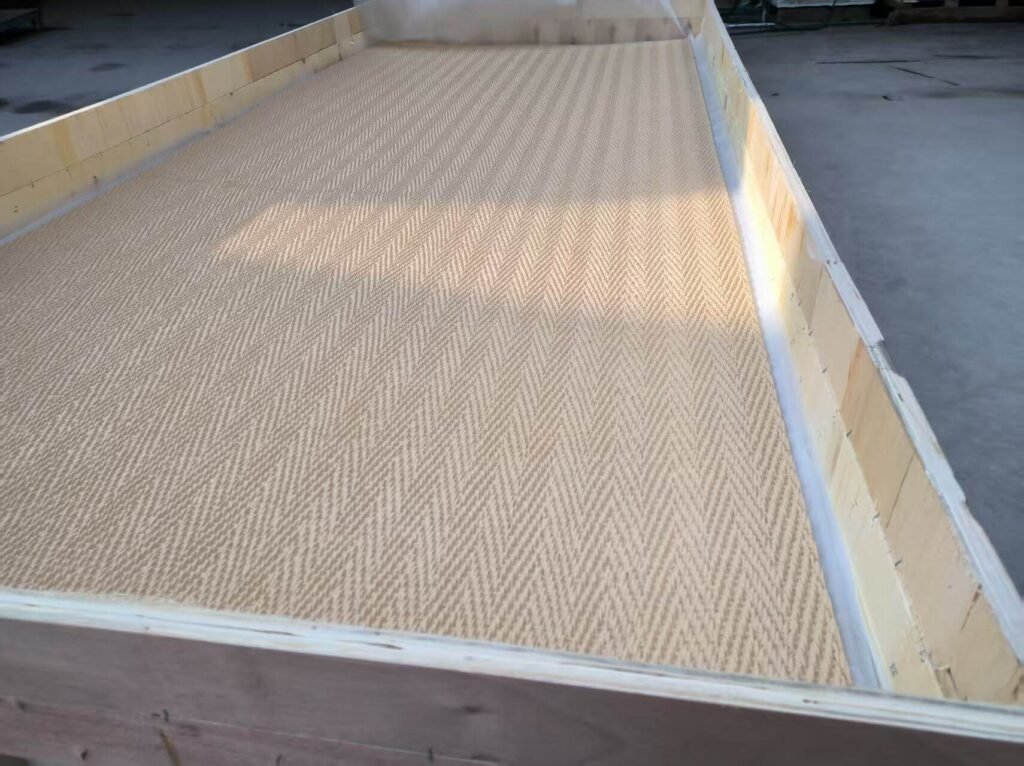
The move toward hemp and linen textures in wall panels is a direct response to the demand for sustainable building materials. These natural fibers are well-regarded for their inherent performance properties, including durability, moisture regulation, and thermal efficiency. Using our 3D printing surface technology, we accurately replicate these organic textures onto flexible stone panels. This process merges the visual warmth of natural textiles with the robust performance of a stone composite, creating a product that can contribute to better thermal insulation and moisture control within a building’s interior.
Market Trends and Niche Applications
While applying fabric textures directly to stone is a niche market, it aligns perfectly with the global expansion of sustainable materials. The broader hemp textile industry’s growth signals strong market acceptance and creates new opportunities for innovative wall finishes. Our ability to create these textures on flexible stone panels positions us to serve this specific but growing demand. This application is ideal for architects and designers specifying unique, eco-conscious design elements without having to sacrifice the durability required for commercial or residential projects.
Functional Benefits in Modern Construction
The design isn’t just aesthetic, it’s functional. We borrow principles from natural fiber composites to improve the panel’s physical properties. The resulting composite-inspired structure delivers improved lightness, porosity, and elasticity. These characteristics make the textured panels easier to handle and install, which can reduce on-site labor costs. The enhanced elasticity provides a degree of resilience valuable for building performance, and the porous nature of the textures can aid in better room acoustics and overall wall system breathability.
Flexible, Lightweight Stone for Luxury Designs
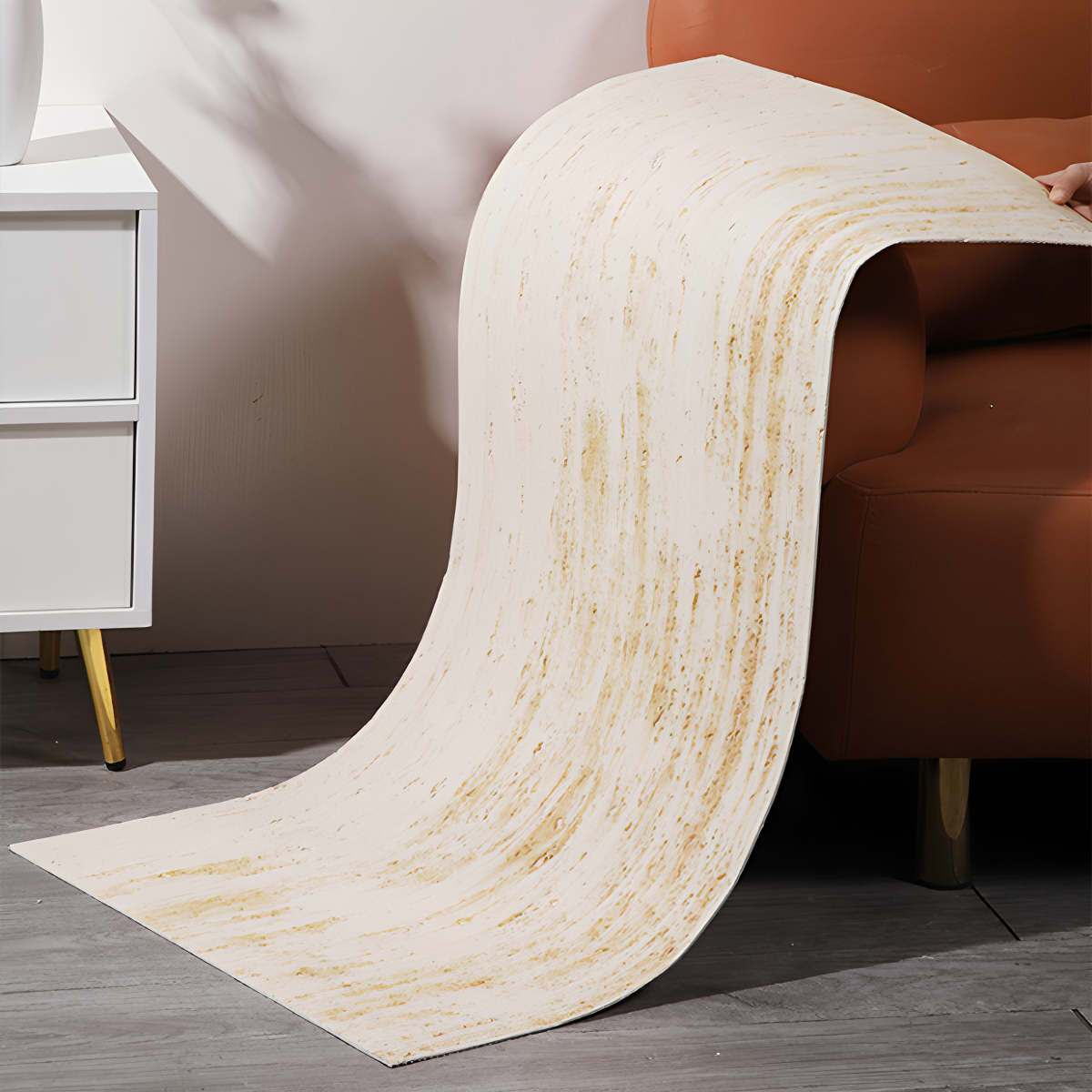
Durability: Looks Soft, Hits Hard (Impact)
While the aesthetic suggests a delicate textile, the panel’s core composition delivers industrial-grade performance against physical impact, abrasion, and environmental degradation.
Tensile Strength and Tear Resistance
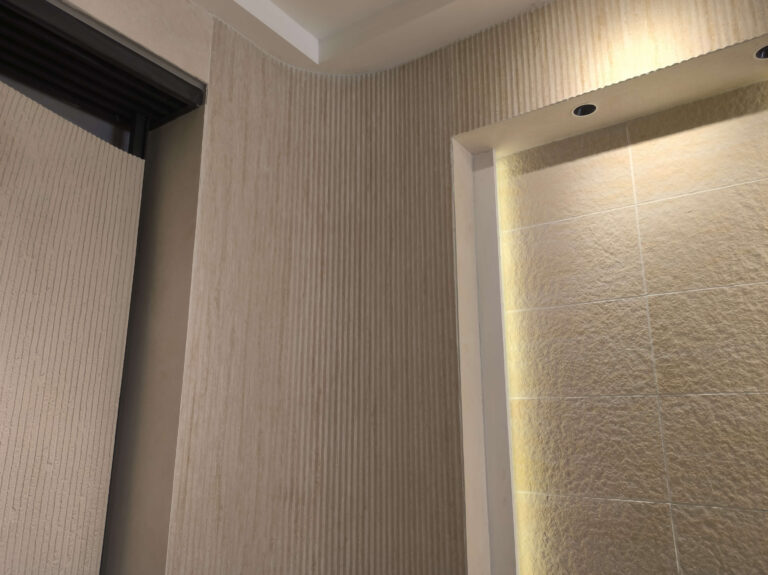
Our flexible stone panels offer exceptional tensile strength, directly inspired by the structural integrity of performance textiles. The internal composition, reinforced with a fiber mesh backing, resists tearing and structural stress. This makes it a reliable choice for high-traffic commercial zones and complex architectural installations, like curved walls. The core structure provides stability against pulling forces, much like how twill weaves enhance tear strength in industrial fabrics, ensuring it withstands impacts and flexing without losing its form.
| Performance Metric | JMS Flexible Stone (MCM) | Traditional Materials |
|---|---|---|
| Weight | 3.5 – 6.0 kg/m² | ~30-50 kg/m² (Natural Stone) |
| Impact Resistance | High (Flexible, resists cracking) | Brittle; prone to chipping (Stone) |
| Fire Rating | Class A2 (Non-combustible) | Class A1 (Stone); Flammable (Fabric) |
| Water Absorption | < 0.5% | Varies by type; can be porous (Stone) |
Resistance to Environmental Degradation
Like resilient natural fibers such as hemp, our panels are engineered to endure harsh environmental conditions. The material’s composition naturally resists mold and mildew, which contributes to healthier indoor air quality and simplifies maintenance. An inherent UV resistance ensures the panel’s color and structural integrity hold up under direct sunlight, making it suitable for both interior feature walls and exterior façades in high-heat regions.
Surface Performance and Abrasion
The panel surface is designed for long-term performance, similar to how plain-weave fabrics are valued for their superior abrasion resistance in high-contact furnishings. The finish is engineered to resist scuffs, scratches, and daily wear, preserving the aesthetic integrity of the textile-like texture. This makes it a practical specification for surfaces that experience regular contact, from retail counter fronts to hotel corridors, where appearance must be maintained despite constant traffic.
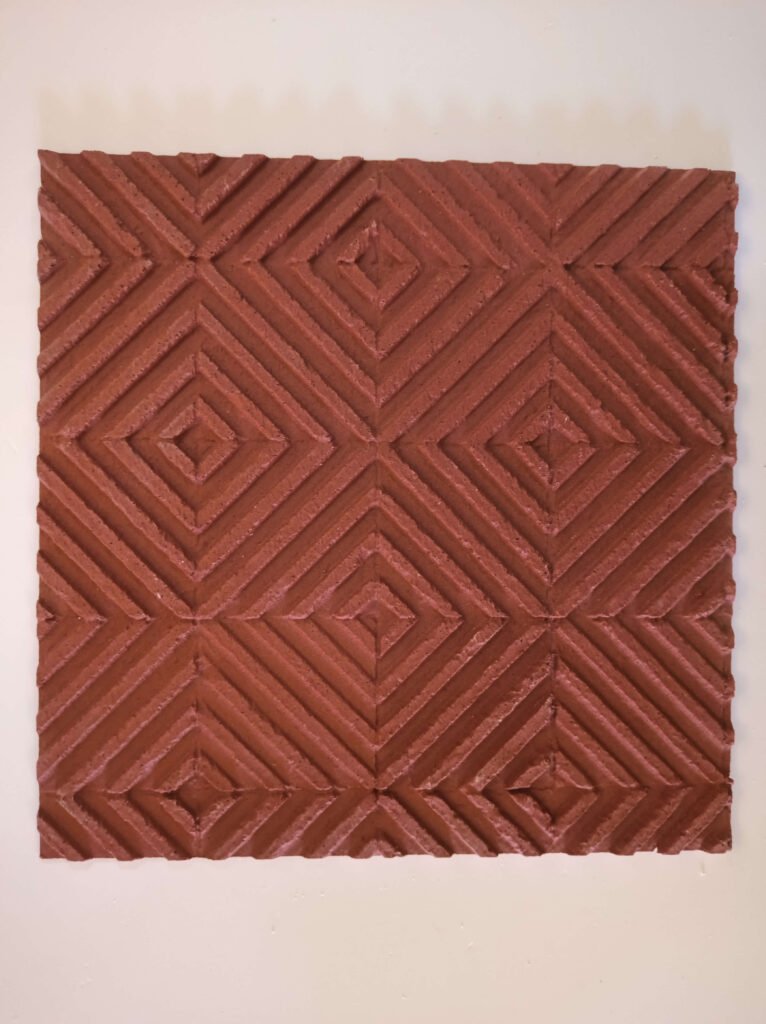
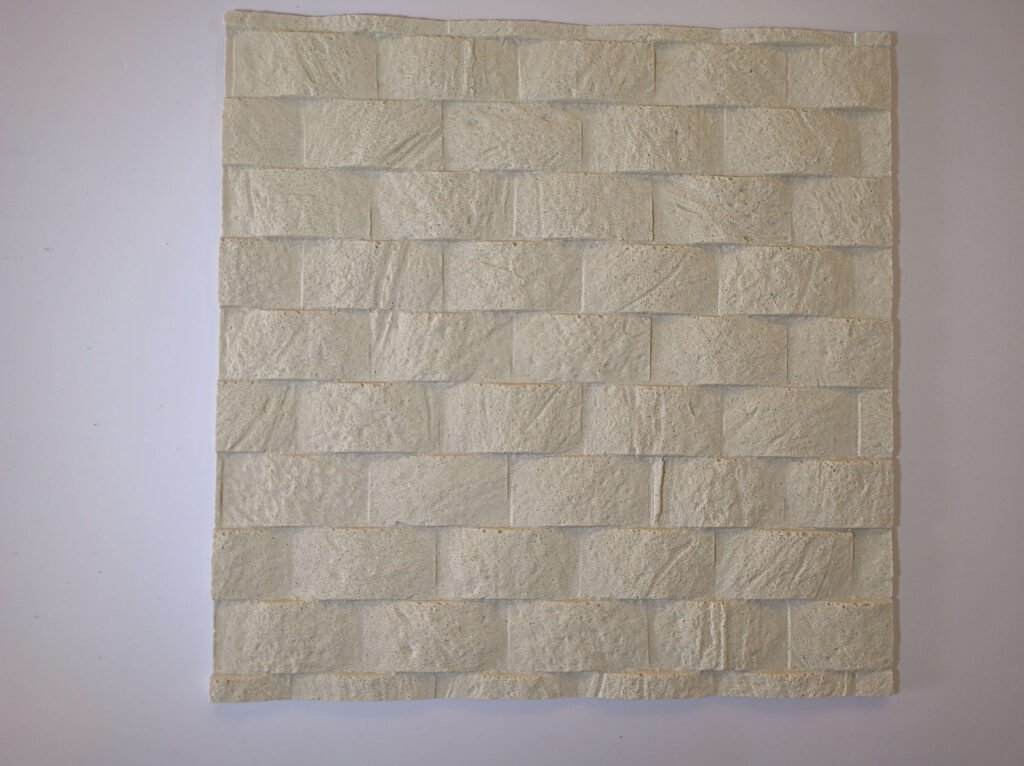
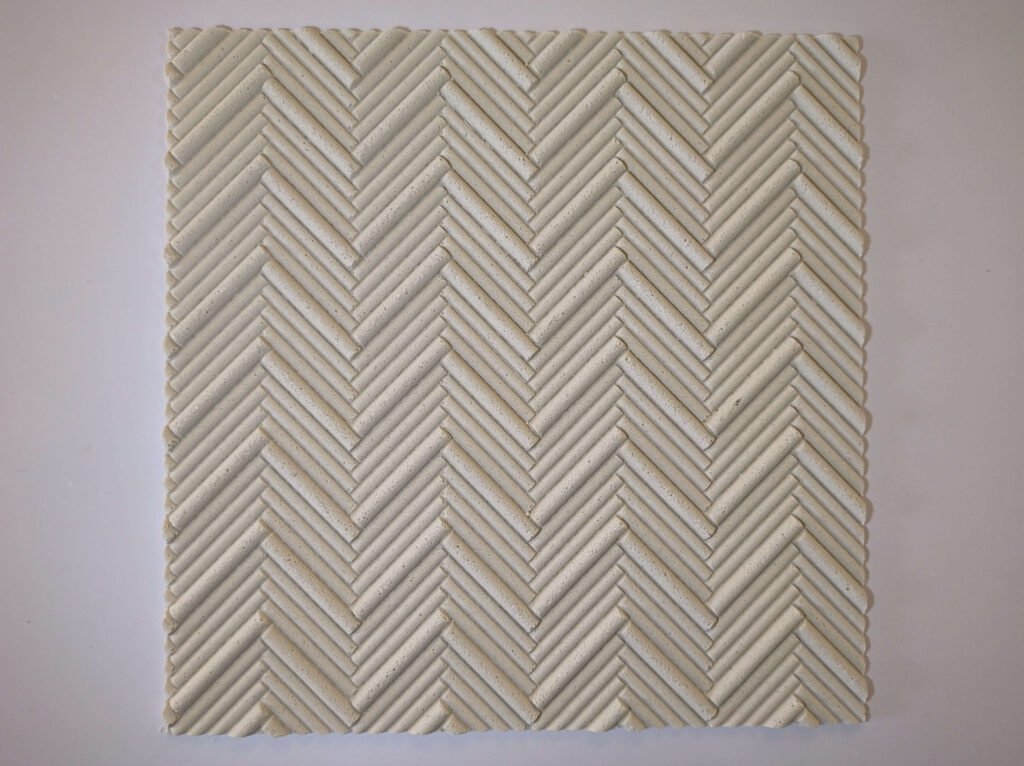
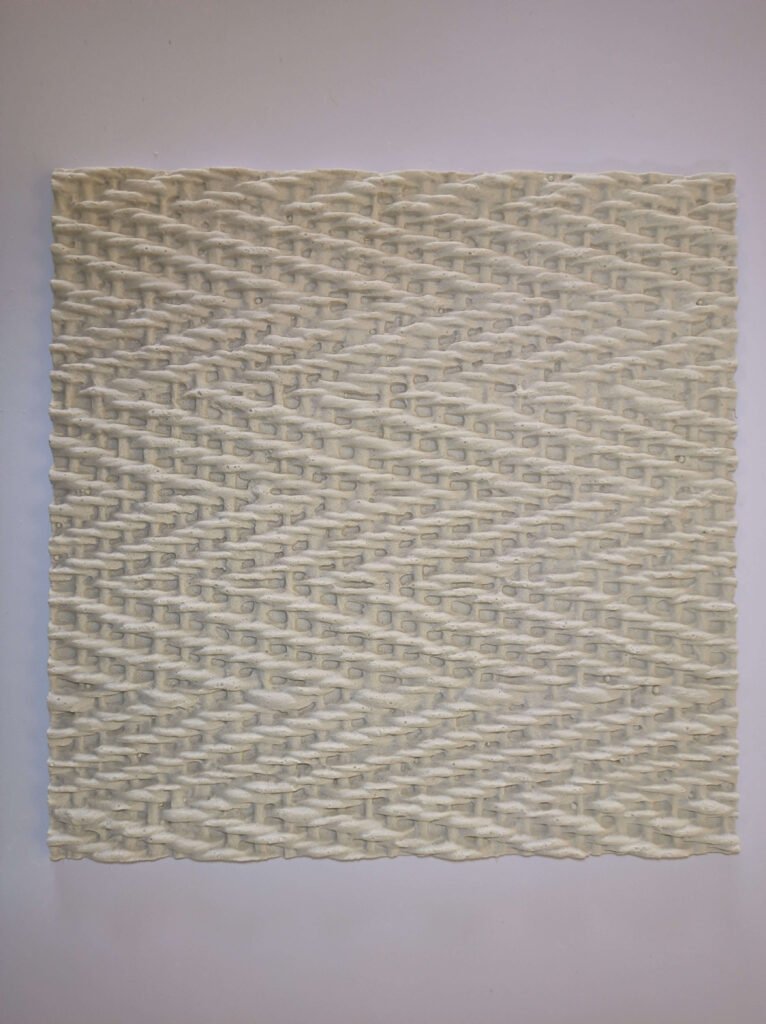
Cleaning “Woven” Surfaces (Nano-Seal)
Modern nano-sealants create a functionally invisible, self-cleaning surface that preserves the intended textile aesthetic while drastically cutting long-term maintenance in high-traffic commercial spaces.
Invisible Protection and Breathability
By 2026, nano-seal technology provides a protective layer that is completely invisible. It doesn’t form a film, which means the natural texture and breathability of the ‘woven’ stone surface are fully preserved. This is a critical distinction from older coating methods that left a plastic-like sheen and sealed the surface. The material continues to feel and perform as intended, with no visual or tactile compromise.
- Uses advanced water-based formulations that bond at a nano-level.
- Maintains the original look and feel of the textile-like surface without a plastic sheen.
- Allows moisture vapor to escape, which helps prevent moisture buildup behind the panel.
Self-Cleaning and Stain Resistance
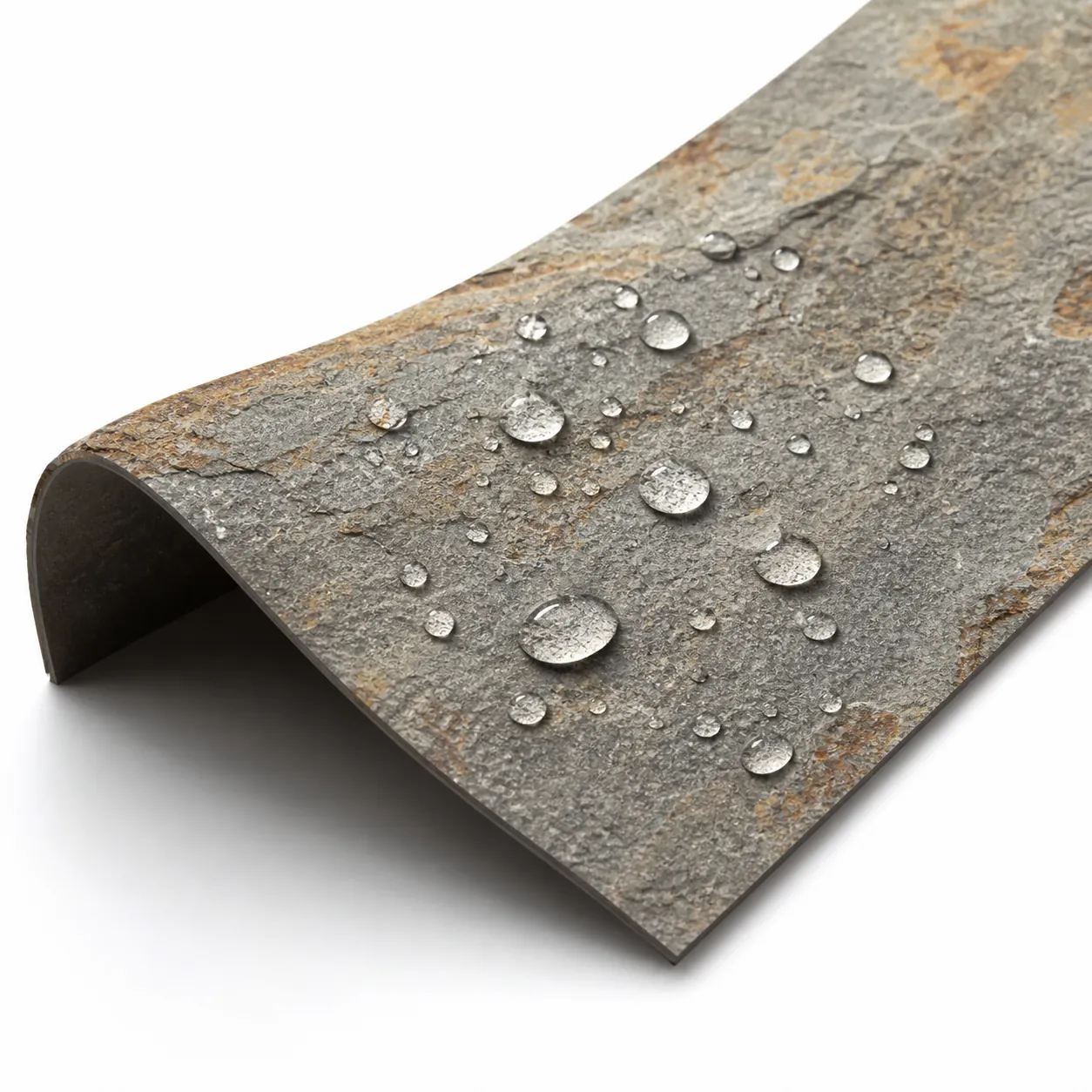
The coating creates a ‘lotus-leaf’ effect, causing water, dirt, and oil-based liquids to bead up and roll off the surface. This hydrophobic and oleophobic property significantly simplifies cleaning and maintenance, especially in demanding commercial or hospitality settings. Spills from coffee or wine can be wiped away without leaving a trace, reducing the operational burden on cleaning staff and preserving the wall’s appearance over its lifecycle.
- Provides strong resistance against common spills like coffee, wine, and oil.
- Reduces the need for frequent or harsh cleaning methods, lowering maintenance efforts.
- The protective effect is durable, designed to withstand regular use and cleaning cycles.
Sustainable Maintenance
This technology directly supports sustainable building practices by reducing the reliance on aggressive chemical cleaning agents. Because the surfaces are inherently easier to clean, facilities can lower long-term maintenance costs and lessen the environmental impact of upkeep. This aligns with modern green building standards and contributes to a healthier indoor air quality, a key consideration for hotels, spas, and restaurants.
- Reduces the required amount of cleaning agents by as much as 70%.
- Formulated without PFOA/PFOS chemicals, aligning with global environmental standards.
- Contributes to a healthier indoor environment by minimizing the use of harsh chemicals.
Application: Boutique Hotels & Retail
In the boutique hotel and retail sectors, a unique wall finish is no longer just decoration; it’s a direct driver of brand identity, customer experience, and operational efficiency.
The global boutique hotel market is set to expand significantly, reaching an estimated $40.26 billion by 2030. This growth is driven by travelers who seek out unique, personalized experiences where the design is part of the destination. For these spaces and high-end retail, standard finishes fail to create the memorable atmosphere that builds brand loyalty and encourages social sharing. The right material choice must deliver a distinct aesthetic, enhance the guest experience, and withstand the demands of a commercial environment.
Creating Unique Brand Identity
Boutique hotels and modern retail spaces compete on identity. A signature aesthetic separates a brand from the competition and connects with a target audience. Custom wall finishes are a primary tool for designers to build this unique story. With advanced manufacturing, a brand’s specific theme—from rugged stone to refined leather—can be translated directly onto the walls, creating a cohesive visual narrative from the lobby to the guest rooms.
- JMS Decor’s 3D printing technology replicates specific textures like travertine, concrete, or even custom patterns to match a brand’s visual guidelines.
- The material’s flexibility allows application on curved surfaces, columns, and reception desks, enabling architectural statements that are impossible with traditional rigid materials.
- This consistent application reinforces brand recognition, making the physical space a memorable part of the customer experience.
| Feature | Traditional Materials (Stone, Tile) | JMS Decor Flexible Stone |
|---|---|---|
| Structural Load | High; requires significant structural support and engineering. | Minimal (3.5–6.0 kg/m²); suitable for retrofits and high-rises. |
| Design Flexibility | Rigid; limited to flat surfaces, difficult to cut on-site. | Wraps around columns and curved walls (≈200mm bend diameter). |
| Installation | Slow, noisy, and produces high levels of dust and waste. | Fast, low-noise, dust-free cutting; can overlay existing surfaces. |
| Durability | Prone to chipping, cracking, and staining; grout lines require maintenance. | Class A2 Fire Rated, Waterproof, UV and Scratch-Resistant. |
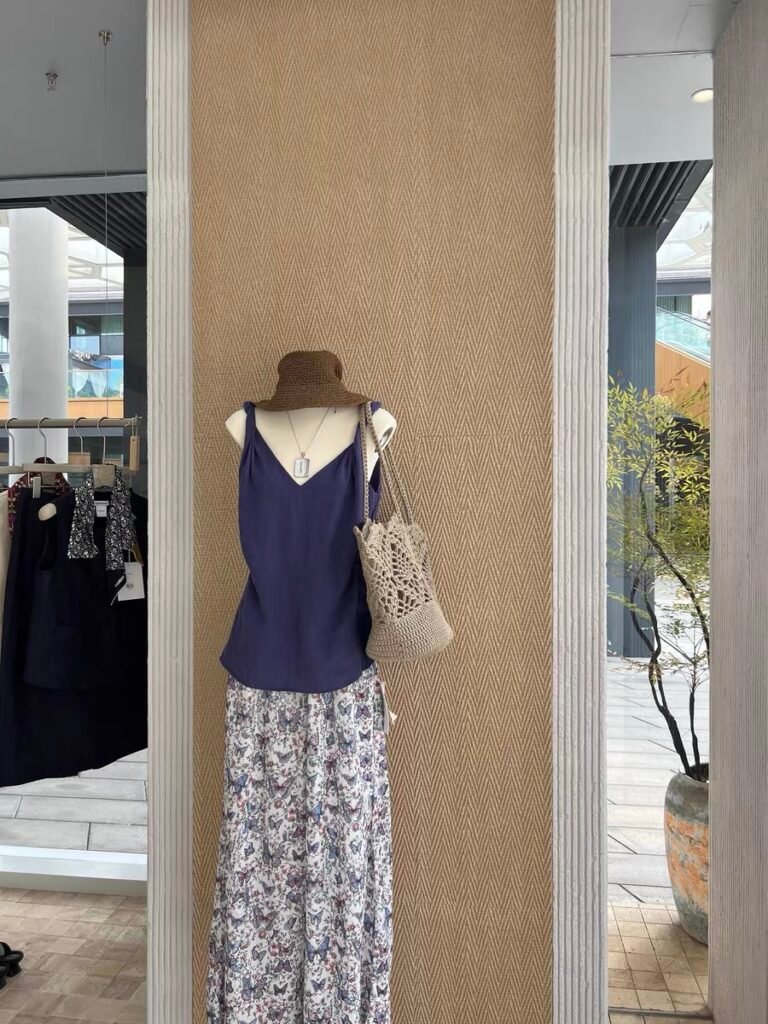
Enhancing Ambiance for the Guest Experience
A space’s atmosphere directly affects guest satisfaction and retail sales. Textured, high-quality wall panels craft an inviting environment that feels both luxurious and authentic. This aligns perfectly with the trend of experiential travel, where the design of the hotel becomes a key part of the trip itself. Creating “Instagrammable” spots with unique backdrops also generates free marketing as guests share their experiences online.
- Flexible stone panels add natural warmth and texture, elevating the ambiance in lobbies, cafes, and behind retail displays.
- They serve as effective accent walls behind headboards or in common areas, creating visual focal points and a memorable sense of place.
- The tactile quality of the surfaces contributes to a premium sensory experience that guests remember long after they leave.
Durability and Efficiency in High-Traffic Zones
Commercial spaces require materials that are resilient and practical, not just beautiful. JMS Decor solutions provide the aesthetic of high-end finishes with the durability needed for busy environments. This simplifies both the initial installation and long-term maintenance, reducing operational costs and downtime for hotel and retail owners.
- The lightweight nature of the panels streamlines renovation projects, reducing installation time and eliminating the need for structural reinforcements.
- High resistance to impact, moisture, and UV fading makes them suitable for lobbies, corridors, and even exterior facades in harsh climates.
- The easy-to-clean surfaces help maintain a pristine appearance with minimal effort, a critical advantage for hospitality and retail operations.
Conclusion
Woven stone textures merge the organic warmth of fabrics with the robust performance of natural stone. This allows designers to introduce soft, biophilic elements like hemp and linen looks into high-traffic commercial settings without sacrificing durability. The result is an inviting, memorable space that is simple to maintain.
To see how these materials feel firsthand, our team can arrange a sample for your studio. Contact us to discuss your project needs or to review the complete texture collection.
Frequently Asked Questions
Hemp look wall panels?
Yes, hemp-based wall panels are a key product in sustainable interior design. These panels leverage hemp’s natural fibers to create finishes that range from raw and organic to refined and smooth. They offer excellent acoustic and thermal insulation properties, are lightweight, and contribute to healthier indoor air quality due to low volatile organic compounds (VOCs). Typically, they are composites made from hemp fiber bonded with an eco-friendly bio-resin, aligning with modern circular economy principles.
Woven texture wall cladding?
Woven texture wall cladding is a significant trend, moving from temporary applications to permanent architectural features. High-tech fabrics like woven polyester, acrylic, or PTFE are stretched over framing systems to create durable, lightweight, and visually striking surfaces. This approach, known as textile architecture, allows for unique design flexibility, including complex curves and backlighting opportunities. These materials offer acoustic absorption and can be engineered for high durability and fire resistance, making them suitable for commercial and public spaces.
Fabric look stone veneer?
Fabric-look stone veneer is an innovative category of surfacing material that combines the durability of stone with the soft aesthetic of textiles. These products are not actual fabric but are typically engineered stone, porcelain, or composite panels with a surface that is precision-molded or digitally printed to replicate the visual and tactile texture of linen, silk, or tweed. This allows designers to achieve a warm, textured appearance while retaining the high-performance characteristics of a hard surface, such as impact resistance, cleanability, and fire rating.
Textured wall panels for retail?
In retail environments, textured wall panels are critical for brand expression, customer experience, and zoning. Current best practices involve using high-performance, durable materials like fabric-wrapped acoustic panels, 3D molded polymer or gypsum panels, and architectural woven metal mesh. Advanced high-tech fabrics, such as those made from polyester or PTFE, are increasingly used for permanent installations due to their durability and design flexibility. The integration of these complex panel systems with BIM software ensures precise fabrication and efficient installation, which is essential for fast-paced retail construction timelines.
Unique interior wall finishes?
Several unique interior wall finishes are gaining prominence. Key trends include: 1) Smart Fabrics that react to environmental changes like light or temperature. 2) Permanent Textile Architecture using high-tech fabrics like PTFE to create dynamic, lightweight interior walls. 3) Sustainable and Biophilic Materials such as stabilized moss, cork, and mycelium composites that align with circular economy goals. 4) Digitally Fabricated Surfaces, where BIM software is used to design and produce bespoke 3D-printed panels or parametric acoustic felts for one-of-a-kind installations.