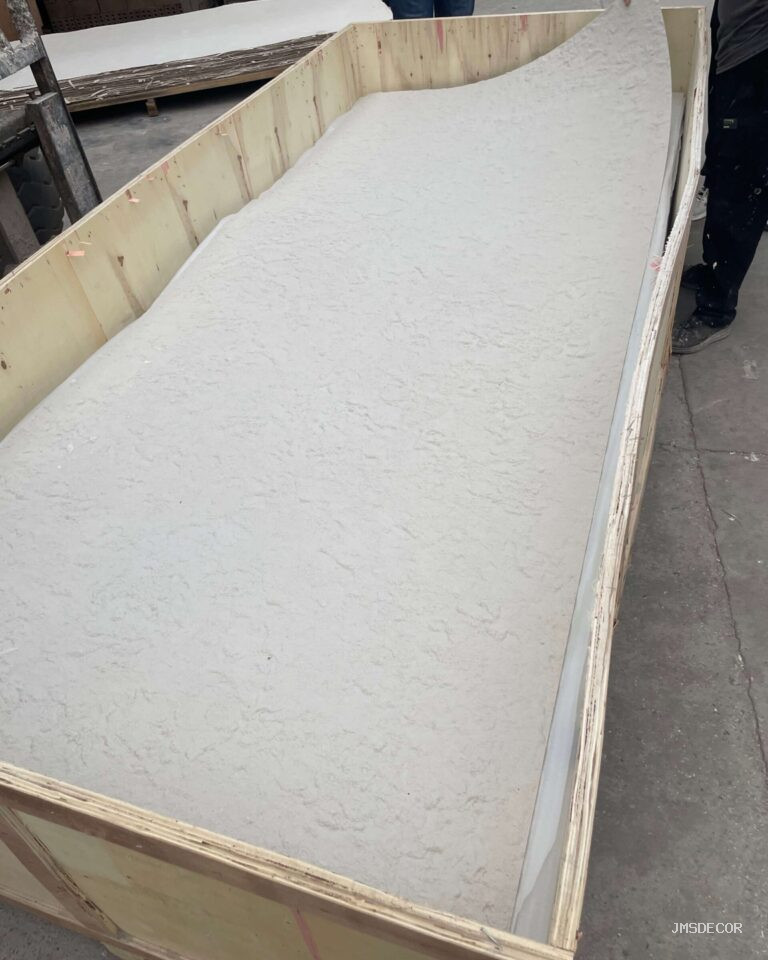
Every bonded-stone project produces the same handover archaeology: tape marks from the protection sheets, adhesive smears from the sealant gun, glue ghosts from stickers and tapes, dust film bonded into the texture, and the occasional blob of adhesive squeezed from a panel joint. Removing them wrongly is how premium walls get their first permanent scars — a scraping blade, an aggressive solvent, a melamine sponge with enthusiasm — and removing them right takes about an hour for a whole wall. This guide covers post-works residue removal as a handover discipline: what each type of residue is, the removal method per type, the solvents that are safe and the ones that are not, and the final inspection that decides whether the wall is genuinely clean or just looks it.
Why handover cleaning is its own skill
Construction residues differ from daily dirt in three ways, and each changes the method. They are aged — a tape mark from six weeks ago has bonded itself harder than one from yesterday. They are mixed — a corner can carry tape adhesive, dust bonded into the texture, and a sealant smear, each needing a different approach. And they sit on a printed mineral face that tolerates solvents well but abrasion badly — the exact inverse of what a scraping instinct wants to do. The handover clean is therefore a planned pass with a method per residue type, not a general wipe-down with the strongest thing in the cupboard.
The stakes justify the discipline: the residue pass is the last touch the installing crew has on the wall, and every mark left behind becomes the client’s first impression. The hour it takes is the cheapest reputation insurance on the project.
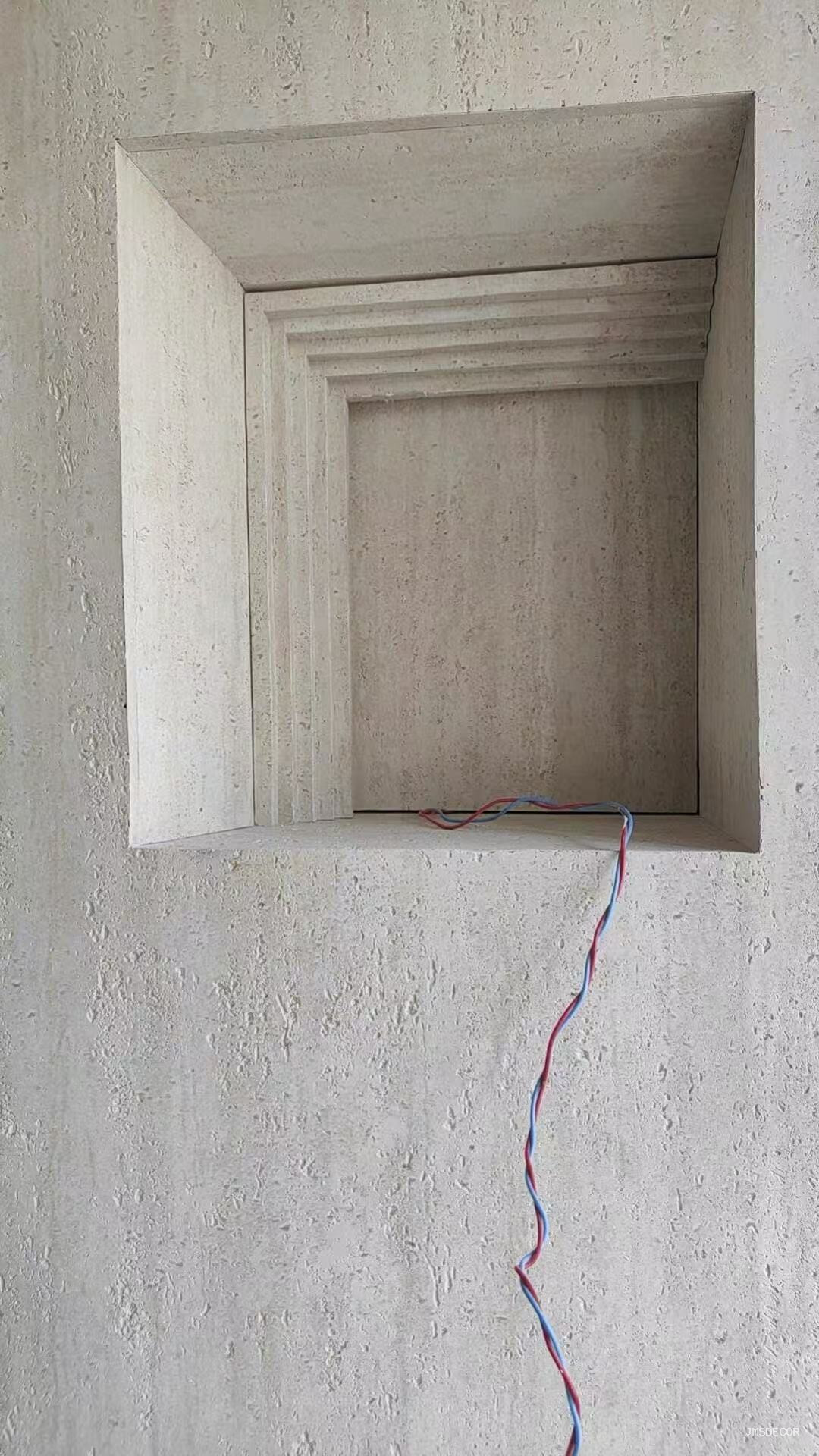
Residue type one: tape and film marks
Protection tape and film leave two things: the adhesive residue and, on long-aged tape, a ghost line where the face weathered differently under the film. The removal sequence: peel the film and tape slowly and flat — fast peeling snaps adhesive onto the face; then remove the residue with isopropyl alcohol on a microfibre cloth, working small circles from the outside of the mark inward. The ghost line usually lifts with the same alcohol pass plus time; a stubborn ghost after a week is the face’s sheen having changed under the film, and it is judged at final inspection rather than attacked — sheen differences relax over weeks of normal cleaning, and attacking one with abrasives turns a ghost into a scar.
The prevention that makes this section short: remove protection films as soon as the works allow rather than at handover, per the timing rules in our protection guide. Film that comes off within weeks leaves rung-one marks; film that comes off at handover leaves rung-three archaeology.
Residue type two: adhesive smears and blobs
Squeezed adhesive from panel joints and smeared beads from the sealant gun are the handover clean’s hardest residents, because they cure to the face. Fresh squeeze-out is cut and tooled off during installation, per the joint discipline in our руководству по нанесению герметика; the handover pass deals with what escaped. Cured adhesive blobs are softened, not scraped: the recommended remover is applied to a cloth and taped over the blob to dwell, then the softened mass peels and the ghost film lifts with an alcohol pass. Smears respond to the same dwell-and-wipe. What never touches cured adhesive: razor blades and scrapers — they remove the blob along with the printed surface’s sheen, and the scar reads worse than the blob ever did.
The prevention is the installer’s habit: tool joints immediately, wipe the gun’s path as you go, and mask edges before any bead. The handover clean then has nothing harder than tape marks to face.
Residue type three: dust bonded into texture
Construction dust does not sit on textured faces; it bonds into the valleys with moisture and time. Dry brushing lifts the loose fraction; the bonded fraction needs a wash — neutral detergent, warm water, a soft brush worked into the relief, rinsed and dried — the texture-cleaning method our maintenance guide describes for routine care, scaled up for the one-time handover pass. What the wash must never include: acid or alkaline builders’ cleaners, which etch the face’s binder and dull the sheen in one application. The rinse matters as much as the wash — detergent left in the texture reappears as a grey film within weeks.
The final inspection: clean or just looks it?
- The raking-light pass. A torch held low across the whole field shows residue, ghosts and sheen changes that room light forgives — the same inspection the handover photos from our субмиттал should include.
- The touch pass. A clean hand reads adhesive residue that eyes miss — grit and tack announce themselves.
- The cloth test. A white cloth wiped across the field after cleaning; colour on the cloth means the wash left detergent or dust in the texture.
- Сравнение блеска. Очищенные участки сравниваются с необработанными зонами — любые локальные изменения блеска фиксируются и оставляются для стабилизации, а не подвергаются повторному воздействию.
- Набор фотографий. Очищенная стена на момент передачи — исходная точка, с которой начинается файл обслуживания.
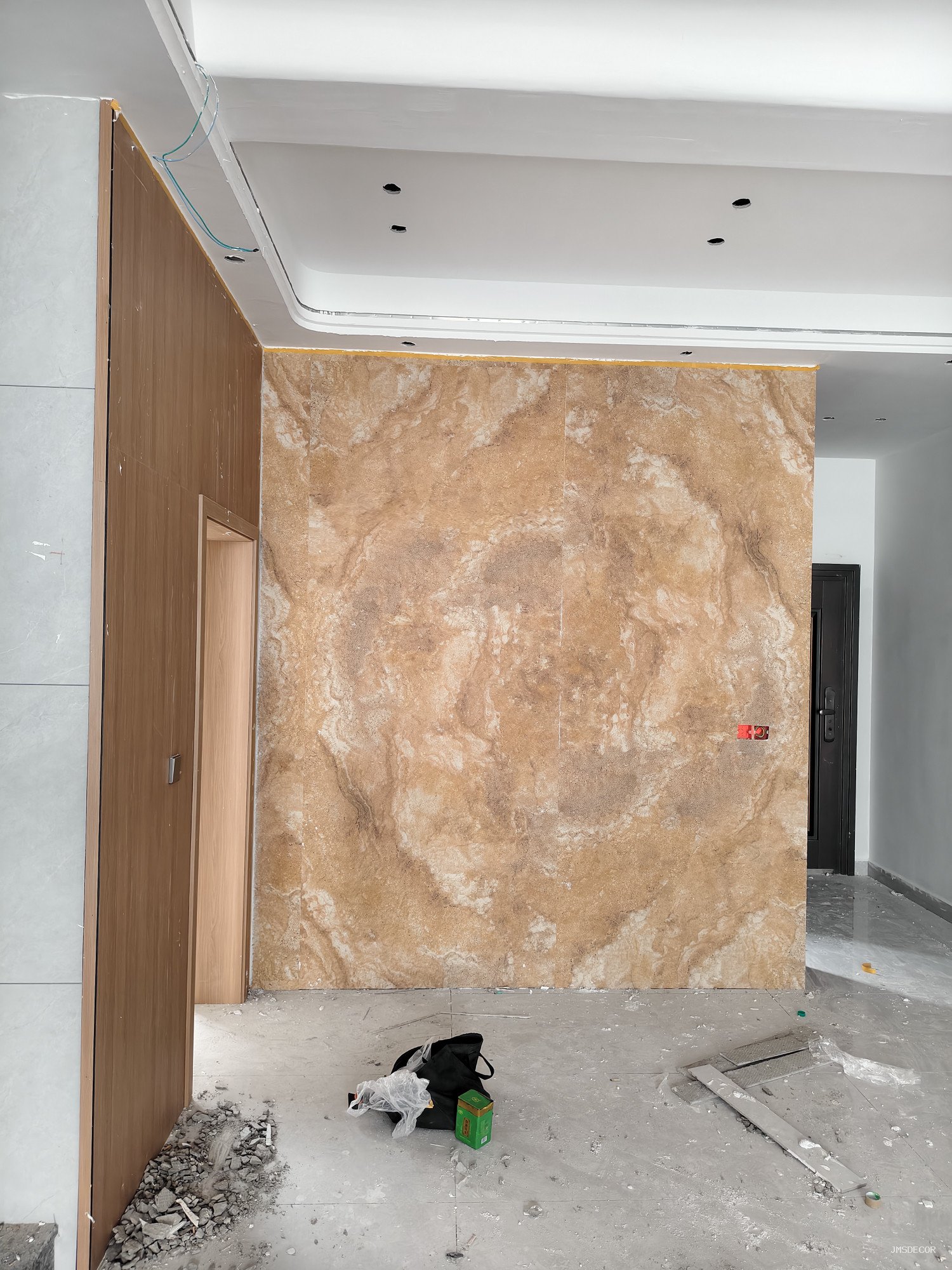
Акт передачи
Очищайте зону передачи, а не только стену
Остатки четвёртого типа: разводы, которые не видны, пока не изменится угол света
Некоторые остатки невидимы при передаче и проявляются вечером после первого включения света клиента: это «призраки» клея, которые дневное освещение прощает, а направленный свет выявляет; отпечатки пальцев в углублениях текстуры; собственная плёнка от чистящего средства, высохшая на рельефе. Поэтому заключительный этап передачи выполняется методом направленного освещения, описанного выше. Если обнаружен «призрак», реакция должна быть взвешенной: для остатков клея — обработка спиртом, для плёнки от моющих средств — промывка чистой водой, а все упорные изменения заносятся в реестр блеска. Этот этап не является поводом для применения агрессивной химии: большинство «призраков», видимых при вечернем освещении, исчезают после ещё одной обработки спиртом, а нетерпеливые действия приводят к пятнам на блеске, которые наше руководство по ремонту исправить не может.
Планирование этого этапа на сумерки при включённом рабочем освещении помещения позволяет обнаружить такие остатки, когда их ещё можно исправить. Передача, выполненная при ярком дневном свете, проверяет поверхность в самых мягких условиях, которые она когда-либо будет иметь, поэтому последний час работы планируется с учётом заката, а не просто по часам.
Что входит в комплект для очистки при передаче
Этап выполняется быстро, потому что набор инструментов небольшой и узкоспециализированный: изопропиловый спирт и рекомендованный производителем удалитель клея для выдержки; нейтральный моющий состав и мягкие щётки для мойки; большое количество микрофибровых салфеток — по одной на каждый тип остатков, так как салфетка, собранная с клея, размажет его по следующей панели; малярная лента для защиты соседних покрытий при работе с растворителями; фонарик для этапа направленного освещения; белая тестовая ткань. В комплект никогда не входят: лезвия, абразивные губки, ацетон и самоуверенность, полученная от успешной очистки других поверхностей. Печёная минеральная поверхность прощает воздействие растворителей, но не прощает трение — это единственный факт, который должен помнить каждый, кто выполняет этот этап.
Комплект хранится в одной коробке с журналом запанных панелей и инструкцией по уходу — это файл передачи от нашей maintenance plan guide — поскольку этап удаления остатков является первой страницей жизненного цикла обслуживания стены, и инструменты, которыми он выполнен, должны быть инструментами для её последующего ухода.
Почему очистка при передаче должна быть в договоре, а не в рамках доброжелательности
The residue pass is work — hours of it on a large project — and its absence from the contract is why it gets skipped, rushed, or argued about. The drafting fix is one line in the installation scope: the handover clean, specified as the residue-type pass with the raking-light inspection and the photographed baseline, per the clause logic in our contract guide. What that line buys both sides is the handover standard: the client walks the wall with the photographs as the reference, and “clean” is what the pictures show, not what the mood says.
The same line protects the finisher from the trades that follow. A wall cleaned and photographed at handover is a wall whose later marks have a birth date — the scuffs and residues that appear after the photographs belong to whoever came after, and the baseline is what proves it. Protection schedules and handover photos are the same argument, made once and reused for the life of the wall.
Часто задаваемые вопросы
Can I use a heat gun to soften old adhesive?
No — concentrated heat on a thin bonded sheet risks the adhesive bed beneath the finish, not just the residue on it. Chemical dwell is slower and safe; heat is neither.
Что лучше всего удаляет строительную пыль из глубокого рельефа?
Тёплый нейтральный мыльный раствор с мягкой кистью — участками, с полосканием по мере продвижения. Сжатый воздух загоняет пыль глубже в фактуру, а сухая протирка размазывает её по вершинам.
Сколько времени нужно, чтобы разошлись «призрачные» следы от плёнки?
Разница в блеске под плёнкой выравнивается за несколько недель обычной очистки — точный срок зависит от помещения. Правило одно: зафиксировать «призрак» при финальной приёмке и не поддаваться искулению использовать абразивы; время и правильный уход решают проблему.
Кто подписывает приёмку после уборки?
Монтажники — при контроле боковым светом и тестом тканью, сфотографированные образцы служат базой для приёмки. Заказчик осматривает стену по этим фото, и “чистота” становится задокументированным стандартом, а не субъективным мнением.
Прогон удаления остатков планируйте как отдельную рабочую стадию, метод выбирайте по типу загрязнений, а проверку проводите при боковом освещении, прежде чем считать работу завершённой. Документация по уходу за серийной продукцией находится на странице, а инструкция по технике безопасности при работе с моющими средствами опубликована на flexible stone veneer странице, OSHA.