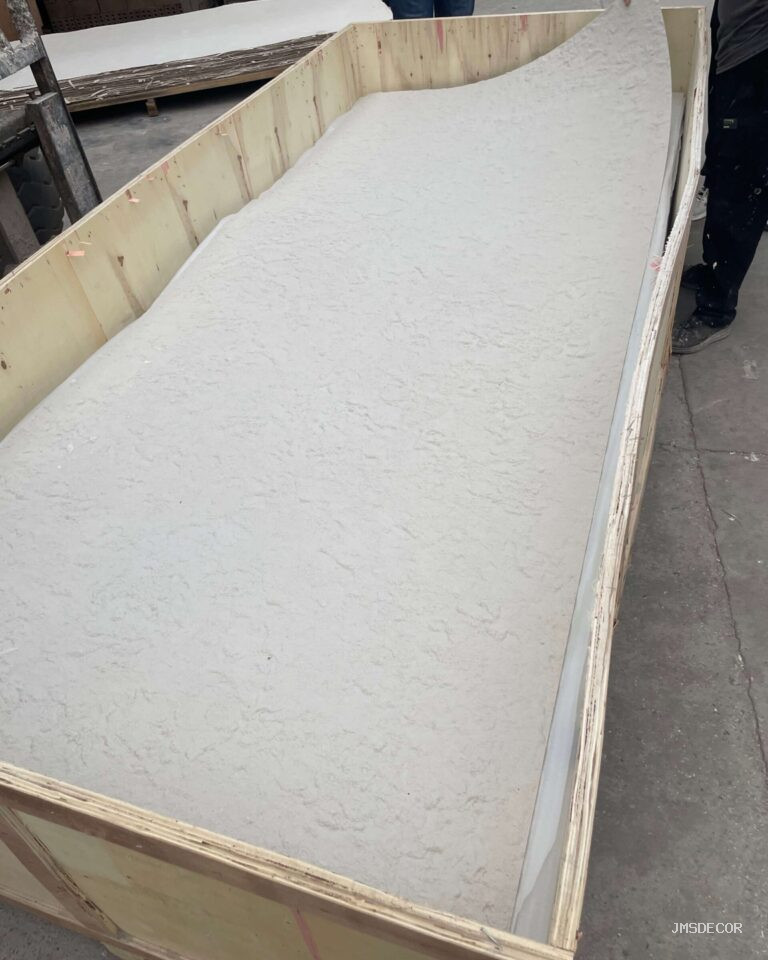
Every bonded-stone project produces the same handover archaeology: tape marks from the protection sheets, adhesive smears from the sealant gun, glue ghosts from stickers and tapes, dust film bonded into the texture, and the occasional blob of adhesive squeezed from a panel joint. Removing them wrongly is how premium walls get their first permanent scars — a scraping blade, an aggressive solvent, a melamine sponge with enthusiasm — and removing them right takes about an hour for a whole wall. This guide covers post-works residue removal as a handover discipline: what each type of residue is, the removal method per type, the solvents that are safe and the ones that are not, and the final inspection that decides whether the wall is genuinely clean or just looks it.
Why handover cleaning is its own skill
Construction residues differ from daily dirt in three ways, and each changes the method. They are aged — a tape mark from six weeks ago has bonded itself harder than one from yesterday. They are mixed — a corner can carry tape adhesive, dust bonded into the texture, and a sealant smear, each needing a different approach. And they sit on a printed mineral face that tolerates solvents well but abrasion badly — the exact inverse of what a scraping instinct wants to do. The handover clean is therefore a planned pass with a method per residue type, not a general wipe-down with the strongest thing in the cupboard.
The stakes justify the discipline: the residue pass is the last touch the installing crew has on the wall, and every mark left behind becomes the client’s first impression. The hour it takes is the cheapest reputation insurance on the project.
Residue type one: tape and film marks
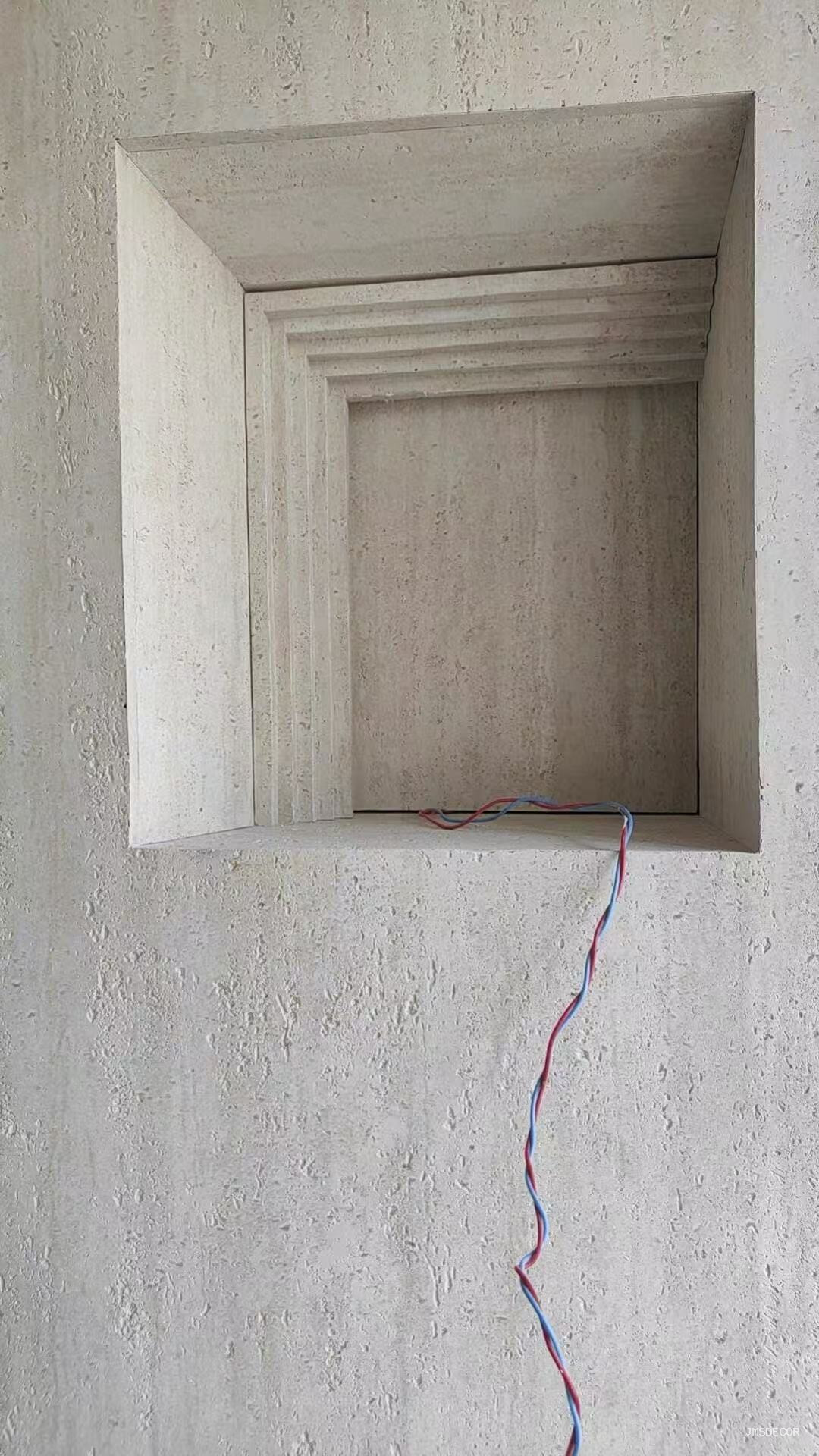
Protection tape and film leave two things: the adhesive residue and, on long-aged tape, a ghost line where the face weathered differently under the film. The removal sequence: peel the film and tape slowly and flat — fast peeling snaps adhesive onto the face; then remove the residue with isopropyl alcohol on a microfibre cloth, working small circles from the outside of the mark inward. The ghost line usually lifts with the same alcohol pass plus time; a stubborn ghost after a week is the face’s sheen having changed under the film, and it is judged at final inspection rather than attacked — sheen differences relax over weeks of normal cleaning, and attacking one with abrasives turns a ghost into a scar.
The prevention that makes this section short: remove protection films as soon as the works allow rather than at handover, per the timing rules in our protection guide. Film that comes off within weeks leaves rung-one marks; film that comes off at handover leaves rung-three archaeology.
付着物その2:接着剤の塗り残しと blobs
パネル継目から飛び出した接着剤やシーラントガンによる塗りのムラは、引渡時の洗浄で最も厄介な存在です。これらは面材に密着して硬化するためです。新しい塗りは施工中に切除・整えられ、当社の手順に従って処理されます sealant guide; 引渡しの清掃は、それらを処理します。硬化した接着剤の blobs は削らずに軟化させます:推奨される除去剤を布に含ませて blob に貼り付け、馴染ませた後、軟化した塊をはがし、アルコール拭きで痕跡も除去します。塗りのムラも同様に、馴染ませて拭き取る方法で対応します。硬化した接着剤に絶対に触れてはいけないもの:カミソリやスクレーパー。それらは blob を除去する際に印刷された表面の光沢も剥ぎ取り、跡は blob 以前よりも悪目立ちしてしまいます。
予防は施工者の習慣にかかっています:継目はすぐになじませて歩き、ガンが通った箇所は随時拭き取り、塗りを施す前に縁をマスキングするものです。引渡しの清掃が直面するのは、テープ跡くらいなものになります。
付着物その3: texture に結合した dust
建設用の dust は textured な表面に留まるのではなく、湿気と time の影響で山谷に結合します。乾いたブラシは浮いた部分を除去しますが、結合した fraction には洗浄が必要です。中性洗剤、ぬるま湯、柔らかい brush で relief に働きかけ、すすいで乾燥させる — これは当社の maintenance guide Routine care 用として記載されている texture-cleaning method を、引渡しの一度きり清掃に scaling したものです。この洗浄に必ず含まれてはいけないもの:酸性またはアルカリ性の建設用洗剤。それらは面材の binder をエッチングし、一塗りで sheen を鈍くします。すすぎは洗浄と同じくらい重要です。texture に洗剤が残ると、数週間以内に灰色の film となって現れます。
最終検査:clean か、単に見た目だけか?
- 斜光検査. 低い位置からトーチを当てて全体を走査することで、通常の照明では見過ごされがちな residue、ghosts、sheen の変化が確認できます — これこそが当社の submittal guide 引渡し写真にも含まれるべき inspection です。
- タッチパス. clean な手は、目が逃がしがちな接着剤の residue を感知します — grit と tack が自らの存在を主張します。
- クロス test. 洗浄後に白い cloth を表面全体に wiping します。cloth に色がついた場合は、洗浄によって洗剤や dust が texture に残ったことを示します。
- The sheen comparison. Cleaned sections compared against untouched areas — any local sheen change is recorded and left to relax, not attacked.
- The photograph set. The cleaned wall photographed as handed over — the baseline the maintenance file starts from.
Residue type four: the smears you cannot see until the light moves
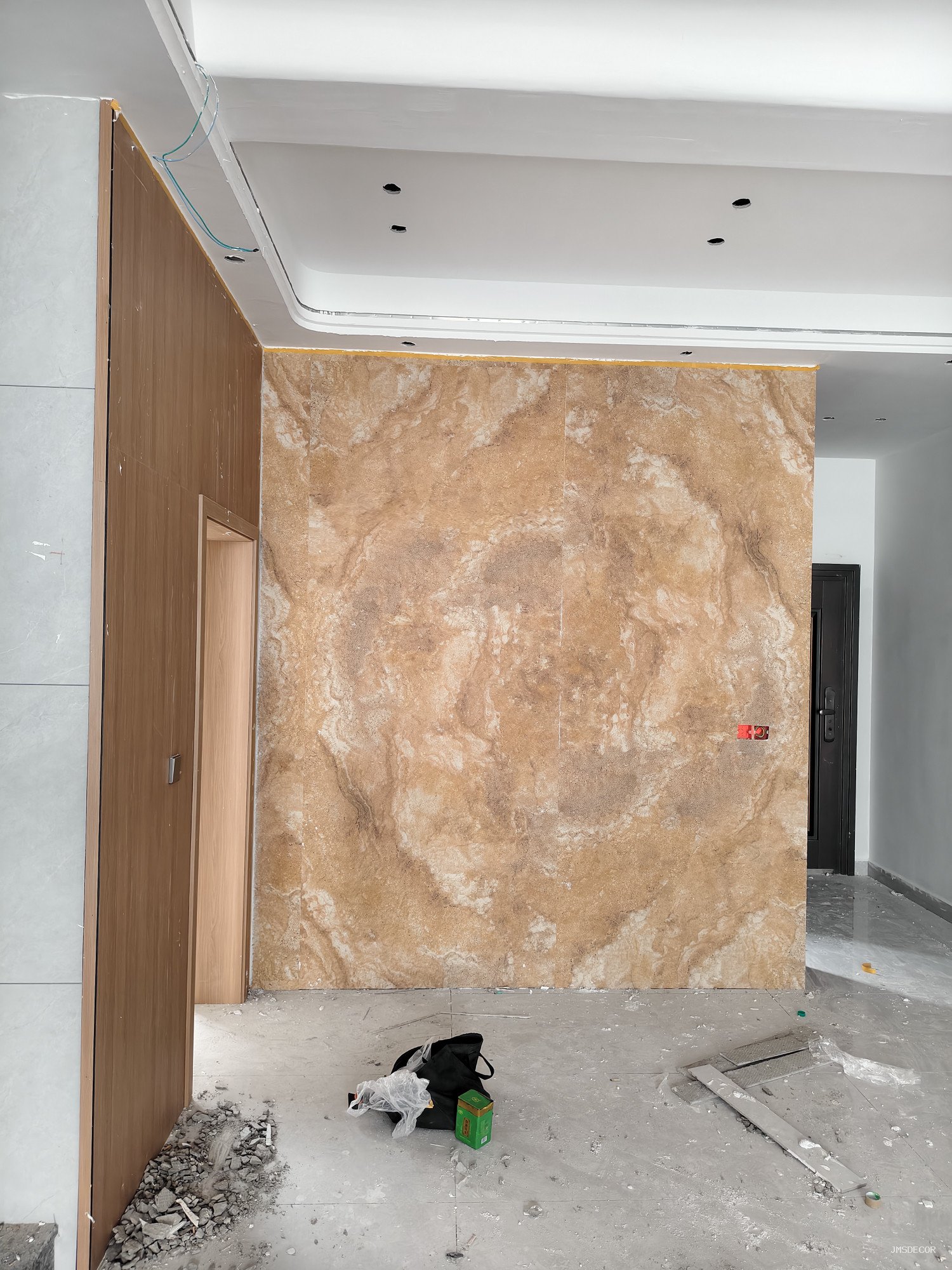
Some residues are invisible at handover and appear at the client’s first evening — the adhesive ghost that room lighting forgives and the wall washer exposes, the finger marks in the texture’s valleys, the cleaning product’s own film dried into the relief. The handover clean therefore ends with the raking-light pass described above, and where a ghost is found, the response is the measured one: alcohol pass for adhesive ghosts, a clean-water rinse for detergent films, and the sheen record for anything that persists. What the pass is not is a reason to escalate chemistry — most evening-visible ghosts are one more alcohol pass away from gone, and the impatient ones become the sheen scars our repair guide cannot fix.
Scheduling the pass at dusk, with the room’s actual lighting on, finds these residues when they can still be fixed. A handover clean performed in bright daylight inspects in the most forgiving light the wall will ever have, which is why the last hour of the job is scheduled against the sun rather than against the clock.
What the handover clean kit contains
The pass is quick because the kit is small and specific: isopropyl alcohol and the system’s approved adhesive remover for dwell work; neutral detergent and soft brushes for the wash; microfibre cloths in quantity — one per residue type, because a cloth that lifted adhesive smears it on the next panel; masking tape for protecting adjacent finishes during solvent work; the torch for the raking pass; and a white test cloth. What the kit never includes: blades, abrasive pads, acetone, and the confidence that comes from having cleaned other surfaces successfully — the printed mineral face is forgiving of solvents and unforgiving of friction, which is the one fact every person doing the pass needs to hold.
The kit lives in the same box as the spare-panel register and the care instruction — the handover file from our maintenance plan guide — because the residue pass is the first page of the wall’s maintenance life, and the tools that did it should be the tools that maintain it.
Why the handover clean belongs in the contract, not in goodwill
The residue pass is work — hours of it on a large project — and its absence from the contract is why it gets skipped, rushed, or argued about. The drafting fix is one line in the installation scope: the handover clean, specified as the residue-type pass with the raking-light inspection and the photographed baseline, per the clause logic in our 契約ガイド. What that line buys both sides is the handover standard: the client walks the wall with the photographs as the reference, and “clean” is what the pictures show, not what the mood says.
The same line protects the finisher from the trades that follow. A wall cleaned and photographed at handover is a wall whose later marks have a birth date — the scuffs and residues that appear after the photographs belong to whoever came after, and the baseline is what proves it. Protection schedules and handover photos are the same argument, made once and reused for the life of the wall.
FAQ
Can I use a heat gun to soften old adhesive?
No — concentrated heat on a thin bonded sheet risks the adhesive bed beneath the finish, not just the residue on it. Chemical dwell is slower and safe; heat is neither.
What removes construction dust from deep relief best?
The warm neutral wash with a soft brush, section by section, rinsed as you go. Compressed air pushes dust deeper into the texture; dry wiping drags it across the peaks.
How long do ghost lines from film take to relax?
Sheen differences under film relax with weeks of normal cleaning — the exact interval varies with the room. The rule is to record the ghost at final inspection and resist the abrasive temptation; time and the care regimen are the fix.
Who signs off the handover clean?
The installing crew, against the raking-light and cloth tests — with the photographs filed as the handover baseline. The client walks the wall with those photos as the reference, which is how “clean” becomes a documented standard instead of an opinion.
Plan the residue pass like a work stage, use the method per residue type, and inspect under raking light before you call it done. The care documentation for the range is on the flexible stone veneer page, and cleaning-chemical safety on site is published by OSHA.