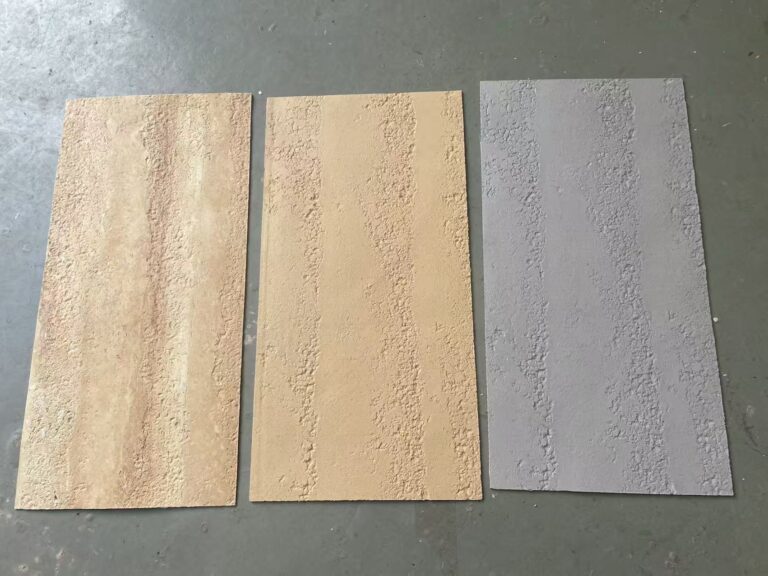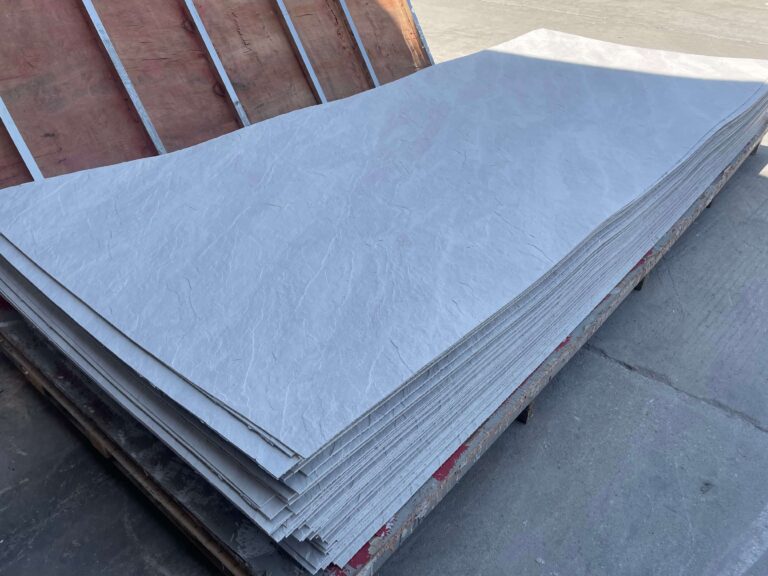
When a flexible stone wall fails, three parties look at each other: the supplier who made the panel, the installer who bonded it, and the main contractor who owned the programme. The failure is real — a hollow field, a delaminating edge, a tone mismatch across a seam — but the cause is rarely self-evident, because a bonded finish is a chain of handoffs and every handoff can break it. Assigning that failure fairly is a technical exercise, not a shouting match, and the parties who come out best are the ones who kept evidence at each handoff. This guide walks through the common failure modes, which party’s layer they belong to, and how to structure the project so the answer is knowable rather than negotiated.
Why flexible stone failures resist easy blame
A tile failure is often self-evident: a cracked tile with a hard spot behind it points at the substrate. Flexible stone hides its causes better, for two reasons. The sheet is thin and conforming, so a substrate defect expresses itself as a bond failure — the symptom appears in the installer’s layer while the cause sits in the builder’s. And the face is printed, so a tonal complaint can be a batch issue, a lighting issue, or an expectation issue, and no single look at the wall settles which.
The second reason is timing. The most expensive failures surface months after handover — hollows that develop as adhesive cures and seasons, edges that lift after the first winter — by which point the site is gone, the people have moved on, and the only remaining evidence is whatever was written down. That is why the honest answer to “who is liable” is usually “whoever can prove their layer was sound” — and why the evidence chain, not the contract’s blame paragraph, decides most real cases.
Which failures belong to the supplier’s layer?
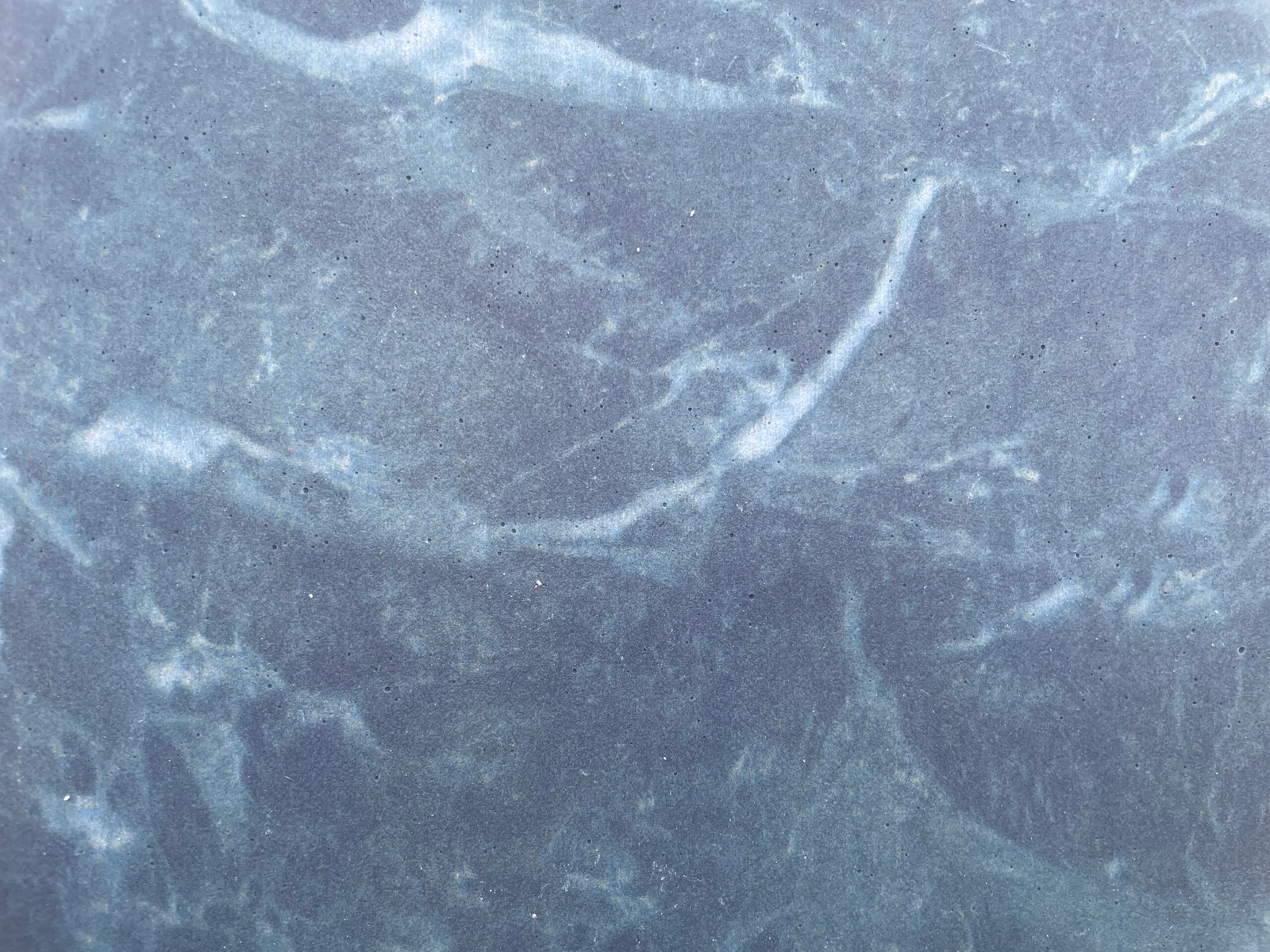
The supplier owns the material as manufactured and as documented. Failures that trace to that layer share a signature: the defect exists in the panel itself or in what the paperwork claimed about it.
- Tone or relief mismatch against the retained sample. If delivered panels differ from the sample both parties approved, that is a production drift and it belongs to the supplier — provided a retained sample exists to compare against.
- Batch inconsistency within one order. Panels from one shipment varying beyond the sample’s range point to the production run, not the installation.
- Declared fire class or composition not matching the documents. A COA that says one thing and a test report that says another is a supplier-layer failure by definition, and the most serious one on any commercial project.
- Face failure in normal service. Printed surface flaking, delaminating from the mesh without impact or water intrusion — a material failure, assuming the adhesive system was the approved one and the substrate passed its checks.
The common thread is documents. Every supplier-layer claim is argued with the retained sample, the batch COA, the pre-shipment photographs and the delivery packaging marks — the chain our container documents guide describes keeping intact from factory to site.
Which failures belong to the installer’s layer?
The installer owns the method: what adhesive, applied how, onto what preparation. Their signature failures are method outcomes.
- Hollow-sounding panels. The classic installer-layer symptom, usually from spot-bonding, skinned adhesive or an unverified substrate. A tap test map made at completion distinguishes “was hollow on the day” from “developed later” — both installer territory, but differently argued.
- Cracked or chipped cut edges. Face-side cutting, unsupported sheets, freehand cuts — workmanship signatures.
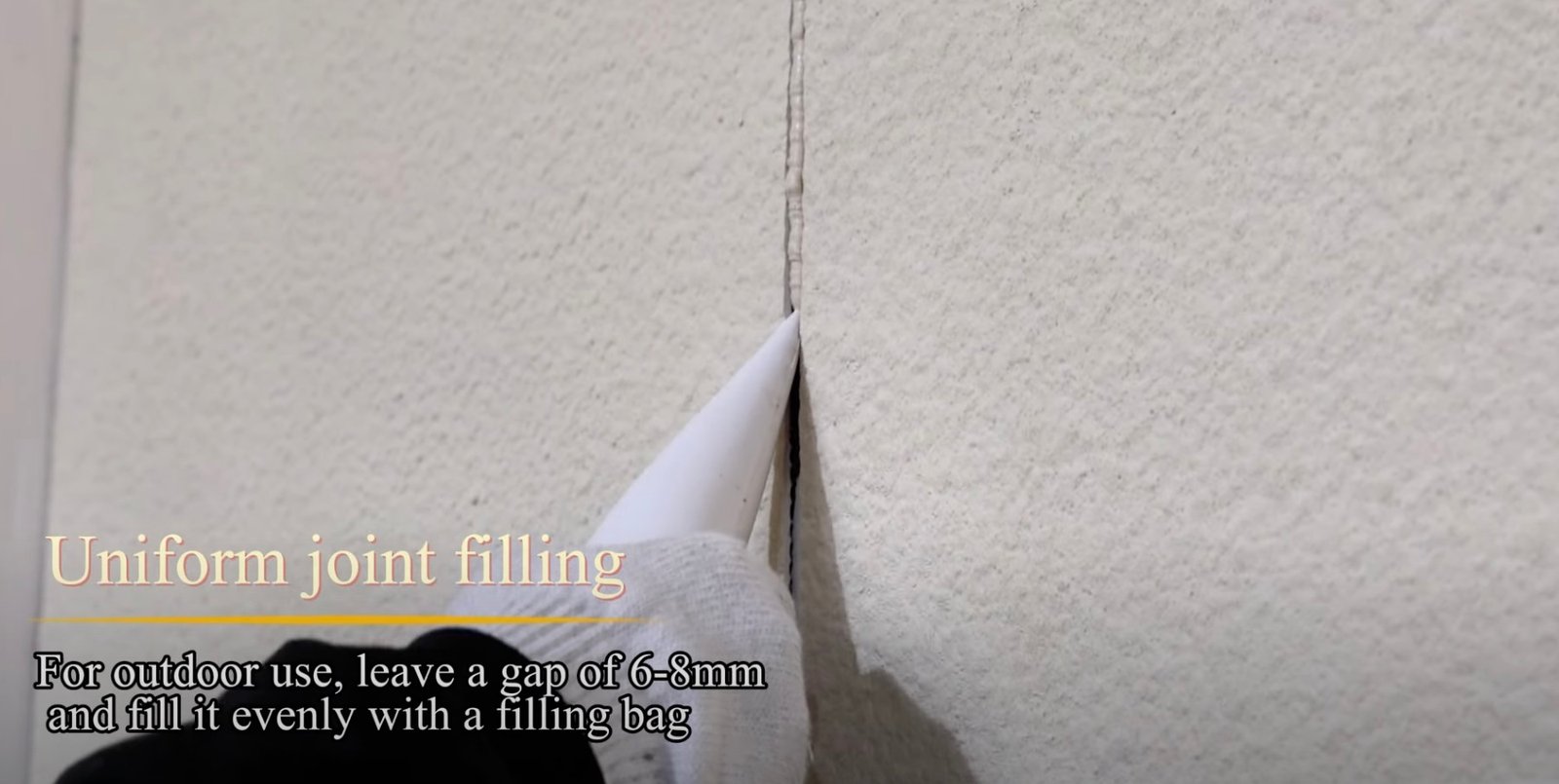
- Joints outside tolerance or pattern misalignment. Setting-out outcomes, visible and measurable.
- Adhesive not per the system. An unapproved adhesive or a coverage below the manual voids the installer’s position and, in most material warranties, the supplier’s too — which is why this specific deviation matters so much. The method standard is the manual, and it is contract paper under our contract clause guide.
Which failures belong to the main contractor’s layer?
The main contractor owns the wall before the finish arrives and the building around it. Their signature failures are inherited by the finish.
- Substrate movement or deflection. A wall that flexes after cladding cracks the stone along board joints — the symptom is in the finish, the cause is in the structure.
- Water from unbuilt details. A missing flashing, an unsealed penetration, a wet zone tanked after the cladding — water finds the bond line and the failure reads as adhesive, but the cause is upstream.
- Sequencing damage. Following trades leaning on, gluing to or drilling through a finished wall. The protection clause exists precisely to keep this assignable.
- Programme-induced shortcuts. Cladding ordered onto a schedule that forced the installer past open time or onto an unverified substrate. The pressure is a contractor decision; the wall records it.
How do you structure the project so liability is knowable?
Four practices turn an argument into an answer, and all four cost far less than one dispute. Retain a sample of the approved batch, sealed and dated, held by both buyer and supplier. Photograph the pre-shipment condition and the substrate at handover to the finish trade — two minutes at each handoff. Run the acceptance tests with records: lift-and-read at first fixing, tap-test map at completion, joint-width checks — the same evidence our субмиттал formalises. Write the layer ownership into the contract before the job, so the argument is decided by a clause instead of a relationship.
Projects that do these four things rarely have liability disputes, because when a wall fails, the records point at a layer rather than at a party’s wallet. Projects that skip them discover that the party with the best lawyer wins, which is a different system entirely.
Как на практике выглядит справедливое распределение ответственности?
Разбор примера показывает механизмы ответственности. На стене отеля при приёмке выявляются пустоты. Карта простукивания отмечает их в разрозненных точках по всей площади. Фотографии lift-теста после первичной фиксации показывают полную_transfer на тестовых листах. Акт приёмки основания фиксирует ровность по правилу. Клей был одобренным продуктом, приготовленным в рамках рекомендованного времени. Пустоты группируются в тех местах, где облицовка стены проводилась в два самых жарких дня программы. Задача не риторическая: время открытой выдержки превышено при условиях на площадке, которые подрядчик не контролировал — устранение заключается в снятии и повторной установке затронутых панелей за счёт монтажника, однако основной генподрядчик делит с ним риски срыва сроков, так как документация показывает источник давления. Этот вывод возможен только потому, что каждый этап оставил следы; без них те же пустоты стали бы «словом против слова» между тремя сторонами, и пришлось бы решать, чьи показания весить больше.
Как три слоя взаимодействуют при одном виде разрушения?
Реальные стены часто разрушаются по цепочке, а не из-за одной ошибки, и честное распределение ответственности должно это признавать. Рассмотрим типичную картину, повторяющуюся на внешних фасадах и во влажных зонах: основание было сдано поздно и с неровностями, монтажник приклеил панели в условиях сжатых сроков с уменьшенной площадью покрытия, а партия поставщика прибыла с COA, соответствующим образцу, но без фотографий перед отгрузкой. Когда после первой зимы на месте появляются пустоты, вклад каждой стороны имеет основания, и каждая из защит — отчасти справедлива. Основание вышло за пределы допусков; покрытие не следовало сокращать ради соблюдения сроков; одни лишь документы не могли доказать состав отгруженной партии.
Урок не в том, что вину невозможно установить, а в том, что она нарастает по цепочке: устраните любое звено — отказ от приёмки основания, сдвиг графика или набор фото до отгрузки — и разрушение не произойдёт. Договоры, которые полностью возлагают ответственность на сторону с наименее надёжными доказательствами, дают худшие результаты именно на таких цепочках, потому что у этой стороны обычно меньше оснований не доверять другим. Цепочка, а не плитка, является единицей разрушения, и документы на каждом этапе передачи — это то, что позволяет разобрать её честно.
Часто задаваемые вопросы
Стена разрушилась, но никто не вёл документацию. Что теперь?
Восстановите всё, что возможно: партию клея — из складских записей, фотографии — за любой этап, маркировку упаковки — по остаткам от раскроя. Затем согласуйте вскрытие для экспертизы: поднимите одну-две повреждённые панели и изучите их обратную сторону. Рисунок клея на обороте обычно рассказывает историю: полная transfer при осыпании основания указывает на причину выше по цепи, редкие полосы — на нарушение технологии. Это слабее, чем Contemporaneous records, но это доказательство.
Можно ли потребовать гарантии с поставщика, если монтажник использовал другой клей?
Почти никогда. Гарантии на материалы действуют при условии использования утверждённой системы, и применение неодобренного клея даёт поставщику полное основание для отказа. Именно поэтому метод монтажа — это условие договора, а не рекомендация.
Кто оплачивает расследование, когда принадлежность ответственности не ясна?
Commonly the party alleging defect pays for the opening and the finding party pays the repair — agreed in advance if possible. Some contracts split investigation costs until responsibility is assigned, which keeps the opening from becoming a stalling tactic.
Does the main contractor ever carry a finish failure directly?
Yes — whenever the cause sits in their layer: substrate movement, water from unbuilt details, or sequencing damage. The tap-test map and substrate records are what move a failure from the installer’s account to theirs.
Keep the sample, photograph the handoffs, test with records, and write layer ownership into the contract before the first sheet is bonded. The material’s own specifications live on the flexible stone veneer page, and general construction-contract practice in North America is published by bodies such as AGC.