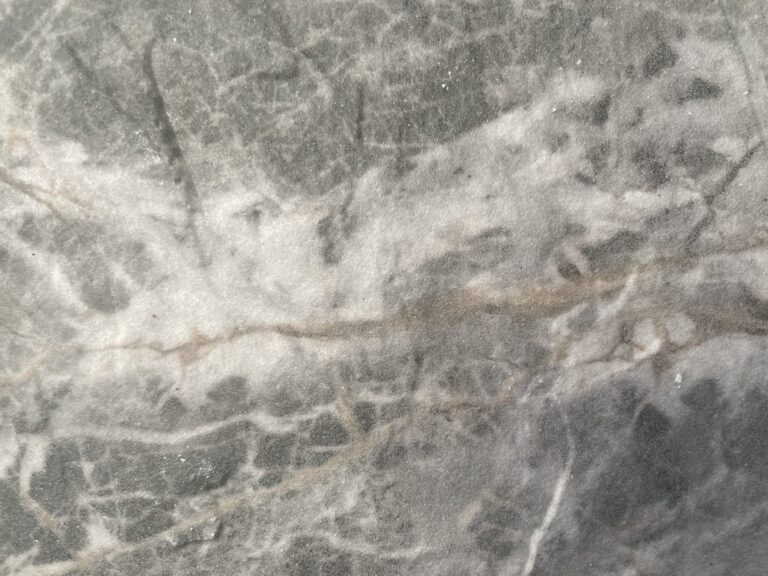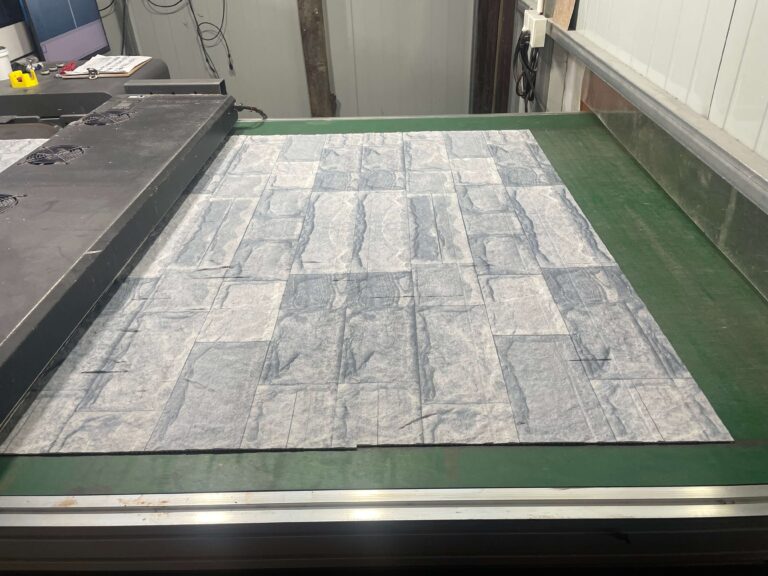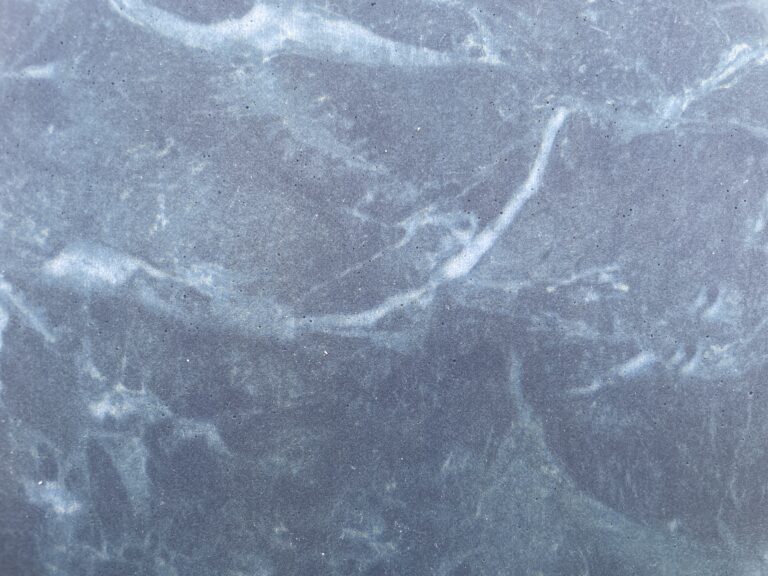
When a flexible stone wall fails, three parties look at each other: the supplier who made the panel, the installer who bonded it, and the main contractor who owned the programme. The failure is real — a hollow field, a delaminating edge, a tone mismatch across a seam — but the cause is rarely self-evident, because a bonded finish is a chain of handoffs and every handoff can break it. Assigning that failure fairly is a technical exercise, not a shouting match, and the parties who come out best are the ones who kept evidence at each handoff. This guide walks through the common failure modes, which party’s layer they belong to, and how to structure the project so the answer is knowable rather than negotiated.
Why flexible stone failures resist easy blame
A tile failure is often self-evident: a cracked tile with a hard spot behind it points at the substrate. Flexible stone hides its causes better, for two reasons. The sheet is thin and conforming, so a substrate defect expresses itself as a bond failure — the symptom appears in the installer’s layer while the cause sits in the builder’s. And the face is printed, so a tonal complaint can be a batch issue, a lighting issue, or an expectation issue, and no single look at the wall settles which.
The second reason is timing. The most expensive failures surface months after handover — hollows that develop as adhesive cures and seasons, edges that lift after the first winter — by which point the site is gone, the people have moved on, and the only remaining evidence is whatever was written down. That is why the honest answer to “who is liable” is usually “whoever can prove their layer was sound” — and why the evidence chain, not the contract’s blame paragraph, decides most real cases.
Which failures belong to the supplier’s layer?
The supplier owns the material as manufactured and as documented. Failures that trace to that layer share a signature: the defect exists in the panel itself or in what the paperwork claimed about it.
- Tone or relief mismatch against the retained sample. If delivered panels differ from the sample both parties approved, that is a production drift and it belongs to the supplier — provided a retained sample exists to compare against.
- Batch inconsistency within one order. Panels from one shipment varying beyond the sample’s range point to the production run, not the installation.
- Declared fire class or composition not matching the documents. A COA that says one thing and a test report that says another is a supplier-layer failure by definition, and the most serious one on any commercial project.
- Face failure in normal service. Printed surface flaking, delaminating from the mesh without impact or water intrusion — a material failure, assuming the adhesive system was the approved one and the substrate passed its checks.
The common thread is documents. Every supplier-layer claim is argued with the retained sample, the batch COA, the pre-shipment photographs and the delivery packaging marks — the chain our container documents guide describes keeping intact from factory to site.
Which failures belong to the installer’s layer?
The installer owns the method: what adhesive, applied how, onto what preparation. Their signature failures are method outcomes.
- Hollow-sounding panels. The classic installer-layer symptom, usually from spot-bonding, skinned adhesive or an unverified substrate. A tap test map made at completion distinguishes “was hollow on the day” from “developed later” — both installer territory, but differently argued.
- Cracked or chipped cut edges. Face-side cutting, unsupported sheets, freehand cuts — workmanship signatures.
- Joints outside tolerance or pattern misalignment. Setting-out outcomes, visible and measurable.
- Adhesive not per the system. An unapproved adhesive or a coverage below the manual voids the installer’s position and, in most material warranties, the supplier’s too — which is why this specific deviation matters so much. The method standard is the manual, and it is contract paper under our contract clause guide.
Which failures belong to the main contractor’s layer?
The main contractor owns the wall before the finish arrives and the building around it. Their signature failures are inherited by the finish.
- Substrate movement or deflection. A wall that flexes after cladding cracks the stone along board joints — the symptom is in the finish, the cause is in the structure.
- Water from unbuilt details. A missing flashing, an unsealed penetration, a wet zone tanked after the cladding — water finds the bond line and the failure reads as adhesive, but the cause is upstream.
- Sequencing damage. Following trades leaning on, gluing to or drilling through a finished wall. The protection clause exists precisely to keep this assignable.
- Programme-induced shortcuts. Cladding ordered onto a schedule that forced the installer past open time or onto an unverified substrate. The pressure is a contractor decision; the wall records it.
How do you structure the project so liability is knowable?
Four practices turn an argument into an answer, and all four cost far less than one dispute. Retain a sample of the approved batch, sealed and dated, held by both buyer and supplier. Photograph the pre-shipment condition and the substrate at handover to the finish trade — two minutes at each handoff. Run the acceptance tests with records: lift-and-read at first fixing, tap-test map at completion, joint-width checks — the same evidence our 제출 문서 가이드 formalises. Write the layer ownership into the contract before the job, so the argument is decided by a clause instead of a relationship.
Projects that do these four things rarely have liability disputes, because when a wall fails, the records point at a layer rather than at a party’s wallet. Projects that skip them discover that the party with the best lawyer wins, which is a different system entirely.
What does a fair claim look like in practice?
A worked example shows the machinery. A hotel wall shows hollows at handover. The tap-test map marks them at scattered positions across the field. The lift-test photographs from first fixing show full transfer on the test sheets. The substrate handover record shows a straightedge pass. The adhesive was the approved product, mixed within its window. The hollows cluster where the wall was clad on the two hottest afternoons of the programme. The assignment is not rhetorical: open time was exceeded under site conditions nobody controlled — the remedy is removing and resetting the affected panels at the installer’s cost, but with the main contractor sharing the programme risk it created, because the record shows where the pressure came from. That outcome is only reachable because every layer left evidence; without it, the same hollows would have been a flat argument between three parties about whose word counted.
How do the three layers interact in one failure?
Real walls often fail through a chain, not a single mistake — and honest assignment has to say so. Consider the pattern that recurs on exterior and wet-zone jobs: the substrate was handed over late and uneven, the installer bonded to it under programme pressure with a reduced coverage, and the supplier’s batch arrived with a COA that matched the sample but no pre-shipment photographs. When the field hollows after the first winter, each layer contributed and each defence is partly true. The substrate was out of tolerance; the coverage should never have been reduced to keep the date; the paperwork alone could not prove what shipped.
The lesson is not that blame is impossible but that it compounds: fix any one link — a substrate rejection, a schedule slip, a pre-shipment photo set — and the failure does not happen. Contracts that allocate the failure wholly to the party holding the weakest evidence produce the worst outcomes on exactly these chains, because the weakest-evidence party is usually the one who trusted the others. The chain, not the tile, is the unit of failure, and the records at each handoff are what let it be taken apart honestly.
자주 묻는 질문
The wall failed but nobody kept records. Now what?
Reconstruct what can be reconstructed: adhesive batch from site stores, photographs from any stage, packaging marks from offcuts. Then agree a forensic opening — lift one or two affected panels and read the back. The adhesive pattern on the back usually tells the story: full transfer with crumbled substrate points upstream, sparse ridges point at method. It is weaker than contemporaneous records but it is evidence.
Can the supplier’s warranty be called when the installer used a different adhesive?
Almost never. Material warranties are conditioned on the approved system, and an unapproved adhesive hands the supplier a complete defence. That is precisely why the method is contract paper, not a suggestion.
Who pays for the investigation when ownership is unclear?
일반적으로 결함 주장 쪽이 개방 비용을 부담하고, 발견 쪽이 수리 비용을 부담합니다. 가능하면 사전에 합의를 보는 것이 좋습니다. 일부 계약에서는 책임 소재가 확정될 때까지 조사 비용을 분담하여, 개방이 지연 수법이 되는 것을 방지합니다.
종합 도급업체가 마감 불량을 직접 책임지는 경우가 있습니까?
네 — 원인이 그들의 공정 단계에 있을 때입니다. 기판 변위, 시공되지 않은 디테일로 인한 배수, 또는 순서 위반으로 인한 손상 등이 그 사례입니다. 두드림 시험 결과도와 기판 기록이 바로 그 불합을 설치업체 책임에서 그들이 책임져야 할 문제로 전환시키는 근거가 됩니다.
샘플을 보관하고, 인계 지점을 촬영하며, 기록과 함께 시험을 수행한 뒤, 첫 시트 본딩 전에 계약서에 공정별 책임 소재를 명시해야 합니다. 자재의 자체 규격사항은 flexible stone veneer 페이지에 표기되어 있으며, 북미의 일반 건설 계약 관행은 AGC.