분석증서(COA)와 제3자 검사는 종종 동일한 보장 수단의 두 버전으로 취급됩니다. 하지만它们是 아닙니다. COA는 배치 문서로, 특정 생산 라인의 샘플에서 공장이 측정한 내용을 기록합니다. 제3자 검사는 컨테이너에 실제로 들어있는 제품에 대한 독립적인 확인입니다. 유연석을 다룰 때 가장 의외의 문제는 바로 이 두 가지 사이의 간극에서 발생합니다. COA가 정확하더라도 선적 결과가 잘못될 수 있습니다. 이 가이드에서는 각 문서가 증명하는 내용, 해당 제품 검사 시 inspектор가 반드시 점검해야 할 항목, 그리고 추가 비용을 지불할 가치가 있는 경우에 대해 설명합니다.
유연석 COA는 정확히 무엇을 인증합니까?
당사 COA는 특정 배치에 대한 품질 분석 보고서입니다. 패널 샘플의 재료 조성, 화재 시험 데이터, 투수성 수치 등을 기록합니다. 이는 실제 측정값을 담은 실 document이며, 프로젝트에서 배치 추적성을 요구할 때 유용한 증거 자료로 활용됩니다.
COA가 인증하는 범위는 대부분의 구매자가 생각하는 것보다 좁습니다. 공장이 선택하여 측정하는 특성, 공장이 추출한 샘플, 그리고 공장이 식별하는 배치로 한정됩니다. COA는 컨테이너 내 모든 패널이 해당 배치에서 나왔음을 인증하지 않으며, 포장이 적절히 보호했는지, 또는 고객이 승인한 샘플과 색상이 일치하는지 여부도 증명하지 않습니다. 이는 다른 질문들이며 COA는 이에 답하도록 설계되지 않았습니다.
이것은 COA에 대한 비판이 아니라 정의입니다. COA는 배치 기록이며, 배치 기록의 신뢰도는 문서와 현재 눈앞에 있는 패널 간의 연결 고리가 얼마나 확실하느냐에 따라 달라집니다.
COA로는 알 수 없는 것은 무엇입니까?
표준 COA에는 없는 5가지 사항이 있으며, 각각 컨테이너 도착 지점에서 매우 중요합니다.
- 패널이 COA에 기재된 배치와 일치하는가?. 문서에는 배치 A가 명시되어 있으나 팔레트에는 배치 B가 표시될 수 있습니다. 라벨과 검사를 통해서만 이 두 가지를 연결할 수 있습니다.
- 수량이 정확한가?. COA는 패널 수, 팔레트 수, 평방미터를 계산하지 않습니다.
- 포장이 손상 없이 배달되었는가?. 눌린 모서리, 젖은 포장, 훼손된 라벨은 COA에서는 확인할 수 없습니다.
- 색상이 당사가 승인한 샘플과 일치하는가?. COA에는 규격 이내의 조성이 보고되더라도, 인쇄된 표면은 고객이 서명한 샘플에서 벗어났을 수 있습니다.
- Whether the panels are fit for your substrate and installation. A COA describes the product, not the compatibility of your wall, adhesive, or climate.
None of these gaps mean the COA is unreliable. They mean it answers a different question than the one buyers usually ask at shipment.

What should a third-party inspector check on flexible stone?
An inspector who treats flexible stone like tile or stone slab will miss the points that matter. The brief should name the product and the checks:
| Check | What to verify |
|---|---|
| Batch identity | Batch number on the COA, packing list, and pallet labels agree |
| 수량 | Panel count and square metres per pallet match the packing list |
| 두께 | Measured at several points per panel and compared with the declared band for the pattern |
| 중량 | Sample weighed and converted to kg/m² against the declared range |
| 치수 | Sheet size against the ordered format |
| Bend behaviour | A corner flexed over a cylinder, checked for cracks or delamination |
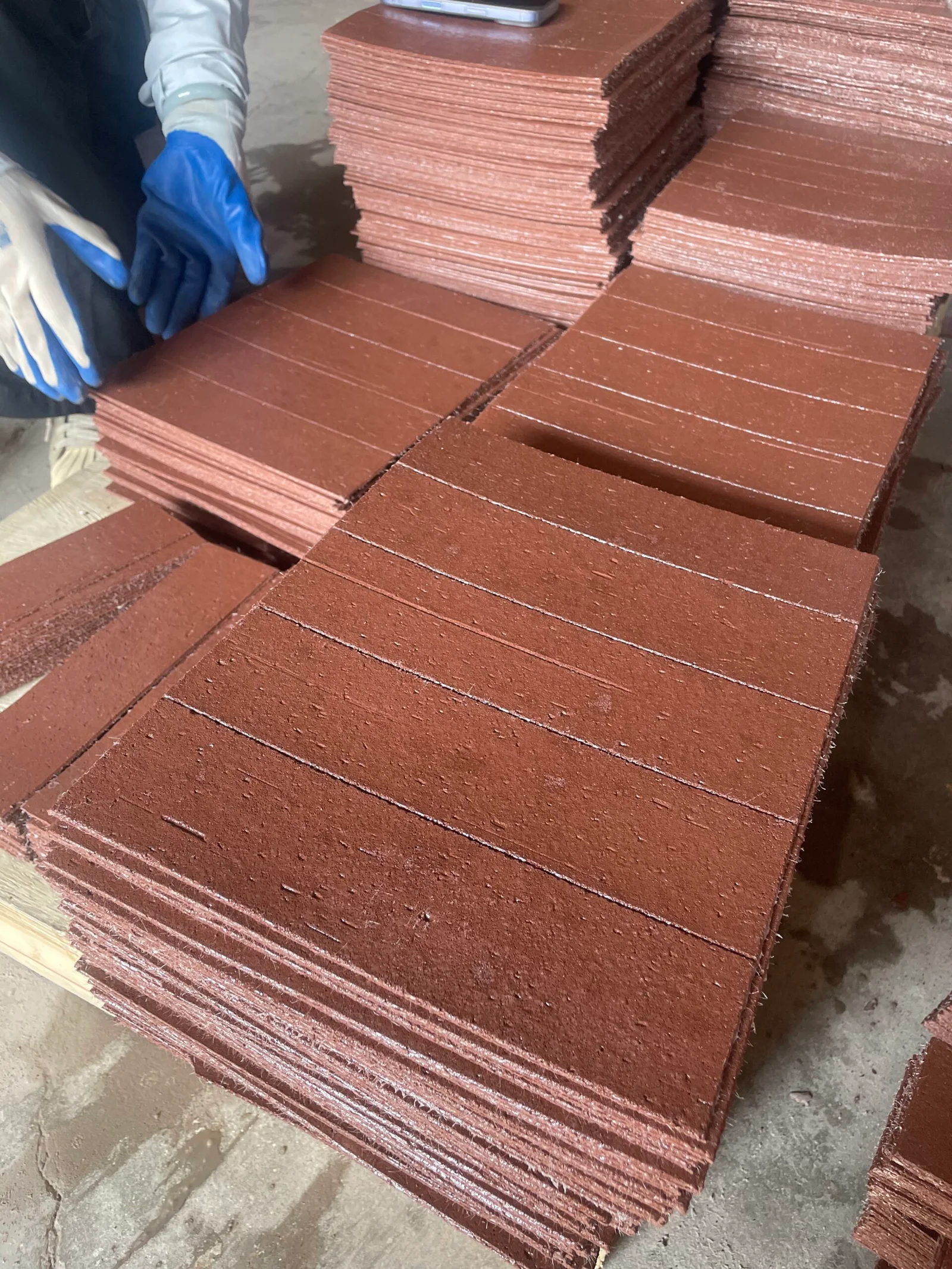
| Backing | Fiberglass mesh coverage and separation at the cut edge |
| Colour and pattern | Compared with the retained approved sample under daylight |
| 포장 | Corner protection, interleaving, strapping, moisture, labels |
These are the checks that connect the document to the delivery. They are also the checks a generic “container inspection” may skip if the inspector has not been briefed on the product.
When is a third-party inspection worth paying for?
Pay for independence when the cost of a bad batch is high relative to the inspection fee. That usually means one or more of the following:
- First order with a new supplier. You have no history and no retained sample from a previous run.
- Custom colour or custom pattern. The approved reference is a physical sample, and the risk of drift is highest on custom work.
- Project with a submittal and a visible feature wall. The material has to match an approved sample that the client, architect, or GC has already seen.
- Large or single-batch order. One container is one decision; a defect spread across the batch is expensive to remedy after installation.
- Supplier refuses access or documentation. A refusal is itself a signal, and it is cheaper to learn it before the balance is paid.
On a repeat order with a supplier you know, a retained sample, and a batch record, the inspection can be lighter: a document check, a spot check of thickness and weight, and photographs of the closed packs. The point is not to inspect everything every time; it is to match the check to the risk.
What should factory QC records show before you skip the third party?
In-house QC can be a legitimate substitute on a repeat order, but only if the records are real. Ask for the inspection record for the last two or three batches: the sample size, the measured thickness and weight values, the defect counts by category, the photographs, the inspector’s name, and the date. A record that changes with the batch is evidence; a record that is an identical template with no numbers is decoration.
Look for variation. A factory that measures honestly will show some spread — a batch slightly above the nominal thickness, a colour reading near the edge of the tolerance. A record where every value is perfect is either a summary rather than raw data, or not a measurement at all. Ask which it is.
ISO 9001 is useful context here, but it certifies a quality-management system, not the flexible stone in your container. The certificate tells you the factory has a process; the batch record tells you whether the process worked on this run.
When is a COA plus photographs enough?
A COA plus dated photographs can be sufficient when four conditions hold: the supplier is known, the product is a repeat of an approved batch, the COA is batch-specific and matches the labels, and the photographs show the pack, the corners, the interleaving, and the labels. In that case the residual risk is mostly handling damage, which the photographs and the delivery receipt can catch.
This is a judgment, not a rule. If the project is a hotel lobby, a custom colour, or a first order, the lighter path is a false economy. The 유연한 석재 베니어 제품군 lists the formats and data sheets the inspector will work from. The submittal package guide shows what the project reviewer will expect, and the container documents guide covers the paperwork side.
How do I brief an inspector who has never seen flexible stone?
Give the inspector the product data sheet, the approved sample, the purchase order, and a one-page brief with the checks in the table above. Name the declared thickness and weight bands for the pattern, the minimum bend radius, and the packaging specification. Ask for measurements, not adjectives: thickness in millimetres, weight in kg/m², dimensions in millimetres, and photographs of the batch label in the same frame as the material.
Two instructions are worth stating explicitly. First, do not test the bend by folding a panel sharply; flex it over a radius and inspect the face and the backing. Second, do not accept a “representative” pallet chosen by the factory; draw the sample across pallets. The inspection is only independent if the sample is.
The fire documentation is a separate scope. A product report such as ASTM E84 Class A or EN 13501-1 A2 identifies the tested product and thickness; the ASTM E84 test method 연소확산 및 연기 지표 산출 방법을 정의합니다. 검사관은 보고서가 제품과 일치하는지 확인할 수 있으나, 이 보고서는 조립체 승인을 의미하지 않습니다.
검사 보고서에는 어떤 내용을 포함해야 하나요?
실용적인 보고서는 실행 가능할 만큼 간결해야 합니다. 구매 발주서 및 로트 번호, 검사자명과 검사일자, 샘플 규격 및 채취 방법, 제시된 허용 오차 대비 측정치, 카테고리별 불량 수, 로트 라벨이 보이는 사진, 합격/불합격 결론, 그리고 요구된 시정 조치를 포함해야 합니다. 이 보고서를 품질인증서(COA)와 승인 샘플과 함께 보관하고, 다음 주문에도 동일한 형식을 사용해 수치 비교가 가능하도록 유지하십시오.
자주 묻는 질문
품질인증서(COA)는 시험 보고서와 동일합니까?
아닙니다. COA는 생산 배치에서 측정된 결과를 기록한 배치 이력서입니다. 시험 보고서는 ASTM E84 또는 EN 13501-1 보고서처럼 제품이 특정 시험 방법에서 어떻게 평가되었는지 보여주는 제품 및 기준 문헌입니다.
품질인증서(COA)로 제3자 검사를 대체할 수 있습니까?
저위험 반복 주문량에 대한 필요성을 줄일 수는 있지만, Quantity, 포장 상태, 파레트 위의 로트 식별, 그리고 당사 샘플 대비 색상 일치 여부는 확인할 수 없습니다. 이러한 항목은 실제 검사나 사진 제출 plus 문서 검토가 필요합니다.
검사 비용은 누가 부담해야 합니까?
일반적으로 구매자가 부담합니다. 검사는 구매자의 수용 판단을 보호하기 위한 것이기 때문입니다. 일부 공급업체는 대량 주문량에 대해 비용을 공동 부담하기도 합니다. 이는 품질 원칙이 아닌 상업적 협상의 영역입니다.
공급업체가 검사를 거부하면 어떻게 해야 합니까?
이를 위험 신호로 간주하십시오. 거부의 이유를 질문하고, 대안으로 비디오 검사를 제안하며, 독립적인 검증 없이 주문을 진행해도 될지 다시 고려하십시오. 숨길 것이 없는 공급업체는 대부분의 경우 합리적인 검사를 수락합니다.
검사가 시공 성공을 보장합니까?
아닙니다. 검사는 지정된 사양과 승인 샘플 대비 납품 자재의 적합성을 검증할 뿐입니다. 시공 성공은 또 다른 검사 항목인 기판 상태, 접착제, 디테일링, 그리고 작업 기술 등 여러 요소에 따라 달라집니다.