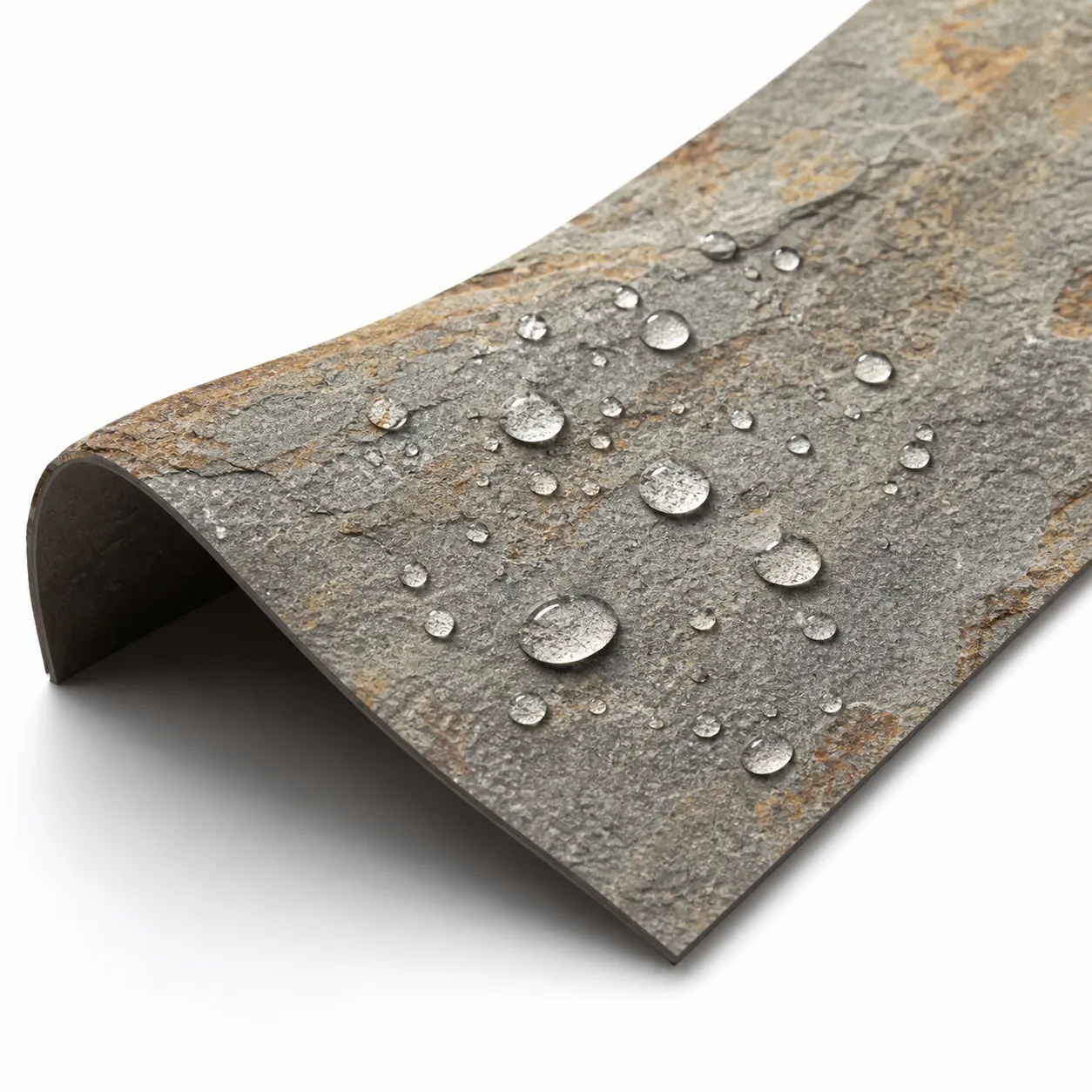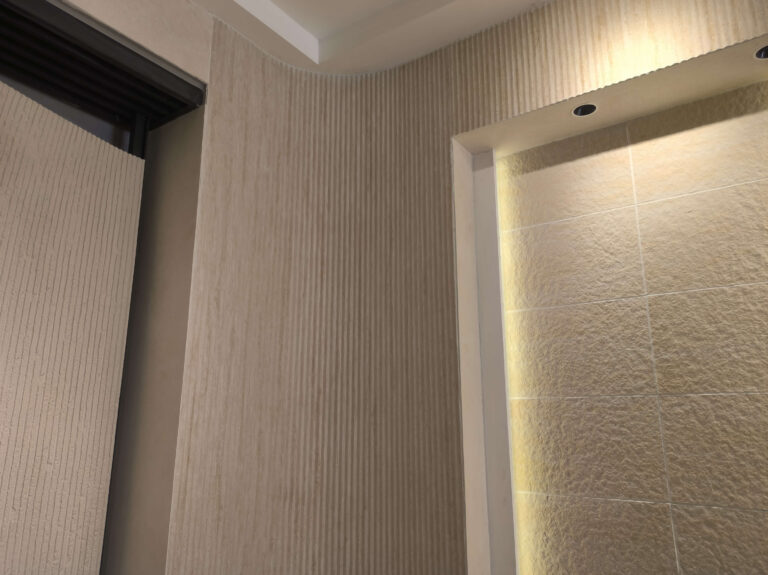
많은 가정집 주인들은 천연 슬레이트의 깊이감 있는 질감을 높이 평가하지만, 무거운 무게와 까다로운 시공 과정에서 주저하곤 합니다. 유연한 슬레이트 타일은 무거운 노동 없이도 진정한 석재 표면을 선사하는 문제 해결책입니다.
이 가이드는 방수 패널이 어떻게 가볍고 절단하기 쉬우며, 그리드 사용 유무에 상관없이 빠르게 설치할 수 있도록 설계되었는지 파헤쳐, 백스플래시, 바닥, 특장벽 모두에서 전문가 수준의 결과물을 손쉽게 얻는 방법을 알려드립니다.
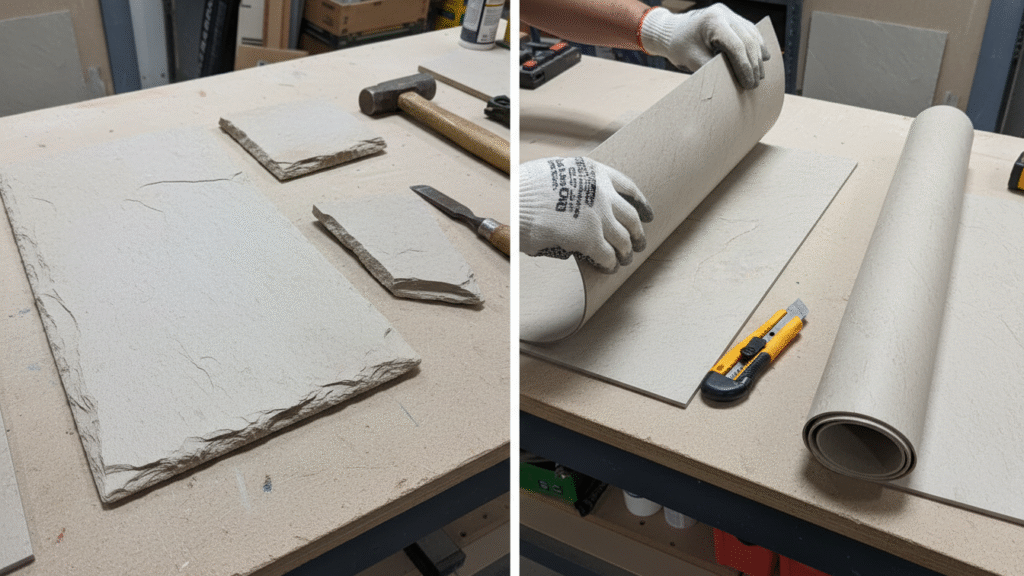
천연 슬레이트 타일의 매혹 (그리고 DIY의 두려움)
천연 슬레이트는 독특한 질감과 오랫동안 지속되는 구조적 가치로 선호되는 선택입니다. 하지만 복잡하게 얽힌 시공 난이도는 수많은 DIY 사용자와 소규모 프로젝트 팀을 아직도 위협합니다. 이러한 강점과 처리의 한계를 모두 인식하면, 진정한 마감의 재현과 함께 설치 및 물류 프로세스를 획기적으로 단순화한 유연 슬레이트 대체재에 대한 수요가 지속적으로 증가하는 이유가 명확해집니다.
천연 슬레이트의 내구성과 장기적인 가치
슬레이트 타일은 바닥재 및 지붕 적용 분야에서 50~100년의 놀라운 수명을 자랑합니다. 이 내구성으로 인한 교체 횟수 감소는 수명 주기 가치 강화에 기여하며, 이는 예측 가능한 유지 관리 비용과 장기적인 투자 수익률(ROI)을 추구하는 조달 담당자와 시설 관리자로서 핵심 지표를 충족시킵니다. 상업용이나 다세대 프로젝트에서 그 회복탄력성은 자산 안정성을 높이고 수리 예산을 줄이며, 운영 연속성을 보호합니다. 슬레이트 선택은 미학적 판단이자 금융적 결정으로, 프로젝트 효율성과 재료 무결성을 한층 더 강화합니다.
디자인 분야에서의 미학적 매력과 다채로운 활용성
짙은 회색부터 초록빛, 녹슨 적색에 이르기까지 세련된 질감과 자연스러운 색조 변화는 디자이너들이 실내외 표면 전반에 깊이감과 대비감을 조성할 수 있도록 허용합니다. 각 타일의 미세한 변화는 확고부동한 진정성을 자아냅니다. 슬레이트는 역사적인 외관에서부터 미니멀한 인테리어에 이르기까지 다양한 컨셉과 완벽하게 어우러져 브랜드와 개발업자가 장인정신, 영속성, 높은 디자인 가치를 신호한다고 신호하는데 도움을 줍니다. 특장벽이나 외벽에 적용 시, 이는 합성 옵션이 거의 달성하지 못하는 고급스러운 시각적 정체성을 선사합니다.
성능, 유지 관리 및 친환경적 혜택
습기, 화재, 극심한 기온 변화에 대한 천연 저항성으로 인해 슬레이트는 실외와 실외 환경 모두에 적합합니다. 균열, 스크래치, 칩 발생에 저항하는 능력에서 많은 세라믹 또는 비닐 대체재를 능가하여 유지 관리 비용을 예측 가능하고 최소화하며 유지합니다. 화학적 배출물이 없는 천연 성분은 지속 가능성 프로그램과 그린 빌딩 인증 목표 달성을 지원합니다. B2B 구매자에게 있어 슬레이트의 환경적 신뢰성은 프로젝트 입찰을 강화하고, 환경 의식에 민감한 시장에서 브랜드 포지셔닝을 향상시킵니다.
DIY의 두려움: 취급 및 설치의 어려움
프리미엄 속성을 갖추었음에도 천연 슬레이트는 고급 설치 기술이 필요합니다. 무거운 중량은 하부 바닥에 부하를 줄 수 있으며 보강 구조물을 요구해 비용과 운송 complexities가 증가합니다. 타일 절단 및 맞춤 작업은 균열 방지를 위해 다이아몬드 공구와 숙련된 기술이 필요하며, 약간의 기초 면 불규칙성도 층 분리나 정렬 불량을 유발하여 작업 시간과 폐기물을 증가시킵니다. 이러한 현실들로 인해 DIY 사용자는 합리적인 비용으로 진정한 석재 미학을 원해도 고체 슬레이트를 채택하지 못합니다.
유연한 슬레이트 타일 솔루션을 위한 시장 기회
슬레이트의 매력과 취급 장벽 사이의 간격은 유연한 슬레이트 타일 시스템에 대한 명확한 시장을 형성했습니다. 이薄薄的인 천연 석재 표면은 진정한 질감과 색상을 유지하면서도 두께가 몇 밀리미터에 불과합니다. 경량형 포맷은 일반 도구로 절단 가능하고 설치가 쉬워_shipping_ 및 인건비 both을 절감시켜 줍니다.
JMS Decor에서는 계약자와 유통업체들이 유연한 슬레이트 패널을 확대 적용하여 한때 석재를 배제했던 프로젝트—고층 건물 실내, 곡면 마감, 또는 빠른 준공 소매 공간 등—에 천연 슬레이트 미학을 제공하고 있습니다. 조달 리더들에게 이 카테고리는 재료의 진실성과 프로젝트 효율성, 그리고 DIY 채널로의 접근성을 결합한 것입니다.
“유연한 슬레이트 타일'이란 무엇입니까?
유연한 슬레이트 타일 프로젝트 관리자 및 자재 구매자에게는 무겁고 비싸며 설치가 복잡한 전통적 슬레이트 없이도 천연 석재의 외관을 제공합니다. 이는 진정한 석재 미학과 첨단 복합재를 결합하여 건축가와 디자이너들이 더욱 많은 응용 분야에 자연 슬레이트를 덜 복잡한 물류 부담으로 사용할 수 있게 합니다.
정의 및 구성
각 유연한 슬레이트 타일은 일반적으로 1–5mm 두께의 진짜 슬레이트 얇은 층이 유리섬유, 폴리에스터 또는 수지 같은 유연한 기반으로 결합되어 구성됩니다. 이 복합재료는 슬레이트의 자연스러운 질감과 색상을 보존하면서 무게는 최소화합니다. 건축업자들에게 이는 더 쉬운 취급, 낮은 운송 비용, 그리고 천연 석재의 진위성을 잃지 않고 표면에 곡선 처리가 가능하다는 것을 의미합니다.
주요 특징과 혜택
유연한 슬레이트 타일은 기존 석재보다 약 80–90% 가볍습니다, 운송비를 절감하고 중량을 견디기 어려운 표면까지 적용 범위를 넓힙니다. 탄력성 덕분에 곡면이나 불규칙한 구조물에도 설치할 수 있으며, 기둥, 아치, 기능 벽면의 이음매 없는 연속 마감도 가능합니다. 설치에 필요한 공구와 인력이 적게 들어 프로젝트 기간을 단축시킵니다. 가벼운 무게에도 균열, 습기, 화재, 자외선에 강해 실내외 어디에나 적합합니다.
일반 적용 분야
건축가와 디자이너는 표준 석재가 너무 무겁거나 딱딱해 적용이 어려운 벽면 피복, 외관, 가구 표면, 리모델링 프로젝트에 유연한 슬레이트 타일을 지정합니다. 곡선 디자인에 자연스럽게 밀착되며 이음매나 응력 자국 없이 일관되고 자연스러운 마감을 실현합니다.
제조 공정
생산은 천연 슬레이트를 초박형 시트로 분리한 뒤 강화섬유나 수지 같은 유연한 베이스에 접합하는 방식으로 이루어집니다. 적층 공정은 석재 표면을 고정하면서도 구부림 성능을 유지합니다. 고급 원단과 접착제를 사용해 최적의 내구성과 유연성을 확보했으며, 이를 통해 공급업체는 신뢰할 수 있고 설치가 간편한 재료를 안정적으로 납품할 수 있습니다.
환경적·경제적 이점
얇은 슬레이트 층과 경량 원단을 사용하면 생산 및 운송 시 원자재 소비, 에너지 사용, 탄소 배출을 줄일 수 있습니다. 낮은 중량은 구조 보강 요구사항을 낮추고 전체 자재 비용을 절감합니다. 긴 서비스 수명과 최소한의 유지보수 비용과 결합하면, 유연한 슬레이트 타소는 소규모부터 대규모 개발 사업까지 전반기 비용 효율성과 지속가능성 성과를 모두 향상시킵니다.
기존 단단한 슬레이트 타일과有何 차이가 있나요?
표면 자재를 평가하는 무역 전문가라면 유연함과 강성을 선택할 때 성능, 물류, 총소유 비용을 비교해야 합니다. 차이는 무게에만 머무르지 않고 설치 속도, 디자인 유연성, 장기적 가치에까지 영향을 미칩니다. 상업 구매자 경험을 바탕으로 projekt 실현 가능성과 총소유 비용에 직접적인 영향을 주는 실용적 차이점을 정리했습니다.
재료 구성 및 중량
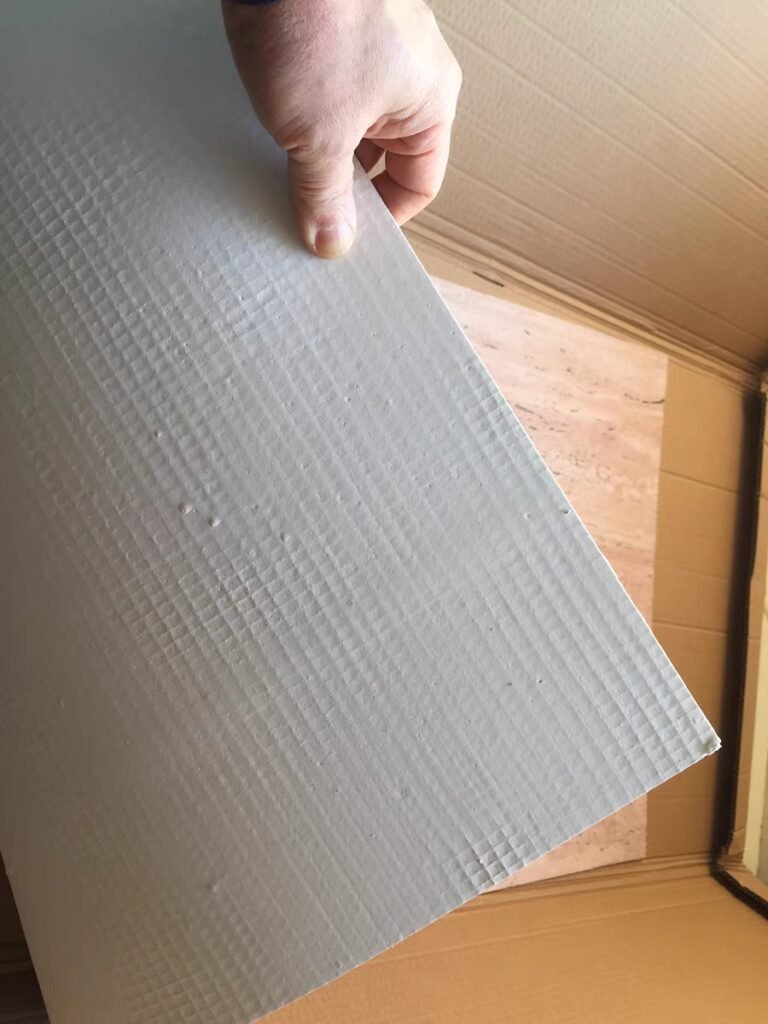
Flexible 슬レート 타일은 천연 석재의 얇은 층을 유리가섬유나 폴리에스테르 같은 유연한 백킹과 결합하여 기존 슬レート보다 약 4분의 1 무게만 나갑니다. 이는 운송 비용을 절감하고, 창고 보관을 간소화하며, 취급 손상 위험을 최소화합니다. 가벼운 특성 덕분에 시공자들은 보강 구조물이나 특수 리프팅 장비 없이도 작업할 수 있습니다. 강도가 뛰어나지만 구조적 하중을 증가시키고 설치를 복잡하게 만드는 기존 딱딱한 슬레이트와 달리, 이 제품은 그러한 문제를 해결합니다.
설치 및 취급상의 장점
Flexible slate는 rigid stone이 갈라지거나 비싼 절단이 필요한 기둥, 곡선, 피처 월 등 건축 형상에 완벽하게 적응합니다. 이 기능은 디자이너들이 무거운 서브프레임 없이도 연속적인 패턴을 구현할 수 있게 해주어, 자재 폐기물을 줄입니다. 설치도 더 빠르고 간단하며, 특수 커터나 브래킷 대신 일반 공구와 접착제를 사용합니다. 그 결과 작업반은 하루 더 많은 표면적을 마감할 수 있으며, 기존 슬레이트 클래딩과 비교해 프로젝트 기간을 수일에서 수주까지 단축시킬 수 있습니다.
지속 가능성 및 폐기물 감소
Flexible slate는 rigid tile에 필요한 원석의 일부만 사용하기 때문에, 채석 및 생산 폐기물이 급격히 줄어듭니다. 대규모 구매 관점에서는 제조 및 운송 전반의 탄소 발자국이 작아집니다. 제곱미터당 천연 자원의 소모를 크게 줄이면서 진정한 돌의 미학을 제공합니다. 이러한 효율성은 LEED 포인트를 추구하거나 지역별 그린빌딩 규정을 충족하는 클라이언트를 지원하며, 지속가능성 보고와 환경 목표 달성에 기여합니다.
디자인 미학과 비용 고려사항
두 방식 모두 진정한 돌 질감과 운무 veining을 보존하지만, flexible slate는 현대적인 인테리어나 외벽에 적합한 매끄럽고continuous 한 마무리를 달성합니다. rigid slate는 heritage 복원이나 고내구성 외부 사용에 여전히 가장 적합합니다. 시각적으로 어떤 선택을 하느냐에 따라 프로젝트의 성격(현대적 유동성 대 전통적 영속성)이 결정됩니다. 비용 측면에서 flexible slate는 종종 경량, 단순한 운송, 빠른 노동력을 통해 총 설치 비용을 낮춰, 더 접근하기 쉬운 가격으로 진정성 있는 석재의 매력을 제공합니다.
매끄러운 럭셔리 인테리어를 위한 Flexible Stone Veneer
JMS Decor와 함께 가볍고 친환경적인 석재 패널을 커스터마이즈하세요. 상업용 및 주거용 공간에 완벽하며, 우리의 내구성 있는 베니어는 flawless finish, 신속한 설치, 그리고 귀하의 비전에 맞춘 vibrant textures를 제공합니다.
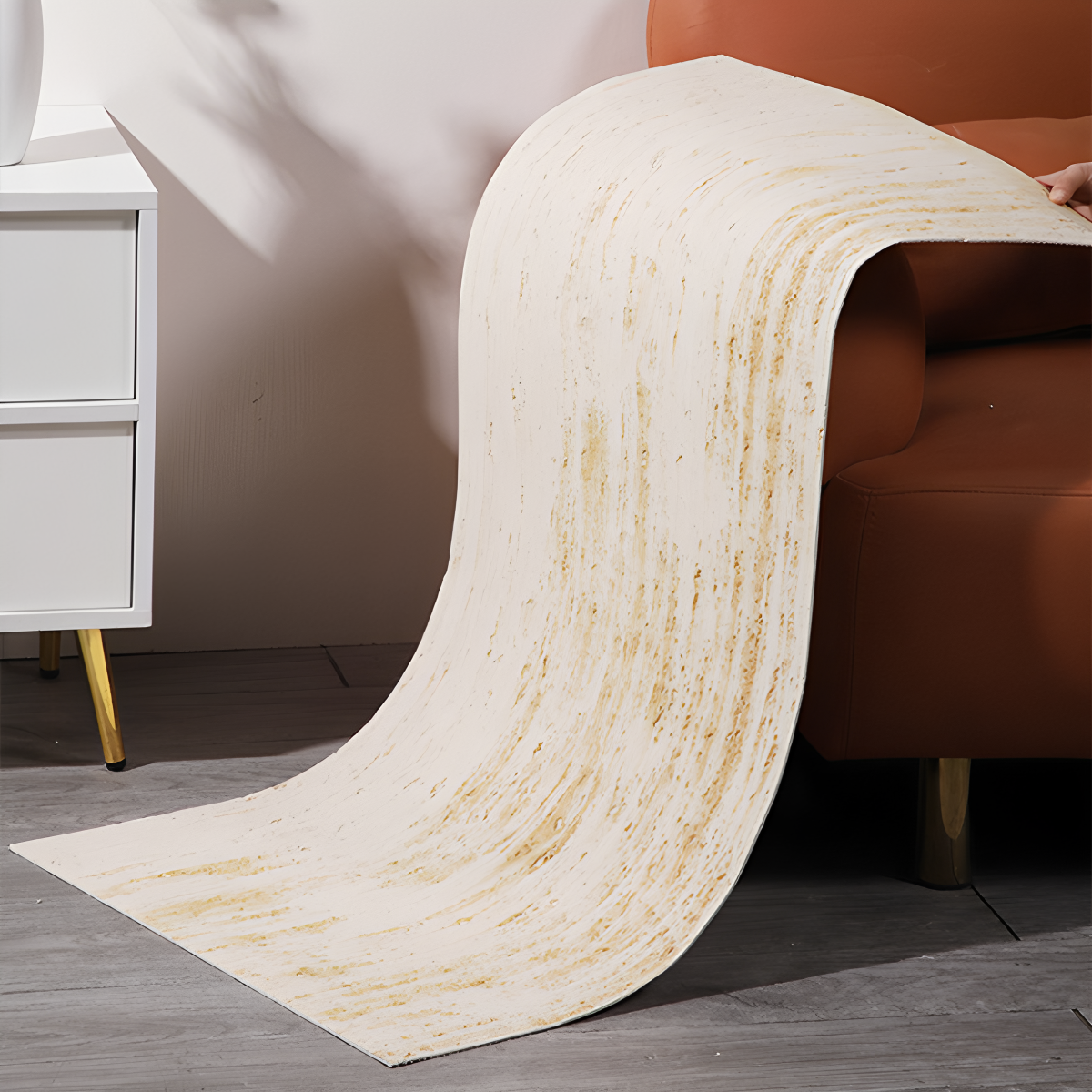
이점 1: 가위만으로 설치 가능한 “Cut-with-Shears” 시스템
유연한 슬레이트 타일은 everyday 도구로 정밀한 절단과 성형이 가능해 기존 stone과 차별화됩니다. 조달팀과 브랜드 매니저에게는 빠른 시공, 단축된 노동 주기, 낮은 원가로 이어지며, Our builder 및 distributor 네트워크 전반에서 this flexibility가 project timelines 충족에 기여하고 retail와 professional market 모두에서 opportunities를 확대합니다.
이하 섹션에서는 이러한 간단한 절단 과정이 business models 전반에서 효율성, 적응력, 그리고 더 높은 margins을 어떻게 창출하는지 살펴봅니다.
표준 도구로 쉽게 절단하기
유연한 slate 패널은 standard shears, utility knives, 또는 heavy-duty scissors로 쉽게 trimming되어, costly masonry saws나 diamond blades가 필요 없습니다. Installers는 on-site에서 panels를 빠르고 안전하게 adjust하며, setup과 tool change time을 최소화합니다. panels가 minimal dust나 vibration 없이 cleanly cut되므로, stone-handling experience가 없는 crews도 consistent results를 deliver할 수 있습니다. 이는 teams의 productivity를 유지하며, quality를 compromised하지 않으면서 new installers의 onboarding를 simplifies 합니다.
설치 효율성 및 적응성
On-site trimming은 outlets, window frames, 그리고 complex architectural details 주변에 exact fits를 허용합니다. Installers는 off-site cutting의 downtime 없이 irregular shapes나 curved surfaces across clean transitions를 달성합니다. Less setup, lower noise, and reduced dust는 faster-paced residential and commercial projects에서 critical한 safer and more productive environment를 만듭니다. 결과는 reliable scheduling, higher-quality finishes, 그리고 less rework입니다.
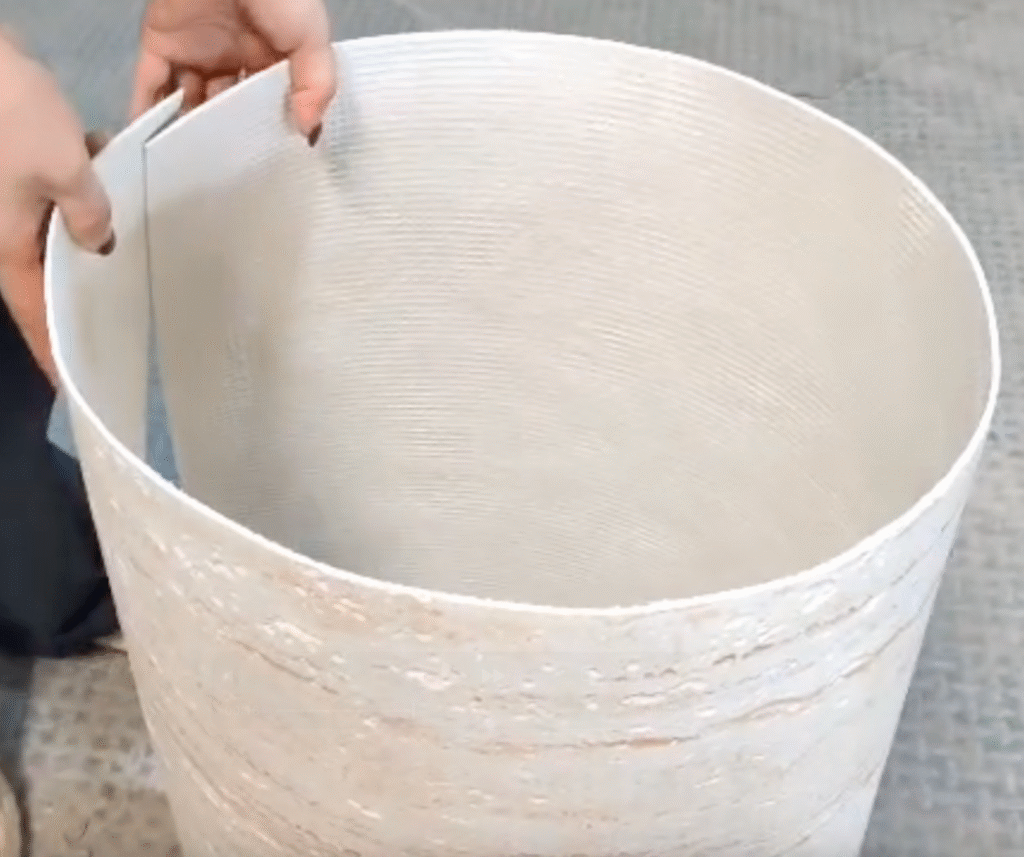
B2B 구매자를 위한 시장 및 운영 이점
Ordinary tools 사용 가능성은 customer base를 broadens 합니다. DIY buyers는 professional-grade materials에 접근함으로써 retail demand를 fuel합니다. Procurement managers에게는 faster installation이 labor costs를 감소시키고 skilled labor shortages에 tied된 challenges를 mitigates 합니다. Distributors는 larger panels를 stock하고 cut to order 할 수 있어 SKUs를 줄이고 storage를 최적화합니다. This operational agility는 lean logistics를 지원하고 wholesale 및 project-based supply chains 전반에서 stronger ROI를 지원합니다.
이점 2: 가벼운 무게, “No-Breakage’의 우위
Flexible slate tile has transformed how stone-surface projects are executed. Its lightweight and break-resistant composition enables professionals to deliver a natural stone finish without the structural complexity or cost of heavy slabs. For B2B buyers, this translates into streamlined logistics, safer installations, and greater design flexibility aligned with modern construction demands.
Lightweight Construction Reduces Costs and Simplifies Installation
Flexible slate tiles weigh up to 80% less than traditional stone, combining a thin layer of natural slate with a fiberglass or polymer backing. This structure preserves authentic texture while cutting structural load, reducing the need for reinforcement on walls, ceilings, or mobile units. Transport and handling are easier, lowering labor and freight costs. Crews move faster, projects advance smoothly, and large-scale builds benefit from shorter timelines and reduced onsite risks—directly improving margins for distributors and contractors.
Durability and Flexibility Minimize Breakage Risks
Conventional slate breaks easily during transit or cutting, creating avoidable losses. Flexible slate absorbs stress through its backing material, bending rather than cracking. Installers can wrap it around curves, columns, or irregular corners that would otherwise demand custom fabrication. Because it trims with standard tools, waste and equipment costs stay low. This durability cuts replacements, avoids job interruptions, and supports more consistent inventory flow for volume-based operations.
Benefits for B2B Buyers and New Design Applications
Its lightweight and flexible profile make flexible slate ideal for distributors managing multi-site installations or frequent shipments. Lower transport and mounting costs enhance profitability while dependable handling limits on-site losses—critical for export and remote projects. Clients gain the visual depth of natural stone without structural burden, and designers are now specifying flexible slate for curved facades, feature walls, and custom furniture. The result is wider application potential and stronger value delivery across commercial and residential markets.
Benefit 3: Grout or No Grout? Your Choice
Flexible slate tile gives both B2B buyers and homeowners full control over installation design. You can specify grout or go grout-free based on substrate type, exposure, and visual intent. This decision directly influences long-term performance, maintenance, and scheduling efficiency. Understanding both options ensures surfaces that look refined, perform reliably, and align with project targets.
Installation Options: Grouted vs. Non-Grouted Finishes
Flexible slate tile supports either grouted joints or tight butt seams. Its adaptability lets installers meet specification requirements and design aesthetics with minimal adjustment. A grouted layout compensates for minor substrate unevenness, improves moisture resistance, and accommodates expansion—making it the preferred choice for exteriors or wet zones such as patios and baths. A grout-free finish delivers a seamless, modern look that emphasizes the stone’s texture. It installs faster, cuts material costs, and suits accent walls or furniture claddings where precision and speed matter most.
Factors to Consider When Choosing Between Grout or No Grout
Start with project environment. Indoor spaces usually favor tight seams since they face less moisture and thermal stress, while grout outdoors helps manage expansion and protect edges. Visual goals also guide the decision—use grout for a traditional layout or skip it for a sleek, sheet-stone appearance. Substrate stability is next: grout can offset slight irregularities, but a non-grouted finish needs a flat, rigid base. For teams prioritizing speed or cost, grout-free layouts save labor and materials if the substrate allows.
Why This Choice Matters for Your Project
The grout decision affects durability as much as design. Properly applied grout boosts water resistance and alleviates edge stress under temperature change, extending outdoor performance. Grout-free application accelerates timelines and delivers a modern look but requires precise adhesive use and stable substrates for lasting bond integrity. Because this material flexes easily, it matches many project goals. From global supply experience, offering both options gives clients stronger control over labor efficiency and design quality—two benchmarks of a successful surface installation.
Project Guide: A DIY-Friendly Backsplash Installation
Installing a backsplash with flexible slate tiles gives homeowners a natural stone finish without hiring professionals. The material’s lightweight design and easy-cut surface make it a practical choice for first-time renovators. Use the following steps, tools, and troubleshooting tips to streamline the job and ensure professional results.
Essential Tools and Materials for Installation
Flexible slate tiles come in thin, lightweight sheets, often with peel-and-stick or adhesive options that don’t require specialized tools. Gather core items: measuring tape, a utility knife or compact stone cutter, spacers, and a clean cloth to prep the surface. Remove outlet covers and protect countertops to keep the area safe and prevent adhesive residue.
Step-by-Step Installation Process
Measure the backsplash space precisely, adding a small margin for trimming and waste. Dry-fit the tiles to confirm spacing and alignment before applying adhesive. This preview helps fine-tune symmetry and plan around outlets or corners. Apply adhesive evenly, then position each tile at a slight angle to adjust placement before pressing firmly. Work methodically from one corner or from the center outward to keep lines straight. Stagger seams for a natural look, and use spacers if you want uniform joints or skip them for a seamless effect.
Tips for Cutting, Fitting, and Handling Tiles
Cutting flexible slate is straightforward. Use a sharp utility knife or compact cutter to size pieces accurately, dry-fitting around edges and outlets before applying adhesive. This prevents waste and keeps joints consistent. Work in small sections so the adhesive stays workable, and handle tiles gently to protect the thin slate surface.
Common Challenges and Best Practices
The main challenge is long-term adhesion. Keep walls clean and dry, and use only the recommended adhesive to prevent lifting. Measure corners and outlets carefully—accurate cuts here ensure clean symmetry later. Maintain alignment across each row for a professional finish. While grout is rarely needed, sealing the joint where the backsplash meets the countertop with caulk improves water resistance. If required, apply a light surface sealant for enhanced durability and color depth. These steps ensure a lasting, natural finish that performs well in daily use.
FAQs: Understanding Flexible Slate Tiles
These FAQs cover practical considerations when specifying or installing flexible slate tiles. They focus on real installation conditions—substrate readiness, durability, water protection, and maintenance practices that matter in commercial and residential applications.
Can I install flexible slate tiles over my existing tile floor?
In most cases, yes—if the existing surface is stable and level. Clean it thoroughly, remove any loose tiles, and ensure full adhesive contact. Confirm that the adhesive is rated for bonding to old tile substrates. This approach reduces demolition time while delivering a solid and durable finish.
Do I need to grout flexible slate tiles?
일반적으로 접합부는 밀착 설치하여 이음새 없는 seamless 한 느낌을 주므로 그라인 라인(조인트)이 필요하지 않습니다. 일부 팀은 조일 간의 균일성이나 추가 방수를 위해 미세한 그라우트 또는 실런트 처리를 하기도 하나, 이는 선택 사항이며 순수한 디자인 선택에 따릅니다.
플렉시블 슬레이트 타일은 고유동 지역에서 어느 정도 견딜까요?
각 패널은 유연성과 강도를 위한 fiberglass 또는 resin 보강이 있는 genuine stone 층으로 구성되어 있습니다. 올바르게 sealing 처리된 경우, corridors나 lounges 같은 moderate-traffic 구간에서 우수한 성능을 발휘합니다. heavy-use 구역에서는 surface coating이 abrasion 보호와 minimal cost로 service life를 연장해 줍니다.
플렉시블 슬레이트 타일은 kitchen backsplash로 사용 시 waterproof 할까요?
sealing 후 표면은 moisture 및 stain에 매우 강해져 backsplash 설치가 가능합니다. 정기적인 resealing은 water resistance를 유지하고, 고습 환경이나 splash이 자주 발생하는 곳에서도 세척을 간편하게 해줍니다.
플렉시블 슬레이트 타일 설치에 필요한 도구는 무엇인가요?
대부분의 installation에는 표준 도구만 필요합니다: trimming용 utility knife나 heavy scissors, accuracy를 위한 straight edge, substrate와 호환되는 adhesive, 그리고 시트를 밀착시키는 roller 등입니다. 필요한 경우 cut end를 sealing하여 노출된 표면을 보호하고 professional finish를 완성합니다.
플렉시블 슬레이트 타일 후기
플렉시블 슬레이트 타일은 genuine stone의 appeal와 installation ease를 결합하여 traditional slate의 한계에 대한 practical 한 해결책을 제시합니다. real stone의 rich texture와 color depth는 유지하면서, 중량 문제, cutting, handling 등 프로젝트 속도를 늦추는 도전 과제를 제거했습니다. peel-and-stick이나 adhesive 방식으로 간단한 도구와 낮은 maintenance만 있으면, masonry expertise나 heavy equipment 없이도 professional finishes를 제공합니다.
renovation 팀과 design-driven 브랜드에게 이 제품은 더 빠른 setup, lighter logistics, fewer installation risks를 의미하며—curved surfaces, creative layouts, cost-efficient upgrades를 지원하면서도 durability와 natural aesthetics를 compromised하지 않습니다. time-saving surface materials에 대한 demand가 커짐에 따라, 플렉시블 슬레이트 타일은 trade professionals과 DIY market 모두에게 durable하고 high-value 한 solution으로 돋보입니다.