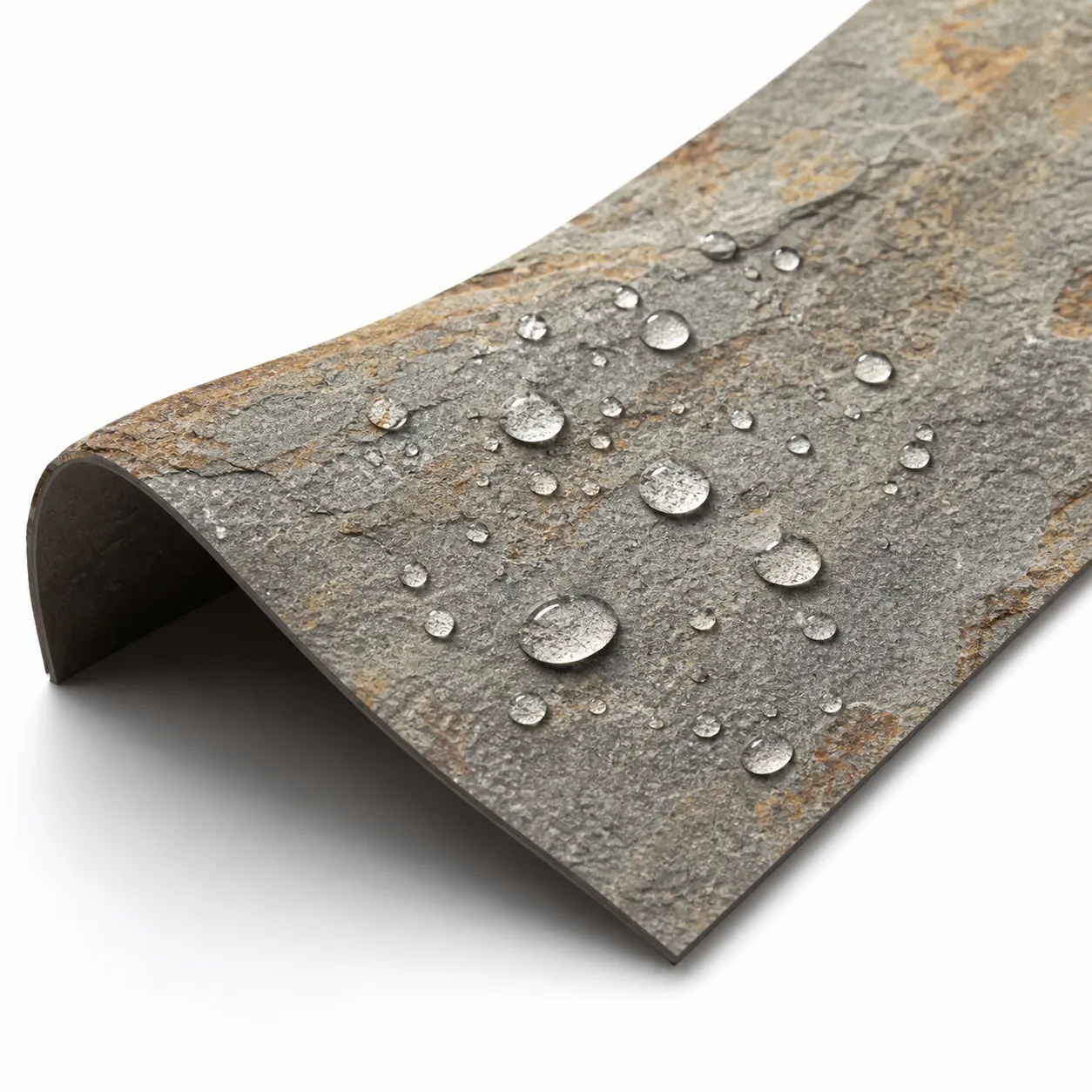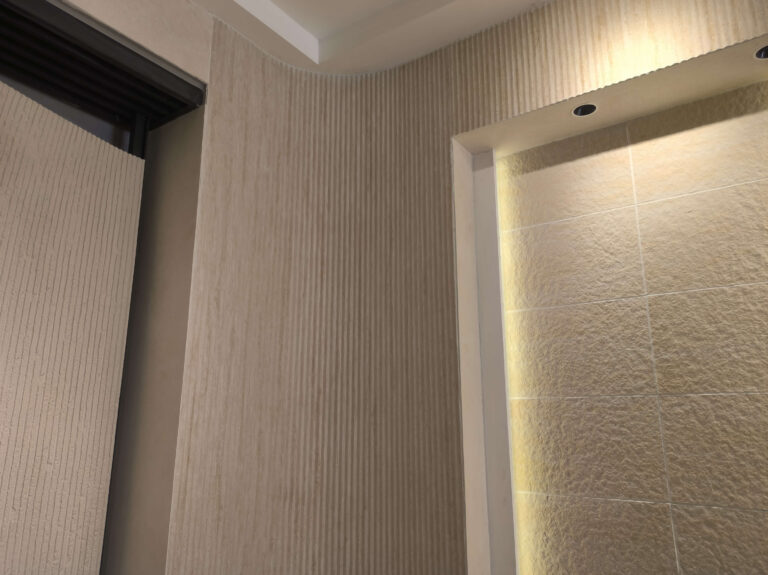
Flexible travertine panels are thin sheets of natural or composite stone bonded to a flexible backing, designed to replicate authentic stone surfaces while allowing easy installation on curved or irregular substrates. For designers and project managers, these panels reduce structural load, streamline installation, and deliver high-end stone aesthetics to spaces that traditional rigid stone cannot accommodate.
This article covers panel selection, material comparisons, performance criteria, installation strategies, and product recommendations to support your next project.
How to Choose Flexible Travertine Panels (Buying Guide)
Selecting flexible travertine panels requires balancing stone authenticity, installation performance, and the technical demands of your project. Both natural stone veneers and engineered composite panels are available, each with proprietary backing and surface treatments that affect appearance and suitability.
Understanding these distinctions helps you achieve the design intent without compromises to durability or cost-effectiveness.

Material Quality: Choosing Between Real and Composite Stone
Natural travertine veneers consist of genuine stone cut thin and applied to a flexible substrate, such as fiber mesh or resin-reinforced composite. This approach preserves unique color gradients and surface textures not found in synthetic alternatives. Engineered composites feature stone dust or modified clay combined with polymers; they offer improved price stability and uniformity but lack the visual depth and tactile authenticity of real stone.
Backing systems are critical to performance. Superior panels use multilayer fiber reinforcement that prevents delamination in challenging conditions, such as high humidity. Check technical data for tensile bond strength—panels rated at 0.70 MPa or above (per JG/T 540-2017) ensure long-term adhesion. Thinner formats are ideal for tight curves and detailed installations, while thicker panels provide rigidity for expansive, flat surfaces.
Panel Performance: Flexibility, Durability, and Resistance
Flexibility should be measured by the panel’s ability to retain structural integrity when wrapped around columns or corners. Quality products can achieve a 180-degree fold without surface fracturing, as validated by industry flexibility tests. Such performance is especially relevant for exteriors exposed to wide temperature shifts.
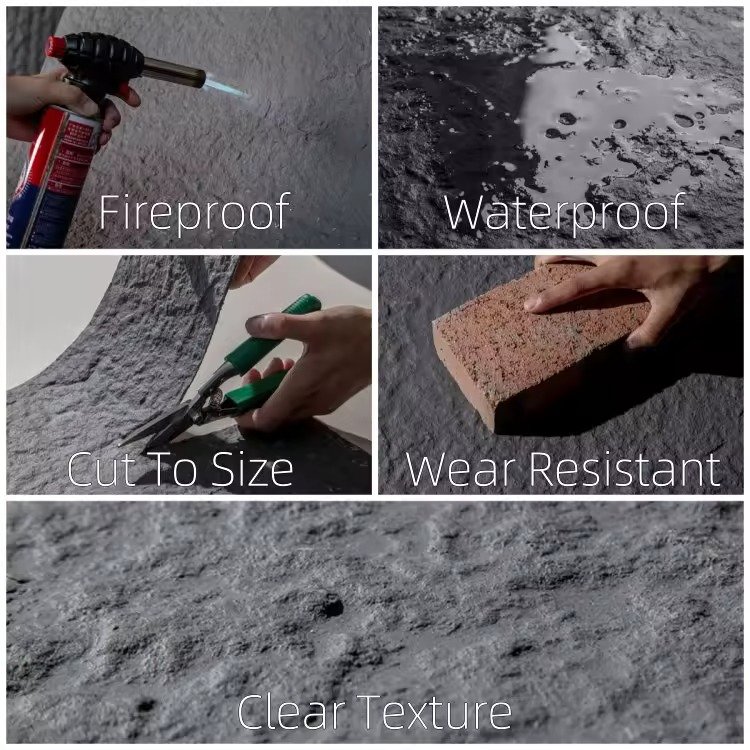
Professional-grade panels meet Class 0 stain resistance (per GB/T 9780-2013), ensuring protection against oils and liquids without additional sealing. Local regulations may require B1 or A2 fire resistance—always confirm compliance. For wetter environments, verify that the panel maintains adhesion after extended water exposure. Manufacturer claims about lifespan should be supported by third-party certifications, not just marketing statements.
Installation Practicality and Application Range
Top-performing flexible travertine panels install with polymer-modified adhesives and do not require specialist masonry tools. They adhere directly to substrates including drywall, plywood, cement board, or pre-existing tile, reducing demolition and associated costs. Standard surface preparation—priming and cleaning—is usually sufficient, simplifying the retrofit process.
Versatile panels should conform to bullnose edges, barrel vaults, or irregular stonework, allowing for creative use in complex environments. Larger panel sizes minimize seams on feature walls, while smaller sizes offer more precision for intricate details. Always verify the manufacturer’s stated minimum bend radius if your design includes dramatic curves or 3D forms. Panels vary in their ability to wrap without creasing or adhesive failure.
Comparing Leading Flexible Travertine Panels
JMS Decor and StoneLite Flex illustrate two approaches to achieving a flexible travertine surface: one uses ultra-thin real stone, while the other balances composite construction with cost efficiencies.
| Panel Name | Stone Content | Flexibility Rating | Installation Method | Weight (kg/m²) | Best Use Case | Certifications |
|---|---|---|---|---|---|---|
| JMS Decor Ultra-Flex Travertine | 100% Natural Travertine (1.5 mm) | High (adapts to 90° curves) | Polymer-modified adhesive, basic tools | 5.5 | Curved walls, retrofits, custom facades | ISO 9001, BSCI, Fire/Water Resistant |
| StoneLite Flex Travertine | Composite Stone (1.2 mm veneer) | Medium (up to 45° curve) | Standard tile glue, light cutting | 6.8 | Flat feature walls, renovations | CE, GB/T, Moisture Class 0 |
JMS Decor is recommended for installations with tight curves or architectural features requiring high flexibility. Its thin stone construction is effective for wrapping columns or forming radius walls, where composite or rigid stone would fail. StoneLite is suitable for large, flat walls where cost savings and straightforward installation are priorities.
Even modest weight differences can influence project feasibility. On upper stories or retrofits with strict load specifications, JMS Decor’s lower panel weight offers engineering advantages. Both panels support installation by standard crews using common adhesives and tools.
The Best Flexible Travertine Panels of 2026: Expert Reviews
Optimal panel selection depends on balancing stone realism, installation ease, and project scope. The two products reviewed below deliver performance at distinct price points and are suited for different applications—either complex, high-impact installations or efficient coverage of large areas.
Best Overall: JMS Decor Ultra-Flex Travertine Panel
JMS Decor Ultra-Flex delivers authentic quarried travertine bonded to a reinforced mesh, enabling seamless coverage of curves, arches, and sculpted surfaces. The panel provides natural thermal and tactile qualities and offers substantial environmental benefits compared to traditional slab production.
Installation uses polymer-modified adhesives, with the mesh backing removing the need for grouting or mechanical fasteners. JMS Decor panels withstand environmental stresses, including UV, humidity, and temperature variation, for consistent interior and exterior performance. Multiple finishes are available, allowing specification of color and texture to match any palette.
Complex curved work benefits from experienced installers who can manage adhesive and tension distribution. Custom color sourcing may extend lead times for rare finishes. For applications where genuine stone and design versatility are priorities, JMS Decor Ultra-Flex sets the benchmark.
Best Value: StoneLite Flex Travertine Panel
StoneLite Flex provides a composite structure with a natural stone veneer, effectively balancing cost, appearance, and installation speed. Its lightweight and modular format favors large-scale renovations and commercial interiors. Certified performance for moisture and stain resistance makes it suitable for kitchens and bathrooms.
The light panel weight minimizes freight and facilitates direct application over existing substrates to save time and labor. Standard adhesives and easily handled cutting tools support rapid on-site adaptation. While ideal for flat or gently curved surfaces, StoneLite is not designed for installations with tight radii or complex shapes.
There are trade-offs. The surface feels warmer than solid stone, and extreme flexibility is limited. For budget- or schedule-driven projects that value professional aesthetics and straightforward installation over maximum technical flexibility, StoneLite is a practical solution.
Ready to Transform Your Next Project?
Flexible stone veneer panels deliver the realistic look and design flexibility of authentic travertine in locations where conventional stone is impractical. Wrap columns, retrofit existing surfaces, or clad tall facades efficiently and with reduced labor. JMS Decor provides tailored finishes, expedited shipping, and complimentary samples so you can assess fit and quality before specification. Our technical team supports your process from material selection to finished installation.
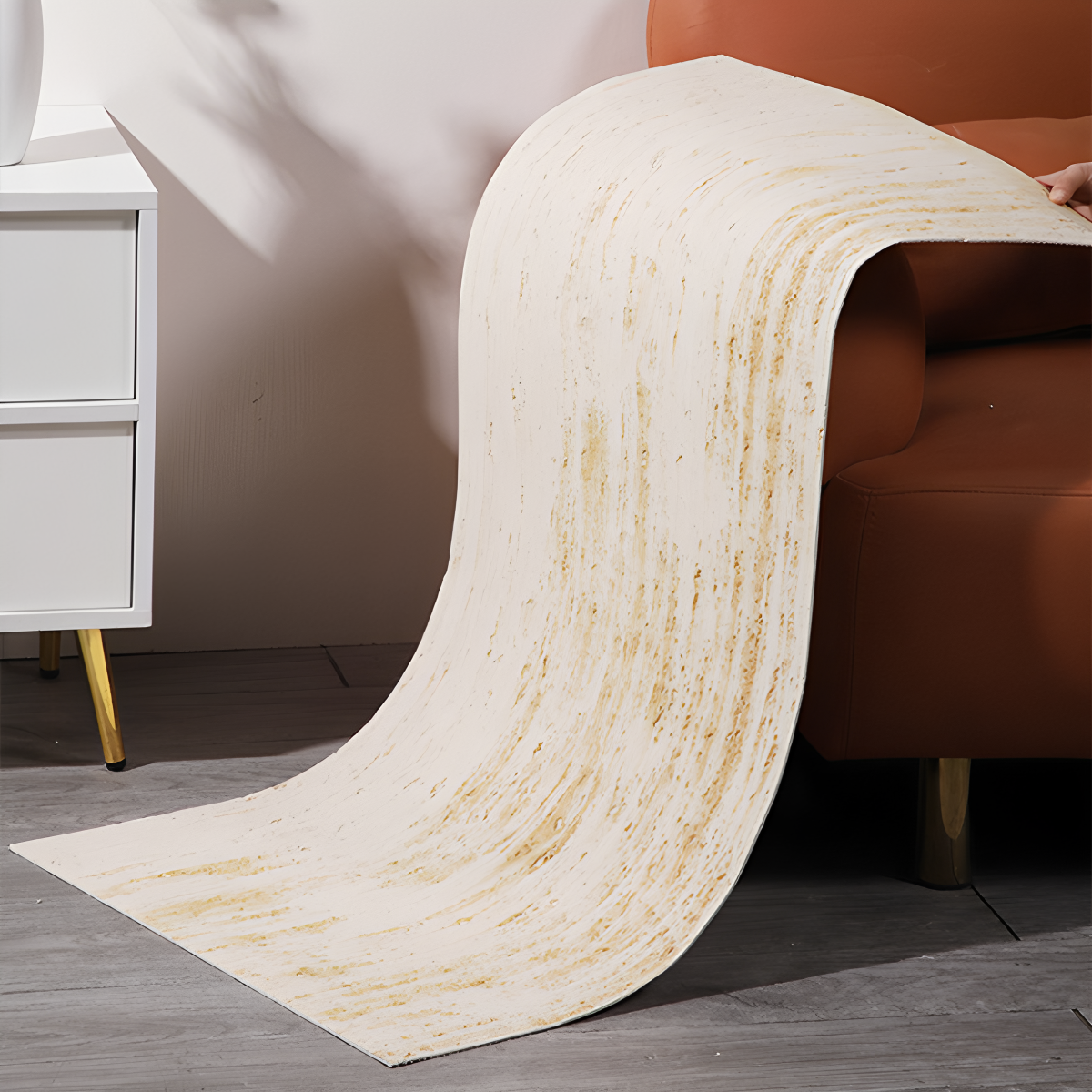
柔軟な石と硬質石材:素材と施工方法の違い
柔軟トラバーチンパネルは、強化基材に薄型石材を接着したもので、従来の石材や陶器製クラディングの軽量代替品です。この比較では、主なパネルタイプの厚さ、重量、用途、持続可能性、メンテナンスの違いを示します。.
| 仕様 | 柔軟性のあるトラバーチンパネル | 伝統的な硬質石材 | 陶器/ピギータイル(磁器タイル) |
|---|---|---|---|
| 厚さ(mm) | 1~5mm:湾曲面にも密着し、取り扱いが容易 | はるかに厚みがあり、平面で剛性のある下地を必要とする | 中程度:平面向けのモジュラーレイアウトに設計 |
| Weight (kg/m²) | 4~8kg/㎡:構造への負荷を軽減 | はるかに重量があり、補強された骨架構造を必要とする | 柔軟パネルより重量があるが、取り扱い可能 |
| Key Feature | 湾曲部をWrap施工でき、基本的な工具とポリマー系接着剤で設置可能 | 平面設置に限られ、不規則な形状での施工は困難 | 平面のみに限定され、曲げに対応不可 |
| 環境への優位性(エコフレンドリー) | エネルギー消費と輸送コストが低い | 採石・加工による廃棄物発生とエネルギー消費 | 窯焼き製法、中程度のエネルギー消費、わずかな廃棄物 |
| メンテナンス | 非常に少なく、お手入れが容易で高い耐汚れ性 | シーリングが必要な場合あり、湿度に敏感 | 清潔に保ちやすく、多くの場合無孔質 |
柔軟性のトラバーチンは重量削減と施工時間の短縮に加え、より多くのデザインプロフェッショナルに天然石材の活用を広げます。クルーの専門化や機器要件によって制限されていたプロジェクトは、標準的な道具で実現可能となり、建設業者や請負業者は以前は非現実的だった場所に天然の美観を指定できるようになります。.
用途:モダン&クラシックデザインでの利用
柔軟性のトラバーチンパネルは、剛性の石材では重すぎるか設置が複雑な領域であるアクセントウォール、キッチンアイランド、柱、アーチに現在好まれています。その適応性は、技術的またはコスト上の制約によって以前は制限されていたデザイン要素を可能にします。.
商業インテリアでは、パネルはフロアロードの制約を軽減しつつ上質な美観を提供し、住宅環境では長時間の施工なしにスパスタイルの仕上 or ミニマリストな面を得られます。特に高層ビルでの外装ファサードは、軽量組成と簡素化された取り付けシステムにより恩恵を受けます。.
柔軟なパネルは、高度なレンガ職人スキルを必要とせず、ローマ風のカブやヴォールトなどの古典的な建築特徴も可能にします。この技術はプロジェクトのコストと期間を削減し、石材工事を標準的な請負業者や熟練のDIYerの手に入れられるものにします。.
設置とメンテナンスの検討事項
柔軟なトラバーチンパネルの施工は直接的で時間節約になります。標準的なブレードやシザーで現場切断ができ、ポリマー改質接着剤は乾式壁、セメントボード、漆喰、既存のタイル面と互換性があります。粉じんや廃棄物はほとんどなく、目地がないことがさらにプロセスを合理化します。.
平坦な設置の多くは一般職人でも完了できますが、曲線や細部の適用は、面処理と接着剤のカバレッジに精通した専門家によって行われるべきです。特に高湿度または屋外環境では、長期的な性能を保証するために適切な準備と施工が不可欠です。.
設置後、パネルには継続的なメンテナンスはほぼ必要ありません。定期的な清掃で十分であり、水、UV、汚れへの内在的耐性により風化や褪色は最小限です。これは伝統的または輸入石材と比較して、美観と機能性のためのより強力な投資効果をもたらします。.
ローマのインスピレーション:歴史的技法の適応
ローマの建設者はモジュール化された軽量な石組の技法を開拓し、今日でも称賛される耐久性のある構造を生み出しました。柔軟なトラバーチンパネルはこの原則を活用し、現代のデザイン要件に対して適応可能で頑丈な材料を提供します。.
従来、円弧やドームには詳細な設計と熟練した石材加工が必要でしたが、現在のパネルははるかにシンプルな手法で複雑な形状を覆うことができます。デザイナーは既存製品を用い、接着剤と標準的な現場工具だけで古典的な意匠を再現可能です。.
この進化により、複雑な建築的 treatments は専門家の領域から日常の実践へ移り、多様な設置環境やプロジェクト規模において本物の石材の可能性が広がります。.
よくあるご質問
フレキシブルTravertineパネルはどのように作られていますか?
メーカーは天然トラバーチンの薄い層(通常1〜5 mm)をスライスし、樹脂や繊維複合材料で強化された柔軟なバック材に接合します。このエンジニアリング手法は石材の本物の外観と質感を保ちながら、パネルが曲線部でも亀裂を入れることなく曲がることができるようにします。.
施工にはどのような接着剤を使用すべきですか?
ポリマー改質接着剤が最も適しており、大きな接合強度を提供しつつわずかな移動にも追従できます。基材全体に均一に塗布し、長期耐久性を確保するためにメーカーの硬化時間ガイドラインに従ってください。.
柔軟なトラバーチンパネルは本物の石でできていますか?
はい、見える表面は天然採石場から切り出された本物のトラバーチン石材です。柔軟性は合成代替品ではなく、複合バック材システムによるものであり、従来の石材クラディングと同様の本物の外観と質感を楽しめます。.
柔軟なパネルは伝統的なトラバーチンタイルと比較して価格はどうですか?
材料コストはしばしば同等ですが、設置費用はより迅速な施工と減少した労働要件により柔軟なパネルの方が高くなりがちです。また、これらのパネルは硬質石材スラブよりも大幅に軽量なため、構造的補強のコストも削減できます。.
これらのパネルは柱やアーチを巻きつけることができますか?
もちろんです——それが主な利点の一つです。パネルは硬質石材では現実的または不可能な曲面、柱、不規則な建築要素に適合します。最適な結果を得るためには、複雑な輪郭への適切な接着剤の塗布を確認してください。.
まとめ
JMS Decor Ultra-Flex は、複雑な形状、高い耐久性、妥協のない石材の品質が要求されるプロジェクトのための最先端ソリューションです。一方、StoneLite Flex は、プレミアムな視覚的仕上げを必要としつつも費用対効果の高いタイムラインや予算向けの現実的な代替手段です。.
両者とも重量を軽減し、アクセシビリティを拡大し、設置を簡素化することで伝統的なクラディング方法からの重要な一歩を表しています。アプリケーションに対するパネルの適合性を確認するためにはサンプルを注文し、その技術があなたのデザイン意図をどのように高めるかを直接検証してください。柔軟なトラバーチンパネルは建築および室内 surface の可能性を再定義しています。.