 Skip to content
Designers and homeowners planning luxury bathrooms often weigh two options: the natural realism of marble versus the proven performance of porcelain slabs.
This comparison explores which surface delivers stronger long‑term value for premium projects—examining marble’s flexible panels that offer authentic veining with lighter handling, porcelain’s durability and low maintenance, and how these practical differences affect installation cost and overall project efficiency.
The Luxury Bathroom Dilemma: Authenticity or Durability?
Designers and procurement teams developing luxury bathrooms often face a clear trade-off between the natural elegance of marble and the long-term performance of engineered porcelain. The right choice depends on project priorities—authenticity, maintenance efficiency, or durability in wet, high-use environments. Deciding early in design supports accurate budgeting, predictable installation timelines, and reliable lifecycle cost control.
Authenticity and Prestige of Natural Marble
Natural marble remains a hallmark of prestige, offering depth and individuality that no engineered material fully replicates. Each slab’s veining and texture create a singular aesthetic that resonates with clients seeking exclusivity. Its tactile warmth reinforces a spa-like experience. However, marble’s porosity demands routine sealing to prevent stains or etching, and moisture can quickly dull the finish.
This maintenance burden, combined with quarry variations, complicates large-scale procurement and raises total cost. Buyers should assess these variables early when managing multi-site or international programs.
Durability and Practicality of Porcelain Slabs
Porcelain slabs deliver design flexibility with functional reliability. Made from refined clay and fired at extreme temperatures, they meet ASTM standards for impervious materials with water absorption below 0.5%. They excel in humid zones such as showers, where natural stone often degrades. Porcelain resists moisture, wear, and mold, cutting maintenance time and limiting call-backs.
Advanced digital printing reproduces marble tones consistently across batches, simplifying sourcing and ensuring visual uniformity. Large lightweight formats accelerate installation with fewer joints, reducing waste and improving scalability.
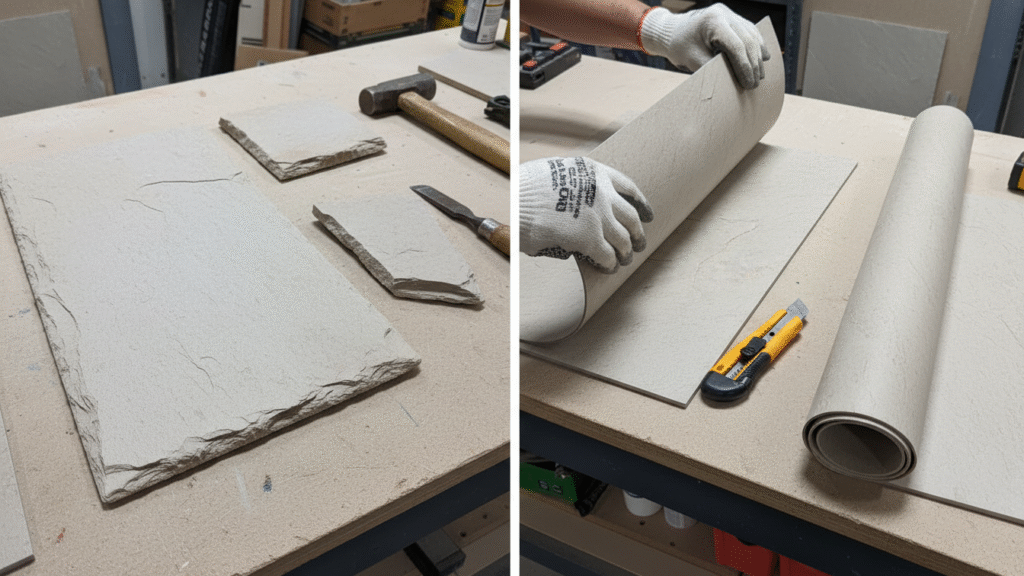
Additional Luxury Surface Options: Stone Resin and Quartz
Stone resin and quartz surfaces merge luxury appeal with practicality. Stone resin is non-porous, durable, and recyclable, though typically priced above porcelain. Quartz offers a smooth, stain-resistant finish needing minimal upkeep—ideal for hospitality or commercial bathrooms where hygiene and uniformity matter most.
Both materials suit modern, precise designs but lack marble’s organic variation. The final call depends on intent: expressive natural character or sleek, consistent performance over time.
Key Considerations for B2B Buyers and Designers
Align every material decision with the end user’s expectation and project scale. Choose marble when authenticity and bespoke detail are paramount. Opt for porcelain or engineered alternatives when durability, speed, and uniformity drive value. Evaluate maintenance and operating costs early to clarify ROI, and ensure water resistance and installation expertise meet specification standards. Stable sourcing and skilled installation teams protect schedules, budgets, and finish quality across all luxury bathroom projects.
What Are Flexible Marble Panels?
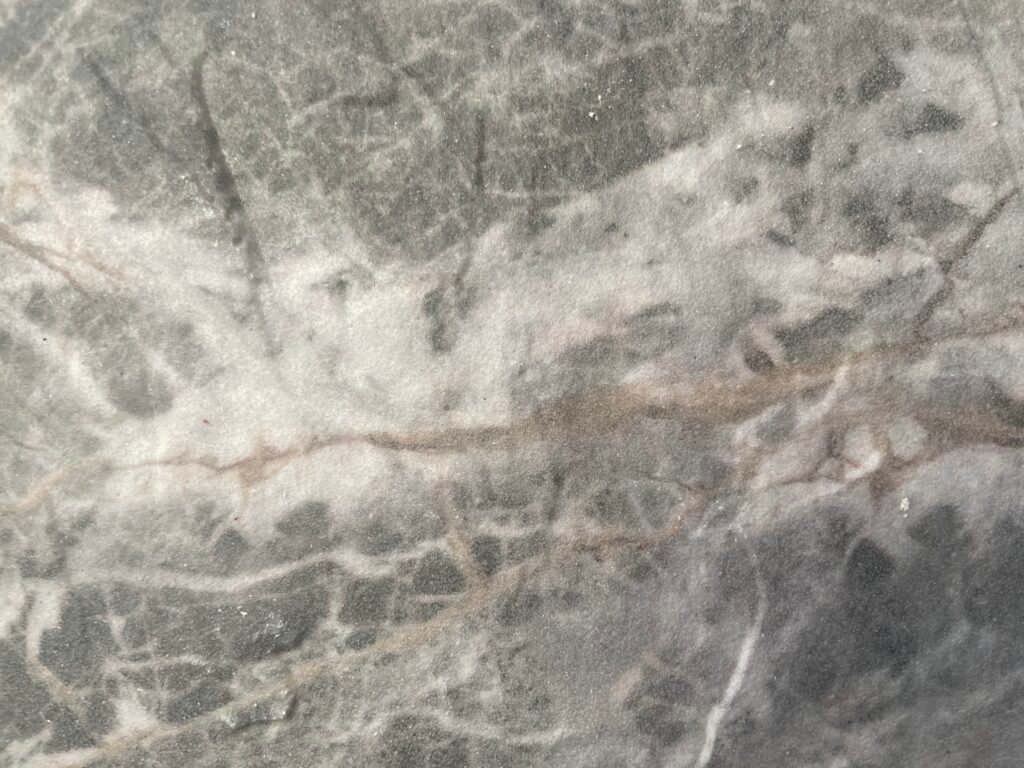
Flexible marble panels transform how real stone is applied in contemporary design. They preserve the authentic marble surface while eliminating the weight, fragility, and high installation costs of conventional slabs.
For procurement managers, brand founders, and design contractors, knowing their structure and performance helps evaluate supply efficiency, installation speed, and project versatility.
Composition and Design of Flexible Marble Panels
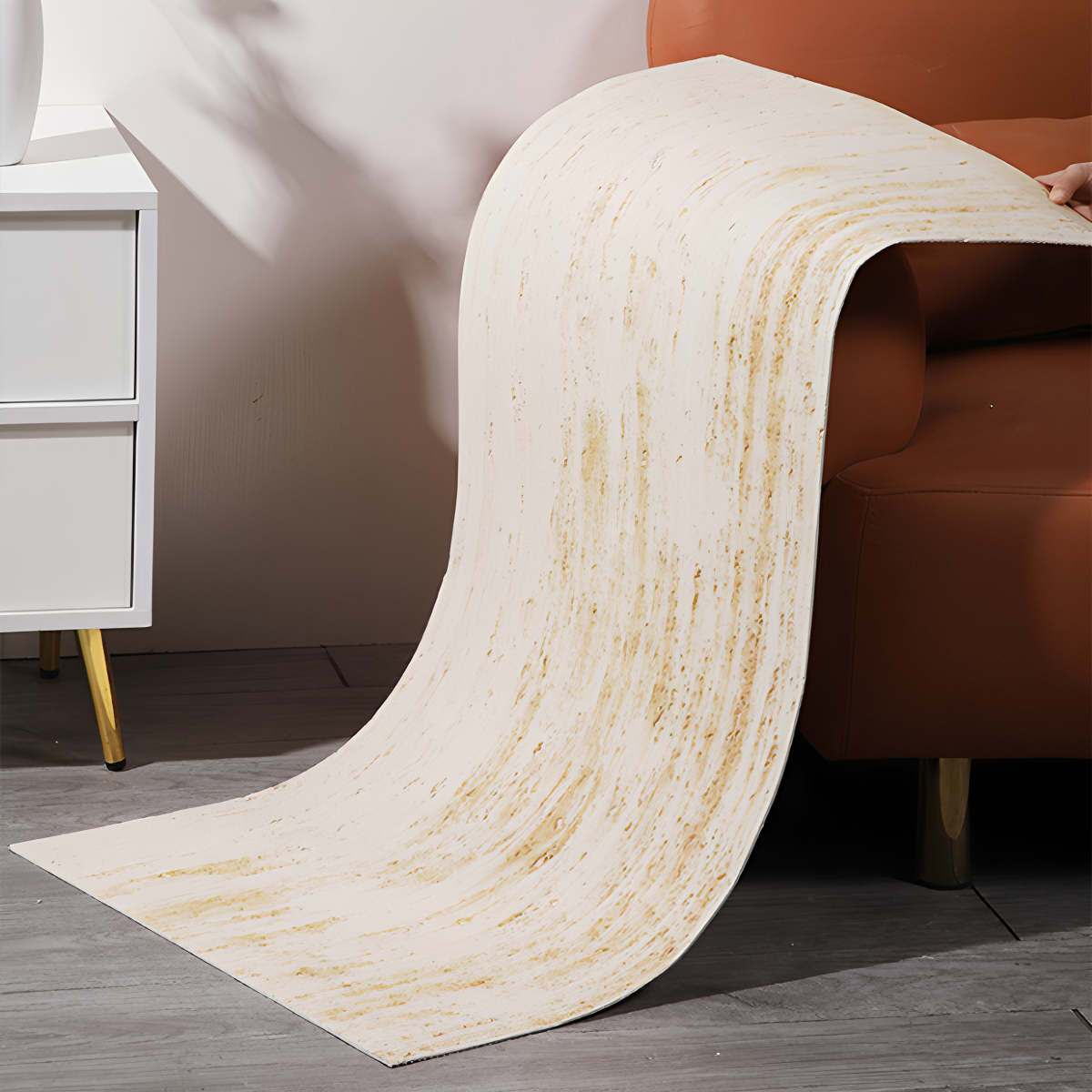
Each panel consists of a thin slice of real marble, typically 1–4 millimeters thick, bonded to a flexible layer of fiberglass, polymer resin, or MDF laminate. This composite design retains the genuine veining and texture of marble while reducing total weight to about 3–10 kg per square meter.
The structure bends slightly without cracking, enabling precise installation on curved or irregular surfaces where solid stone would demand costly, time‑intensive cutting. In practice, this gives architects freedom to wrap marble around columns, arches, and furniture while controlling transport and labor budgets.
Advantages for B2B Buyers and Designers
The light profile cuts freight costs and simplifies on‑site handling. Crews can move and install larger panels without heavy lifting systems, increasing speed and safety. Flexibility lowers breakage during shipping and reduces waste on custom orders.
Despite being thin, the panels remain durable—the marble layer resists scratches while the backing distributes stress evenly. Panels perform reliably from –30 °C to +80 °C and meet standard commercial fire‑safety codes, supporting interior and exterior use in façades, restrooms, and hospitality corridors without deformation or discoloration.
The seamless real‑stone finish supports premium aesthetics in spas, retail environments, and hotels. Manufacturers use less raw material per unit, cutting stone extraction and energy consumption compared with full‑depth slabs. For specifiers with green‑building goals, this efficiency strengthens sustainability credentials. Maintenance is simple: standard cleaning and light polishing keep the finish bright, and when properly sealed with moisture‑resistant backing, gloss retention lasts for years.
For buyers, this balance of authentic appearance, reduced logistics cost, and long service life makes flexible marble panels a high‑value alternative to traditional stone.
What Are Large-Format Porcelain Slabs?
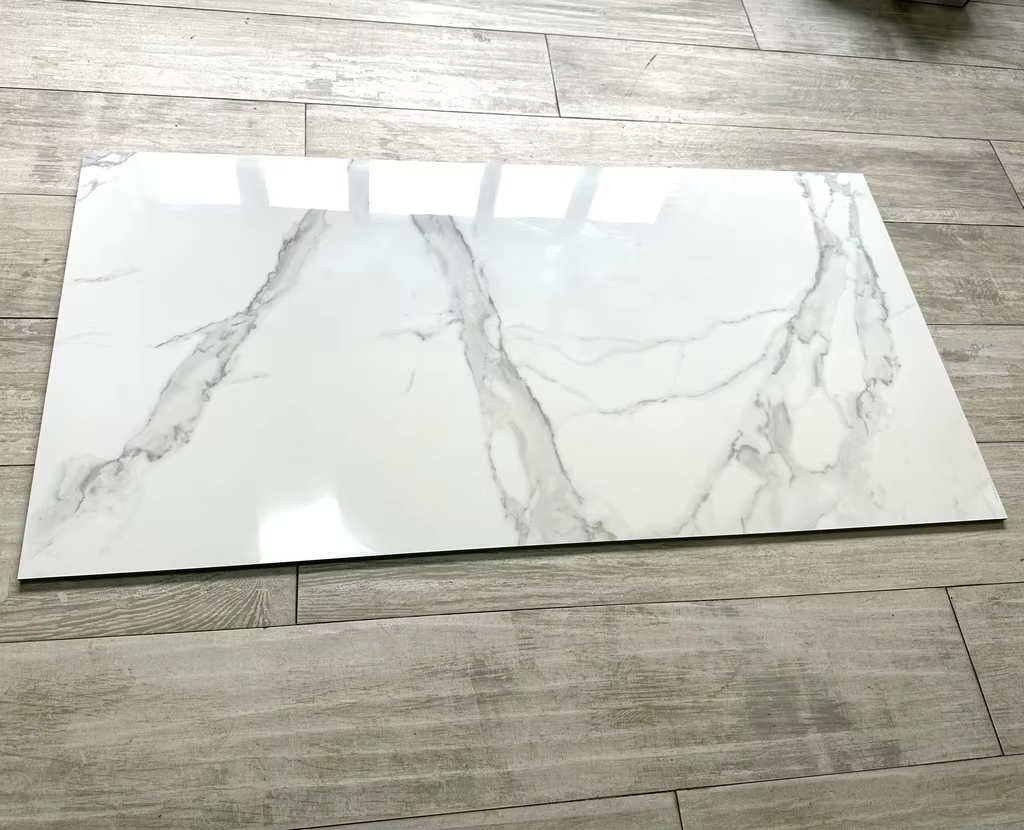
Large-format porcelain slabs blend advanced ceramic engineering with design flexibility, offering seamless, durable wall finishes that replicate natural stone without the weight, maintenance, or cost.
For developers and wholesalers sourcing premium surfacing materials, a clear grasp of their structure and digital printing process enables accurate selection for high-end installations and scalable procurement planning.
Definition and Size Range of Large-Format Porcelain Slabs
Typically measuring around 3 feet by 10 feet or larger, large-format porcelain slabs deliver uninterrupted, refined surfaces for bathroom walls, showers, and kitchen backsplashes. Their expansive coverage minimizes grout lines, creating a clean, high-end aesthetic similar to continuous stone. Commercial specifiers select them to accelerate installation and ensure consistent texture across wide wall areas.
Advanced Printing Technologies and Image Application
High-resolution digital printing enables porcelain slabs to replicate stone or wood with exceptional clarity and depth. Manufacturers capture detailed surface scans and apply them using ceramic inkjet or laser technology, fusing the design into the porcelain during firing. The result is a UV-stable, permanent image with controlled color consistency and vein definition.
Designers in hospitality and retail settings often commission custom prints to align with brand identity, while procurement teams benefit from predictable color matching and reliable supply across production batches.
Durability and Performance Characteristics
Once fired at high temperatures, the porcelain surface becomes extremely durable, resisting UV radiation, moisture, and stains. This makes it ideal for spas, hotels, and other environments exposed to humidity or cleaning agents. Its dense structure prevents mold and reduces absorption, controlling maintenance costs. In high-traffic or wet areas, the slabs extend service life and reduce repair time, supporting fast-track renovation schedules.
Design Flexibility and Cost Advantages
These slabs deliver the appearance of luxury stone at a fraction of the cost, enhancing spatial continuity across walls and floors. Lightweight and easier to handle than natural marble, they cut logistics complexity and installation labor. For budget-sensitive hospitality or residential builds, reduced grout lines and uniform patterning achieve a modern, cohesive finish with high material efficiency. For wholesalers and trade buyers, this balance of impact, durability, and cost efficiency makes large-format porcelain a profitable and resilient product line.
Flexible Stone Veneer for Elegant Interiors
Elevate your spaces with JMS Decor’s lightweight, eco-friendly flexible stone panels. Fully customizable and easy to install, these durable veneers bring luxury and versatility to any commercial or residential project.
The “Feel Test”: Why Real Marble Feels Different
When professionals compare flexible marble, porcelain slabs, and natural marble, the strongest evidence often comes from touch. Real marble signals authenticity through temperature, texture, and weight—qualities that shape how clients perceive investment value in premium bathrooms. Recognizing these tactile traits helps buyers and designers defend material decisions in both luxury and performance discussions.
Thermal Sensation: The Cool Touch of Real Marble
Natural marble draws heat from your hand instantly. Its high thermal conductivity moves warmth through the stone, leaving a cool, organic sensation that clients instinctively associate with authenticity. Engineered materials such as porcelain or composite slabs may look similar but feel static and artificial after contact. In luxury bathroom design, that subtle thermal response often separates genuine stone character from imitation.
Surface Texture and Density Differences
Formed under immense natural pressure, marble carries dense structure with a trace of softness when pressed—an inviting tactility absent in porcelain’s rigid surface. Consistency is another indicator: marble’s veining continues throughout the slab, maintaining natural variation even after cutting or polishing. Porcelain relies on a printed layer, which keeps the texture uniform despite visual patterning. For designers targeting seamless yet distinctive finishes, this difference defines true depth versus surface disguise.
Weight and Tactile Perception of Luxury
The heft of real marble conveys inherent value. When installers or buyers handle a panel, its substantial weight reinforces natural origin and durability—two attributes that support premium pricing and long-term confidence. Porcelain slabs are lighter and easier to manage but lack marble’s sense of solidity. Flexible stone panels, like genuine veneers from suppliers such as JMS Decor, balance authenticity with practicality by pairing real stone surfaces to lightweight backing. The result delivers authentic touch and warmth with efficient installation—an ideal solution for large-scale luxury bathroom projects.
Authenticity Showdown: Natural Veining vs. a Repeating Print
For architects, contractors, and procurement teams weighing flexible marble against porcelain slabs, authenticity extends beyond surface design. Veining influences client perception, brand identity, and supply complexity. The table below compares the key visual, sourcing, and performance factors that drive informed material selection between natural and printed finishes.
| Criteria | Key Considerations for B2B Buyers |
|---|---|
| Uniqueness of Pattern and Visual Depth | Flexible marble panels feature one-of-a-kind geological veining that produces a deep, natural aesthetic valued in prestige projects. Porcelain slabs emulate this look through digital printing, but repeating patterns limit depth over large surfaces. For specifications prioritizing organic variation, flexible marble achieves a more authentic effect; for projects emphasizing consistency and scalability, porcelain remains the operationally efficient option. |
| Color Variation and Seam Concealment | Natural veining creates subtle color shifts that help disguise seams and support seamless visual flow—an advantage in luxury interiors. Printed porcelain ensures tight color accuracy but offers limited variation, so installers must plan layouts to minimize joint visibility. While porcelain simplifies color control at scale, execution demands precision seam alignment to maintain aesthetic continuity. |
| B2B Sourcing and Project Implications | Each flexible marble sheet requires individual selection to preserve visual harmony, increasing procurement time and coordination for volume projects. Porcelain offers uniform appearance and dependable supply, reducing lead-time risk and easing logistics. Flexible marble attracts brands seeking exclusivity and visual storytelling; porcelain meets the operational needs of developers focused on consistency and cost control. |
| Cost and Performance Trade-offs | Natural-vein flexible marble commands higher costs due to limited quarry yield and precision finishing. Porcelain generally delivers lower cost per square meter and superior resistance to stains and impact, optimizing it for high-traffic or value-driven applications. Buyers balancing prestige with performance efficiency will likely find porcelain the more practical choice for large-scale installations. |
| Choosing Between Authenticity and Consistency | Flexible marble’s authenticity complements bespoke and hospitality projects seeking tactile realism and individuality. Porcelain’s controlled production supports residential and commercial developments requiring repeatable finishes. Final selection should align with client priorities: choose marble for experiential exclusivity and porcelain for predictable performance and cost efficiency. |
| Comparison Summary | Natural marble offers unmatched depth and visual uniqueness but requires careful sourcing and higher investment. Repeating print porcelain guarantees consistency, streamlined supply, and durability with moderate aesthetic compromise. Both materials serve distinct priorities—authenticity for statement designs and consistency for scalable builds. |
Installation Comparison: Challenges of Each System
Flexible marble panels and porcelain slabs each present unique installation challenges that directly influence schedules, budgets, and long-term durability. The table below outlines these issues from a contractor’s perspective, with recommendations project managers should integrate during planning and execution.
| System | Key Installation Challenges and Considerations |
|---|---|
| Installation Challenges of Flexible Marble Panels | Flexible marble panels demand a perfectly clean, flat substrate—any surface imperfection will telegraph through and distort the finish. Their pliable composition requires specialized adhesives to ensure consistent contact and avoid trapped air. Handling large panels, particularly on vertical or curved surfaces, can cause misalignment, making bracing and coordinated teamwork essential. Installers need custom tools for clean cuts and accurate shaping, and wet zones require dedicated waterproofing. Because experienced labor remains limited in many regions, contractors should schedule training or work with certified crews to prevent costly rework. |
| Installation Challenges of Porcelain Slabs | Porcelain slabs are large-format materials that rely on precise substrate preparation. Their thin yet heavy profile (typically 6–12 mm) increases the risk of cracking during lifting or cutting. Maintaining a flatness tolerance of 1/8 inch per 10 feet is critical to achieve seamless joints. Cutting requires professional-grade wet saws with continuous rim blades, and customization options are limited. Multiple installers and lifting frames are usually needed for handling. Improper fabrication may cause fractures, while the dense surface can require underfloor heating in residential projects located in colder climates. |
| Common Solutions and Best Practices | Both systems perform best over a perfectly level, reinforced substrate. Use only manufacturer-approved adhesive systems to maintain bond integrity and prevent delamination. Engaging installation teams experienced with each material significantly lowers site risk. Careful layout planning and precision cutting reduce waste and simplify logistics. Apply waterproof membranes in wet areas, particularly for flexible marble. For porcelain, proper spacers and edge restraints prevent chipping and misalignment. Pre-installation training and adherence to handling protocols protect project budgets by minimizing damage and installation errors. |
Cost Analysis: Which Luxury Option Provides More Value?
Luxury projects require materials that justify their premium price through design performance, lifecycle efficiency, and secure supply. Recognizing how flexible marble and porcelain slabs differ in total cost of ownership enables procurement teams to allocate budgets strategically across high-end bathrooms and shower environments.
Material and Installation Costs
Flexible marble slabs range from $5 to $60 per square foot, with rare or customized selections costing more. Porcelain slabs typically range from $3 to $10 per square foot, delivering a comparable aesthetic at a lower price point. Labor amplifies the gap: marble’s weight and fragility demand expert installers, while porcelain’s lighter profile accelerates wall mounting and reduces handling risk. On large B2B builds, these distinctions directly shape total installed cost and scheduling.
Long-Term Maintenance and Lifecycle Expenses
Marble carries ongoing care costs—regular sealing, periodic polishing, and protection from harsh cleaners. In commercial or hospitality settings, these maintenance cycles create downtime and recurring expenditure. Porcelain eliminates most of this overhead: it resists staining and water absorption, needs no sealing, and rarely requires repair. Over years of operation, porcelain maintains a predictable cost curve that supports stable budgeting and lean facilities management.
Assessing Value: Balancing Prestige, Durability, and Cost
Marble remains unmatched for visual depth and prestige, making it ideal for statement zones where aesthetic impact outweighs maintenance concerns. Its fragility and higher lifecycle costs, however, favor selective use on vertical or low-traffic areas. Porcelain replicates marble’s depth through advanced printing, delivering similar visual richness at a fraction of the cost with greater resilience. In continuous shower surrounds or spa-style bathrooms, porcelain delivers consistency, faster upkeep, and enduring luxury without margin pressure.
Sourcing and Supply Chain Considerations
Flexible marble often originates from limited quarries, creating long lead times and supply variability. Its weight adds logistical cost and demands robust packaging. Porcelain, supported by extensive European and Asian production, offers stable availability and lighter shipping requirements, enabling quicker delivery across multiple projects. For procurement teams managing fixed timelines, choosing porcelain reduces supply risk and supports smoother execution with stronger ROI over the project lifecycle.
Durability and Maintenance: Pros and Cons of Each Surface
For designers and project managers handling residential or commercial installations, the decision between flexible marble and porcelain slabs often depends on long-term performance. Durability and maintenance influence ownership costs, installation timelines, and overall client satisfaction. Understanding how each surface performs under actual conditions enables smarter material selection and more predictable project outcomes.
Durability Comparison Between Porcelain Slabs and Flexible Marble
Porcelain slabs rate around 7–8 on the Mohs scale, offering strong resistance to scratches, impacts, and abrasion. Daily use or cleaning contact rarely leaves a mark, an advantage in high-traffic or hospitality bathrooms. Their dense, non-porous composition blocks moisture and chemicals, supporting consistent performance in showers, spas, and other humid conditions.
Flexible marble, by contrast, rates 3–4 on the Mohs scale. While it highlights the beauty of natural stone, its softer, porous structure requires careful handling and prompt sealing to prevent stains or discoloration. In design-led environments where aesthetic impact outweighs heavy usage, this compromise can still be worthwhile.
Maintenance Requirements and Costs
Porcelain slabs demand minimal upkeep. Routine cleaning with mild detergent and water keeps them in top condition, eliminating the need for sealing. This ease of maintenance lowers operational costs and reduces staff time, a key benefit for facilities managing multiple spaces.
Flexible marble needs more structured care. Regular resealing and pH-neutral cleaning prevent etching and fading but require scheduling and skilled labor, increasing total maintenance costs. For large commercial projects, the cumulative difference in upkeep can significantly affect long-term budgets.
Installation Considerations Influencing Durability and Maintenance
Large-format porcelain slabs minimize seams and deliver a continuous, refined surface. Their lighter weight simplifies handling, reducing breakage during installation and helping contractors maintain timelines. Consistent dimensions also streamline setup and limit error-related rework. Flexible marble panels, however, are heavier and size-limited by quarrying methods. They require precise positioning and professional installation to avoid misalignment or chipping, elevating both time and labor investment.
Summary: Balancing Aesthetics with Durability and Maintenance Needs
Porcelain slabs provide proven durability, low maintenance, and long-term cost stability, making them a reliable choice for expansive bathrooms or commercial interiors prioritizing efficiency. Flexible marble offers authentic stone character and luxury appeal but demands ongoing care and higher upkeep costs. For procurement managers and design teams, aligning visual goals with maintenance realities ensures balanced decisions that protect aesthetic intent and operational performance over time.
Which Panel is Right for Your High-End Shower?
Selecting between flexible marble and porcelain slab panels directly affects performance, maintenance, and visual impact in a premium shower environment. Decision-makers should evaluate how each material manages wear, installation complexity, and lifecycle value. The comparison below distills the key criteria that drive specification choices for high-end projects.
Durability and Resistance
Porcelain slabs deliver superior surface strength—typically 7 to 8 on the Mohs scale—resisting scratches, chips, and abrasion in wet settings. Their non-porous structure prevents water or soap penetration, preserving appearance even under heavy use. Flexible marble, rating around 3 to 4, is more susceptible to wear from cleaning tools and mineral buildup. Because marble absorbs moisture, it demands regular sealing and ongoing care to prevent discoloration or deterioration. Contractors must plan maintenance schedules and client communication to protect surface quality long term.
Installation and Project Efficiency
Large-format porcelain slabs—often up to 1600x3200mm—minimize grout joints and create a seamless visual effect. Their consistent sizing and thin profile enable faster alignment and installation, cutting labor hours in both boutique and large-scale projects. The lighter weight also reduces load on substructures. Marble panels, limited by quarry dimensions, require more seams and precision fitting, increasing handling demands. These factors extend installation time and costs, affecting delivery schedules and profit margins on volume-driven developments.
Design and Aesthetic Considerations
Advancements in porcelain printing and texturing replicate marble’s depth and veining with remarkable accuracy. Designers gain control over tone consistency and pattern selection, achieving a luxurious finish that endures heavy use with minimal upkeep. Authentic marble, by contrast, offers natural exclusivity—no two slabs are alike. Its individuality appeals to clients seeking signature design statements, though it suits best in private or feature spaces where maintenance can be closely managed.
Cost and Long-Term Value
Porcelain slabs generally yield lower total installed costs due to faster installation and minimal maintenance. Their durability and waterproof surface extend service life, improving returns for commercial and hospitality investors focused on lifecycle performance. Natural marble requires higher upfront spend on materials and craftsmanship, along with annual sealing. Over time, these add-ons reduce cost efficiency, making porcelain more viable for projects where predictable scheduling and scalability matter.
FAQs: Flexible Marble vs. Porcelain Slabs
These responses address the key questions most procurement teams, designers, and contractors raise when evaluating flexible marble panels versus porcelain slabs for bathroom and shower applications. Each answer reflects direct project experience with both materials across global B2B implementations.
Which material delivers the most authentic marble look and feel?
Flexible marble panels are made from genuine stone veneers bonded to a lightweight backing, preserving the natural veining and texture. The result is a warm, tactile surface that mirrors real marble. Porcelain slabs replicate the visuals through digital printing but often feel cooler and denser due to their ceramic core. For projects seeking authentic stone aesthetics with simplified handling, flexible marble typically provides the closest match to natural marble.
Which is more resistant to scratches and stains?
Porcelain slabs offer exceptional durability thanks to high-temperature firing that creates a dense, non-porous surface resistant to water, stains, and scratches, making them ideal for high-traffic and wet environments. Flexible marble, as natural stone, requires sealing to achieve similar resistance, yet with advanced nano sealants and a consistent maintenance plan, its performance remains reliable for years. Regular resealing and gentle cleaning minimize the maintenance difference while retaining authentic stone appeal.
How do installation cost and complexity compare?
Flexible marble panels are lighter and adaptable to curved or uneven walls. They can be cut on-site with common tools, reducing labor and minimizing waste. Porcelain slabs, being heavier and rigid, require precision cutting, specialized equipment, and larger crews. When projects demand rapid turnaround or customized layouts, flexible marble typically reduces installation hours and mitigates logistics challenges.
Is there a notable material price difference?
Flexible marble usually costs less than full-thickness marble slabs but delivers a comparable premium finish. Pricing often aligns with mid- to high-tier porcelain slabs depending on color and surface treatment. Porcelain costs fluctuate more based on brand and printing quality. Once labor and customization are considered, flexible marble frequently offers stronger value through faster handling and simpler installation.
Which material supports higher long-term value?
Flexible marble appeals to clients who prioritize natural materials and unique variation, enhancing spaces designed for luxury aesthetics. Porcelain provides predictable long-term performance with its low-maintenance durability, fitting projects that emphasize practicality. The best resale value comes from specifying the material that aligns with the property’s design intent and quality expectations rather than focusing on a single category advantage.
Final Thoughts on Choosing the Right Surface
Flexible marble panels and porcelain slabs both enhance premium bathroom design yet serve different project priorities. Flexible marble delivers genuine veining, warmth, and tactile depth that manufactured surfaces can’t truly replicate. Porcelain slabs trade that natural character for consistency, high durability, and minimal upkeep—ideal for multi‑unit or commercial developments where timing, uniformity, and lifecycle cost drive decisions.
For statement walls or spa‑level suites, flexible marble creates tangible luxury with lighter handling and responsible sourcing advantages. For scalable, deadline‑driven builds, porcelain stays the reliable choice. The most effective strategies often pair them—using flexible marble for hero features and porcelain for high‑traffic zones—to balance authenticity, longevity, and value across the entire space.

 English
  Spanish
  French
  Arabic
  German