يُعد سمك الحجر المرن أول رقم يتحقق منه المُشخّص، لأنه يحدد وزن الجدار، وحجم الانحناء، والقدرة على الاحتفاظ بلمسة Finish. يتراوح نطاق منتجات JMS Decor بين 2 مم و8 مم. والصفيحة المناسبة للمهمة هي الأرقّ التي تفي بمواصفات الرسم البياني.
ليس للسمك رقم واحد محدد. يتباين وفقاً لنمط الحجر، والتدعيم الداخلي للصفيحة، والوظيفة المطلوبة منها. والمشتري الذي يدرك ذلك يختار لوحة تُركب بسلاسة وتظل مستوية.
سمك الحجر المرن قرار تصميمي، ليس تفصيلاً ثانوياً. فهو يحدد الوزن، والانحناء، وطريقة التثبيت في كل جدار.
ماذا يعني سمك الحجر المرن
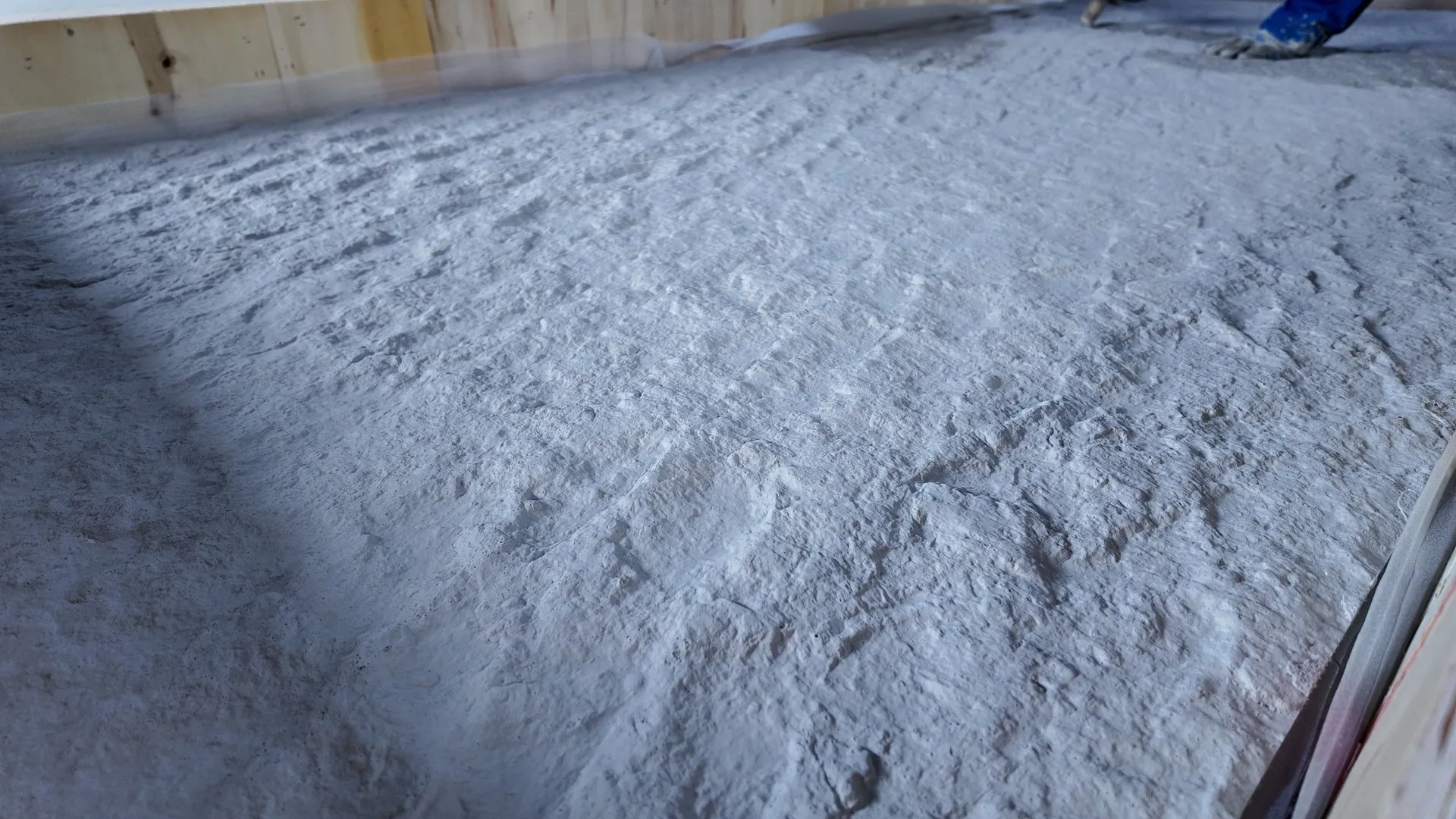
يصف السمك عمق الصفيحة النهائية. يُقاس من الوجه الخلفي إلى سطح الحجر. وبما أن اللوحة مُكوّنة من سطح حجري مُلصوق بشبكة من الألياف الزجاجية، فإن العمق يُحدّد في المصنع بدلاً من القطع في الموقع.
هذا التحكم مهم في المشروع. يمكن تصنيع لوحة لنفس النمط بأسماء مختلفة. الرقم المذكور في ورقة البيانات يخبر المثبّت بكيفية أداء الصفيحة بمجرد تركيبها على الجدار.
يتراوح نطاق سمك الحجر المرن من JMS Decor من 2 مم (الأرفع) إلى 8 مم (الأكثر سماكة). ويُربط الرقم بالنمط. إذ يمكن بناء finish ناعم بسمك رقيق، بينما يحتاج نمط عميق وبارز إلى مواد أكثر خلفه.
تُصنع كل لوحة من مسحوق الحجر الطبيعي، وهلام غير عضوي، وشبكة من الألياف الزجاجية. والتركيب تعديني الطابع وليس سطحاً مُغطّى، لذا فإن العمق جزء من الصفيحة منذ البداية.
يُكتب العمق بالمليمترات، ويُذكر في كل سطر طلب بجانب النمط وحجم اللوحة. ويمكن للمشتري أن يحمل عيّنة مقابل المواصفات ويتحقق من الرقم دون قص صفيحة. ولذلك يُعد الرقم أحد أول الأسطر في ورقة البيانات.
يمكن لصفيحة رقيقة وصفيحة سميكة ارتداء نفس النمط. والفرق هو كمية المادة الموجودة خلف السطح، وهو ما يغير وزن اللوحة وطريقة انحنائها. لوحتان تبدوان متشابهتين على الجدار قد تتصرفان بشكل مختلف تماماً عند اللمس باليد.
نطاق 2 إلى 8 مم في التطبيق العملي
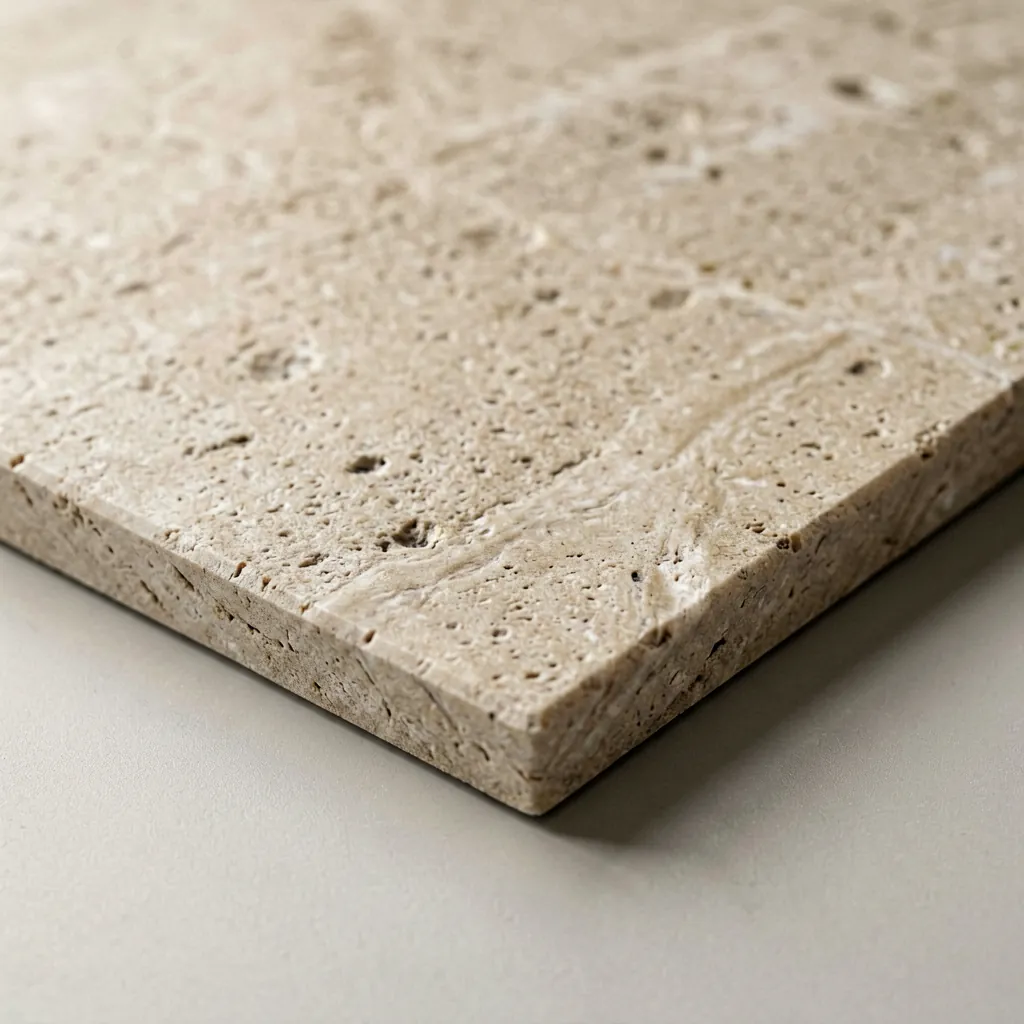
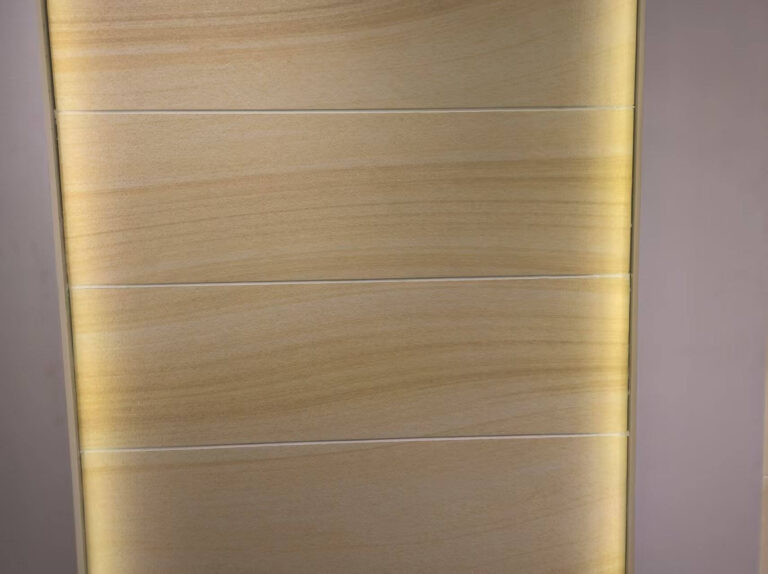
الأرقّ هو الأفضل في الانحناء والنقل. صفيحة بسمك 2 مم هي درجة الشفافية، رفيعة بما يكفي لتمرير الضوء وخفيفة بما يكفي ليحملها عامل واحد.
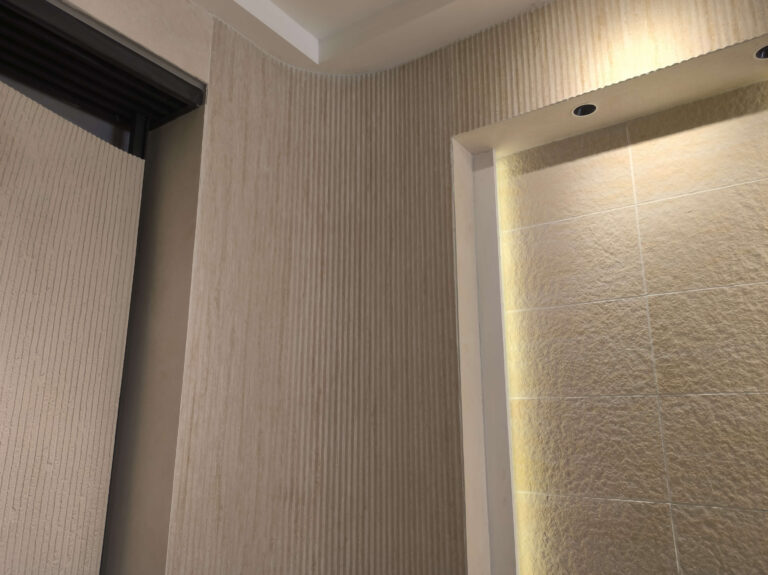
تتراوح معظم الأنماط في منتصف الطيف. يُبنى تشطيب الحجر الجيري Travertine على سماكة تتراوح بين 2.5 مم إلى 3 مم، مما يحافظ على تفاصيل السطح مع السماح بثني محدود.
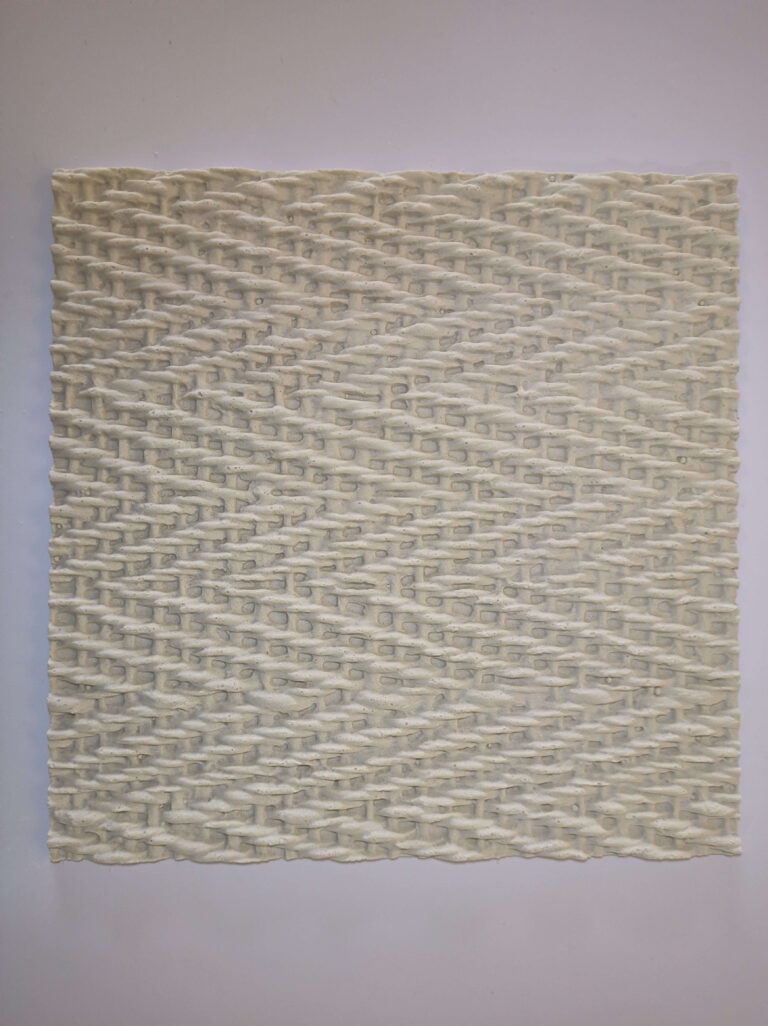
تصل أقصى سماكة للألواح إلى 8 مم وتحمل أعمق النقوش النصفية. ولا تزال وزنُها جزءاً ضئيلاً من وزن الحجر الطبيعي، كما تُثبّت بنفس طريقة اللصق المعتمدة.
الحجم القياسي للوح هو 1200 × 600 مم. ويمكن إنتاج المجموعة بأبعاد تصل إلى 1200 × 2900 مم للجدران الشاهقة. وتعمل السماكة والحجم بتناغم، لأن الألواح الأكبر حجماً يجب أن تظل مستوية على امتداد أفقي أطول.
يغطي النطاق المتوسط معظم أعمال الجدران، من الممرات إلى جدران الاستقبال. يحافظ اللوح ذو السماكة بين 3 و5 مم على حدة النمط ويظل مسطحاً وآمناً أثناء الشحن في الصناديق. يختار المشتري الفئة المناسبة لتشطيبه ومنحنى السطح، ثم يؤكد اختياره عبر عينة.
| فئة السماكة | مجال الاستخدام |
|---|---|
| 2 مم | ألواح شبه شفافة وجدران مميزّة مضاءة من الخلف |
| من 2.5 إلى 3 مم | تشطيبات Travertine والتشطيبات الدقيقة التي تنثني بشدة |
| من 3 إلى 5 مم | معظم أنماط الجدران والواجهات القياسية |
| من 6 إلى 8 مم | التشطيبات ذات النحت العميق على الأسطح الحاملة الجيدة |
كيف تؤثر السماكة على الوزن والأحمال
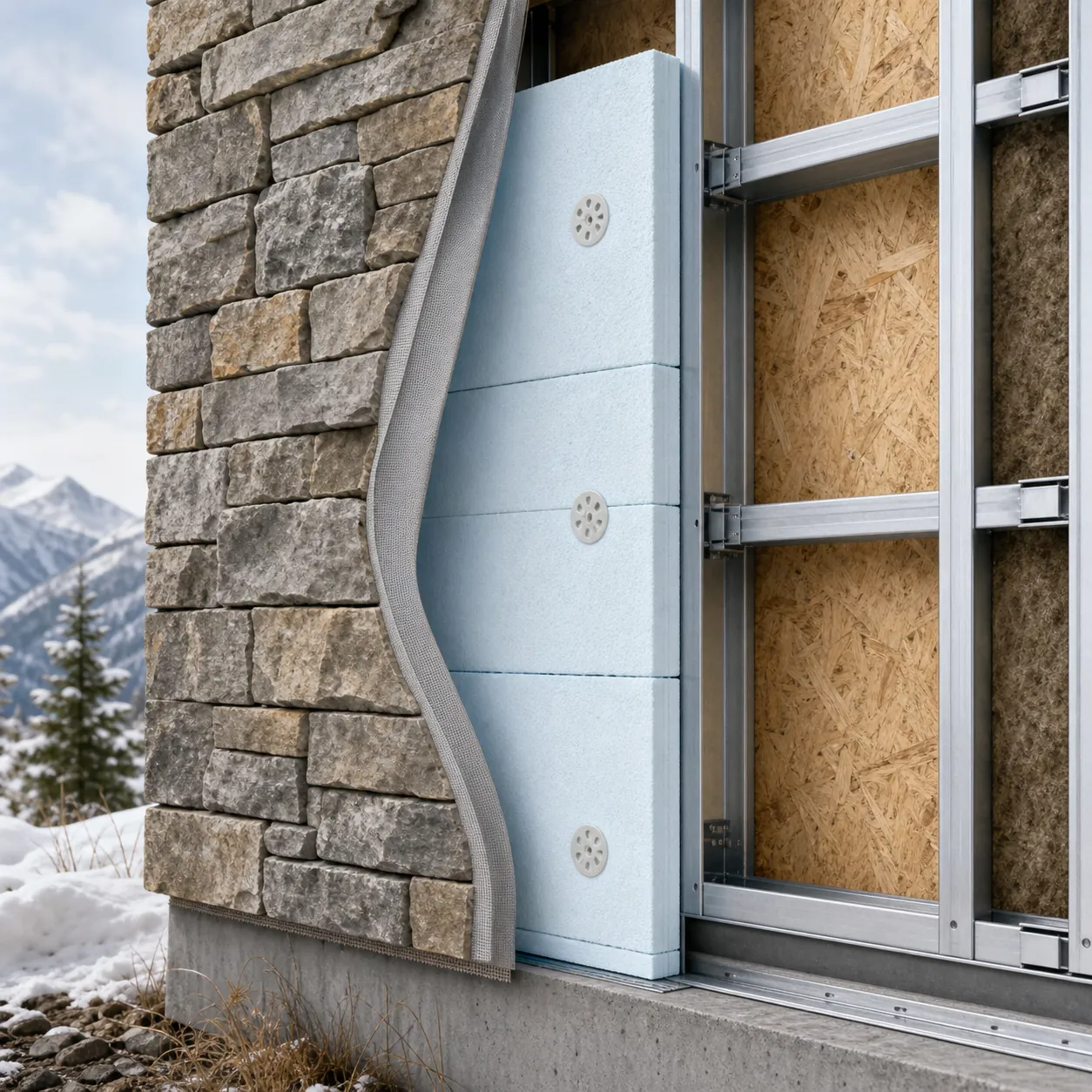
يتبع الوزن السماكة. في النطاق الكامل، تتراوح ألواحنا من 1.5 إلى 6 كجم لكل متر مربع، أي ما يعادل خامس وزن نفس المساحة من الحجر الطبيعي.
هذا الرقم هو السبب في أهمية اللوحة الرقيقة في أعمال الترميم. يضع اللوح الأخف حملاً أقل على الجدار الخلفي، وعلى الإطار والأرضية الحاملة لذلك الجدار.
الوزن يشكل أيضاً معادلات الشحن. فإن البالة الأخف تحوي المزيد من الأمتار المربعة لنفس تكلفة الشحن، مما يقلل من تكلفة التوصيل عبر المحيط. في المباني القديمة، قد يحدد هذا الرقم ما إذا كان الجدار يحتاج إلى هيكل دعم إضافي قبل تركيب الألواح.
| اللوح | الوزن لكل متر مربع |
|---|---|
| الحجر المرن عبر النطاق الكامل | من 1.5 إلى 6 كجم |
| حجر طبيعي لنفس المساحة | أثقل بنحو خمس مرات |
يمكن للمصمم المفاضلة بين الوزن والملمس. حيث يكون السطح القاعدي قوياً، يُعد النمط الأعمق والأثق خياراً متاحاً. أما حيث يكون السطح خفيفاً أو المبنى قديماً، فإن اللوحة الرقيقة تبقي الحمل منخفضاً.
تنطبق نفس المنطق على النطاق الأوسع من ألواح حجرية مرنة, ، حيث يُذكر الوزن وال finish معاً في كل سطر.
على الجدران العالية، يتراكم الحمل عبر العديد من الألواح. يجعل الألواح الرقيقة هذا الإجمالي منخفضاً، وهو أمر بالغ الأهمية على الهياكل خفيفة الوزن أو الجدران التي لم تُبنَ لتحمل وزن الحجر. تظهر هذه الميزة توفيراً في الهيكل الإنشائي وكذلك في التشطيب النهائي.
السماكة ونصف قطر الانحناء الأدنى

Bend and thickness are linked. A thinner sheet bends to a tighter curve, and a thicker one needs a wider radius before the surface starts to strain.
The general minimum bend radius is about 200mm. A complex, thick pattern such as Starmoon Stone needs a wider radius of about 300mm, because the deep relief does not compress.
Thin finishes go the other way. A travertine sheet at 2.5 to 3mm can take a smaller radius, which opens up narrow columns and tight arches.
A curve is measured across the outside of the panel, and the radius has to suit the pattern as well as the depth. A deep relief finish resists a tight bend more than a smooth one does. The sheet should be tested against the curve before the order is placed.
The full picture of curves sits in our guide to the flexible stone minimum bend radius.
Thinner Panels for Translucent and Curved Work
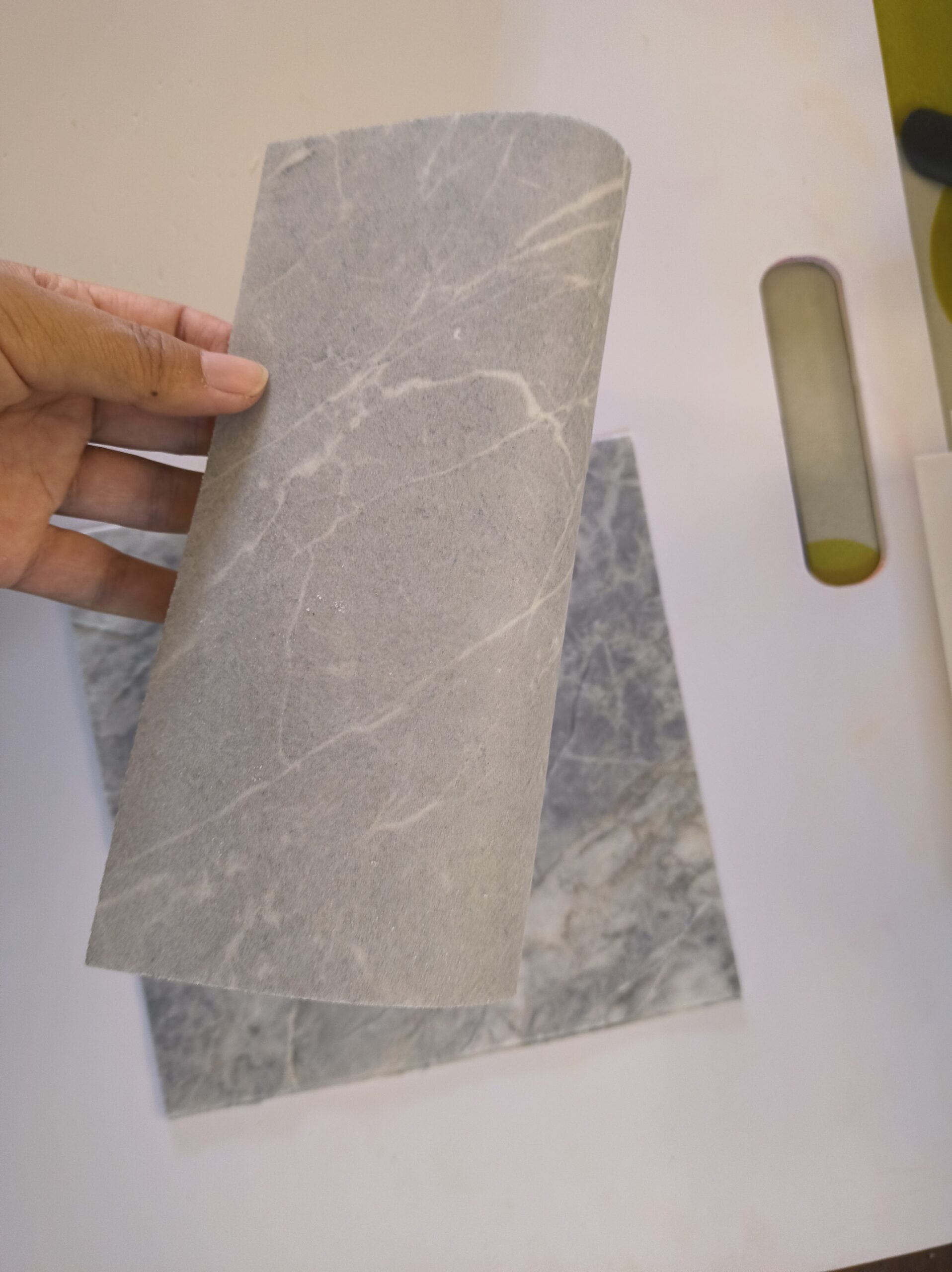
The thinnest end of the range is where light comes in. A 2mm translucent panel lets a backlight pass through the stone and turns a wall into a feature.
That grade is used on bar fronts, reception desks and feature walls where the glow is part of the design. The same thinness makes it simple to wrap a curve.
Light and curve often meet in a hotel lobby or a bar. A thin panel wraps the column and still lets a backlight glow through the stone. One sheet then does the work of a feature wall and a lighting element at the same time.
Where a designer wants a deeper pattern on a curved wall, the two needs are balanced at the sampling stage. A slightly thicker sheet can take a wider radius, and a slightly thinner one can take a tighter curve. The sample shows which trade-off fits the drawing.
Thin sheets also cut and handle easily. A fitter can shape them around a column without the breakage that comes with a rigid slab, which is the difference set out in flexible stone versus sintered stone.
Matching Thickness to the Substrate
The sheet has to match the wall behind it. A smooth, sound substrate takes a thin panel fixed with a dedicated adhesive, while a rougher surface may suit a thicker sheet that levels small variation.
Because the panels are light, they can fix over an existing finish in a refurbishment. That removes the demolition and the dust that a tile strip-out brings.
The panels are fixed with a dedicated adhesive, so there is no mortar, no plaster and no heavy noise or dust. A crew can fit a run of panels at night and hand the room back the next morning. That is what allows a refurbishment to move from one room to the next without closing a floor.
The panels are cut with a simple knife or a small saw, which keeps the tools light on site. Offcuts are small and light, so the waste on a job stays low. A fitter can carry a whole day of panels by hand.
Support materials come from the same factory. Adhesive, sealant and installation accessories are supplied with the panels, so the fixing matches the sheet. The standard minimum order is 300 square metres, explained in our guide to الحد الأدنى للطلب على الحجر المرن, and it can be adjusted for a smaller job.
Fire class holds across the range. JMS Decor flexible stone is tested to ASTM E84 Class A, with a flame spread index of 25 or below, and to EN 13501-1 Class A2 for European projects. The factory runs a quality system to ISO 9001 و ISO 14001, and production keeps a defect rate below 1 percent.
إن flexible stone wall panel manufacturer behind these figures supplies the full range, and the articles around it sit under product and specification guides.
Frequently Asked Questions on Thickness

Depth questions come up early on a quotation, because they touch weight, curve and cost. The answers below cover the ones buyers raise most often, and each points back to the range behind the sheet.
What flexible stone thickness range is available?
The range runs from 2mm to 8mm. The thin end includes a 2mm translucent panel, while the thick end carries the deepest stone patterns. Standard panels are made at 1200 by 600mm and can reach 1200 by 2900mm for tall walls.
Does thickness change the weight of a sheet?
Yes. Weight runs from 1.5 to 6 kg per square metre across the range, which is about one fifth of natural stone. A thinner sheet puts less load on the wall, the frame and the floor that carry it.
Which thickness bends the tightest?
A thinner sheet bends to a tighter radius. The general minimum bend radius is about 200mm, and a thin travertine finish at 2.5 to 3mm can go smaller. A thick, relief-heavy pattern needs a wider radius, around 300mm.
What is the 2mm translucent panel used for?
The 2mm grade lets a backlight pass through the stone. It is used on bar fronts, reception desks, hotel feature walls and displays where the glow is part of the design and the sheet has to wrap a curve.
Can I confirm thickness before ordering?
Yes. Standard patterns are sampled in 2 to 3 days, and a private colour takes about 7 days. Ask for the finish and the curve you have in mind, and the thickness and weight can be confirmed against a physical sample first.