Rising insurance costs are now a primary driver behind major facade upgrades, directly threatening a building’s financial viability. Following several high-profile fires, insurers view combustible cladding as an unacceptable liability, leading to massive premium hikes or even outright refusal of coverage. This leaves asset managers with an uninsurable property, a devalued portfolio, and a significant safety risk that cannot be ignored.
This guide outlines the direct link between A2 fire-rated cladding and manageable insurance premiums. We will cover the specific documentation insurers require to verify facade safety, from fire test reports to compliance certificates. We’ll also detail how to assemble a comprehensive risk assessment profile that demonstrates proactive fire safety measures, providing a clear path to securing favorable coverage.
Analyzing Market Trends: What Architects Want
In 2026, architectural firms are no longer passive insurance buyers; they are actively managing risk and leveraging progressive contracts to secure higher coverage limits and combat rising premiums driven by social inflation and new technological exposures.
Higher Coverage Limits and Competitive Pricing
As project complexity and scale increase, architects are prioritizing professional liability insurance with greater capacity. Firms leading large, intricate designs find that standard policy limits, which some carriers now cap at $5 million, are insufficient.
This has created a demand for specialized coverage from insurers willing to underwrite higher-risk projects. To get competitive pricing, firms must now demonstrate strong risk control and safety protocols, directly tying their management practices to their insurance costs.
Emphasis on Proactive Risk Management
To secure favorable insurance terms and control costs, architectural firms are adopting more sophisticated risk management strategies. They are using progressive contracting models to better define and allocate liability before a project begins, which reduces ambiguity and potential disputes. A formally documented risk management plan is now a critical asset during underwriting.
These strategies are a direct response to the rising severity of claims and help firms show insurers they are a well-managed risk.
Navigating New Risks and Market Pressures
The insurance market for architects is shaped by external forces. Social inflation continues to drive up the cost of claims settlements, putting upward pressure on premiums. At the same time, emerging technological risks, particularly those associated with AI in design and project management, present new and undefined liabilities for underwriters to consider.
Rate growth remains moderate but divergent: firms with favorable risk profiles see increases of 0–5%, while those with more challenging exposures face rate hikes between 5–15%.
Top 3 High-Margin Wall Panel Products
High-margin opportunities in wall panels are found at the extremes: high-value architectural materials, high-volume consumer products, and code-driven niche solutions.
Product 1: Large Format Flexible Stone (High Value)
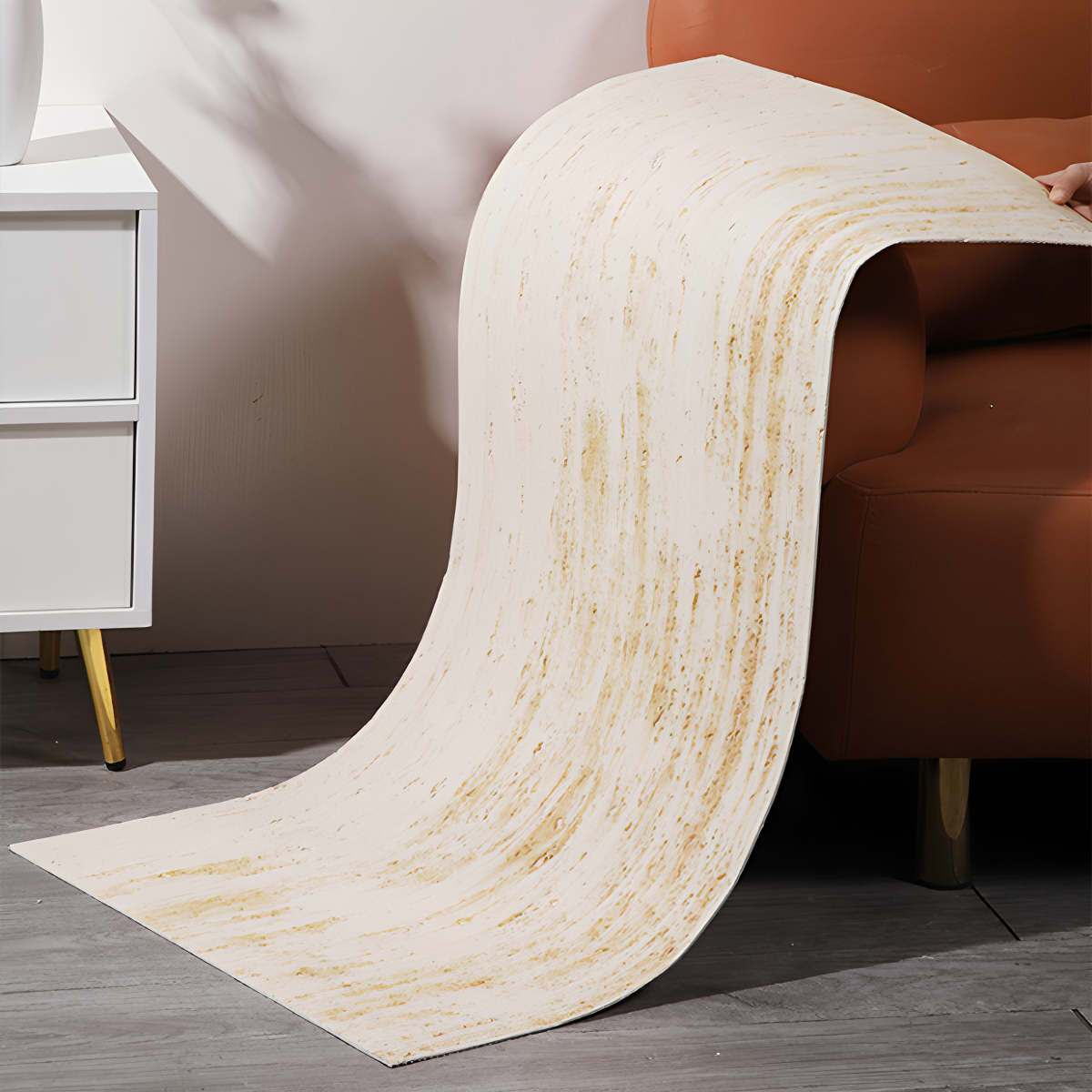
Flexible stone panels occupy a high-value architectural segment. Composed of modified clay and natural stone powder, these panels offer the look of stone at a fraction of the weight, typically 3.5 to 6.0 kg/m². At just 3-5mm thick, they can be bent to wrap curved columns or walls, a task impossible for traditional stone or tile.
This category leverages technology like 3D printing to create custom finishes, providing architects with a lightweight, versatile material for both exterior and interior applications where structural load and design freedom are key concerns.
- Engineered with a Class A2 non-combustible fire rating and tested for freeze-thaw cycles down to -40°C.
- The waterproof core withstands direct water pressure, making it suitable for both exterior facades and interior wet areas.
- Accessible to specialized projects with a low minimum order quantity (MOQ) of around 200 square meters, bypassing the bulk purchasing requirements of quarried stone.
Product 2: Peel & Stick DIY Packs (High Volume)
The peel-and-stick panel market is a high-volume business driven by the residential DIY sector. These products, typically made from PVC, vinyl, or foam, feature a pre-applied adhesive backing that eliminates the need for professional installers or specialized tools.
The model prioritizes accessibility and aesthetic flexibility over long-term performance, serving homeowners and renters who want a fast, low-cost visual upgrade without committing to a permanent renovation. Success in this category depends on inventory turn rate and staying ahead of design trends.
- Requires minimal tools and no specialized labor, targeting the high-volume DIY residential sector.
- Available in a vast range of finishes, including 3D textures, faux stone, and wood looks, to meet fast-changing consumer trends.
- The business model is built on small-scale projects like accent walls and kitchen backsplashes, where ease of install is the primary value.
Product 3: Fire-Rated Timber Look (Niche)
Fire-rated panels with a timber aesthetic command premium pricing in a profitable niche market. These products solve a critical conflict in commercial design: the desire for the warmth of wood and the legal requirement for non-combustibility. By bonding a realistic wood veneer or finish to a fire-resistant core, they meet strict Class A fire codes for public spaces. Their primary market is commercial contractors and architects specifying for hotels, offices, and healthcare facilities where safety compliance is mandatory and non-negotiable.
- Carries certifications like ASTM E84 Class A, which is a requirement for many commercial projects and can directly lower insurance liabilities.
- Combines the visual appeal of wood with a fire-resistant core, eliminating the combustibility risk of traditional timber panels.
- Engineered specifically for regulated environments where building codes dictate material selection.
Elevate Your Designs with Customizable Stone Veneer.
Top 3 High-Margin Wall Panel Products
High-margin opportunities in wall panels are found at the extremes: high-value architectural materials, high-volume consumer products, and code-driven niche solutions.
Product 1: Large Format Flexible Stone (High Value)

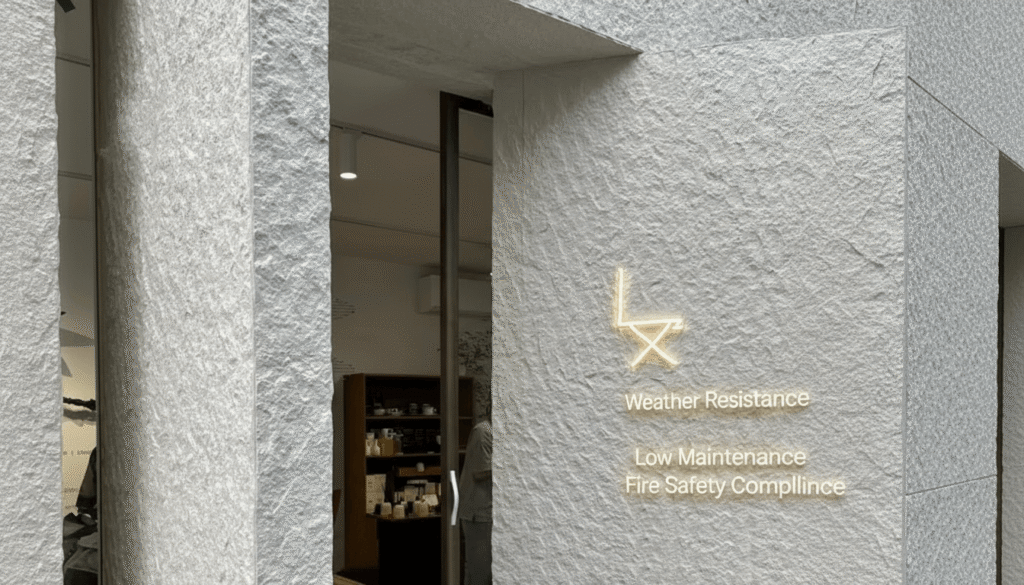
Flexible stone panels occupy a high-value architectural segment. Composed of modified clay and natural stone powder, these panels offer the look of stone at a fraction of the weight, typically 3.5 to 6.0 kg/m². At just 3-5mm thick, they can be bent to wrap curved columns or walls, a task impossible for traditional stone or tile. This category leverages technology like 3D printing to create custom finishes, providing architects with a lightweight, versatile material for both exterior and interior applications where structural load and design freedom are key concerns.
- Engineered with a Class A2 non-combustible fire rating and tested for freeze-thaw cycles down to -40°C.
- The waterproof core withstands direct water pressure, making it suitable for both exterior facades and interior wet areas.
- Accessible to specialized projects with a low minimum order quantity (MOQ) of around 200 square meters, bypassing the bulk purchasing requirements of quarried stone.
Product 2: Peel & Stick DIY Packs (High Volume)

The peel-and-stick panel market is a high-volume business driven by the residential DIY sector. These products, typically made from PVC, vinyl, or foam, feature a pre-applied adhesive backing that eliminates the need for professional installers or specialized tools. The model prioritizes accessibility and aesthetic flexibility over long-term performance, serving homeowners and renters who want a fast, low-cost visual upgrade without committing to a permanent renovation. Success in this category depends on inventory turn rate and staying ahead of design trends.
- Requires minimal tools and no specialized labor, targeting the high-volume DIY residential sector.
- Available in a vast range of finishes, including 3D textures, faux stone, and wood looks, to meet fast-changing consumer trends.
- The business model is built on small-scale projects like accent walls and kitchen backsplashes, where ease of install is the primary value.
Product 3: Fire-Rated Timber Look (Niche)

Fire-rated panels with a timber aesthetic command premium pricing in a profitable niche market. These products solve a critical conflict in commercial design: the desire for the warmth of wood and the legal requirement for non-combustibility. By bonding a realistic wood veneer or finish to a fire-resistant core, they meet strict Class A fire codes for public spaces. Their primary market is commercial contractors and architects specifying for hotels, offices, and healthcare facilities where safety compliance is mandatory and non-negotiable.
- Carries certifications like ASTM E84 Class A, which is a requirement for many commercial projects and can directly lower insurance liabilities.
- Combines the visual appeal of wood with a fire-resistant core, eliminating the combustibility risk of traditional timber panels.
- Engineered specifically for regulated environments where building codes dictate material selection.
Analyzing Market Trends: What Architects Want
In 2026, architectural firms are no longer passive insurance buyers; they are actively managing risk and leveraging progressive contracts to secure higher coverage limits and combat rising premiums driven by social inflation and new technological exposures.
Higher Coverage Limits and Competitive Pricing
As project complexity and scale increase, architects are prioritizing professional liability insurance with greater capacity. Firms leading large, intricate designs find that standard policy limits, which some carriers now cap at $5 million, are insufficient. This has created a demand for specialized coverage from insurers willing to underwrite higher-risk projects. To get competitive pricing, firms must now demonstrate strong risk control and safety protocols, directly tying their management practices to their insurance costs.
Emphasis on Proactive Risk Management
To secure favorable insurance terms and control costs, architectural firms are adopting more sophisticated risk management strategies. They are using progressive contracting models to better define and allocate liability before a project begins, which reduces ambiguity and potential disputes. A formally documented risk management plan is now a critical asset during underwriting. These strategies are a direct response to the rising severity of claims and help firms show insurers they are a well-managed risk.
Navigating New Risks and Market Pressures
The insurance market for architects is shaped by external forces. Social inflation continues to drive up the cost of claims settlements, putting upward pressure on premiums. At the same time, emerging technological risks, particularly those associated with AI in design and project management, present new and undefined liabilities for underwriters to consider. Rate growth remains moderate but divergent: firms with favorable risk profiles see increases of 0–5%, while those with more challenging exposures face rate hikes between 5–15%.
Analyzing Market Trends: What Architects Want
In 2026, architectural firms are no longer passive insurance buyers; they are actively managing risk and leveraging progressive contracts to secure higher coverage limits and combat rising premiums driven by social inflation and new technological exposures.
Higher Coverage Limits and Competitive Pricing
As project complexity and scale increase, architects are prioritizing professional liability insurance with greater capacity. Firms leading large, intricate designs find that standard policy limits, which some carriers now cap at $5 million, are insufficient.
This has created a demand for specialized coverage from insurers willing to underwrite higher-risk projects. To get competitive pricing, firms must now demonstrate strong risk control and safety protocols, directly tying their management practices to their insurance costs.
Emphasis on Proactive Risk Management
To secure favorable insurance terms and control costs, architectural firms are adopting more sophisticated risk management strategies. They are using progressive contracting models to better define and allocate liability before a project begins, which reduces ambiguity and potential disputes. A formally documented risk management plan is now a critical asset during underwriting. These strategies are a direct response to the rising severity of claims and help firms show insurers they are a well-managed risk.
Navigating New Risks and Market Pressures
The insurance market for architects is shaped by external forces. Social inflation continues to drive up the cost of claims settlements, putting upward pressure on premiums. At the same time, emerging technological risks, particularly those associated with AI in design and project management, present new and undefined liabilities for underwriters to consider.
Rate growth remains moderate but divergent: firms with favorable risk profiles see increases of 0–5%, while those with more challenging exposures face rate hikes between 5–15%.
Conclusion
High-rise buildings face a growing insurance crisis tied directly to combustible cladding risks. Upgrading to A2 fire-rated cladding and providing insurers with thorough documentation, including fire safety certificates and risk profiles, is the most effective strategy. This proactive approach addresses the core concerns of underwriters, making your property more insurable at a favorable premium.
If you are assessing a new project or a facade renovation, consider materials with verified A2 fire-rating documentation from the start. We can provide the necessary technical data and certifications to help streamline your insurance negotiations and procurement process.
Frequently Asked Questions
Cladding fire rating insurance cost?
The fire rating of cladding is a primary factor in determining insurance costs. Buildings with non-combustible or highly fire-resistant cladding (e.g., A1 or A2 rated) receive significantly lower premiums due to the reduced risk of external fire spread. Conversely, properties with combustible cladding, such as certain types of Aluminum Composite Material (ACM), are considered high-risk exposures, leading to substantially higher premiums, increased deductibles, or even denial of coverage by many insurers.
Lowering commercial building insurance?
To lower commercial building insurance premiums, focus on comprehensive risk management. Key strategies include upgrading the facade to non-combustible materials, installing and maintaining advanced fire suppression systems like sprinklers and alarms, and ensuring robust security measures are in place. Presenting a proactive risk management plan, maintaining a positive claims history, and providing up-to-date certifications for all safety systems demonstrates a favorable risk profile to underwriters, leading to more competitive terms.
Non-combustible cladding insurance benefits?
Installing non-combustible cladding provides significant insurance benefits. The primary advantage is access to lower premiums and more favorable policy terms due to the drastically reduced fire risk. Additionally, it expands access to the insurance market, as many carriers will not quote policies for buildings with combustible materials. This increased competition can lead to better pricing and higher available coverage limits, enhancing the building’s overall value and financial viability.
Replacing combustible cladding for insurance?
Yes, replacing combustible cladding is a critical step to secure affordable and comprehensive insurance. Insurers classify buildings with such materials as challenging risks, often resulting in policy refusal or prohibitively expensive premiums. The replacement process, known as remediation, de-risks the asset in the eyes of underwriters. Upon completion, with proper certification, the building becomes eligible for standard insurance policies, lower costs, and better coverage terms, often providing a long-term return on the investment.
Fire safety certificate for facade?
A fire safety certificate for a facade, often an EWS1 form or a similar jurisdictional document, is an official assessment conducted by a qualified professional like a fire engineer. It certifies that the external wall system, including cladding, insulation, and fire barriers, meets current fire safety standards. For insurers, this certificate is non-negotiable; it provides essential, third-party validation that the facade does not pose an undue fire risk, which is a prerequisite for underwriting a policy with favorable terms.

 English
  Spanish
  French
  Arabic
  German