Inefficient tile logistics directly erodes project profitability, turning every shipping container into a source of hidden financial loss. Most importers accept that shipping heavy, fragile ceramic means paying for empty container space simply because the weight limit is reached long before the container is physically full. This operational overhead, combined with a standard breakage rate that can wipe out 5% of your inventory before it reaches the warehouse, silently eats into the margins on every single shipment.
This analysis provides a direct, data-driven comparison of the shipping metrics for traditional ceramic tile and flexible stone veneers. We will break down the numbers on container loading capacity, quantify the financial impact of this “dead space” caused by weight limits, and contrast a typical 5% product loss against a 0% breakage rate. The goal is to establish a clear framework for evaluating the total landed cost of your building materials, from the port to the final job site delivery.

The “Dead Space” in Tile Containers (Weight Limit)
The biggest hidden cost in tile logistics isn’t freight rates; it’s paying to ship empty air because heavy, rigid materials max out a container’s weight limit long before its volume is full.
The Weight vs. Volume Problem
Shipping traditional ceramic or stone tiles is a compromises. The core issue is that these dense materials hit the maximum gross weight limit of a container—typically 30,480 kg for a 20ft unit—while leaving a significant portion of the physical space empty. This inefficiency, known as “weighing out,” means you’re paying full price for a container that is only partially utilized by volume. The problem gets worse with ground transport, where axle weight restrictions can impose even lower payload limits, further increasing the amount of unused “dead space” in every shipment.
- Heavy, rigid tiles have a poor space-to-weight ratio, making it physically impossible to fill a container by volume without exceeding weight limits.
- This unused volume is a direct financial loss, as the full freight cost is divided over fewer square meters of product.
- Axle weight regulations for trucks often force even lighter loading, compounding the dead space problem before the container even reaches the port.
| Logistics Metric | Traditional Ceramic/Stone Tile | JMS Flexible Stone Panels |
|---|---|---|
| Average Material Weight | 20 – 25 kg/m² | 3.5 – 6.0 kg/m² |
| Typical Load (20ft Container) | ~800 m² (Weight Limited) | ~4,000 m² (Volume Limited) |
| Wasted Volumetric Capacity | 10-20% (Industry Average) | ~0% (Optimized Packing) |
Financial Impact of Wasted Capacity
Every cubic meter of air shipped is a direct hit to your profit margin. Industry analysis confirms that the combination of rigid tile formats and heavy weight leads to 10-20% of a container’s potential capacity being wasted. This isn’t just a minor inefficiency; it’s a structural flaw in the supply chain. When shipping costs are calculated on a per-container basis, this wasted space inflates the landed cost of every single tile. The result is either compressed margins for the distributor or higher prices for the end-user, making the product less competitive.
- Each cubic meter of empty space represents a sunk cost in freight charges that yields zero return.
- Higher logistics costs per unit force distributors to either raise prices or accept lower profitability.
- This inefficiency forces importers to order more containers to ship the same total square meters, increasing overall project expenses and logistical complexity.
How Flexible Panels Solve the Dead Space Issue
JMS Decor’s flexible stone panels are engineered to solve the dead space problem at its root. Their lightweight composition—just a fraction of traditional tile—means a container can be loaded with far more square meters of material before approaching the weight limit. This allows for true volumetric optimization. The panels’ flexibility enables them to be packed tightly in crates or on pallets, eliminating the air pockets and voids inherent to shipping rigid, brittle tiles. This “perfect nesting” maximizes the use of every cubic meter you pay for.
- The extremely low weight (3.5-6.0 kg/m²) ensures that the container’s volume is the limiting factor, not its weight capacity.
- Flexible sheets are packed without the wasted space common between rigid tiles, achieving near-100% space utilization.
- Optimizing each shipment reduces the total number of containers required for a project, delivering significant savings on transportation and improving supply chain efficiency.
Loading Capacity: 4000m² (Flex) vs 800m² (Tile)
The biggest logistics miscalculation for building materials isn’t volume, it’s weight. Dense products like tile hit a container’s payload limit with huge amounts of empty space, creating a massive cost-per-meter disadvantage compared to lightweight systems.
Container Weight Limits
Shipping containers are governed by their maximum payload weight, not just their physical dimensions. For any dense material, weight is the true constraint. A standard container is typically capped at a payload of 26-28 metric tons. Heavy materials like stone or ceramic tile cause a shipment to “weigh out” long before it “cubes out,” meaning the weight limit is reached while significant physical volume is left completely empty. This inefficiency directly inflates the shipping cost per square meter, a critical factor for project budgets in 2026 and beyond.
Flexible Panels: Maximizing Area per Shipment
JMS Decor’s flexible stone panels are engineered for logistical efficiency, weighing only 3.5 to 6.0 kg per square meter. This extremely low weight allows a standard container to be loaded with approximately 4,000m² of material before nearing its maximum payload. The high area-to-weight ratio means freight costs are spread across a much larger quantity of product, drastically lowering the per-unit transportation expense. This gives our B2B partners a clear landed-cost advantage and simplifies freight management, as fewer containers are needed to supply large-scale projects.
| Metric | Flexible Stone Panels (JMS Decor) | Traditional Stone/Ceramic Tile |
|---|---|---|
| Average Weight per m² | 3.5 – 6.0 kg | ~25 kg |
| Max Load per Container (m²) | Approx. 4,000 m² | Approx. 800 m² |
| Governing Limit | Volume (Container space fills) | Weight (Max payload reached) |
| Logistics Efficiency | High (5x more product per shipment) | Low (Significant wasted volume) |
Traditional Tile: Reaching Weight Ceilings Quickly
The high density of traditional stone and ceramic tile means a container hits its maximum weight limit with only about 800m² of product loaded. A large portion of the container’s physical space is left empty but unusable. Transporting the same surface area requires five times the number of shipments compared to flexible panels. This multiplies expenses across the entire supply chain, including ocean freight, customs brokerage, drayage, and port handling fees for every project. This unused volume represents a major and costly logistical inefficiency for any distributor or contractor dealing in traditional tile.
Transform Spaces with Customizable Stone Veneer
Breakage Rates: 5% (Tile) vs 0% (Flex)
The accepted 5% breakage rate for ceramic tile is a direct tax on project timelines and budgets, creating hidden costs in over-ordering, logistics rework, and labor delays.
The Industry Standard for Tile Damage
Conventional building materials like ceramic and porcelain are inherently brittle. This fragility creates an accepted industry breakage rate of around 5% that occurs during shipping, handling, and on-site installation. Distributors and contractors must factor these losses directly into their inventory planning and project pricing.
Heavy loads shifting in transit are a primary cause of hairline cracks and complete fractures. To compensate, contractors routinely order 10-15% more material than needed, passing the cost of this waste and the damaged goods directly into the project’s budget.

| Metric | Traditional Ceramic/Porcelain Tile | JMS Decor Flexible Stone |
|---|---|---|
| Breakage Rate (Transit & Handling) | Industry average 5% | Near-zero breakage rate |
| Required Over-Ordering | 10-15% typical to cover cuts & damage | None; every panel is usable |
| Material Composition | Brittle ceramic or porcelain | Composite with impact-absorbing backing |
| On-Site Handling Risk | High risk of cracks and fractures | Shatterproof and highly durable |
Resilience of Flexible Stone Panels
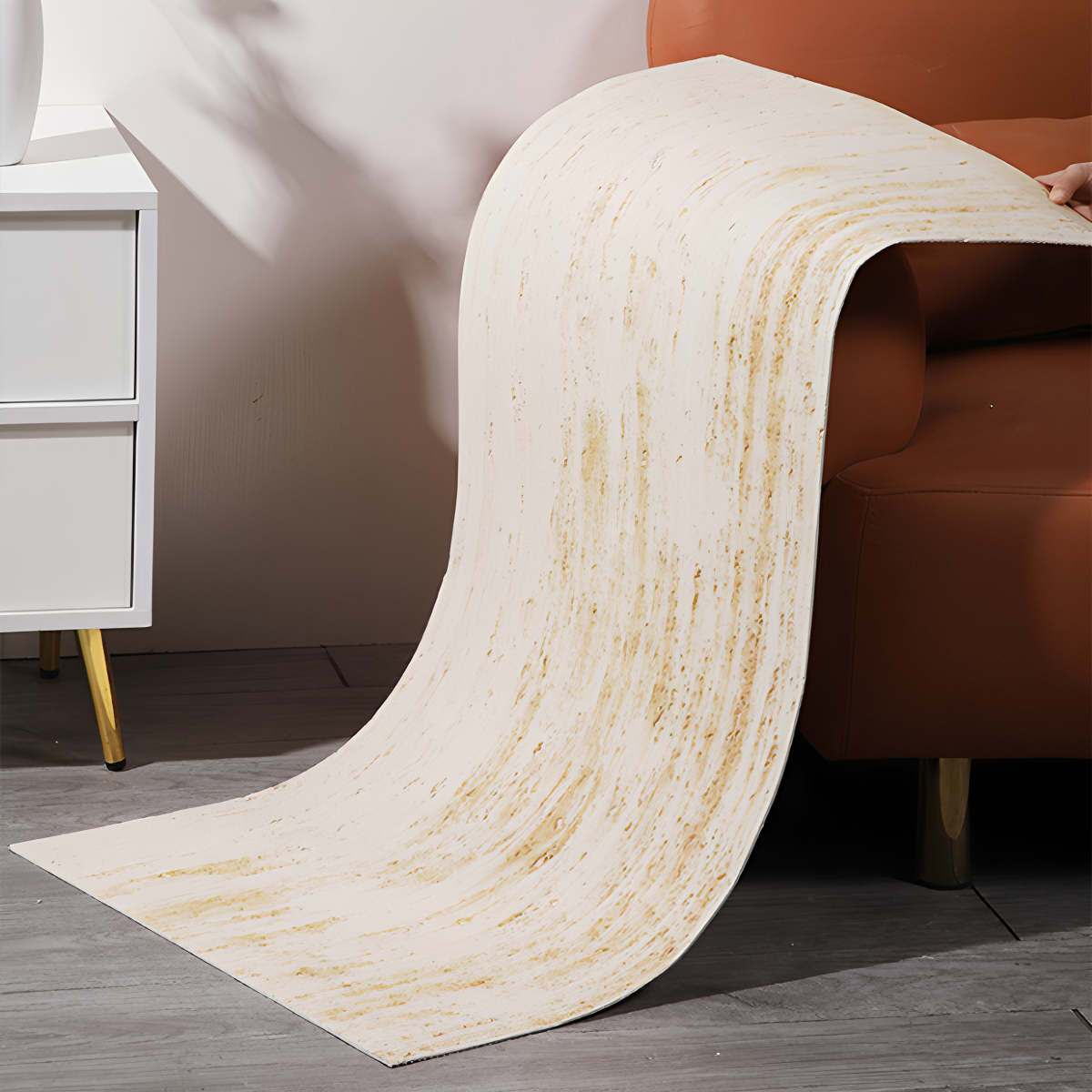
JMS Decor’s flexible stone panels achieve a near-zero breakage rate. The product’s composite structure, which combines modified clay material with an impact-absorbing fiber mesh backing, allows it to withstand shocks, vibrations, and bending that would shatter conventional tile. This inherent resilience protects the material throughout the entire supply chain, from factory loading to final installation on the job site.

- The shatterproof design means every panel ordered is usable, which eliminates the financial burden of over-ordering.
- Installers can handle the material with greater confidence, reducing the risk of on-site accidents and material waste during cutting and placement.
- Durability guarantees that what you specify is what gets installed, preserving design integrity without last-minute compromises due to damaged stock.
Calculating the Total Cost of Breakage
The true cost of breakage extends far beyond the price of a single broken tile. It introduces significant downstream expenses related to managing returns, processing reorders, and absorbing project delays. These hidden operational costs are entirely avoided by using resilient flexible panels that arrive at the job site intact and ready for installation.
- Logistics rework for damaged shipments creates extra administrative overhead and new freight charges that erode profit margins.
- Waiting for replacement materials can halt construction schedules, leading to increased labor costs and potential penalties for project delays.
- Consistently delivering undamaged products strengthens business relationships and builds a reputation for reliability with contractors and developers.
Last-Mile Delivery Costs to Job Site
The final delivery from warehouse to job site often constitutes over half of total shipping expenses, a cost directly amplified by the weight of building materials.
Weight, Fuel, and Labor Expenses
Last-mile delivery is the most expensive leg of any logistics chain. The weight of materials directly scales these costs. Heavier goods demand more fuel and more intensive labor to move from a local warehouse to the final installation site. Fuel typically accounts for about 30% of these final delivery costs, and dense materials like traditional stone or tile panels increase consumption. Labor, another 25% of the expense, also rises when bulky pallets require more personnel or specialized equipment like forklifts for unloading.
Lighter solutions, such as flexible stone panels weighing only 3.5-6.0 kg/m², fundamentally change this cost structure. They reduce the vehicle’s gross weight, which lowers fuel consumption and simplifies handling at the destination. A single worker can often manage the panels, reducing the need for extra labor or heavy machinery on site.
Challenges at the Construction Site
Construction sites introduce unique delivery variables that inflate costs. Limited or uncertain site access for large trucks, combined with the need to carefully handle fragile materials, creates operational bottlenecks. Every extra maneuver and minute spent unloading heavy, breakable items adds to the project’s bottom line.
- Moving heavy, fragile materials like ceramic tile increases the risk of costly damage during the final, most chaotic stage of transit.
- Difficult site access can prevent large trucks from unloading near the installation point, forcing time-consuming manual transport across the site.
- The on-site coordination needed to receive, inspect, and stage heavy materials adds a layer of management complexity for contractors.
Route and Load Optimization
Modern logistics platforms use route optimization to attack the high costs of last-mile delivery, often cutting transport expenses by 10-30%. The effectiveness of these systems depends on the flexibility of the cargo. Lighter materials enable more efficient load planning, allowing for more deliveries per trip in smaller, more agile vehicles that can better navigate urban environments and restricted job sites.
When a product is lightweight and durable, dispatchers can pack vehicles to full volumetric capacity without worrying about weight limits. This allows a single truck to serve more locations per route. Better real-time tracking systems also give contractors clear visibility into delivery times, helping them allocate on-site labor precisely when it’s needed and avoiding crew downtime.
Warehousing Space Efficiency
The physical properties of flexible stone panels—lightweight and compact—directly translate into higher storage density and lower operational costs within existing warehouse footprints.
Cubic Space Utilization
Traditional stone and tile are bulky, creating inefficiencies in storage. Flexible stone panels, being thin and lightweight, permit much denser vertical stacking. This approach maximizes the use of a warehouse’s cubic space. Instead of needing wide aisles for heavy-duty forklifts, our panels can be stored in compact formats, increasing storage capacity by up to 40% within an existing facility. This isn’t theoretical; it’s a direct result of superior product geometry.
- Our panels use vertical warehouse space far more effectively than bulky traditional materials.
- This dense storage can delay or eliminate the need for costly facility expansion as inventory scales.
Optimized Inventory Footprint
The compact profile of flexible stone simplifies warehouse layouts and streamlines inventory control. Implementing a velocity-based layout, where high-demand items are positioned for quick access, becomes far more practical with uniform, lightweight stock. This strategy consistently yields a 15–30% improvement in operational efficiency and accelerates order fulfillment cycles. Storing more product in a smaller, better-organized area reduces fixed overhead costs like rent and climate control.
- Storing more product in a smaller area reduces overhead costs like rent and climate control.
- Improved inventory density and accessibility directly contribute to faster turnaround times for customer orders.
Reduced Material Handling Demands
Handling heavy, brittle tiles demands specialized equipment and careful manual labor to prevent costly breakage. Our flexible stone panels, weighing just 3.5-6.0 kg/m², are durable and light enough for modern automated storage and retrieval systems (AS/RS). This compatibility not only reduces direct labor costs but also minimizes the risk of product damage during internal warehouse movements. Less manual handling means a lower risk of workplace injuries and fewer losses attributed to breakage.
- The product’s light weight makes it ideal for efficient, automated warehousing systems.
- Less manual handling also lowers the risk of workplace injuries and reduces breakage-related losses.
Conclusion
Choosing flexible stone over ceramic tiles directly impacts your bottom line. You can load up to five times more product into a single container and completely eliminate breakage-related losses. These logistical efficiencies translate into a significantly lower landed cost and simplified inventory management.
To see the material firsthand and calculate the potential savings for your import routes, contact our team to request a product sample kit. We can provide a detailed data sheet to help you plan your next shipment.
Frequently Asked Questions
Shipping cost of tiles vs stone?
On a per-square-foot basis, stone is typically more expensive to ship than tile. This is primarily due to its higher density and weight; a container of stone will reach its maximum weight limit with less material than a container of tiles. Additionally, natural stone slabs often require specialized A-frame racks and heavy-duty crating for protection, which increases both material and handling costs. While both are heavy freight, the unique handling and lower volume-per-container of stone drive its shipping costs up.
Breakage rate of ceramic tiles?
The industry-standard breakage rate for ceramic tiles during shipping and handling is between 2% and 5%. This figure can be influenced by several factors, including the quality of the packaging (e.g., corner protectors, pallet stability), the loading method inside the container, and the amount of handling during transit. To account for both shipping damage and cuts made during installation, it is standard practice to order an additional 10-15% of material for any project.
Importing building materials profit?
Profit margins on imported building materials are highly variable, depending on the product, volume, and supply chain position. For commodity materials like standard ceramic tiles or lumber, gross margins typically range from 15% to 30%. However, for high-end, specialized, or luxury materials such as premium natural stone or custom fixtures, margins can be significantly higher, often exceeding 50%. These figures are directly impacted by logistics costs, import tariffs, and currency exchange rates.
Container loading plan for stone?
A standard container loading plan for stone slabs prioritizes safety and weight distribution. Slabs are loaded vertically onto specialized steel A-frames or racks to minimize pressure and prevent cracking. These heavy frames are positioned in the center of the container, aligned with the main structural cross-members, to ensure the load is balanced and complies with axle weight limits for ground transport. Heavy-duty straps and wooden bracing are then used to secure the frames, preventing any movement during transit. The primary goal is stability, not maximizing volume.
Reducing logistics costs?
Logistics costs are reduced primarily by maximizing container efficiency and optimizing the supply chain. A key strategy is minimizing “dead space” by using improved packaging geometries and load planning software to fit more product without exceeding weight limits—rigid packaging can waste 10-20% of container volume. Other effective methods include consolidating smaller shipments into full containers (FCL), negotiating long-term contracts with freight carriers, optimizing shipping routes to reduce transit time, and improving inventory management to lower warehousing costs.