15 Breathtaking Curved Wall Designs Only Possible with Flexible Stone
March 30, 2026 ·
Lily ·
12 min read
2026 I am here to introduce our flexible stone for brave architects and builders.
Searching for curved wall inspo often leads architects and builders to designs that risk immediate value engineering or outright project rejection due to the limitations of traditional materials. The demand for organic, flowing spaces has outpaced the capabilities of conventional building materials like porcelain or thick stone slabs. These rigid options make executing even simple radiuses a high-risk gamble, often resulting in cracked materials, unsightly grout lines, and massive labor costs that derail the original design intent.
This gallery moves beyond simple inspiration. We provide a visual guide to what is achievable with flexible stone veneers, from fully wrapped columns and seamless S-curve partitions to expansive arched ceilings. Most importantly, we include a core technical reference detailing the minimum bending radius for each stone texture, giving you the precise data needed for accurate specification and confident project execution.
The “Death of the Flat Wall”
The industry is experiencing a clear rejection of sterile minimalism, driven by client demand for spaces that offer tactile richness, visual depth, and a sense of personal comfort.
Architectural Shift to Dimensionality
Design is moving away from flat, uniform surfaces toward architectural dimensionality. This trend favors applied moldings, layered materials, and rich textures that create visual interest and depth. Sterile interiors are being replaced by a preference for tactile experiences, where shadow beads and layered finishes add complexity. It marks a significant departure from the purely geometric, clean-line designs that dominated previous years.
Rise of Curved and Sculptural Forms
Curved elements are becoming standard in both commercial and residential projects. Features like archways, S-curve partitions, and rounded corners introduce a fluid, organic feel that softens interior spaces. These sculptural forms break the monotony of straight lines and often serve as focal points. The growing adoption of curves directly supports the use of flexible building materials that can conform to non-linear designs without the cost and complexity of traditional methods.
Consumer Demand for Cozy, Personal Spaces
As remote and hybrid work models persist, clients demand interiors that feel cozier and more personal. This has accelerated the shift away from impersonal, minimalist aesthetics. People are looking for spaces that offer comfort and reflect their personal stories. This translates into a clear preference for warm, tactile materials that create inviting and intimate rooms, a direct response to spending significantly more time at home.
Gallery: Wrapped Columns
Wrapping structural columns is no longer just a decorative choice; it’s a strategic move to add high-value texture and functionality to open spaces without the weight, cost, or installation complexity of traditional masonry.
From Structure to Statement Piece
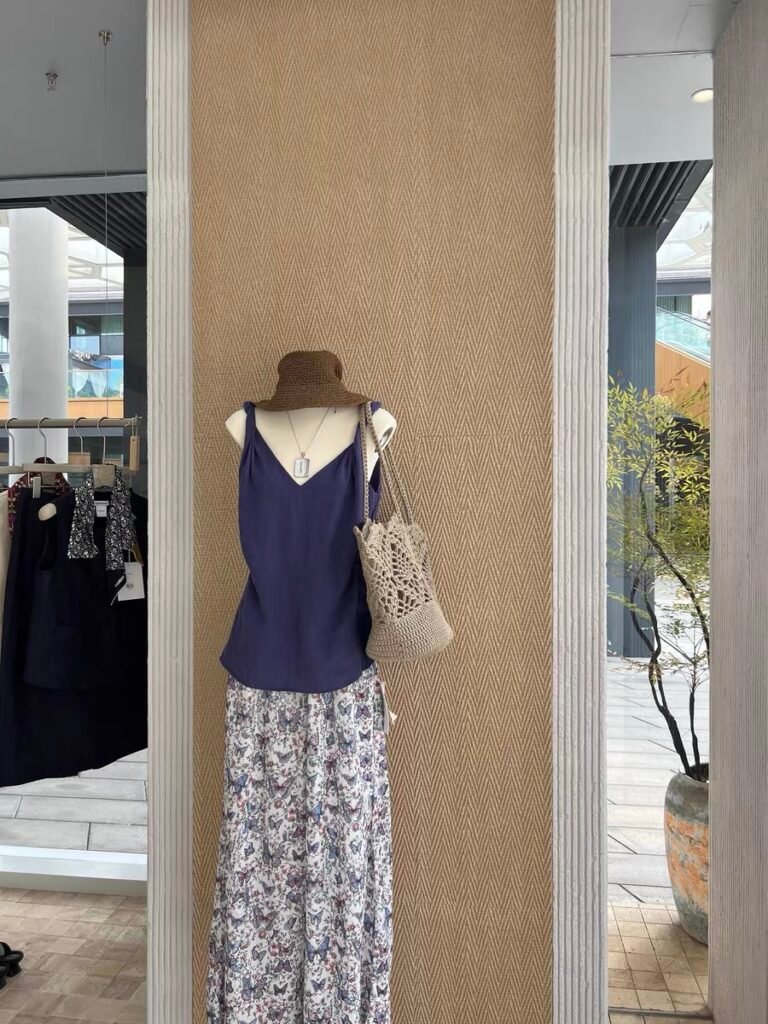
Columns are no longer just structural necessities; they are prime design opportunities. Using flexible stone panels, a simple support column transforms into a focal point. This is especially effective in open-plan commercial and residential spaces, where a wrapped column can define an area or introduce a layer of material sophistication that anchors the entire design.
Creates essential visual interest and tactile richness in large, open floor plans.
Adds a premium material finish without the cost, structural load, or specialized labor required for traditional stonework.
Conceals wiring and integrates functional features like lighting or outlets seamlessly into the design.
Material and Finish Versatility
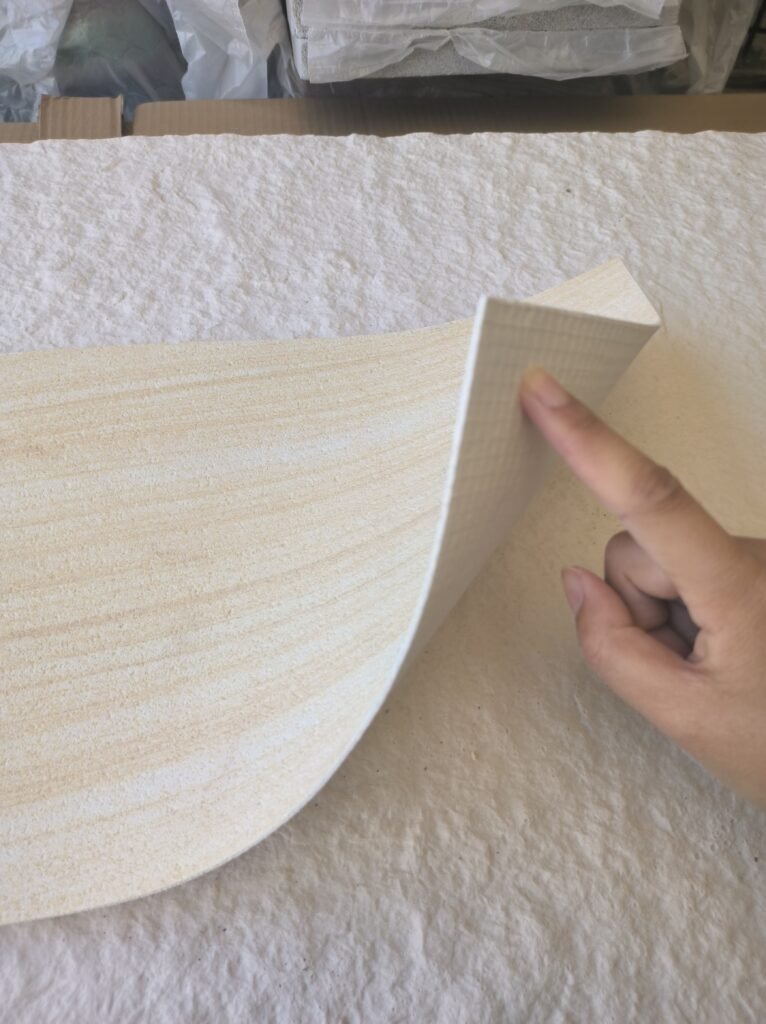
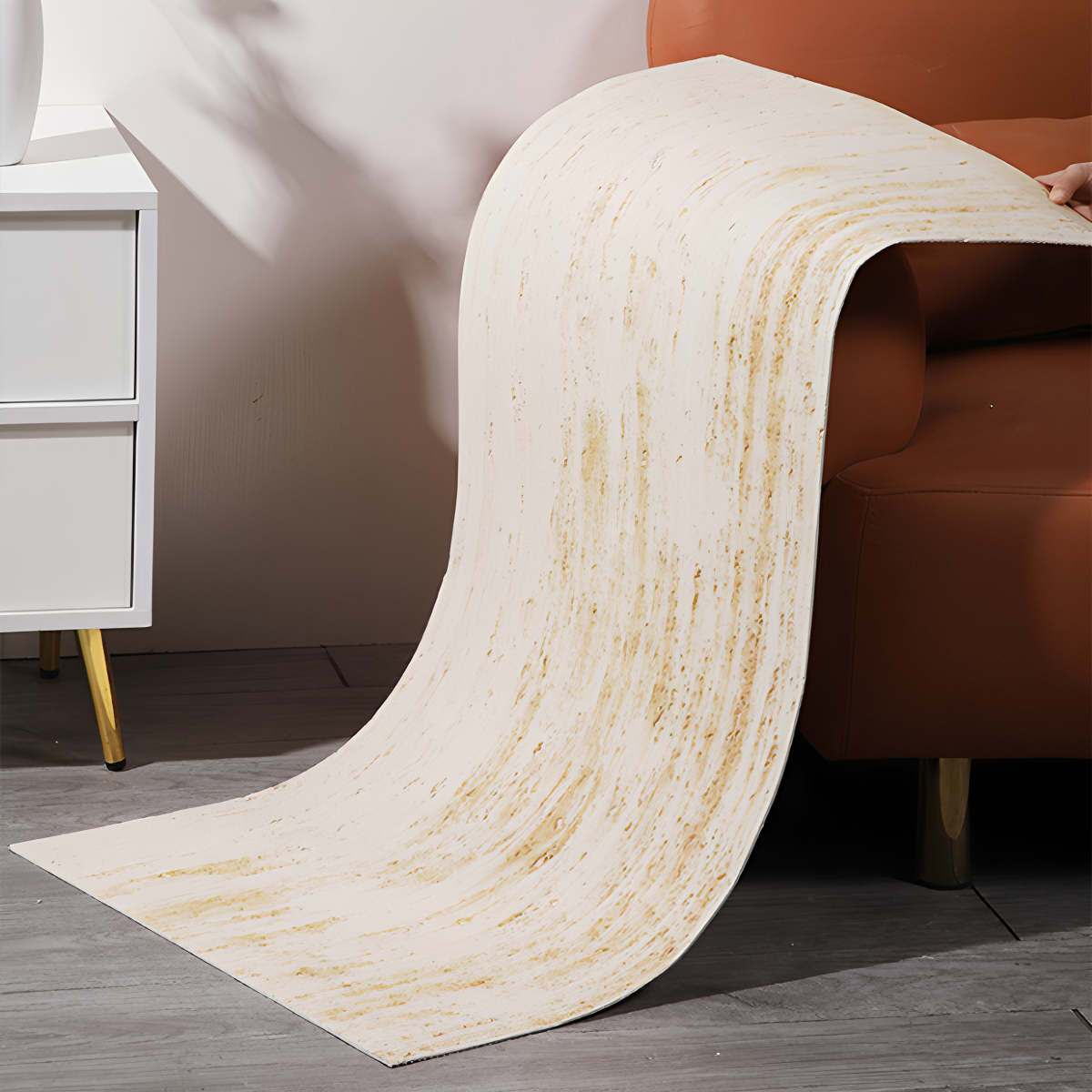
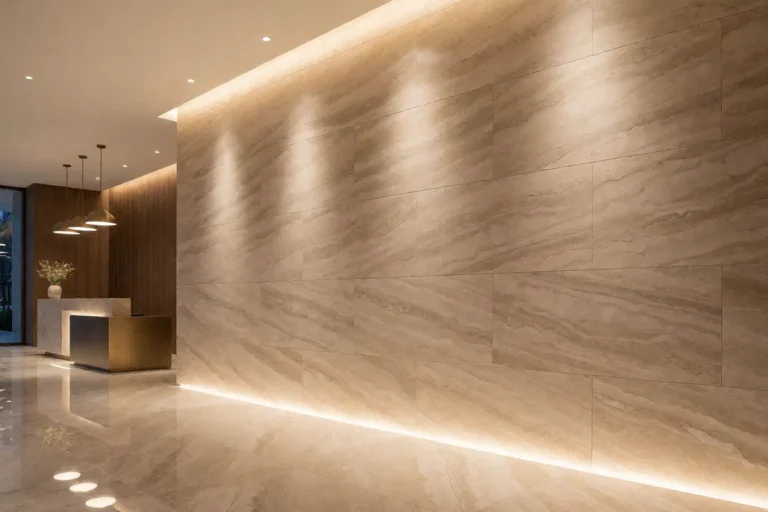
Flexible stone panels from JMS Decor provide the authentic look and feel of slate, marble, or travertine for column wraps. Unlike common wood or PVC options, our panels are made from reconstructed natural stone powder, delivering a more sophisticated aesthetic. This allows architects and designers to match existing decor or create a bold contrast with a material that is just 1/6th the weight of traditional stone, significantly reducing structural load concerns.
Achieves the appearance of real stone at a fraction of the weight and material cost.
Offers customizable patterns and finishes to align with specific brand identities or project requirements.
Applies smoothly to both round and square columns, easily forming crack-free curves down to a 200mm diameter.
Applications in Commercial and Residential Spaces
Wrapped columns are used in a wide range of settings. In a hotel lobby or office building, they establish a high-end, welcoming atmosphere. In a home, they can elevate a basement renovation from basic to bespoke or add durable character to a high-traffic kitchen island support. The ability to install directly over existing surfaces makes them ideal for rapid retrofits.
Ideal for high-traffic commercial environments like hotel lobbies, office buildings, and retail stores where durability is key.
A practical solution for residential projects, including finishing basements and enhancing open-concept living areas.
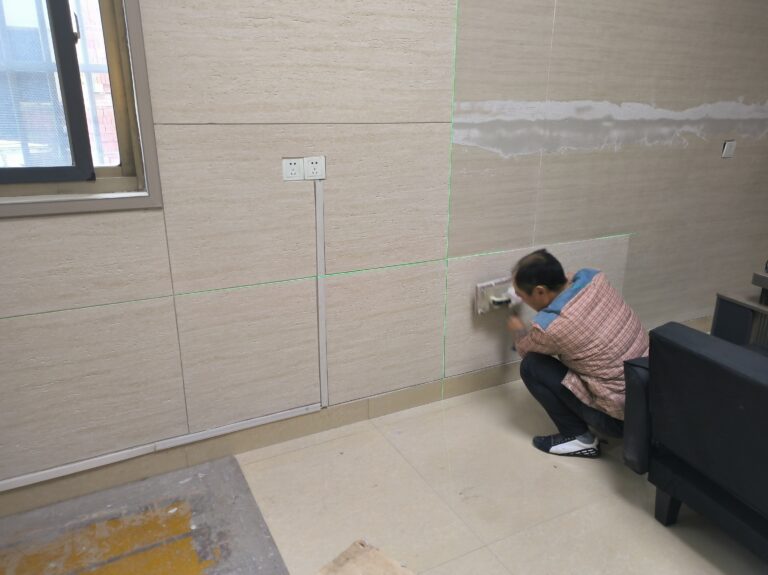
The simple, dust-free installation process makes them suitable for both new construction and “zero-demolition” retrofitting projects.
Elevate Your Designs with Customizable Stone Veneer
Our durable, eco-friendly soft stone panels are crafted in ISO-certified facilities to ensure consistent, long-lasting performance for luxury projects. Benefit from low MOQs starting at just 10 pieces and a reliable global supply chain to meet your deadlines.
S-curve partitions have moved from complex architectural projects to practical design tools, using flexible materials to create fluid, non-linear pathways that guide movement and segment open spaces without heavy structural support.
Applications in Modern Interior Design
S-curve partitions transform static, open-plan areas into dynamic environments. Their primary function is to guide foot traffic and softly delineate zones without resorting to harsh, straight walls that can make a space feel smaller or confined. This approach is particularly effective in commercial settings where controlling visitor flow and creating distinct experiences is essential. For architects and designers, the challenge has always been achieving smooth, continuous curves without the high cost and labor of specialized framing and plasterwork. Modern flexible wall panels, like the JMS Decor system, solve this by allowing for crack-free curves that are lightweight and easy to install over simple framing.
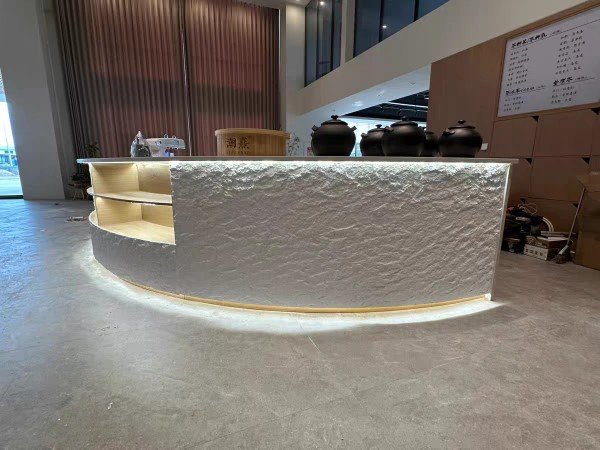
Mold flexible stone panels into seamless S-shaped feature walls for high-impact areas such as reception desks, spa lounges, or trendy restaurant backdrops.
Design fluid, non-linear pathways in exhibition spaces or galleries to guide visitors organically from one display to the next and manage crowd flow.
Leverage the lightweight nature of the panels (around 3.5-6.0 kg/m²) to build complex curved structures, simplifying construction and avoiding the need for the heavy support frames required by traditional materials.
Gallery: Arched Ceilings
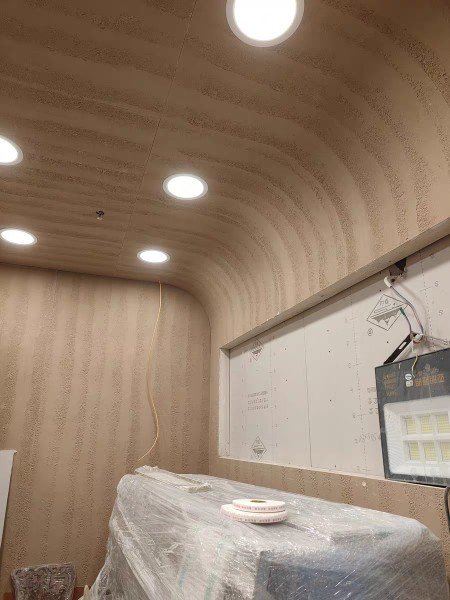
Arched and vaulted ceilings are no longer a structural luxury; lightweight, flexible materials now make them an accessible and high-impact feature for commercial and residential projects seeking to maximize perceived space and light.
Enhancing Space and Light
Arched and vaulted ceilings are a direct response to the market’s demand for architectural features that create drama and openness. These designs serve as powerful visual centerpieces, making rooms feel larger and improving the distribution of natural light. The curve of the ceiling catches and reflects light more effectively than a flat plane, resulting in a brighter, more expansive atmosphere.
Adds a sense of openness and height to any room.
Improves natural lighting by reflecting it more effectively.
Suits a range of aesthetics, from modern to traditional.
Common Design Styles
Different arch styles achieve specific design goals. Barrel vaults, with their simple and continuous curve, are ideal for guiding movement through linear spaces like hallways or creating an immersive feel in media rooms. For more intricate applications, groin vaults add visual complexity and sophistication at the intersection of two ceiling paths, making them a strong choice for grand entryways or large open-plan areas.
Barrel vaults work well for directing movement through linear spaces.
Groin vaults add sophistication at the intersection of two ceiling paths.
Horizontal beam installations can be used with arches to preserve the perception of height.
Flexible and Cost-Effective Solutions
Achieving an elegant arched ceiling no longer requires costly and labor-intensive construction. Modern materials, like our flexible stone panels, provide a “Zero-Demolition Renovation” pathway. These lightweight panels are engineered to conform to curved substrates, simplifying installation and reducing project timelines. This approach offers the aesthetic of solid stone or complex plasterwork without the associated structural load or expense.
Flexible panels conform perfectly to curved architectural forms.
Provides a cost-effective alternative to solid stone or complex plasterwork.
Offers extensive customization options in finishes and colors to match project needs.
Technical Note: Minimum Radius per Texture
A panel’s minimum bending radius is an engineered property of its core and backing, completely independent of its visible surface texture.
Material Flexibility Determines Radius, Not Texture
The ability of a wall panel to conform to a curve depends on its core composition, not the visual finish. A panel’s flexibility is an engineered property. Our flexible stone panels, for instance, use a thin, natural stone layer bonded to a pliable fiberglass and polyester backing. This composite structure allows the entire unit to bend.
The minimum achievable radius is determined by this backing system, enabling tight curves on features like columns and arches. Whether the surface is a smooth travertine or a rough, split-face slate, the panel’s underlying structure dictates its performance. The texture is purely aesthetic and has no impact on the material’s physical bending limits.
Comparing Radius Capabilities of Different Materials
Different construction materials offer vastly different capabilities for curved designs. Traditional materials like segmental retaining wall blocks are limited to wide, sweeping arcs, often with a minimum radius of four to eight feet. This makes them unsuitable for detailed interior work. By 2026, the industry demand for dynamic, curved surfaces in both commercial and residential spaces continues to drive innovation in flexible composite panels.
Material Type
Typical Minimum Radius
Primary Application
JMS Decor Flexible Stone
≈ 100 mm (4 inches)
Columns, S-curves, tight architectural details
Flexible Gypsum Board (1/4″)
≈ 1.5 m (5 feet)
Vaulted ceilings, wide interior archways
Segmental Retaining Wall Block
≈ 1.2 – 2.4 m (4-8 feet)
Landscaping, large-scale exterior curves
Using Radius Charts for Accurate Project Planning
To ensure a successful installation, architects and builders must rely on manufacturer-provided data. Radius charts are standard tools that define the precise bending limits for a specific product. We provide clear specification sheets that outline the minimum bending radius for each of our flexible panel products. These guides confirm that our material is a correct fit for your project’s geometry before you place an order. Using these charts during the design phase streamlines material selection and prevents costly on-site modifications or failures.
Conclusion
The era of flat, predictable walls is giving way to dynamic, organic shapes. Flexible stone makes these ambitious designs practical, offering the authentic texture of slate or travertine without the weight and rigidity. This freedom allows architects to create flowing columns, S-curves, and arches that were once complex and costly to build.
To see how these textures feel and perform, our architectural sample kits are available for specification. Contact our team to discuss your project’s unique requirements or to request a sample.
Frequently Asked Questions
Curved wall design ideas?
Curved wall designs are central to the trend of creating cozier, more sculptural interiors. Popular ideas include using a single, sweeping curve as a feature wall in a living room or bedroom to create a focal point. Serpentine (S-shaped) walls can gracefully divide open-plan spaces without closing them off, improving flow and defining zones. You can also incorporate curved niches and alcoves for built-in seating or shelving, enhancing the room’s intimate and personal feel. For added tactile richness, apply vertical treatments like wood tambour or fluted panels to the curved surface to create dynamic shadow play.
Flexible building materials for curves?
Achieving smooth, consistent curves requires specialized materials. The industry standard is flexible drywall (or plasterboard), a high-flex gypsum board that bends without cracking. For more complex or bespoke shapes, Glass Fiber Reinforced Gypsum (GFRG) is ideal; it’s a lightweight composite that can be molded into virtually any form. Bendable plywood serves as an excellent substrate for curved surfaces that will be finished with veneer or tile. For a seamless, high-end finish, trowel-applied products like microcement, Tadelakt, or Venetian plaster can be applied directly over a curved substrate, creating a continuous and tactile surface.
Organic architecture facade?
An organic architecture facade emphasizes harmony with the natural environment through flowing lines and natural materials. Key materials include steam-bent or CNC-milled timber cladding, which creates undulating, warm surfaces. Ultra-high-performance concrete (UHPC) and fiber-reinforced concrete (FRC) can be cast into thin, durable, curved panels for a monumental look. For a more transparent and lightweight envelope, ETFE (Ethylene tetrafluoroethylene) cushions can be inflated to create bubble-like, organic structures. Ultimately, the goal is to create a building exterior that feels integrated with its landscape rather than imposed upon it.
Wavy wall panel design?
Wavy wall panels are a popular way to introduce the architectural dimensionality and tactile richness currently in demand. These are typically 3D panels made from MDF, gypsum, or polymers, designed to create a continuous, sculptural effect. They serve as excellent feature walls, and when lit with grazing light from the top or side, the waves produce dramatic shadows that accentuate the wall’s depth and form. In addition to aesthetics, upholstered or specifically engineered wavy panels can offer significant acoustic benefits by diffusing sound waves, making them ideal for media rooms, offices, and restaurants.
Modern curved interior walls?
Modern curved interior walls represent a shift away from sterile, minimalist geometry toward warmer, more visually complex spaces that promote a sense of comfort and intimacy. This trend is driven by a desire for personalization and coziness, especially as remote work continues. Functionally, these walls guide movement and circulation through a space, soften sightlines, and create a comforting feeling of enclosure. To emphasize their continuous form, they are often finished with seamless materials like lime wash, clay plaster, or microcement, which add a layer of tactile richness and depth. Where a stone finish is preferred, the curve a flexible panel can follow is stated in our flexible stone minimum bend radius guide.
Share this article
Let's start your project now !
Explore our flexible stone and WPC wall panel collections, request samples, or send us your project drawings for a customized quotation.