A successful curved design depends on specifying materials that don’t crack, fracture, or require complex relief cuts. Forcing rigid panels onto organic facades introduces structural stress, leading to costly material waste, installation delays, and a compromised finish that puts client relationships at risk.
This technical guide benchmarks flexible stone against these challenges. We focus on key performance metrics like the 200mm bendable diameter and its ability to deliver seamless, crack-free curves that reduce both structural load and on-site labor.
The Rise of Organic Architecture
Organic architecture uses curved, nature-inspired shapes to connect buildings with their environment. Modern materials like flexible stone make this possible, bending to create the fluid surfaces central to the design.
\
A Shift Towards Natural, Flowing Forms
Architects are moving away from rigid, geometric boxes and toward designs that mimic the flowing patterns found in nature. This approach, known as organic architecture, aims to create a better harmony between a structure and its surroundings. By incorporating curves and shapes inspired by living systems, these buildings can improve psychological comfort and strengthen our connection to the natural world.
Achieving Crack-Free Curves with Flexible Materials
This design trend isn’t just a concept; it’s made practical by new material technologies. Traditional materials like stone or concrete panels resist bending and create problems on curved surfaces. Flexible stone systems solve this, enabling architects to execute these complex forms without compromise.
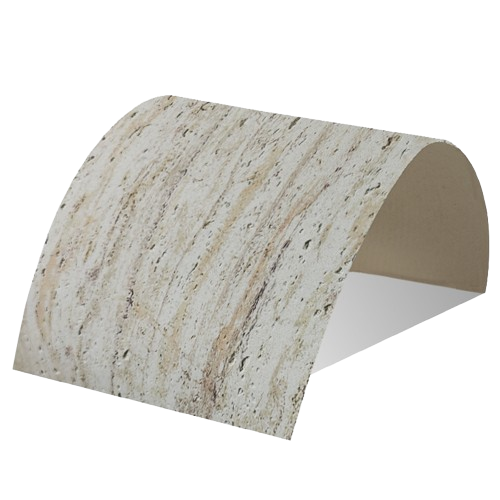
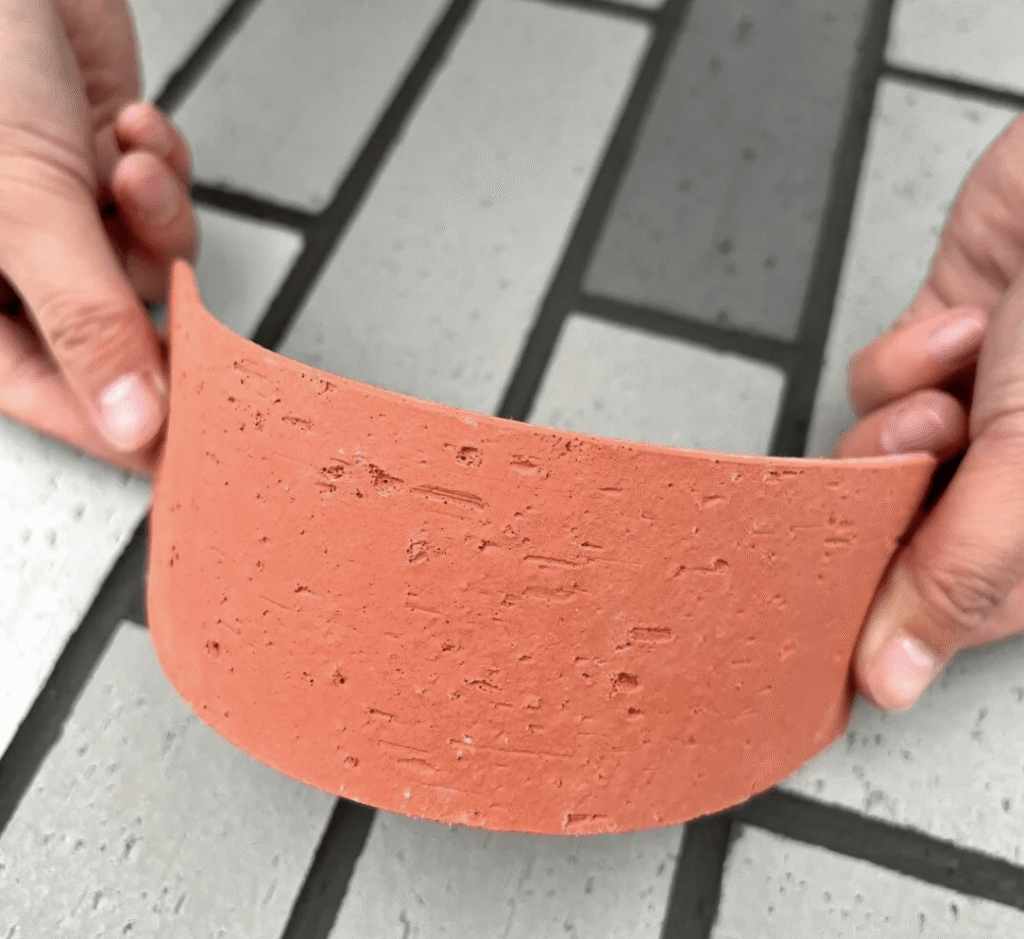
Column Wraps: The material can bend to a 200mm diameter, making it ideal for wrapping columns, arches, and other curved structures seamlessly.
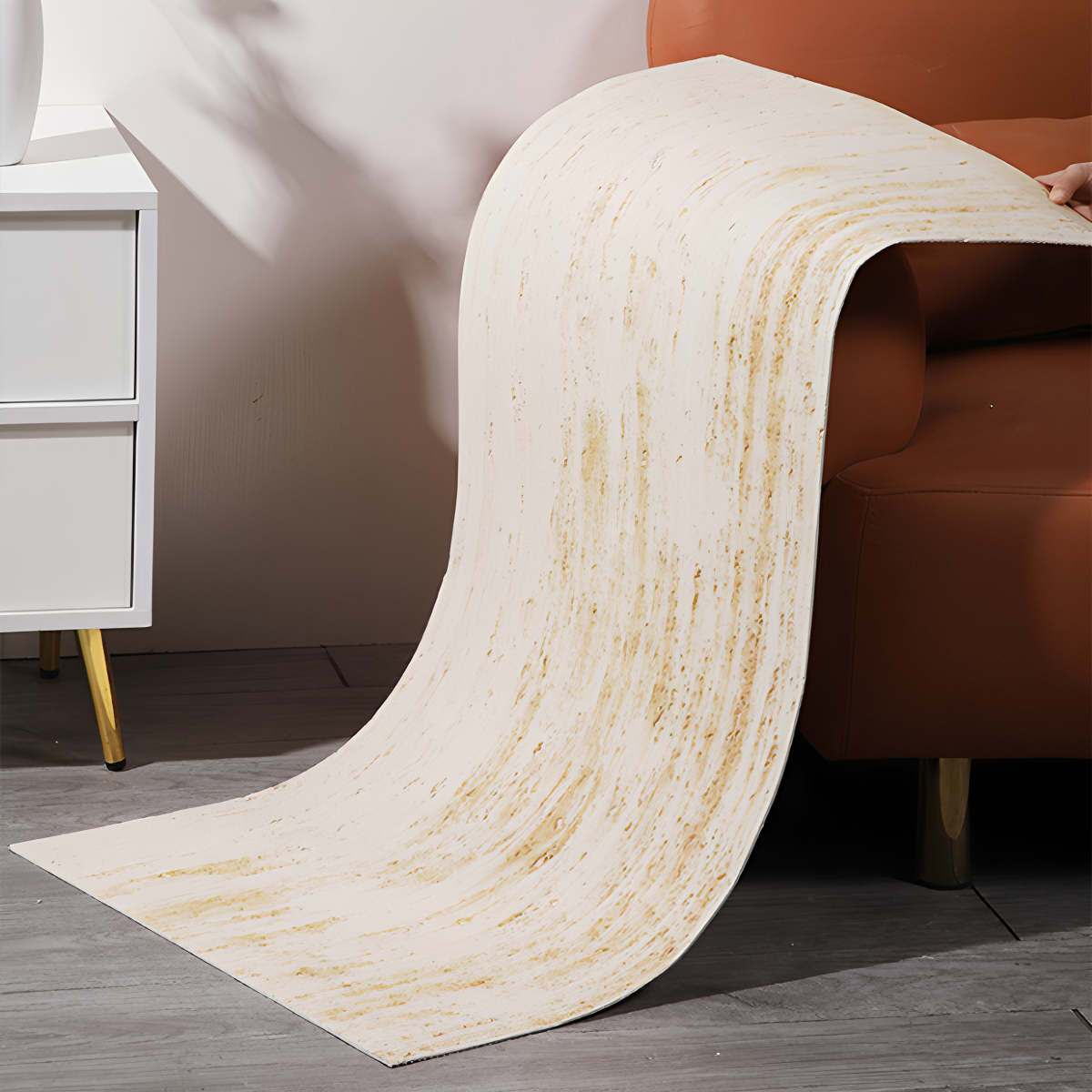
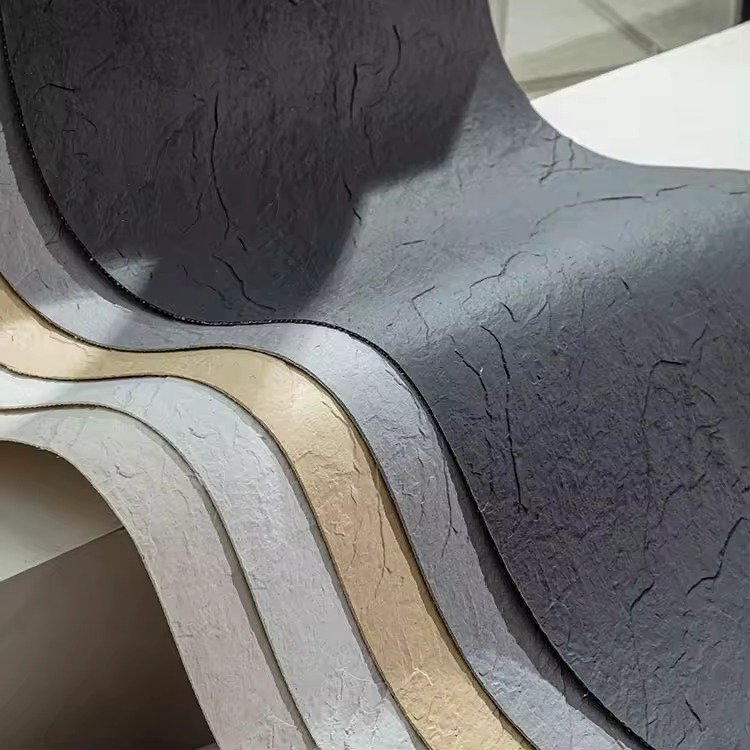
Flowing Surfaces: It enables the creation of wavy and fluid walls without the risk of cracking that plagues rigid panels when forced into a curve.
Reduced Structural Load: Weighing only 3.5 – 6.0 kg/m², it significantly lowers the weight burden on complex forms, simplifying engineering and construction.
Limitations of Rigid Materials on Curves
Rigid materials like stone and wood resist bending. Forcing them onto a curve causes cracks, unsightly gaps, or requires expensive cutting, which limits design freedom and drives up installation costs.
Structural Stress and Fitting Gaps
The core problem is physics. Rigid panels fight being bent. Applying a flat, inflexible material like a stone slab or wood panel to a curved surface introduces immense structural stress. This can compromise the material’s integrity, leading to fractures or visible stress marks from cross-sectional distortion. You also get alignment issues. The panel only touches the curve at tangent points, creating obvious gaps that need to be filled or hidden. This forces fabricators into complex, precision-cut interlocking edges, which dramatically increases both cost and installation time.
Achieving Crack-Free Curves with a 200mm Bendable Diameter
This is where material engineering provides a direct solution. Our MCM Flexible Stone is specifically designed to be pliable, with a bendable diameter of approximately 200mm. This built-in flexibility allows the material to wrap smoothly and continuously around columns, arched walls, and other curved structures without any risk of cracking. It completely eliminates the need for precision-cutting or accepting awkward gaps, simplifying the entire installation process on non-flat surfaces.
Elevate Your Designs with Flexible Stone
Our durable, eco-friendly panels meet rigorous international standards, ensuring long-lasting performance for any commercial or residential project. With low MOQs and free samples, you can easily source premium, fully customizable stone veneer for your brand.
Bending radius is the tightest curve a material can take without damage. Our flexible stone panels have a 200mm bendable diameter, perfect for wrapping columns and arches without cracking.
Performance Metric
JMS Decor Specification
Bendable Diameter
Approximately 200mm
Key Application
Achieves “Crack-Free Curves” on columns, arches, and rounded walls
Core Composition
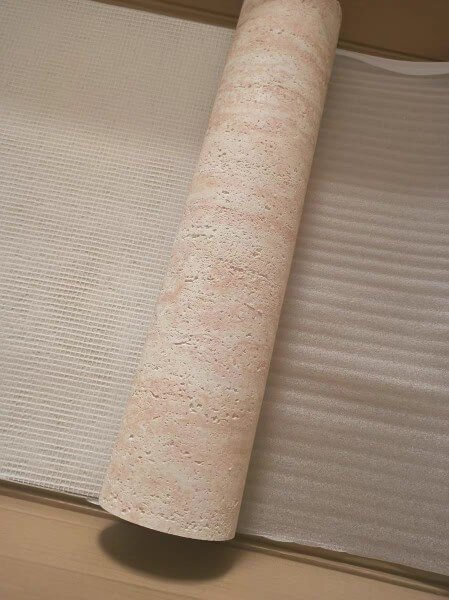
Modified Clay (MCM), Natural Stone Powder, Fiber Mesh Backing
Governing Factors
Material Thickness (2.5mm – 5.0mm) and Composition
What Bending Radius Means for Materials
Bending radius is a simple but critical spec. It’s the minimum radius you can curve a material before it breaks, kinks, or loses performance. A smaller number means greater flexibility, allowing the material to wrap around much tighter curves. This capability is not arbitrary; it’s dictated by the material’s core makeup and thickness. For example, our panels get their flexibility from a composition of modified clay and natural stone powder, while their thickness of 2.5mm to 5.0mm directly influences how tightly they can bend.
Our Panel’s 200mm Bendable Diameter
Our flexible stone panels are engineered with a bendable diameter of approximately 200mm. This isn’t just a lab number—it’s a practical feature that enables architects and contractors to create what we call ‘Crack-Free Curves.’ You can wrap our panels around structural columns, arched entryways, and rounded feature walls with confidence. This level of design freedom is simply not possible with rigid materials like traditional stone slabs or ceramic tiles, which would require complex, expensive cutting or risk cracking under stress.
wrapping Columns & Rounded Corners
Flexible stone panels bend around columns and corners for a seamless, monolithic look. This avoids the complex cuts and distracting grout lines required by rigid tile or stone.
The Challenge with Traditional Rigid Materials
Wrapping a curved surface with rigid materials like ceramic tile or traditional stone is a headache. The material has to be cut into many small, precise pieces to even attempt to follow the curve of a column or rounded corner. This process is slow, expensive, and the final look is often compromised. The result is a grid of grout lines that breaks up the surface, completely destroying the seamless, monolithic appearance that architects and designers are trying to achieve.
Achieving Crack-Free Curves with a 200mm Bending Radius
Our flexible stone panels solve this problem directly. With a minimum bendable diameter of approximately 200mm, they can wrap tightly around most structural columns, arches, and curved walls. The material conforms perfectly to the substrate without creating stress points. This inherent flexibility guarantees a smooth application and delivers what we call a “Crack-Free Curve” finish, maintaining structural integrity and a clean aesthetic where rigid materials would fail.
Creating Wavy & 3D Surfaces
Architects model complex curves digitally. Physically building them requires materials that bend without failing. Our flexible stone panels conform to a ~200mm diameter, perfect for crack-free columns and arches.
Core Techniques in Surface Modeling
Creating organic, flowing surfaces isn’t guesswork. Architects use specific CAD software techniques to translate a concept into a buildable 3D model. These digital tools provide the precision needed before any physical material is specified.
Loft Operations: Designers stitch multiple 2D profiles (splines) together to form a single, continuous 3D surface. This is a common way to build everything from curved walls to complex roof structures.
NURBS Curves: Short for Non-Uniform Rational B-Splines, these are the industry standard for generating smooth, highly adjustable wavy lines and complex shapes that can be easily manipulated.
Material Flexibility for Crack-Free Curves
A digital design is useless if no material can physically create it. Rigid materials like traditional stone or concrete panels resist bending. When forced onto a curve, they create stress points that lead to gaps, fractures, and installation failures. The key is a material designed for flexion.
Our MCM flexible stone panels solve this problem directly. They have a bendable diameter of approximately 200mm. This allows them to wrap tightly and smoothly around structural pillars, rounded walls, and arches. You get the authentic look of stone without the risk of stress cracking, delivering a clean, continuous curved surface every time.
Texture Variety: From Slate to Wood
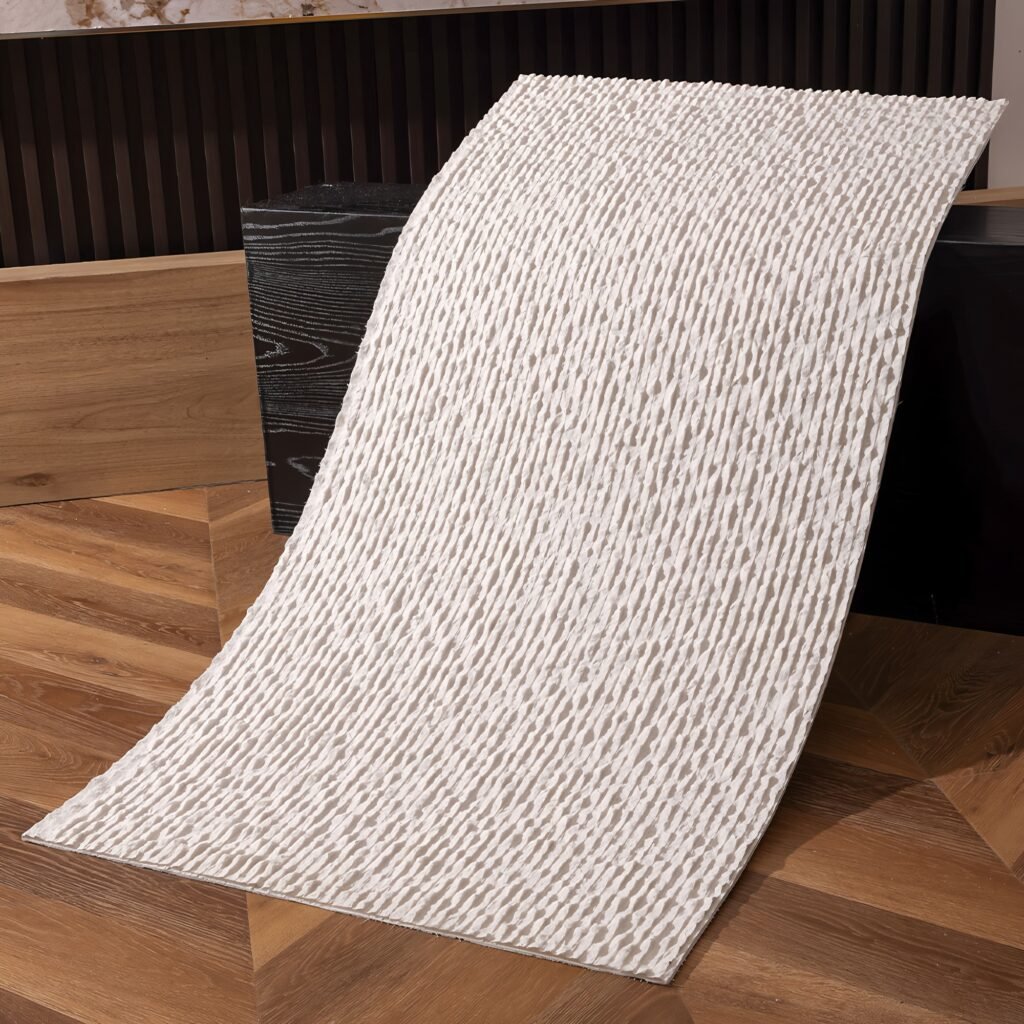
Our flexible panels have a huge texture library, including slates, travertines, concrete, and wood grains. This is possible with 3D surface printing, allowing project-level customization and fast prototyping.
The Core Texture Matrix
We group our finishes into four primary collections. This makes it simple for architects and designers to find a material that fits their project’s aesthetic, whether it’s for an exterior facade or an interior feature wall.
The Naturals: These are the go-to for classic exterior work. The lineup includes popular stone finishes like Slate, Travertine, and Sandstone.
The Moderns: For contemporary commercial interiors, this collection features industrial styles like Concrete and Rammed Earth.
The Textures: These are artistic patterns like Linear and Stacked Stone, built for creating high-impact feature walls in lobbies or retail spaces.
The Woods & Leathers: For unique, high-end applications, we offer surfaces like Ecological Wood and even Crocodile Skin for decorative accents.
brick slate
Customization with 3D Surface Printing
Our standard collections cover most needs, but many projects require a specific, unique finish. Instead of relying on a fixed catalog, we use 3D printing surface technology to create new or custom textures on demand. This allows our OEM and ODM partners to match brand aesthetics or replicate a specific material that isn’t practical to source.
The technology allows for extremely rapid prototyping.
We can develop and ship new or custom texture samples in as little as 3 days.
It provides project-level customization to match precise design specifications.
This process can accurately replicate almost any material surface, including stone, wood, or even leather patterns.
Installation Tips for Curved Surfaces
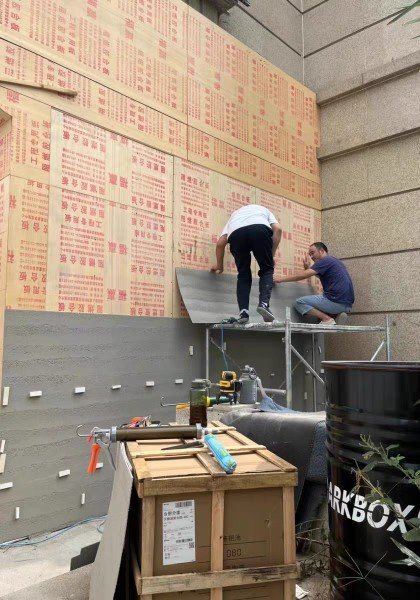
Installing on curved surfaces requires a smooth, stable substrate. JMS Decor’s flexible stone simplifies this, bending to a 200mm diameter and cutting easily with a utility knife.
Preparing the Substrate for a Smooth Finish
A flawless finish starts with the surface underneath. Before you apply any material, the underlying structure must be sound. Any imperfections in the substrate will telegraph through to the final surface, so getting this part right is non-negotiable.
The wall itself needs to be stable and follow the intended curve smoothly. Check for any flat spots or irregularities in the framing that could disrupt the arc.
Make sure the surface is completely clean, dry, and free from any dust or oils. A clean bond is a strong bond; anything on the surface compromises the adhesive’s performance.
If you’re working with porous substrates like new drywall or concrete, apply a sealing primer. This prevents the surface from absorbing moisture from the adhesive and ensures maximum grip.
Achieving ‘Crack-Free Curves’ with Flexible Stone
Traditional rigid materials fight you on every curve. Flexible stone, however, is designed for exactly these applications. It works with the structure, not against it, which is why we call the result “Crack-Free Curves.” The process is straightforward and avoids the common pitfalls of curved installations.
The material’s natural flexibility allows it to wrap around curves with a minimum diameter of 200mm. This is ideal for columns, rounded corners, and arched entryways without any risk of stress cracks.
You can cut and trim panels directly on-site with a standard utility knife. This means no dust, no noise, and no need for specialized saws, making it perfect for renovations in occupied spaces like hotels or retail stores.
Apply a quality structural adhesive and press the panel firmly onto the surface. Always work from one end to the other, smoothing it out as you go to ensure full contact and eliminate any air pockets.
Design Inspiration Gallery
Our gallery is a playbook of real projects. It shows how flexible stone textures are used on curved walls and columns to create memorable commercial spaces and facades.
Commercial Spaces That Attract Attention
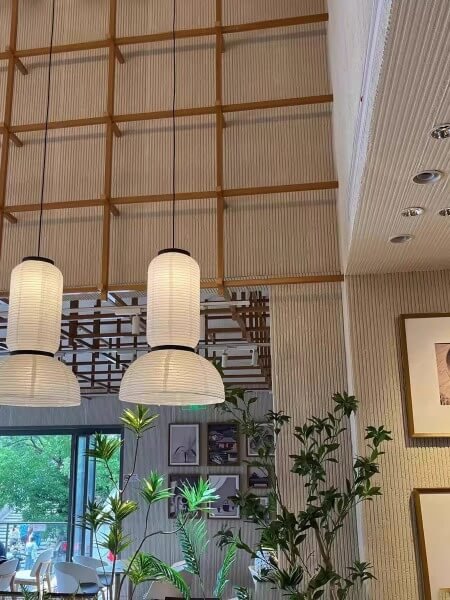
The right wall texture doesn’t just look good; it generates business. For commercial spaces like salons, boutiques, and cafes, creating a visually striking environment encourages customers to take photos and share them on social media. This turns your interior design into a free marketing engine.
Lifestyle & Hospitality: We work with beauty salons, spas, and trendy restaurants to build “Instagrammable Walls.” A unique backdrop prompts customers to self-promote the business after their service or meal.
Retail & Shopfitting: Luxury boutiques and fashion stores use our textured panels to create immersive brand experiences that go beyond just displaying products on a rack.
F&B Spaces: In high-traffic cafes and ice cream shops, aesthetics need to be paired with performance. Our Rammed Earth and Travertine textures offer a sophisticated look but are also durable and easy to clean.
women cloth shop
Achieving The Look with Our Texture Matrix
Connecting an inspirational image to a specific product is the most critical step. Our product lines are organized by aesthetic, making it simple to find the exact texture needed to bring a design concept to life.
The Moderns: For minimalist cafes or sleek corporate interiors, the go-to choices are our Concrete and Cement textures. They deliver an industrial look without the weight and complexity of poured concrete.
The Naturals: The 3D Travertine and Slate series are consistently specified for hotel lobbies and high-end residential facades. They provide the elegance of natural stone with the flexibility for curved applications.
The Textures: When a space needs a single, high-impact focal point, Linear Stone or Stacked Stone textures are used for feature walls, reception desks, and other backdrops.
Frequently Asked Questions
What kind of materials can be used for curved walls or columns?
Common options include flexible plywood, special gypsum boards, and metal panels. Our MCM Flexible Stone is a modern alternative that combines the texture of real stone with the ability to bend around curves like columns and archways, using just a structural adhesive for installation.
Is your flexible stone a natural product or is it plastic?
It is not plastic or vinyl. Our panels are made from a composite of natural stone powder and modified clay (MCM), fused with specialized polymers for flexibility. This gives you the look and feel of stone in a lightweight, bendable format.
How much does flexible stone weigh?
Our panels weigh between 3.5 to 6.0 kg per square meter. This is about one-sixth the weight of traditional stone slabs, which significantly reduces the structural load on buildings, especially during renovations.
Can your wall panels handle extreme weather conditions?
Yes, they are designed for all climates. The panels are UV-resistant, making them suitable for high-heat regions like the Middle East. They also pass -40°C freeze-thaw testing, which prevents cracking or peeling in cold climates like Russia and Canada.
How difficult is the installation process?
The installation is straightforward and similar to tiling. The panels can be cut with a standard utility knife, which means no dust or noise. They are applied directly to the wall using a structural adhesive or tile glue, and can even be installed over existing surfaces like old tiles.
What is your minimum order quantity (MOQ)?
Our standard minimum order is 200 square meters. If you are ordering a full container, we support mixing different styles, with a minimum of one pallet (approximately 130 m²) per style.
Final Thoughts
Cheaper flexible panels introduce significant project risk. Our MCM material is Class A2 fire-rated and passes -40°C freeze-thaw testing, eliminating costly callbacks from cracks or delamination. Stocking a certified, weather-proven facade material protects your reputation and secures repeat business from contractors.
The best way to evaluate flexibility and texture is with a physical sample. Request our dealer sample kit to test the 200mm bend radius and finish firsthand. Our team is also ready to discuss OEM branding or develop custom textures for your key accounts.
Share:
Lily
Hi, I’m the author of this post, and I have been in this field for more than 6 years.
If you want to wholesale flexible stone , wpc panel and related decorative building material or home decor product, feel free to ask me any questions.



 English
  Spanish
  French
  Arabic
  German