Введение
Создание экологичных строительных материалов — это уже не просто тренд, а насущная необходимость. Поскольку строительный сектор вносит значительный вклад в мировые выбросы углерода, архитекторы и производители сталкиваются с растущим давлением в необходимости перехода на более экологичные практики без ущерба для качества и дизайна.
Именно здесь устойчивое производство камня выходит на первый план. Используя натуральный камень и инновационные производственные технологии, такие как рециркуляция воды и энергосберегающее оборудование, мы предлагаем мощное решение для снижения воздействия на окружающую среду. В JMS Decor мы на собственном опыте убедились, как партнёрство с экологически ответственными поставщиками способно трансформировать цепочку поставок. В этом руководстве мы подробно разберём процессы, преимущества и ключевые аспекты, которые помогут вам принимать взвешенные решения в пользу устойчивого строительства.
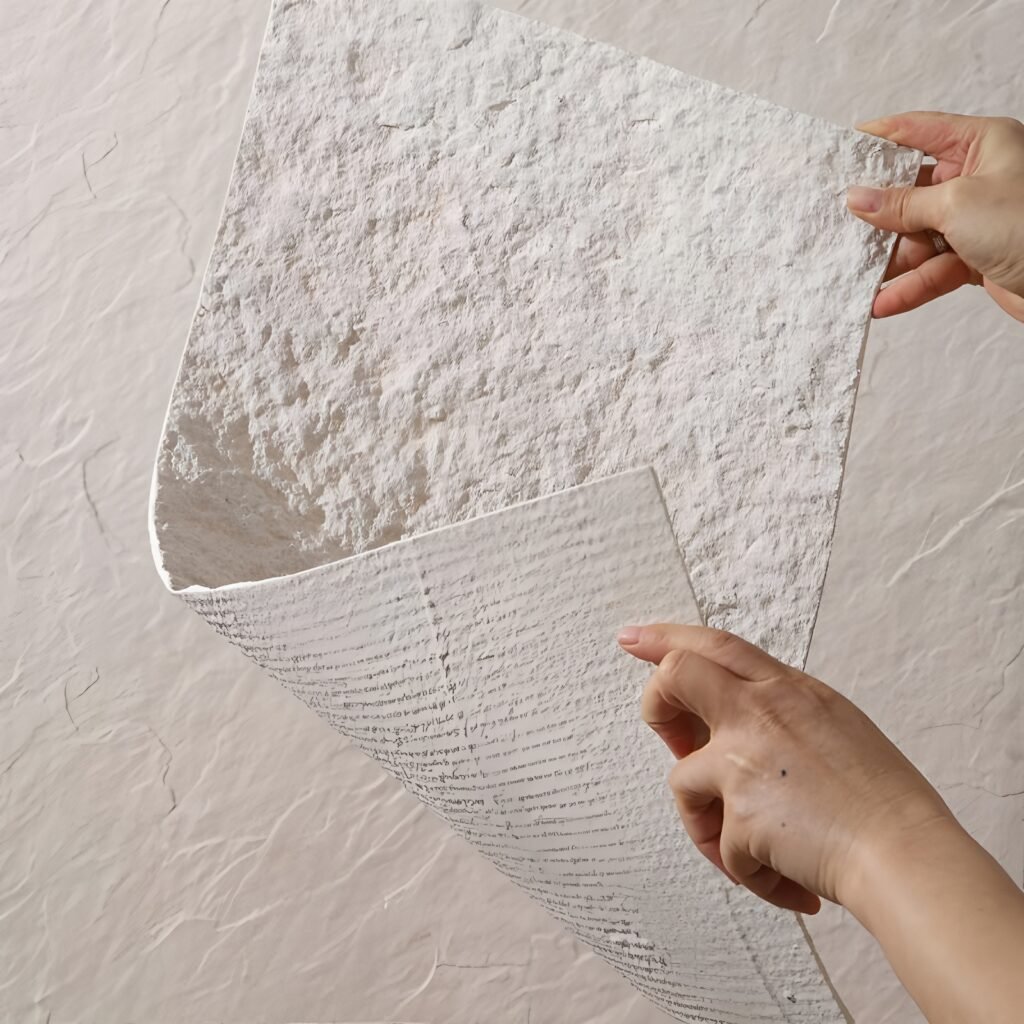
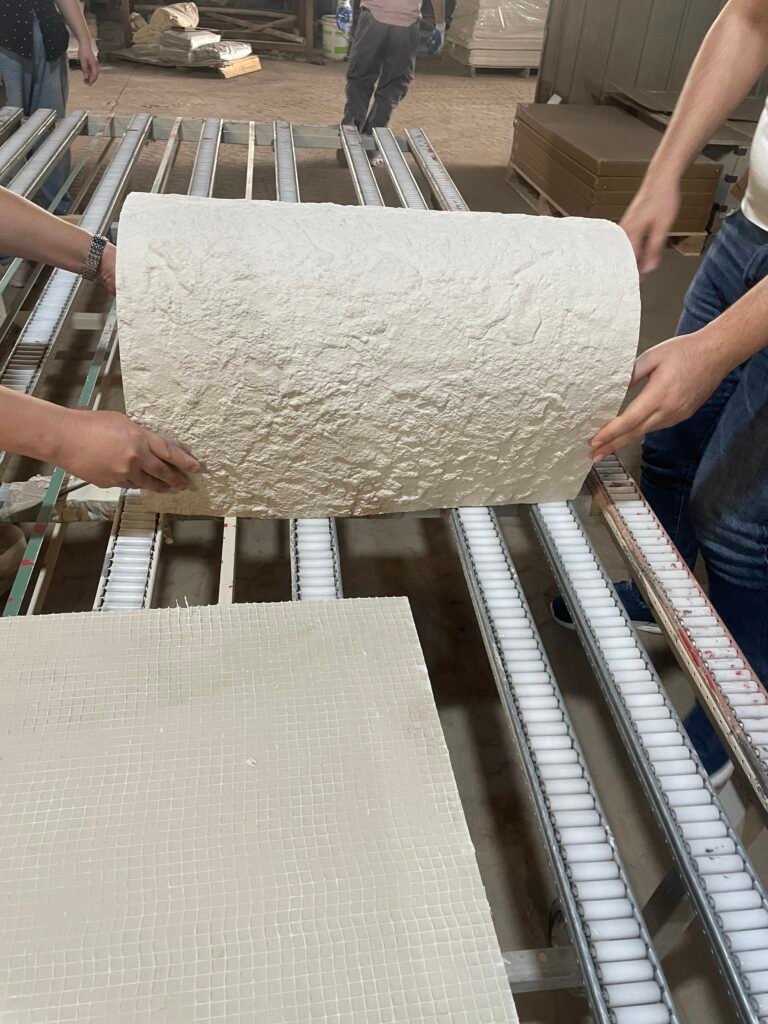
Почему стоит выбрать устойчивое производство камня?
Традиционные строительные материалы, такие как бетон и сталь, оставляют серьёзный экологический след. Их производство требует огромных энергозатрат и порождает большие объёмы отходов. Устойчивое производство камня предлагает более чистый путь развития. Этот экологичный подход сохраняет природные ресурсы при удовлетворении современных строительных потребностей.
При производстве и монтаже обычных материалов часто используются токсичные химикаты. Со временем эти вещества просачиваются в почву и водоёмы. Натуральный камень позволяет избежать этой проблемы, так как его добывают непосредственно из земной коры. Минимальная обработка означает меньшее количество загрязняющих веществ, попадающих в нашу окружающую среду.
“Натуральный камень требует на 95% меньше химической обработки по сравнению со синтетическими аналогами, что делает его по-настоящему зелёным строительным решением — от добычи до монтажа”.”
Исторически сложилось, что камень действительно сияет своей долговечностью. В то время как другие материалы трескаются и выцветают уже через десятилетия, каменные сооружения служат столетиями. Такая долговечность означает меньшее количество замен и снижение потребления ресурсов в долгосрочной перспективе. Именно поэтому исторические памятники, построенные из камня, продолжают стоять и по сей день.
Строительная индустрия всё быстрее движётся к устойчивому развитию. Архитекторы теперь отдают приоритет материалам с подтверждёнными экологическими характеристиками. Подрядчики ищут решения, которые помогают проектам получать «зелёные» сертификаты. Эта тенденция делает устойчивое производство камня этот выбор разумным шагом для компаний, мыслящих наперёд.
Экологическое влияние строительных материалов на протяжении всего жизненного цикла
| Материал | Энергоёмкость (МДж/м²) | Углеродный след (кг CO₂/м²) | Расход воды (л/м²) | Срок службы (лет) | Возможность переработки после окончания срока службы | Примечания по измерениям |
|---|---|---|---|---|---|---|
| Бетон | 1,200 | 410 | 180 | 50-75 | Ограниченная | На основе панелей толщиной 100 мм; включает энергозатраты на производство |
| Сталь | 1,800 | 550 | 220 | 40-60 | Высокая | Включает процессы нанесения покрытия; исключает транспортировку |
| Кирпич | 900 | 290 | 150 | 70-100 | Средняя | Включает обжиг в печи; учитываются региональные различия глины |
| Синтетические панели | 950 | 320 | 120 | 25-40 | Низкое | Учтены нефтехимические ингредиенты; взвешено влияние на полигоны |
| Натуральный камень | 650 | 140 | 85 | 100+ | Полное | Анализ от карьера до объекта; химическая обработка не учитывается |
Выбор экологичного производства камня — это не просто забота о природе. Это ещё и финансовая выгода за счёт снижения расходов на замену и утилизацию отходов. На рынках, где экологически ответственные клиенты ценят натуральные материалы, устойчивые каменные панели позволяют устанавливать премиальные цены. Компании вроде JMS Decor максимально используют это преимущество благодаря сертифицированному производству.
Помимо базовых показателей устойчивости, главное оружие натурального камня — его геологическое происхождение. В отличие от искусственных материалов, требующих постоянных энергозатрат, камень формируется в природе на протяжении millennia. Это обеспечивает ему непревзойдённую “высочайшую” долговечность, которая переживёт любые тренды. Если учесть полное жизненное циклическое воздействие, преимущества камня становятся абсолютно очевидными.
Преимущества устойчивого камня для строительства распространяются и на регуляторное соответствие. Правительства по всему миру ужесточают правила по углеродным выбросам для строительных проектов. Использование материалов с низкой уровневой энергией помогает застройщикам легко выполнять эти нормы. Это позиционирует ранних последователей устойчивого производства камня как лидеров отрасли.
Производители с дальновидным взглядом теперь сочетают традиционную добычу с современной эффективностью. Методы вроде систем рециркуляции воды и переработки на солнечной энергии сокращают операционное воздействие. Эти инновации делают устойчивые каменные панели всё более доступными. Результат? Красивые пространства, которые чтут и природу, и мастерство ремесленников.
Преобразите ваше пространство гибкими каменными панелями
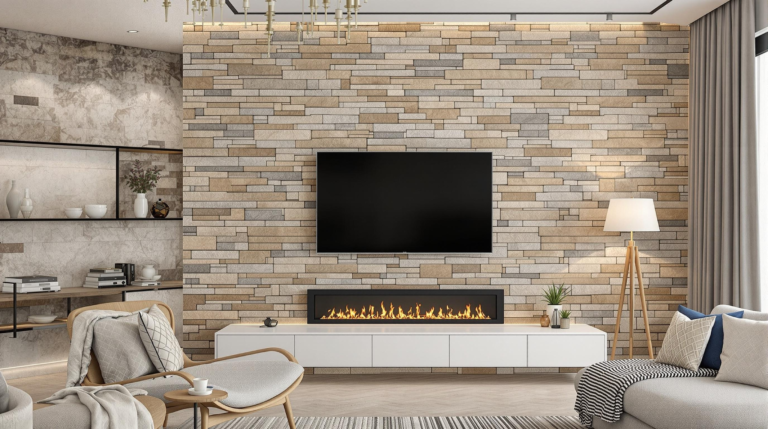
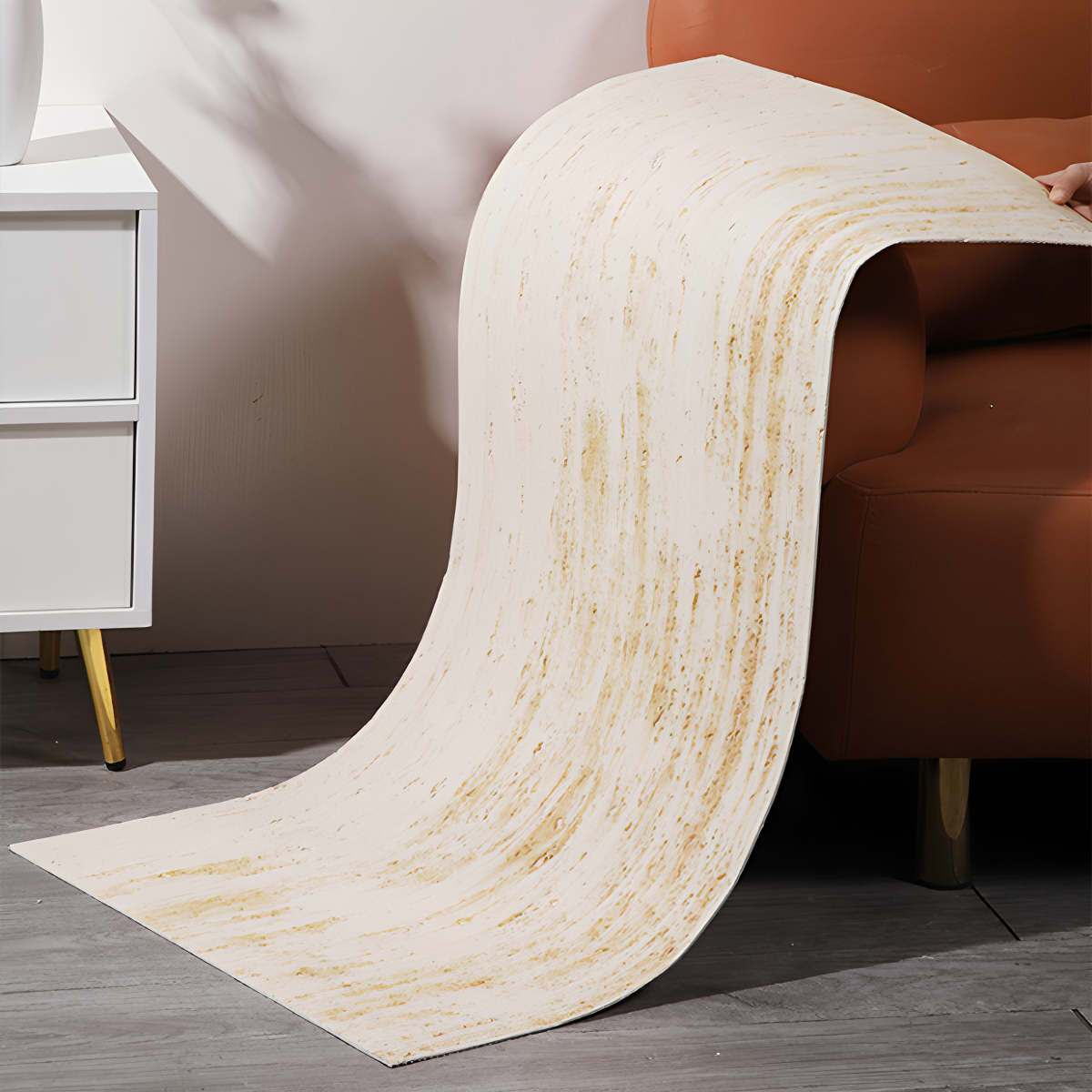
Наши гибкие каменные облицовки лёгкие и удобные в монтаже, что делает их идеальными для стен, каминов и изогнутых поверхностей. Благодаря настраиваемым цветам и узорам вы можете создавать впечатляющие дизайны, которые выделяются в любом интерьере.
Экологичные технологии производства каменных панелей
Современное производство камня использует экологичные инновации, снижающие негативное воздействие на окружающую среду. Системы рециркуляции воды теперь позволяют повторно использовать до 90–13% технологической воды через фильтровальные установки. Такой замкнутый цикл предотвращает попадание миллионов литров воды в виде загрязненных стоков в окружающую среду. Подобные экологичные методы производства камня экономят ресурсы и соответствуют строгим стандартам ISO14000.
Энергоэффективное оборудование совершает революцию в производственных цехах. Электродвигатели с регулировкой скорости снижают потребление электроэнергии на 40–55% по сравнению со старыми гидравлическими системами. Некоторые заводы даже устанавливают солнечные панели непосредственно на крышах складов. Эти модернизации значительно сокращают выбросы углерода при производстве каменных панелей.
“Технологии высокоточной резки позволяют снизить отходы материала до уровня менее 1–3%, превращая каменные обрезки в выгодные мозаичные панели, а не на свалку.”
Вторично переработанные материалы играют ключевую роль в экологичном производстве камня. Каменная пыль от резки перерабатывается и добавляется в состав новых панелей. Стекло и керамика после использования также находят вторую жизнь в качестве декоративных заполнителей. Такой циркулярный подход дает предназначение отходам и одновременно сохраняет первичное сырье из натурального камня.
Resource Efficiency in Sustainable Stone Manufacturing
| Technique | Water Savings | Energy Reduction | Waste Minimization | CO₂ Impact | Implementation Cost | Industry Adoption Rate | Notes |
|---|---|---|---|---|---|---|---|
| Closed-Loop Water Systems | 85-95% | 15% | Н/Д | Низкое | Средняя | 65% | Measured by water meters; includes filtration efficiency |
| Solar-Powered Processing | Н/Д | 50-70% | Н/Д | Очень низкий | Высокая | 30% | Based on 20-year ROI calculations |
| Recycled Material Integration | 20% | 25% | 40-60% | Средняя | Низкое | 45% | Waste reduction measured by weight pre/post production |
| CNC Precision Cutting | 30% | 35% | 70-90% | Низкое | Средняя | 75% | Includes reduced slurry waste |
| Traditional Methods | 0% | 0% | 15-25% | Высокая | Н/Д | Declining | Базовый уровень для сравнения |
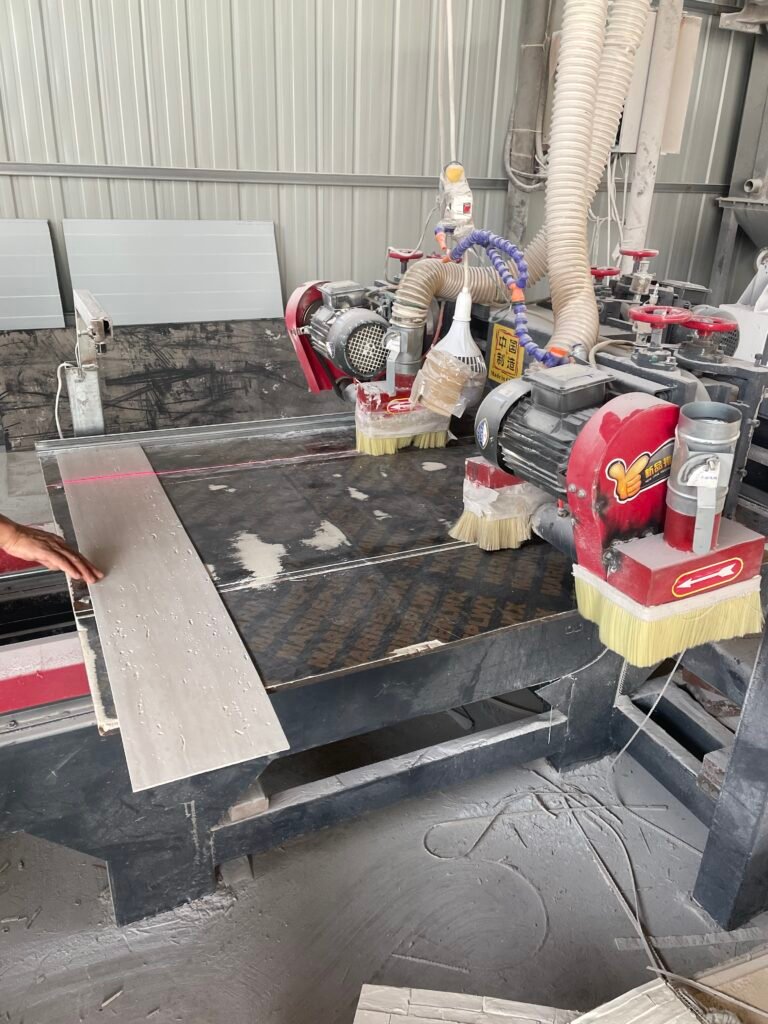
Precision cutting technologies make sustainable stone manufacturing remarkably efficient. Computer-guided waterjet and diamond saws create near-perfect cuts. This “no-sweat” accuracy minimizes offcuts that previously ended in landfills. Even fragments get repurposed as decorative chips or terrazzo components.
The sustainable methods in stone panel production offer clear commercial advantages. Though initial investments seem steep, most eco-upgrades pay for themselves within 3-5 years through utility savings. Manufacturers like JMS Decor leverage these savings while appealing to eco-conscious architects. Their ISO-certified processes prove environmental responsibility and quality coexist.
Beyond visible benefits, these techniques create ripple effects. Lower energy use means reduced strain on local power grids. Water conservation protects community watersheds. Such holistic impacts position forward-thinking brands as sustainability leaders. This matters as green building certifications gain global importance.
The journey toward greener production continues evolving. Emerging innovations include carbon-capturing binders and AI-optimized cutting patterns. Each advancement makes sustainable stone panels more accessible. For builders and designers, these eco-options mean beautiful spaces that honor both aesthetics and ecology.
Measuring Sustainability: Key Metrics and Certifications
Evaluating true sustainability requires concrete measurements, not just claims. For stone manufacturers, tracking specific environmental metrics separates genuine eco-practices from greenwashing. These measurements help architects choose truly environmentally friendly stone material for projects needing verified ecological integrity.
Carbon footprint analysis starts at the quarry. Modern facilities track emissions from extraction equipment, transportation distances, and processing energy. This cradle-to-gate assessment often reveals natural stone’s advantage: geological formation eliminates the high-heat manufacturing required by synthetics. Lower emissions mean better climate impact reports.
“Certifications like ISO14000 require annual audits of water consumption, waste streams, and energy use, creating accountability missing in uncertified operations.”
Water metrics prove equally crucial. Responsible manufacturers measure consumption per square meter of finished stone panels. Closed-loop systems and rainwater harvesting slash usage by 60-80% versus traditional methods. Waste production tracking is equally vital, with leaders repurposing 95% of stone slurry into composite materials.
Embodied Energy Comparison of Building Materials
| Материал | Энергоемкость (МДж/кг) | Carbon Footprint (kgCO₂e/kg) | Water Use (L/kg) | Certification Requirements | Отраслевой ориентир | Measurement Methodology |
|---|---|---|---|---|---|---|
| Reinforced Concrete | 2.5 | 0.93 | 5.1 | LEED Credit MRc1 | High Impact | ISO 14040 LCA standards |
| Конструкционная сталь | 35.3 | 2.8 | 28.7 | EN 15804 Compliant | Very High | EPD third-party verification |
| Engineered Timber | 11.2 | 0.45 | 3.8 | FSC Certification | Умеренная | Product Category Rules |
| Vinyl Panels | 78.9 | 4.2 | 12.3 | Limited Standards | Extreme | Cradle-to-gate assessment |
| Натуральный камень | 1.8 | 0.16 | 1.3 | ISO 14001/14064 | Low Impact | Quarry-to-facility tracking |
Understanding how natural stone is sustainably manufactured begins with embodied energy. This measures all energy consumed from extraction through installation. Stone’s natural formation gives it a 70% lower embodied energy than concrete. When combined with durability, this creates decades of carbon savings.
Certifications provide crucial verification. ISO 14000 requires documented environmental management systems, while LEED awards points for low-carbon materials. These aren’t just plaques on walls—they represent audited processes. For designers, specifying certified sustainable stone panels simplifies compliance with green building codes.
Selecting suppliers demands scrutiny beyond marketing claims. Request their Environmental Product Declarations (EPDs) showing verified metrics. Manufacturers like JMS Decor leverage dual ISO 9001 and 14000 certifications to demonstrate measurable commitments. This “no-brainer” documentation builds trust with eco-conscious clients.
True sustainable stone manufacturing balances ecological responsibility with practicality. By focusing on quantifiable metrics—carbon, water, waste, certifications—professionals make informed choices. These decisions shape not just beautiful spaces, but a genuinely greener built environment for future generations.
Преобразите ваше пространство гибкими каменными панелями
Наши гибкие каменные облицовки лёгкие и удобные в монтаже, что делает их идеальными для стен, каминов и изогнутых поверхностей. Благодаря настраиваемым цветам и узорам вы можете создавать впечатляющие дизайны, которые выделяются в любом интерьере.
Overcoming Challenges in Sustainable Stone Production
Transitioning to eco-friendly stone manufacturing presents real hurdles for producers. High equipment costs often deter smaller workshops from upgrading. Sourcing responsibly quarried stone requires extensive vetting of suppliers. These challenges slow industry-wide adoption despite growing demand for renewable building materials.
The upfront investment in green stone fabrication technology feels daunting. Water recycling systems and solar panels demand significant capital. Yet these systems typically pay for themselves within 3-5 years through utility savings. Forward-thinking manufacturers view them as long-term investments rather than expenses.
“Strategic partnerships with certified quarries can reduce raw material sourcing challenges by 40%, ensuring consistent supply chains for sustainable stone panels.”
Technological breakthroughs now tackle production barriers head-on. Advanced CNC cutting minimizes waste by precisely calculating slab layouts. New binding agents allow using 30-50% recycled stone dust in panels. These innovations make устойчивое производство камня increasingly accessible and efficient.
Solutions to Sustainable Production Challenges
| Задача | Влияние на отрасль | Innovative Solution | Cost/Benefit Analysis | Implementation Timeline | Adoption Barrier Level | Verification Method |
|---|---|---|---|---|---|---|
| High Tech Costs | Limits small producers | Equipment leasing programs | ROI: 2-4 years | 6-12 months | Высокая | Financial feasibility studies |
| Raw Material Sourcing | Supply inconsistency | Blockchain traceability systems | 15% premium justified | 3-6 months | Средняя | Supplier audit reports |
| Energy Consumption | High carbon footprint | Solar hybrid machinery | 30% operational savings | 8-10 months | Средняя | Energy monitoring software |
| Waste Management | Landfill contributions | Closed-loop slurry systems | Waste reduction: 90% | 4-7 months | Низкое | Waste tracking metrics |
| Certification Costs | Market access barriers | Group certification pools | 60% fee reduction | 2-4 months | Низкое | ISO compliance documentation |
Supply chain optimization creates unexpected efficiencies. Regional material sourcing cuts transportation emissions by 25%. Digital inventory systems reduce overproduction waste. These approaches transform sustainability from a cost center to a competitive advantage for устойчивое производство камня leaders.
The advantages of sustainable stone for construction become clearer when examining embodied energy. Stone requires 70% less production energy than concrete. When combined with century-long durability, this creates unmatched lifecycle benefits. This “heavy lifting” in resource efficiency offsets initial implementation challenges.
Partnerships prove crucial for overcoming hurdles. Manufacturers like JMS Decor leverage ISO 14000 certification to guarantee responsible sourcing. Their established quarry networks ensure consistent material flow for large projects. This reliability helps architects specify sustainable stone panels confidently.
Industry-wide collaboration accelerates progress. Knowledge-sharing platforms help smaller producers adopt best practices. Government incentives for green technology ease financial burdens. Together, these efforts transform barriers into stepping stones toward truly ecological building materials.
Преобразите ваше пространство гибкими каменными панелями
Наши гибкие каменные облицовки лёгкие и удобные в монтаже, что делает их идеальными для стен, каминов и изогнутых поверхностей. Благодаря настраиваемым цветам и узорам вы можете создавать впечатляющие дизайны, которые выделяются в любом интерьере.
Sustainable Stone Panels in Action: Benefits and Applications
Sustainable stone panels bring eco-conscious design to life with tangible benefits. Their natural thermal mass regulates indoor temperatures, cutting HVAC energy use by 15-25% annually. This passive insulation outperforms synthetic alternatives while maintaining aesthetic flexibility. Architects value how these renewable building materials merge sustainability with stunning visual impact.
The versatility of sustainable stone panels spans commercial skyscrapers to residential kitchens. Thin-profile panels enable curved installations impossible with traditional stone. JMS Decor’s flexible variants simplify complex architectural features while reducing structural support needs. This adaptability makes them ideal for retrofits and seismic zones alike.
“A Berlin office tower using sustainable stone cladding reduced annual cooling costs by 30%, proving eco-materials deliver measurable ROI beyond environmental benefits.”
Real-world case studies demonstrate compelling advantages. A California university achieved LEED Platinum using locally quarried stone panels, slashing transportation emissions. A Singapore hotel utilized JMS Decor’s lightweight panels for ceiling applications, avoiding structural reinforcements. These successes showcase устойчивое производство камня as a practical solution.
Performance Metrics of Building Cladding Materials
| Материал | Thermal Insulation (R-value) | Installation Time Reduction | Transport Emissions (kgCO₂/m²) | Acoustic Reduction (dB) | Fire Resistance Rating | Примечания по измерениям |
|---|---|---|---|---|---|---|
| Традиционный камень | 0.08 | 0% | 3.8 | 42 | Класс A | Based on 30mm thickness; regional quarrying |
| Венецианский кирпич | 0.11 | 25% | 2.1 | 45 | Класс A | Includes mortar application time |
| Composite Panels | 0.15 | 40% | 1.7 | 38 | Класс B | Petrochemical content reduces fire rating |
| Glass Curtain Wall | 0.03 | 15% | 2.9 | 28 | Класс C | High solar heat gain impacts insulation |
| Sustainable Stone Panels | 0.12 | 50% | 1.2 | 48 | Класс A | JMS Decor’s 5mm flexible panels; 500km transport |
Integrating these panels requires strategic planning. Specify locally sourced stone to minimize transportation footprints. Use digital templating for precision cutting, reducing on-site waste by 70%. Partner with certified manufacturers like JMS Decor to ensure consistent quality and documented eco-friendly stone production methods.
The sustainable methods in stone panel production yield commercial advantages beyond ecology. Lightweight panels cut shipping costs by 40% compared to full-slab stone. Faster installation provides “bang for the buck” on tight construction schedules. These efficiencies make sustainable stone manufacturing appealing for budget-conscious green projects.
Beyond immediate benefits, sustainable stone panels offer long-term value. Their durability eliminates frequent replacements common with vinyl or composite alternatives. When combined with energy savings, lifecycle costs often undercut conventional materials by 20-30%. This positions them as smart investments for future-proof buildings.
Through innovative applications and proven performance, sustainable stone panels redefine ecological design. They demonstrate that environmental responsibility can enhance rather than limit architectural expression. As more projects adopt these solutions, they set new standards for beautiful, high-performance buildings.
Преобразите ваше пространство гибкими каменными панелями
Наши гибкие каменные облицовки лёгкие и удобные в монтаже, что делает их идеальными для стен, каминов и изогнутых поверхностей. Благодаря настраиваемым цветам и узорам вы можете создавать впечатляющие дизайны, которые выделяются в любом интерьере.
Conclusion
After years working with decorative materials, I’ve seen sustainable stone transform from a niche choice to an industry essential. It’s not just about being eco-friendly—it’s about building smarter, creating spaces that last generations while respecting our planet’s limits.
The innovations we’ve covered—from water recycling to solar-powered cutting—prove sustainability and quality aren’t mutually exclusive. When done right, they reinforce each other, delivering both environmental integrity and unmatched durability.
For your next project, choosing certified sustainable stone isn’t just responsible— that pays off in performance, aesthetics, and peace of mind. The future of building is green, and stone is leading the charge.
Часто задаваемые вопросы
Q1: What is sustainable stone manufacturing?
A1: Sustainable stone manufacturing involves eco-friendly practices such as using recycled materials, minimizing energy consumption, and reducing waste during the production of stone materials.
Q2: Are natural stone panels eco-friendly?
A2: Yes, natural stone panels are eco-friendly due to their durability, recyclability, and the low energy required for their processing, which reduces environmental impact.
Q3: How is natural stone sustainably sourced?
A3: Natural stone is sustainably sourced by minimizing environmental degradation through careful quarrying, regional sourcing to reduce transportation emissions, and utilizing efficient processing techniques.
Q4: What are the benefits of eco-friendly stone panels?
A4: Eco-friendly stone panels offer benefits like reduced carbon footprint, superior durability, minimal chemical usage, and enhanced energy efficiency.
Q5: What methods are used in sustainable stone panel production?
A5: Sustainable stone panel production methods include using locally sourced stone, recycling stone waste, and employing state-of-the-art technology to optimize energy use.
Q6: How does green stone fabrication impact the environment?
A6: Green stone fabrication reduces environmental impact by lowering energy usage, minimizing waste, and avoiding harmful chemicals during the manufacturing process.
Q7: What materials are used in eco-friendly stone production?
A7: Eco-friendly stone production primarily uses natural stone and incorporates recycled materials, which are processed without resins or toxins.
Q8: Are sustainable stone panels energy-efficient?
A8: Yes, sustainable stone panels are energy-efficient due to their long lifespan, minimal need for maintenance, and the energy-saving production processes employed.
External Links
- NATURAL STONE A SUSTAINABLE SOLUTION
- Sustainable Stone Surfaces | Eco-Friendly Stone Fabrication
- Sustainable Stone Countertops | Green City Times
- Sustainability – Natural Stone Institute
- Sustainability | Sustainably Quarrying Practices – Coldspring
- 11 Stone Materials Redefining Sustainability in Construction
- 8 Reasons Why Natural Stone is Sustainable – Polycor Inc.
- How Natural Stone Is Sustainable: The Eco-Friendly Practices