Введение
Традиционная каменная облицовка часто заставляет архитекторов и дизайнеров выбирать между эстетикой и практичностью. Тяжелые материалы создают дополнительную нагрузку на конструкцию, усложняют монтаж и увеличивают трудозатраты — из-за этого кажущийся простым проект превращается в масштабную задачу.
Именно здесь легкие гибкие каменные панели меняют всё. Эти инновационные материалы обеспечивают роскошный вид натурального камня без массивности и сложностей при установке. Независимо от того, являетесь ли вы подрядчиком, выполняющим фасадные работы на коммерческом объекте, дизайнером, создающим изогнутые акцентные стены, или homeowners, планирующим установку фартука на кухне своими руками, эти универсальные панели предлагают то, что недоступно традиционному камню — способность адаптироваться к любой поверхности с минимальными усилиями при монтаже.
Секрет кроется в их конструкции: тонкий срез натурального камня соединён с гибкой основой, которая повторяет изгибы поверхности, обтекает колонны или преобразует стены неправильной формы. В отличие от обычного камня, требующего специализированных инструментов и квалификации, такие панели можно резать стандартным инструментом и закреплять с помощью обычных клеевых составов, что значительно сокращает сроки и затраты на работы.
От роскошных интерьеров частных домов до выразительных коммерческих пространств — эти адаптивные панели открывают дизайнерские возможности, которые ранее считались нереализуемыми или слишком дорогими. Давайте разберёмся, как они меняют подход к отделке поверхностей и почему могут стать идеальным решением для вашего следующего проекта.
Преобразите ваше пространство гибкими каменными панелями
Наши гибкие каменные облицовки лёгкие и удобные в монтаже, что делает их идеальными для стен, каминов и изогнутых поверхностей. Благодаря настраиваемым цветам и узорам вы можете создавать впечатляющие дизайны, которые выделяются в любом интерьере.
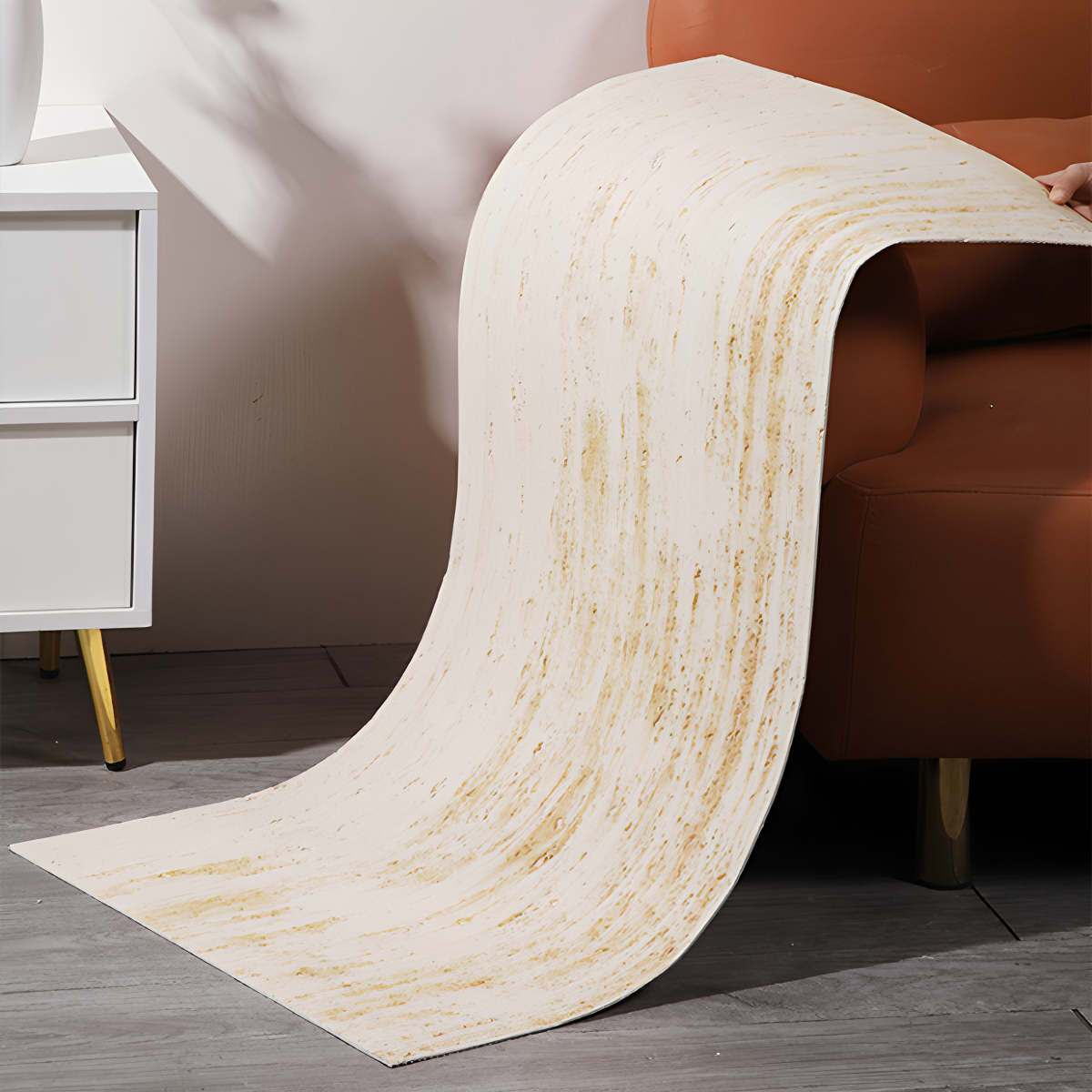
Что такое легкие гибкие каменные панели
Когда-нибудь задумывались, как дизайнерам удаётся добиться вида натурального камня на изогнутых стенах и сложных поверхностях? Ответ кроется в одном из самых инновационных архитектурных материалов, разработанных за последние десятилетия. Легкие гибкие каменные панели сочетают вневременную красоту натурального камня с современными инженерными решениями, создавая универсальные поверхности, которые ранее было невозможно получить с помощью традиционного камня.
“Легкие гибкие каменные панели представляют собой тонкие слои натурального камня, прочно сцепленные с гибкой основой, что позволяет получить универсальный отделочный материал, весящий лишь малую долю от массы цельного камня и сохраняющий его естественную красоту”.”
Что такое легкие гибкие каменные панели? Определение и ключевые характеристики
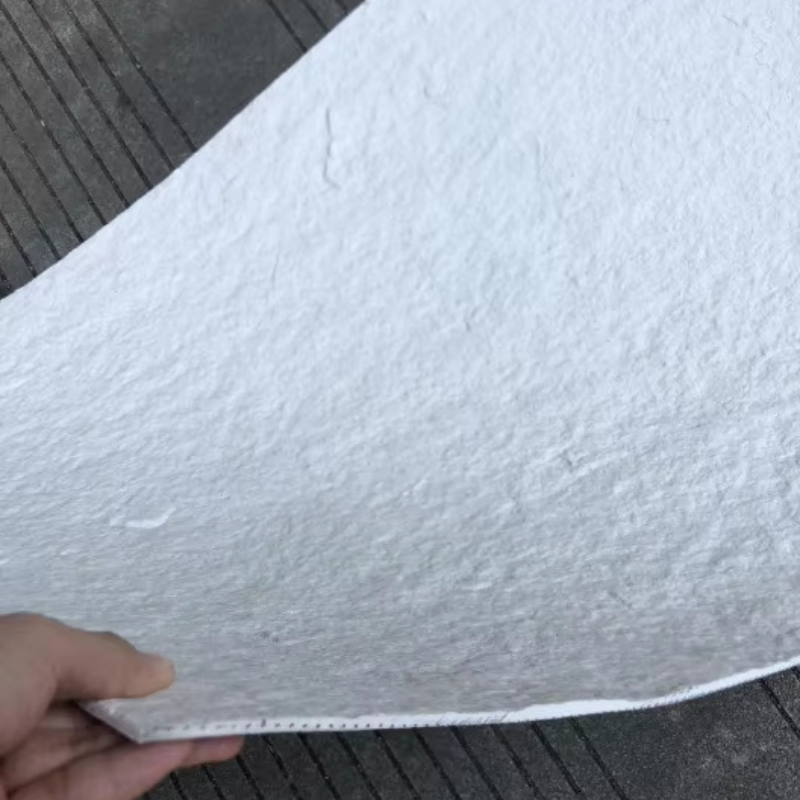
По своей сути, легкие гибкие каменные панели состоят из сверхтонких срезов натурального камня (как правило, 1–2 мм), навсегда соединенных с гибкой основой. В то время как обычный камень весит 10–15 фунтов на квадратный фут, вес таких инновационных панелей обычно составляет менее 1 фунта на квадратный фут.
Панели сохраняют аутентичную текстуру, цветовые вариации и естественную красоту камня, добавляя гибкость, которая позволяет обогнуть углы, кривые и неровные поверхности. Эта адаптивность устраняет многие ограничения жесткого камня, открывая новые творческие возможности для интерьерных и экстерьерных решений.
Состав материала: технологии натурального каменного шпона и гибкой подложки
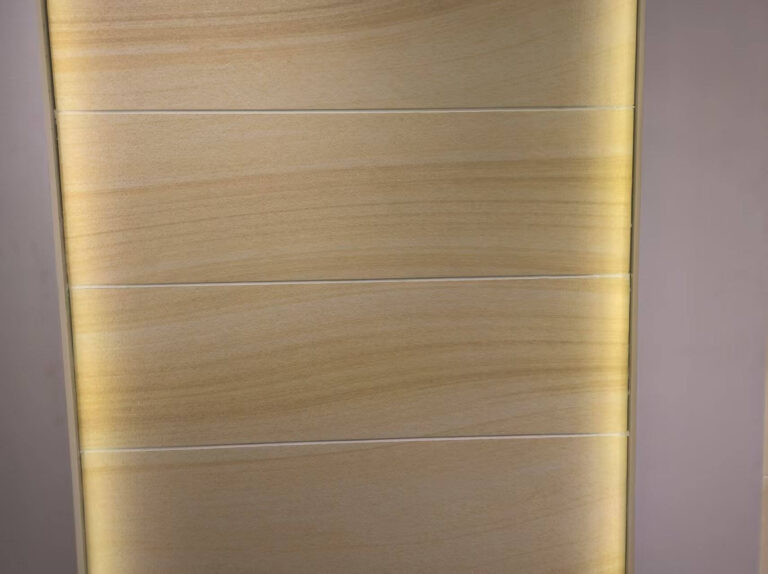
Секрет легких гибких каменных панелей заключается в их слоистой структуре. Лицевой слой состоит из настоящего каменного шпона — включая популярные варианты, такие как сланец, песчаник, мрамор и травертин. Эти тонкие пластины камня аккуратно извлекаются с помощью специализированных технологий резки, сохраняющих естественный характер камня.
Подложечный слой обычно представляет собой стекловолоконную сетку или ткань, комбинацию с полимерными смолами, которые обеспечивают гибкость при сохранении структурной целостности. Некоторые премиальные продукты, например, от JMS Decor, включают дополнительные армирующие слои и специализированные клеи для повышения долговечности и производительности в различных условиях окружающей среды.
Процесс производства: как изготавливаются легкие гибкие каменные панели
Процесс создания начинается с отбора качественных каменных блоков, которые нарезаются в ультра-тонкий шпон с использованием передовой технологии алмазной проволочной резки. Эти деликатные каменные листы затем проходят тщательный процесс склеивания, где они навсегда прикрепляются к гибкому подложечному материалу с помощью специализированных клеев под контролируемой температурой и давлением.
Качественные производители применяют строгие меры контроля качества на протяжении всего производства, тестируя адгезионную прочность, допуск на гибкость и влагоустойчивость. Это гарантирует, что готовые каменные панели сохраняют свою целостность даже при сгибании, резке или воздействии изменяющихся условий окружающей среды.
Сравнение процесса производства гибкого камня
| Этап производства | Традиционный метод | Современная технология | Процесс JMS Decor | Отраслевой стандарт | Влияние на качество |
|---|---|---|---|---|---|
| Добыча камня | Ручная нарезка | Резка алмазной проволокой | Прецизионная резка проволокой | Проволочная резка | Стабильность толщины |
| Толщина шпона | 2–3 мм | 0,8–2 мм | 1–1,5 мм | 1–2 мм | Диапазон веса и гибкости |
| Материал основы | Хлопчатобумажная ткань | Стеклотканевая сетка | Армированная стеклоткань | Стекловолоконный композит | Долговечность и гибкая прочность |
| Процесс склеивания | Однослойный клей | Многослойный композит | Vacuum-pressure bonding | Pressure bonding | Delamination resistance |
| Время твердения | 48-72 hours | 24-36 hours | 18-24 hours | 24-48 hours | Production efficiency |
| Водостойкость | Low (needs sealing) | Средняя | High (integrated sealing) | Medium-High | Application versatility |
Evolution of Stone Cladding: From Traditional Heavy Slabs to Modern Flexible Panels
The journey of stone as a building material has evolved significantly over centuries. Traditional stone cladding methods required substantial structural support, skilled masons, and significant installation time. The weight limitations meant many applications were simply impractical or prohibitively expensive.
The development of flexible stone veneer technology represents a revolutionary leap forward. These versatile panels have transformed stone from a rigid, heavy material to one that can be transported easily, cut with standard tools, and installed by contractors without specialized stone masonry skills.
Modern lightweight flexible stone panels offer the perfect balance between authentic natural stone aesthetics and practical installation requirements. This evolution has democratized the use of stone cladding in both residential and commercial applications, making the timeless beauty of stone more accessible than ever before.
Преобразите ваше пространство гибкими каменными панелями
Наши гибкие каменные облицовки лёгкие и удобные в монтаже, что делает их идеальными для стен, каминов и изогнутых поверхностей. Благодаря настраиваемым цветам и узорам вы можете создавать впечатляющие дизайны, которые выделяются в любом интерьере.
Key Benefits of Lightweight Flexible Stone Panels
When architects and designers discover lightweight flexible stone panels for the first time, their reaction is often pure amazement. These innovative materials have transformed how we think about stone applications, making what was once impossible now easily achievable. Let’s explore why these remarkable panels have become such a game-changer in modern design and construction.
“Lightweight flexible stone panels deliver the authentic beauty of natural stone at just 1/10th the weight of traditional stone, while offering unparalleled design flexibility and simplified installation.”
Featherlight Engineering: Weight Comparison with Traditional Stone
The most immediate advantage of lightweight flexible stone panels is their dramatic weight reduction compared to traditional stone slabs. While conventional stone can weigh between 10-25 pounds per square foot, these innovative panels typically weigh less than 2 pounds per square foot. This “шокирующий” weight difference transforms what’s possible in stone applications.
This featherlight quality eliminates the need for substantial structural reinforcement that traditional stone requires. Walls and surfaces don’t need special engineering to support the material’s weight, expanding installation possibilities to include ceiling applications, mobile elements, and retrofitting projects where weight limitations would otherwise prevent stone use.
Flexibility That Redefines Design: Conforming to Curved and Irregular Surfaces
Perhaps the most revolutionary aspect of lightweight flexible stone panels is their ability to bend and conform to curved surfaces. Traditional stone is rigid and unforgiving, requiring flat surfaces or complex fabrication for curved applications. Bendable stone veneer changes everything by easily wrapping around columns, curved walls, and undulating surfaces.
This flexibility expands creative possibilities dramatically. Designers can now incorporate natural stone into spaces with organic shapes, radius edges, and curved architectural features. The material can follow the contours of unique structures without the complex cutting and fitting that solid stone would require.
Comparing Application Possibilities: Traditional vs. Flexible Stone
| Surface Type | Традиционный камень | Гибкие каменные панели | Сложность монтажа | Cost Difference | Влияние на сроки проекта |
|---|---|---|---|---|---|
| Flat Walls | Suitable | Отличная | Medium vs. Low | 40-60% savings | 50-70% faster |
| Curved Walls | Very Difficult | Отличная | Very High vs. Low | 70-80% savings | 75-85% faster |
| Columns | Difficult | Отличная | High vs. Low | 60-75% savings | 70-80% faster |
| Применение для потолка | Rarely Possible | Хорошо | Extreme vs. Medium | 80-90% savings | 80-90% faster |
| Furniture Surfaces | Ограниченная | Отличная | High vs. Low | 50-70% savings | 60-80% faster |
| Irregular Surfaces | Not Possible | Хорошо | N/A vs. Medium | Not Comparable | Not Comparable |
Installation Simplicity: Tools, Techniques, and Time Savings
Working with lightweight natural stone panels requires no specialized masonry skills or stone-cutting equipment. Installation can be completed using basic tools like utility knives, scissors, and standard adhesives. This accessibility dramatically expands who can work with stone materials beyond specialized stone masons.
The time savings are equally impressive. Projects that might take weeks with traditional stone can often be completed in days with flexible stone panels. JMS Decor’s panels come with detailed installation guides that make the process straightforward even for those new to working with stone materials.
Cost-Effectiveness: Reduced Labor, Transport, and Structural Support Requirements
The economic advantages of lightweight flexible stone panels extend throughout the project lifecycle. Transport costs are significantly lower due to reduced weight and simpler packaging requirements. JMS Decor’s secure shipping methods ensure materials arrive undamaged, preventing costly project delays particularly crucial for commercial installations.
Labor costs see dramatic reductions due to faster installation times and the elimination of specialized stone masonry requirements. Additionally, the structural support costs that typically accompany traditional stone applications – reinforced walls, enhanced foundations, specialized anchoring systems – become unnecessary, further improving the overall project economics.
Versatile Applications in Residential and Commercial Design
From sleek urban apartments to grand hotel lobbies, lightweight flexible stone panels are revolutionizing how designers incorporate natural stone into their projects. These versatile materials bridge the gap between natural beauty and practical application, creating stunning spaces that would be difficult or impossible to achieve with traditional stone. Let’s explore the remarkable range of applications that make these panels so valuable across different design environments.
“Lightweight flexible stone panels offer exceptional versatility across residential and commercial applications, allowing architects and designers to incorporate authentic stone aesthetics in places where traditional stone would be impractical or impossible.”
Residential Applications: Feature Walls, Fireplaces, Kitchen Backsplashes, and Furniture
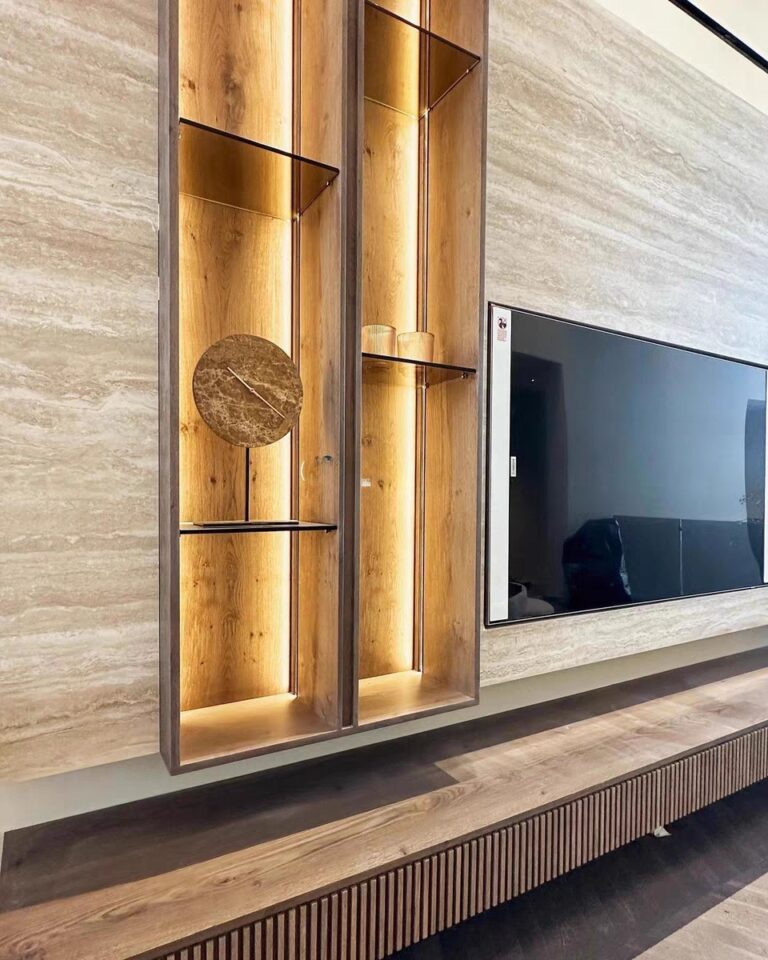
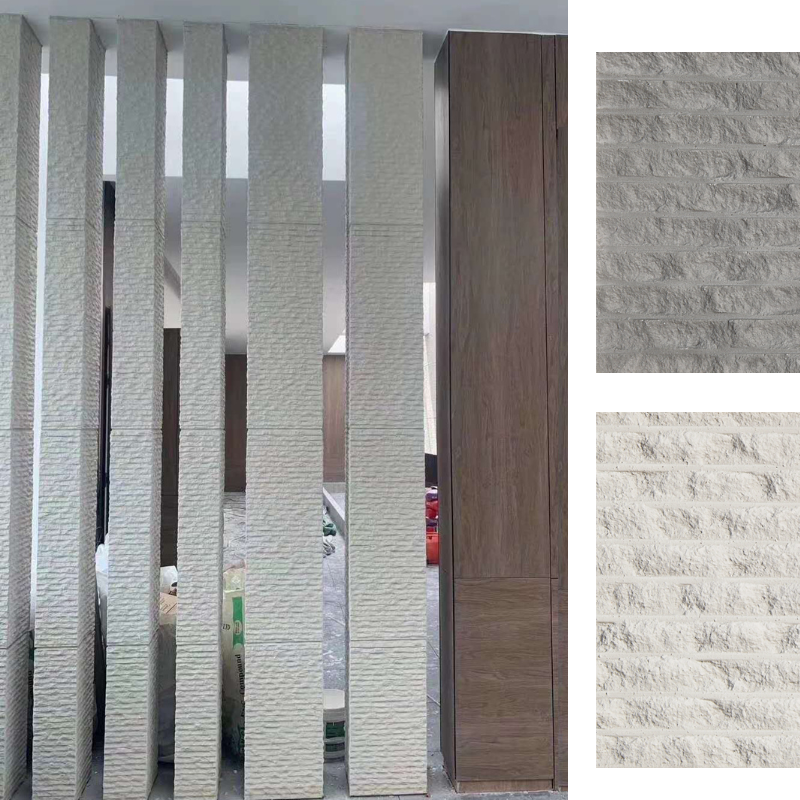
In homes, flexible stone veneer has become a designer favorite for creating dramatic feature walls that serve as focal points in living spaces. The material’s ability to showcase natural stone’s texture and character without the structural concerns of heavy materials makes it ideal for renovations and new construction alike.
Fireplaces transformed with stone veneer create instant warmth and character. Kitchen backsplashes benefit from both the material’s aesthetic appeal and practical advantages—it’s easier to cut around outlets and fixtures than traditional stone tiles. Even furniture pieces like coffee tables, countertops, and custom cabinetry can incorporate stone surfaces, adding luxury without excessive weight.
Преобразите ваше пространство гибкими каменными панелями
Наши гибкие каменные облицовки лёгкие и удобные в монтаже, что делает их идеальными для стен, каминов и изогнутых поверхностей. Благодаря настраиваемым цветам и узорам вы можете создавать впечатляющие дизайны, которые выделяются в любом интерьере.
Commercial Spaces: Lobbies, Reception Areas, Retail Environments, and Restaurants
Commercial designers have embraced lightweight flexible stone panels for creating memorable first impressions in lobbies and reception areas. These “шокирующих” installations often feature sweeping curved walls or columns that showcase the material’s unique bending capabilities while projecting permanence and sophistication.
Retail environments use these panels to create brand-consistent experiences that stand out in crowded marketplaces. Restaurants and hospitality venues leverage the material’s authentic appearance to craft distinctive atmospheres that feel simultaneously luxurious and inviting—all while meeting strict commercial durability requirements.
Application Popularity by Sector and Surface Type
| Application Type | Residential Popularity | Commercial Popularity | Сложность монтажа | Average Project Size | Most Popular Stone Types |
|---|---|---|---|---|---|
| Акцентные стены | Very High | Высокая | Low-Medium | 100-250 sq ft | Slate, Quartzite |
| Columns | Средняя | Very High | Средняя | 50-100 sq ft | Marble, Travertine |
| Curved Surfaces | Низкое | Высокая | Medium-High | 75-200 sq ft | Flexible Slate, Sandstone |
| Фартуки на кухне | Высокая | Средняя | Низкое | 30-60 sq ft | Quartzite, Marble |
| Exterior Accents | Средняя | Средняя | Средняя | 100-500 sq ft | Sandstone, Slate |
| Furniture Surfaces | Low-Medium | Средняя | Высокая | 10-50 sq ft | Marble, Onyx |
Exterior Uses: Facades, Entryways, and Outdoor Living Spaces
While traditionally associated with interior applications, exterior-grade lightweight flexible stone panels are gaining popularity for facade accents, entryway features, and outdoor living spaces. Their weather resistance (when properly sealed) and lightweight nature make them ideal for areas where traditional stone’s weight might pose structural challenges.
Outdoor kitchens, patio feature walls, and poolside accents benefit from the material’s natural appearance and practical advantages. JMS Decor’s portfolio includes numerous projects where their durable exterior-grade panels have withstood challenging environmental conditions while maintaining their aesthetic appeal year after year.
Challenging Surfaces Mastered: Columns, Arches, and Irregular Architectural Elements
Perhaps the most impressive applications of lightweight flexible stone panels are found in projects featuring complex architectural elements. Curved columns that would require extensive custom fabrication with traditional stone can be wrapped seamlessly with flexible panels, preserving the stone’s natural texture while conforming perfectly to the column’s shape.
Arched doorways, barrel-vaulted ceilings, and undulating walls showcase the material’s unique ability to follow compound curves without cracking or requiring complex joinery. This flexibility has opened new creative possibilities for designers working with irregular architectural features that previously couldn’t incorporate stone finishes.

Installation Guide for Lightweight Flexible Stone Panels
Installing lightweight flexible stone panels is surprisingly straightforward, even for those who’ve never worked with stone before. Whether you’re a professional contractor tackling a commercial project or a DIY enthusiast looking to transform your home, this guide will walk you through the process to ensure beautiful, long-lasting results. With the right preparation and techniques, you’ll be amazed at how easily you can achieve the luxurious look of natural stone.
“Lightweight flexible stone panels can be installed with basic tools and techniques, making authentic stone surfaces accessible to both professionals and DIY enthusiasts without specialized masonry skills.”
Pre-Installation Preparation: Surface Requirements and Essential Tools
Before you begin, ensure your installation surface is clean, dry, and structurally sound. Flexible stone veneer works on most substrates including drywall, plywood, concrete, and existing tile, but the surface must be flat, free of dust, and properly primed for optimal adhesion. For exterior applications, weather-resistant backing materials are essential.
Your tool kit doesn’t need to be extensive. Gather a utility knife or scissors, measuring tape, pencil, level, notched trowel, rubber roller, and appropriate adhesive. For cutting and finishing, add a straightedge and fine-grit sandpaper. These “basic tools” replace the specialized equipment traditionally needed for stone installation, making the process much more accessible.
Step-by-Step Installation Process for Different Surfaces
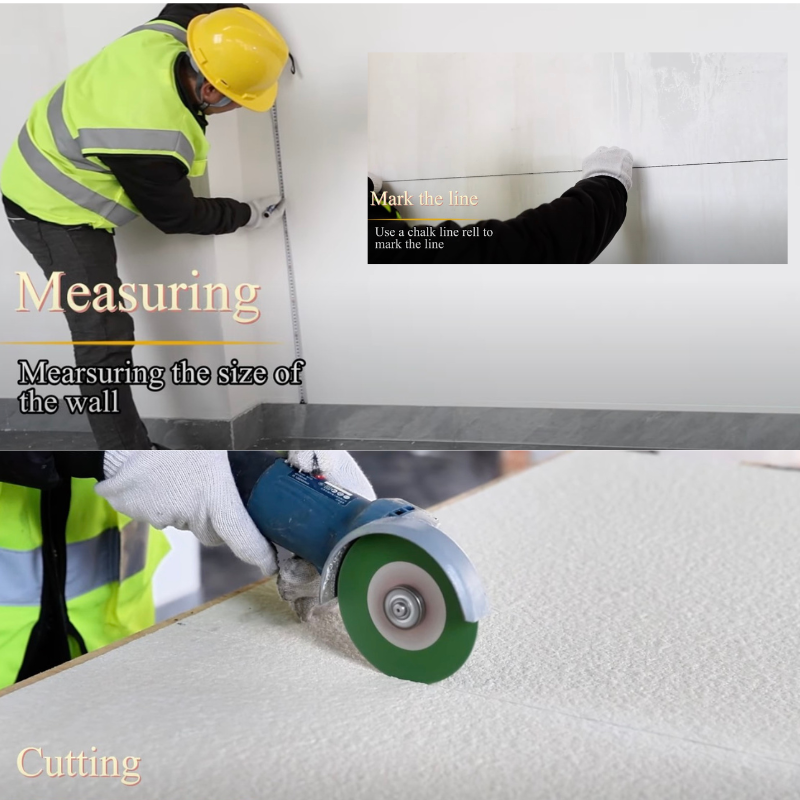
Start by measuring your installation area and planning your panel layout. For larger projects, create a reference line to keep everything level. Most installers prefer working from the bottom up, especially for wall applications. Dry-fit your panels before applying adhesive to confirm your layout and make any necessary adjustments.
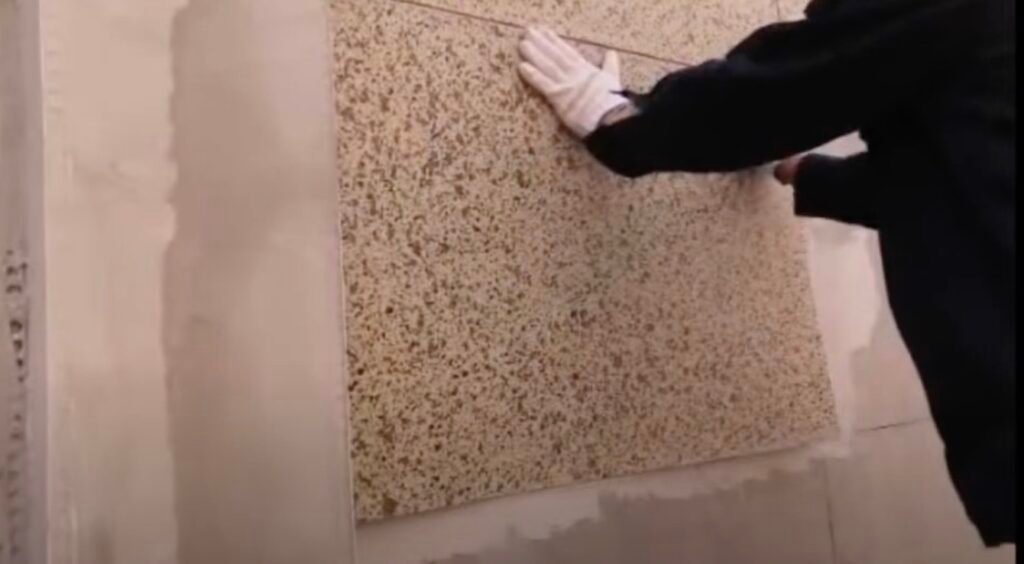
When installing on flat surfaces like walls, apply adhesive evenly to the back of the panel or directly to the wall using a notched trowel. For curved surfaces, work in smaller sections, gradually bending the material to follow the contour. After positioning each panel, use a rubber roller to press firmly from center outward, removing air bubbles and ensuring complete contact with the adhesive.
Installation Requirements by Surface Type
| Surface Type | Preparation Needs | Recommended Adhesive | Special Techniques | Drying Time | Типовые проблемы |
|---|---|---|---|---|---|
| Drywall/Gypsum | Clean, primed surface | Water-based mastic | Standard flat application | 24-48 hours | Ensuring proper support |
| Concrete/Masonry | Sealed, level surface | Polymer-modified thinset | Moisture barrier if needed | 48-72 hours | Addressing surface irregularities |
| Curved Surfaces | Smooth, stable substrate | Flexible adhesive | Progressive bending technique | 48-72 hours | Maintaining even curvature |
| Wood Substrates | Sealed, stable backing | High-grip construction adhesive | Mechanical fasteners for support | 24-48 hours | Accommodating expansion |
| Exterior Applications | Weather-resistant backing | Exterior-grade adhesive | Waterproofing measures | 72+ hours | Weather protection during curing |
| Metal Surfaces | Degreased, etched surface | Epoxy-based adhesive | Surface scoring for grip | 24-48 hours | Ensuring long-term adhesion |
Adhesive Selection and Application Techniques
Choosing the right adhesive is critical for successful installation of lightweight flexible stone panels. For interior dry areas, most manufacturers (including JMS Decor) recommend high-quality construction adhesives or water-based mastics. For wet areas or exterior applications, polymer-modified thinsets or waterproof adhesives provide better moisture resistance.
Apply adhesive in a thin, even layer using a notched trowel appropriate to the panel size—typically 3/16″ to 1/4″ notch depth. For optimal coverage, use a cross-hatch pattern when spreading adhesive. Avoid excess adhesive that might squeeze through seams, and never allow adhesive to dry on the stone’s surface as it can be difficult to remove without damaging the finish.
Cutting, Finishing, and Sealing for Optimal Results and Longevity
Cutting flexible stone panels is straightforward with basic tools. For straight cuts, score the surface with a utility knife along a straightedge and snap cleanly. For intricate cuts around outlets or fixtures, scissors work effectively for most panel types. After cutting, lightly sand edges with fine-grit sandpaper to smooth any roughness.
Once installation is complete and adhesive has fully cured (typically 24-72 hours depending on humidity and temperature), apply an appropriate sealer to protect the stone’s natural beauty and enhance its durability. JMS Decor’s customer support team can recommend specific sealers based on your stone type and application environment, providing ongoing assistance to ensure your project’s long-term success.


Comparing Lightweight Flexible Stone Panels to Traditional Materials
When considering stone for your next design project, the choice between lightweight flexible stone panels and traditional stone materials can significantly impact your budget, timeline, and final results. Both options offer the unmistakable beauty of natural stone, but their practical applications differ dramatically. Let’s explore how these materials stack up against each other to help you make the best choice for your specific needs.
“Lightweight flexible stone panels offer the authentic beauty of natural stone at approximately 1/10th the weight, with dramatically simplified installation and expanded design possibilities compared to traditional stone materials.”
Weight and Structural Considerations: Impact on Building Requirements
The weight difference between traditional stone and lightweight flexible stone panels is truly remarkable. Traditional stone slabs typically weigh 15-20 pounds per square foot, which often necessitates additional structural support in walls, floors, and foundations. This extra reinforcement adds considerable cost and complexity to projects, sometimes even making stone applications impossible in certain settings.
In contrast, lightweight natural stone panels weigh just 1-2 pounds per square foot. This “mind-blowing” weight reduction eliminates the need for structural reinforcement in most applications. This allows for stone installation in places that could never before support traditional materials—like existing walls, ceiling features, and even mobile elements like furniture or display units.
Installation Complexity and Labor Requirements
Traditional stone installation is a specialized craft requiring skilled stonemasons, specialized cutting tools, and significant labor hours. The process involves careful measuring, precise cutting with diamond-blade saws, mixing mortar, and setting heavy pieces with exact spacing. A single mistake can result in wasted expensive materials and project delays.
Lightweight flexible stone panels transform this complex process into something surprisingly accessible. Installation requires only basic tools—utility knives, scissors, and standard adhesives. The panels can be cut on-site without specialized equipment, dramatically reducing both labor costs and installation time. JMS Decor’s detailed installation guides make the process approachable even for those with limited construction experience.
Comparative Analysis: Traditional Stone vs. Lightweight Flexible Panels
| Factor | Традиционный камень | Lightweight Flexible Panels | Percentage Difference | Project Impact | Лучшее применение |
|---|---|---|---|---|---|
| Weight | 15-20 lbs/sq ft | 1-2 lbs/sq ft | 90-95% reduction | Eliminates structural reinforcement | Retrofit projects, non-load-bearing walls |
| Время установки | 3-5 days (100 sq ft) | 4-8 hours (100 sq ft) | 80-90% reduction | Faster project completion | Time-sensitive projects |
| Required Skills | Professional mason | Basic DIY competence | Not quantifiable | Expanded installer options | DIY and general contractors |
| Tools Needed | Specialized equipment | Basic hand tools | 75-85% reduction | Lower equipment costs | Projects with limited resources |
| Затраты на материал | $15-50/sq ft | $12-30/sq ft | 20-40% reduction | More affordable for large areas | Budget-conscious projects |
| Total Project Cost | $30-80/sq ft installed | $15-40/sq ft installed | 40-60% reduction | Significant project savings | Value-engineered projects |
Design Flexibility: Where Traditional Stone Falls Short
While traditional stone exudes timeless beauty, its design applications are severely limited by its rigid nature. Curved or irregular surfaces typically require custom fabrication, complex cutting, or special installation techniques that are cost-prohibitive for most projects. Many innovative design concepts simply can’t be executed with conventional stone.
Lightweight flexible stone panels excel precisely where traditional stone struggles most. Their ability to bend and conform to curves, columns, arches, and undulating surfaces opens entirely new design possibilities. JMS Decor’s OEM customization capabilities allow architects and designers to specify exactly what they need for their unique projects, with consistent quality control across large orders.
Cost Analysis: Initial Investment vs. Long-Term Value and Maintenance
The cost equation extends beyond just materials. Traditional stone typically costs more per square foot than flexible panels, but the real financial impact comes from additional factors: structural reinforcement, specialized labor, longer installation times, and more complex logistics. These can easily double or triple the total project cost.
Stone cladding panels offer compelling value through simplified installation, reduced structural requirements, and less waste during installation. While the upfront material costs may be only modestly lower, the overall project savings are substantial. Maintenance requirements remain similar—both materials benefit from periodic sealing and routine cleaning—ensuring your investment maintains its beauty for years to come.
Conclusion
After working with stone materials for years, I’ve seen how lightweight flexible stone panels have truly changed what’s possible in design. The ability to bring authentic stone beauty to curved walls, columns, and irregular surfaces—without structural reinforcement or specialized masons—has opened up creative possibilities that simply didn’t exist before.
The math speaks for itself: 90% weight reduction, installation times cut by 80%, and total project costs slashed by up to 60%. But beyond the numbers, it’s the design freedom that makes these panels so revolutionary. Projects that once seemed impossible are now achievable with basic tools and reasonable budgets.
Whether you’re planning a statement wall for your home or a commercial space that needs to make a lasting impression, these innovative panels deliver the timeless luxury of natural stone without the traditional limitations. In today’s design world, that kind of versatility is a “ride-or-die” advantage you can’t afford to overlook.
External Links
- World-leading Manufacturer of Stone Panels – StonePly
- TXTR-LITE | Stone Veneer
- Versalite Stone Flexible Stone Veneer Panels – Design Tile
- VersaLite Stone | Thin Flexible Stone Veneer
- LedgerStone – Onyx White – Marble | Flexible Stone Veneer
- Natural & Flexible Stone Veneer Panels – Versalite Stone
- Flexible Stone Veneers – FLEXX SLATE