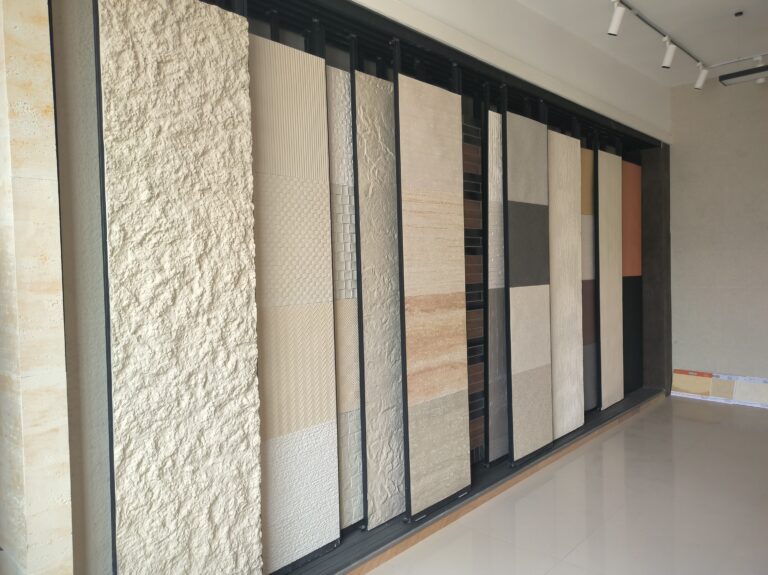
A certificate of analysis describes one production run, not every run that follows it. If your second order of flexible stone veneer ships after a raw-material change, a pigment adjustment, or a different line, the first-batch COA will not tell you. Batch consistency for decorative stone panels is verified with three things no general quality checklist covers: a retained physical first-article sample compared under controlled light, spot checks against the declared thickness and weight range for the specific pattern, and batch traceability that links every pallet back to the production record. The rest of this guide shows you how to run those checks yourself before the container loads, not after it lands.
Why does a COA from the first batch not lock in my second order?
A COA is a report card for one lot. It records what the factory measured on the material it sampled from that run — typically the composition summary, the fire-test data, and permeability figures for the panels that went into your first container. Nothing on the document binds future production to it.
The gap matters most on material that looks like stone and is manufactured like a composite. Flexible stone veneer is built from natural stone powder, an inorganic binder system, and a fiberglass mesh reinforcement layer. The color you approved is a pigment recipe applied through digital 3D printing, and the relief comes from a physical mold. Any of those three inputs — binder batch, pigment lot, mold condition — can move slightly between runs while every number on the COA still passes.
So treat the first COA as a baseline, not a fence. It tells you what “correct” looked like once. Your job on the reorder is to prove the new batch matches that baseline and each other batch you already installed.
What does batch consistency actually mean for flexible stone panels?
For this material, “consistent” is five separate checks, not one impression:
- Color and tone. The printed surface hue and the shading range within the pattern. This is the check that fails most often and the one no document can settle by itself.
- Relief and texture depth. The mold gives the panel its physical surface. A worn or re-made mold flattens the relief even when the color is identical.
- Thickness and weight. Each pattern lives in a declared band — flexible stone commonly ranges from roughly 2 to 8 mm and 1.5 to 6 kg per square meter depending on the design, with thin styles like travertine sitting at the light end. A batch that lands at the wrong end of its band is a flag, not a rounding error.
- Backing structure. The fiberglass mesh is what makes a panel flexible instead of brittle. Its position and coverage should match the approved sample.
- Curved-surface behavior. If your project bends panels around columns or arches, a recipe that shifted can crack at a radius the first batch absorbed without complaint.
A supplier can honestly send a compliant COA while drifting on all five. That is why the check is physical, and why it happens before the freight is booked.
How do I check color between production runs without a lab?
You do not need a spectrophotometer to catch the mistake that matters. You need a retained sample and disciplined viewing conditions.
When you approve the first-article sample (sometimes called an FAI sample) for your pattern, keep two sealed copies of the actual panels that shipped in the first container — not the catalog piece, the installed piece. Label them with the batch number and store one in daylight-neutral conditions. Before your reorder ships, the factory photographs and, if you ask, physically sends corner offcuts from the new batch laid side by side with your retained sample.
Three viewing rules make the comparison reliable:
- Compare under standard daylight-correlated light (around 6500K, the D65 illuminant the color science community uses as its reference; the Commission Internationale de l’Éclairage (CIE) maintains the illuminant and color-difference standards behind this method).
- View at the distance the finished wall will actually be seen — normally two meters for interior feature walls — and then again close-up, because a match that holds at distance can show a seam in raking light.
- Check several panels from the new batch against each other before comparing to the retained sample. Variation within a batch is a different problem from variation between batches, and the buyer response is different.
For quantified disputes, a color-difference value (ΔE) measured by the factory or an independent lab gives you a number to argue with. Ask for it when a visual comparison is borderline; the specification you approved in writing is the reference point.
Which physical properties should I spot-check on every reorder?
신규 배치 입고 전 공장으로부터 샘플 측정표를 받아보시기 바랍니다 — 금형에서 꺼낸 시편이 아닌, 임의 추출한 몇 장의 패널로 만든 것입니다. 각 패널별로 총 두께(밀리미터 단위), 주문 치수 대비 시트 크기(본 소재 표준 포맷은 1200 × 600mm, 대형 포맷은 최대 1200 × 2900mm), 평방미터당 중량, 그리고 섬유유리 보강망이 보이는 뒷면 사진을 확인해야 합니다.
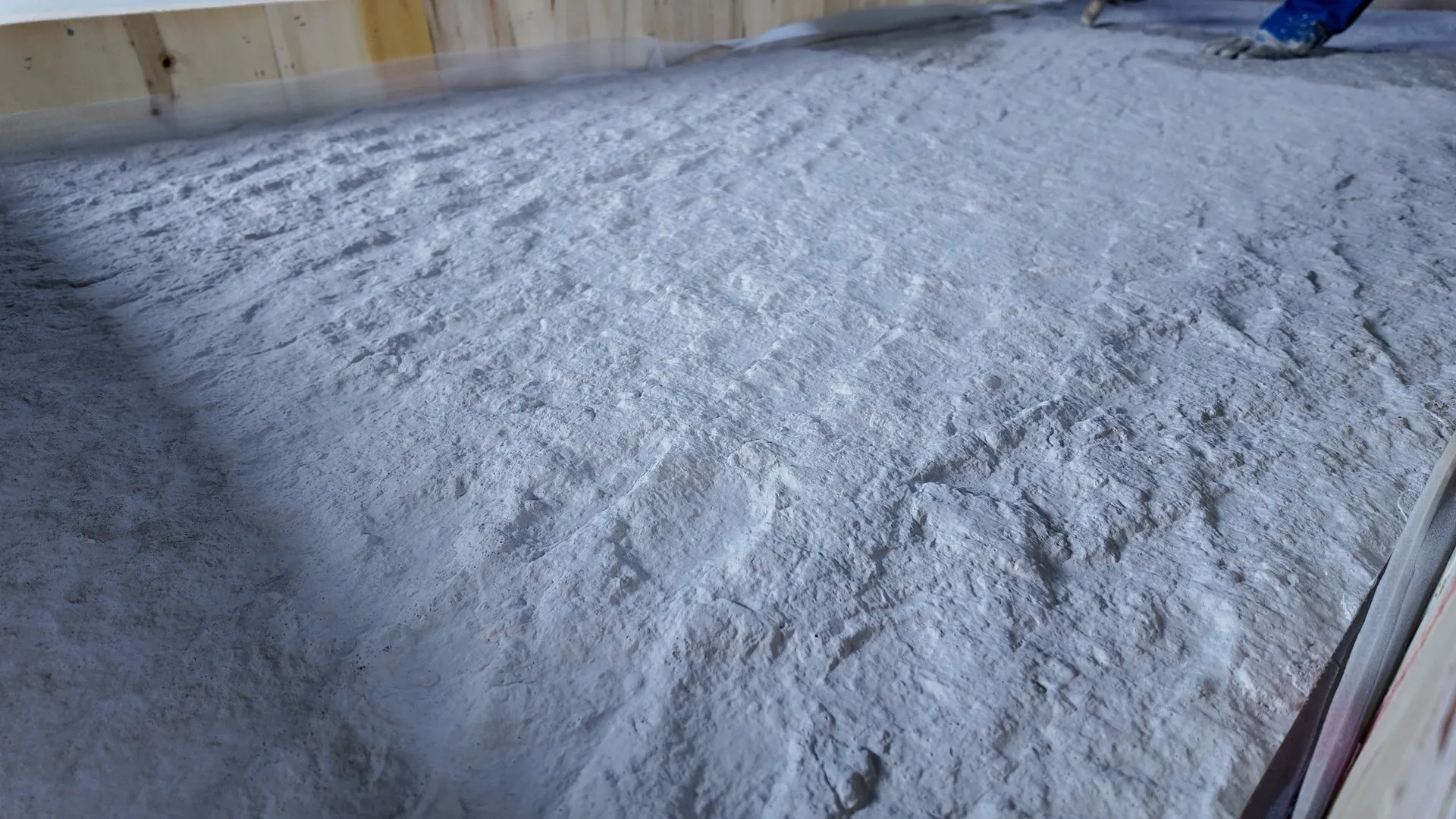
이후 보유된 샘플과 대비해 5분간 자체 검수를 진행합니다. 캘리퍼스로 두께를 3지점에서 측정하고, 해당 무늬가 선언된 중량 범위 대비 1㎡를 저울로 재며, 미세 균열 없이 굽어지는지 확인하기 위해 구석 부분을 실린더 위에 가볍게 휘어보고, 뒷면 가장자리를 통해 메쉬가 잘 드러나는지 살펴봅니다. 중량이 허용 상한에 가까우면 혼합비가 더 밀집됐다는 의미이고, 가볍다면 결합제 층이 더 얇을 수 있습니다. 어떤 경우든 이는 완성된 외벽에 나타나기 전에 반드시 먼저 발견해야 할 사항입니다.
이 검수 절차는 입고 검사 프로세스에도 반드시 포함시켜야 합니다 — 컨테이너 문서와 함께 측정표를 보관해 두면, 몇 달 후에 시공된 문제의 원인을 특정 생산 배치와 연결할 수 있습니다.
컨테이너pap어에 어떤 서류가 배치 추적을 가능하게 하나요?
추적 가능성은 “不良 팔레트 한 개” 문제를 합리적인 클레임으로 처리할 수 있게 만듭니다. 발송 전 아래 연결고리가 존재하며 일치하는지 반드시 확인합니다.
- 수출 포장재에 표기된 배치 또는 로트 번호. 모든crate또는 팔레트에는 생산 배치가 기재되어야 하며, 이는 해당 shipments에 동반되는 COA와 일치해야 합니다.
- 선적 표시와 포장 목록. 개수, 치수, 총중량은 시트별로 일치해야 하며, 선적 표시의 제품 설명은송장 및 선하증권과 일치해야 합니다.
- 첫 제품 참조 자료. 재발주용 COA 및 포장 서류에는 원래 승인한 제품 코드와 무늬 번호를 명시해야 합니다 — 묵시적인 코드 변경은 제품이 치환되는 경로를 열어줍니다.
- 적재 이전 배Shot사진. 적재된crate내 패널들의 사진(표면이 보이도록, 래핑만 있는 것이 아닌)은 공장에 무비용이며, 코너나 색조가 맞지 않게 도착했을 때 증거 자료로 활용합니다.
공급업체가 야드에 있는 팔레트를 생산 기록과 연결하지 못한다면, 귀하도 배치와 클레임을 연결할 수 없습니다. 이 논리는 저희 가이드에서 점검점 관점으로 다루고 있는 전반적인 소싱 프로그램의 근간을 이룹니다. 상업용 유연석 소싱 에서 점검점 관점으로 다룹니다.
조용한 교체(무단 대체)를 방지하려면 어떻게 재주문 PO를 작성해야 하나요?
재주문 발주서는 제품 설명을 기억으로 다시 쓰는 대신 승인 이력을 참조해야 합니다. 쉽게 말해 다음 다섯 가지 요소를 확정하셔야 합니다.
- _approved_first_article_sample_의 코드에 따른 패턴 및 색상 — 카탈로그 사진이 아닌 실제 시편 패널 기준.
- 해당 패턴에 대한 두께 및 중량 범위 명시, 그리고 출고 전 측정 시트를 선적 서류에 동봉할 것.
- 벤치마크 배치 번호: “참조 번호 ___ 아래 보관된 자재와 일치해야 함.”
- Explicit no-substitution clause: binder system, pigment recipe, mesh type, and backing may not change without your written approval.
- Inspection rights before loading, and what happens if panels miss the benchmark.
If you are developing a private color, also fix the formula custody in writing. Custom Pantone-matched colors are mixed and printed on equipment the factory controls; what protects you is an agreement that the recipe and the molds are kept for you and not sold to anyone else — a reputable manufacturer stores customer molds and color formulas long term precisely so reorders match (at JMS Decor, molds and color formulas are held free of charge for five years, and reorders on them carry no new tooling cost). See the customization and OEM page for how custom colors and patterns are commissioned.
What do I do when the second batch is visibly different?
Stop, and sort before you install.
- Document first. Photograph new batch and retained sample side by side under the same light, with the batch marks visible.
- Quantify. Measure thickness and weight on ten panels from the new run against the specification.
- Decide on scope. A tone difference that disappears at viewing distance can often be managed by blending panels from both batches across a larger wall; a difference that holds at distance will show as a patch and needs a claim.
- Use the contract path. This is where the PO language above pays: a mismatch against the benchmark batch is a documented non-conformity, not an opinion.
Do not install the suspect batch to “keep the schedule” and negotiate afterward. Once panels are on the wall, the color conversation becomes a demolition conversation.
자주 묻는 질문
Does batch consistency matter if I order the same catalog pattern every year?
Yes — catalog patterns are the ones that shift most, because pigment lots and mold wear change silently between runs. A pattern you bought three years ago is not automatically the wall you get today unless the reorder is checked against a retained sample.
Can I just keep a brochure instead of a physical sample?
No. Printed and screen-rendered images lock a single idealized piece of a material that is inherently variable. Keep actual panels from the approved production batch, stored flat and sealed.
Is a ΔE value required on every order?
It is not standard on every shipment, but asking for one when a visual match is borderline gives you a number instead of a standoff. The specification and retained sample stay the reference either way.
What about small orders — do these checks still work at trial quantity?
Yes, and proportionally more so: a 300 square meter standard MOQ reorder can still cross more than one production run, and a trial order (our MOQ guide explains when smaller quantities work) concentrates risk in fewer batches, so measurement sheets and batch marks matter just as much.
My distributor says the panels are “within tolerance.” Within whose?
Ask which tolerance — the declared thickness and weight band for the pattern, or the deviation from your approved sample. A supplier can be inside its own band while being a visible match failure against your installed wall. The retained sample is the referee.
Ready to lock your benchmark before the next container? The flexible stone veneer product page 현재 패턴과 두께대를 열거하며, 샘플 요청은 앞서 설명한 동일 배치 관리 기준에 따라 첫 생산품 승인 절차로 시작됩니다.