Stone Veneer for Furniture: Desks, Cabinets & Millwork
2026년 5월 1일 ·
릴리 ·
15분 독서
스톤 베니어를 활용한 가구가 제대로 구현되지 않으면, 이는 곧 자재 폐기와 프로젝트 지연으로 직결되어 밀크워크나JOINERY 업체 수익률을 크게 떨어뜨립니다. 건축가와 디자이너들은 고급 데스크, 캐비닛, reception 카운터에 천연석을 지정하지만, 천연 석재 슬래브의 무겁고 복잡한 가공 특성은 실제 적용이 비현실적입니다. 그 결과 상점들은 수익성 있는 견적을 거절하거나, 박리(laminate delamination), 파손 또는 클라이언트의 원래 의도대로 완성되지 않아 실패하는 설치를 감수해야만 합니다.
이 가이드는 가구 제작 환경에서 스톤 베니어 작업을 위한 표준 운영 절차(SOP) 역할을 합니다. MDF나 합판 같은 올바른 기판 선정부터 빡빡한 코너에 맞는 열성형(thermoforming) 패널 처리 방법까지 핵심 기술 요건을 다룹니다. 가장자리 밴딩(edge banding) 적정 기법과 고빈도 접촉 표면용 실런트 적용 방법을 배워, 최종 제품이 탁월한 내구성과 시각적 인상을 동시에 갖추도록 보장합니다.
벽을 넘어:_JOINERY 작업에서의 스톤 활용
스톤은 이제 카운터톱에서만 볼 수 있는 재료가 아닙니다. 가벼운 합성 패널의 등장으로 도전을 넘어선 디자인이 현실화되면서 가구 및 캐비닛 제작의 주력 소재로 자리 잡았습니다.
가구 디자인에 스톤 통합하기
천연석은 단순 표면 마감재를 넘어, 현대 가구 디자인에서 핵심적인 미적·구조적 요소로 거듭났습니다. 이 변화는 장구함 내구성을 강조하는 상업·주거 내부 공간에 대한 수요 증가와 맞물립니다. 석재는 대량 생산 소재로는 복제할 수 없는 독특한 시각적 개성을 제공하여, 공간에 기능적 가치와 안정감을 더합니다.
미니멀하고 깊이 있는 질감을 지닌 스톤 마감은 촉감이 디자인의 일부가 되는 현대적 가구 작품에 선호됩니다.
강렬한 색상 또는 독특한 무늬를 가진 석재는 테이블이나 콘솔과 같은 품목을 강렬한 포인트 아이템으로 만들 때 자주 활용됩니다.
이 소재는 상업 및 hospitality 프로젝트에서 필수적으로 요구되는 것처럼, 혼잡한 공간에서의 마모에 대한 기능적 회복력을 제공합니다.
현대 _JOINERY 작업의 가벼운 패널
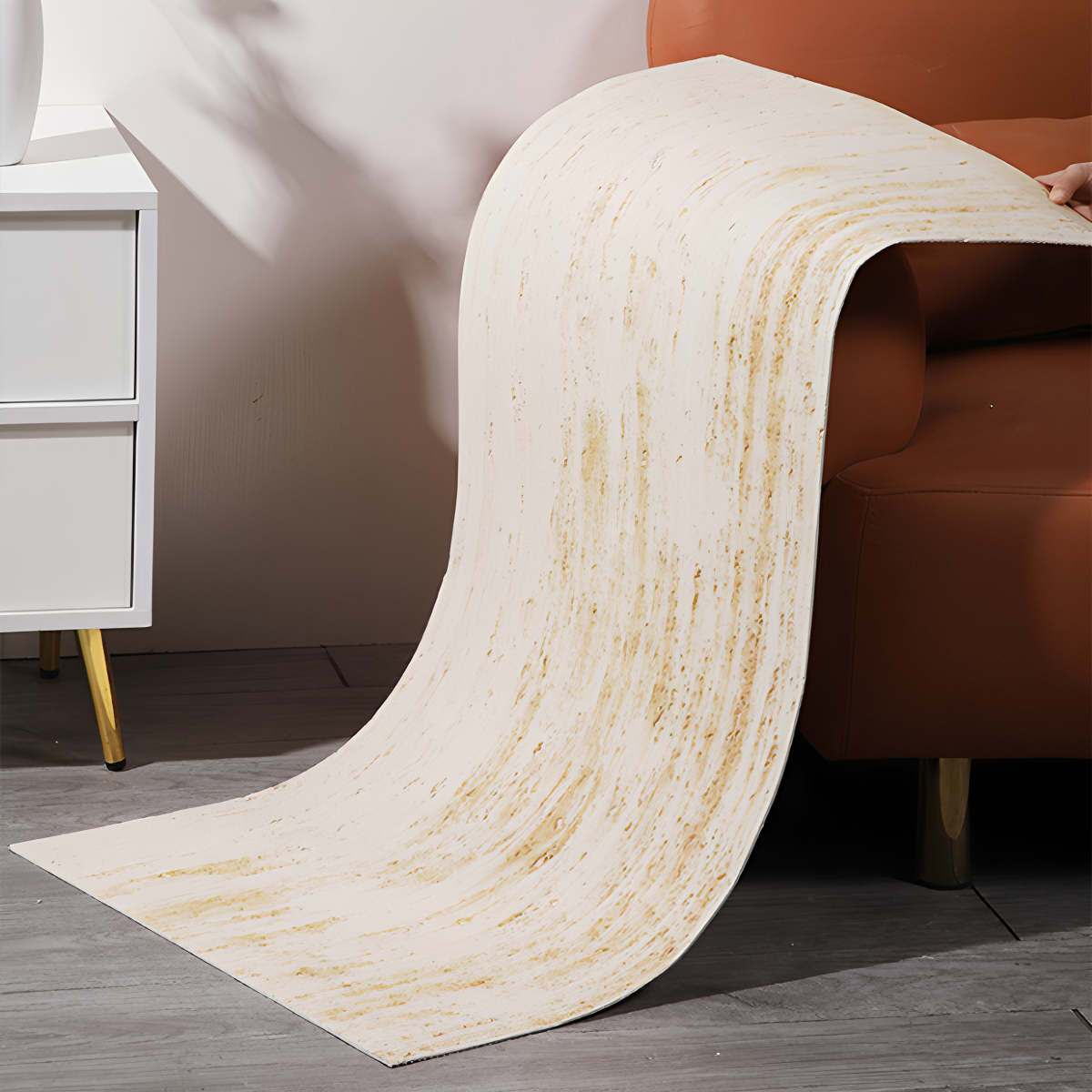
JOINERY 에서 스톤 활용을 가능하게 한 핵심 요인은 경량 합성 패널 기술의 발전입니다. 기존 단단한 천연석은 대부분의 가구 사양에 무겁고 깨지기 쉬워 적합하지 않지만, 가중치가 m²당 3.5~6.0kg에 불과한 유연한 스톤 베니어는 이러한 구조적 제약을 제거합니다. 이로써 이전에는 실용적이지 않거나 지나치게 비싼 비용만 발생하던 디자인의 가능성을 열었습니다.
유연한 스톤 패널은 무게의 극히 일부로 채석된 돌의 진한 외관과 질감을 제공하며, 캐비닛 몸체나 가구 프레임에 가해지는 스트레스를 최소화합니다.
일반적인 적용 사례로는 캐비닛 도어, 서랍 앞면, 일체형 선반 유닛, 그리고 가구에 내장되는 피처 월 패널링이 포함됩니다.
경량화는 물류와 현장 처리를 단순화하여 공사비와 설치 기간을 직접 절감시켜 시공사 및 쇼트피터에게 이점을 제공합니다.
조리대를 넘어선 새로운 응용 분야
디자이너들은 이제 평면 작업을 넘어 완전 통합형 다기능 가구를 만들고 있습니다. 석재를 큰 구조 요소에 감싸는 Seamless, 단조로운 외관을 만들어내며 이는 상업 공간에서 첫인상과 내구성이 중요할 때 특히 효과적입니다.
석재는 빌트인 저장 유닛과 미디어 콘솔에 통합되어 캐비닛 공법과 건축 마감재의 접합을 이루고 있습니다.
주방 아일랜드, 리셉션 데스크, 리테일 카운터를 단일 석재 마감으로 감싸면 실내의 강렬한 시각적 중심을 형성합니다.
이러한 응용 분야는 고접촉 표면에 매우 내구성이 강하고 세척이 쉬운 마감을 제공하여 분주한 환경에서 수명을 보장합니다.
기판: MDF, 합판, HDF
올바른 기판을 선택하는 것은 표면 마감, 구조적 무결성, 그리고 비용 사이의 타협입니다. 각 소재는 현대 가구 제작에서 고유한 기능적 역할을 합니다.
모든 석재 비니어 마감재의 성능은 그 아래 기판의 안정성에 직접적으로 연관됩니다. 가구 제작 시 MDF, 합판, HDF 중 어떤 것을 선택하느냐에 따라 최종 제품의 내구성, 외관, 그리고 의도된 환경 적합성이 결정됩니다. 이러한 핵심 소재를 이해하는 것은 성공적인 프로젝트 지정에 필수적입니다.
중밀도섬유판(MDF)
2026년에도 MDF는 완벽한 표면 마감 처리가 최우선 목표인 가구의 기본 기판으로 남아 있습니다. 매끄럽고 치밀한 조성으로 나무 결이 없어 페인트, 라커 및 유연한 석재 비니어의 이상적인 기반이 됩니다. 우리는 주로 저렴한 비용으로 이상적인 외관을 실현해야 하는 가구 문, 실내 트림, 장식용 패널 등 비구조 부품에서 MDF를 가장 많이 사용합니다.
페인트 도장 및 정교한 가공에 완벽하게 적합한 표면을 제공합니다.
원목 사용 비용 없이 고급스러운 외관을 실현할 수 있는 경제적 옵션입니다.
방수 처리된(MR-MDF) 변형 제품이 주방 및 욕실 공간에서 점점 더 많이 사용됩니다.
하중 지지 능력을 향상시키기 위해 종종 단단한 목재나 금속 프레임으로 보강됩니다.
기재 재료 비교
주요 사용 사례
주요 제한 사항
중밀도섬유판(MDF)
장식 패널, 도장 캐비닛 도어, 인테리어 트림.
습기 저항성이 낮음(MR 등급 제외); 하중 지지력 불량.
합판
구조 프레임, 캐비닛 선반, 고습도 공간.
표면이 덜 매끄럽고, 공극이나 박리 현상 발생 가능.
고밀도섬유보드(HDF)
고충격 상업용 가구, 라미네이트 바닥재 코어.
MDF보다 무겁고 비쌈.
합판
합판은 구조적 무결성을 위한 최적의 소재입니다. 교차 적층 구조로 MDF 대비 뛰어난 안정성과 습기 저항성을 제공하며, 습도 변동이 있는 환경에서도 가구가구의 프레임, 하중 지지 선반, 캐비닛 몸체 등 구조체 기재로 선호됩니다. 유연한 석재 베니어는 합판에 잘 부착되므로, 내구성이 뛰어난 석재 마감 구조 요소 제작에 적합합니다.
하중 지지 가구 부품에 탁월한 내구성을 제공합니다.
습도가 변동하는 환경에서 우수한 성능을 발휘합니다.
휨과 수축을 저항하여 장기적인 안정성을 보장합니다.
고밀도섬유보드(HDF)
고밀도 섬유보드(HDF)는 내구성이 요구되는 환경에 특별히 설계되었습니다. 밀도가 종종 800kg/m³를 초과하며, 일반적인 MDF 대비 경도가 크게 향상됩니다. 주된 용도는 상업용 공간으로, 리테일 피딩, 접수대, 그리고 마모가 빈번한 라미네이트 바닥재의 안정적 코어 재료 등에 사용됩니다.
치열한 사용 환경을 견디는 탁월한 경도와 충격 저항을 제공합니다.
라미네이트 제품의 튼튼한 코어 재료로 활용됩니다.
MDF의 내구성이 충분치 않은 대안으로, 강한 역할을 수행합니다.
맞춤 가능한 스톤 베니어로 디자인을 한 차원 높여보세요
Our lightweight, durable soft stone panels are crafted from premium, eco-friendly materials for long-lasting performance in any luxury project. With low MOQs and a consistent supply from our ISO-certified factories, we ensure your project needs are met reliably and efficiently.
Stone veneer edge banding is a niche but growing category that creates a seamless, monolithic look on joinery, directly answering the market’s demand for authentic industrial textures.
While traditional wood and PVC still dominate the edge banding market, stone and concrete textures are gaining significant traction. This shift reflects a broader architectural preference for authentic material mimicry and durable, low-maintenance finishes in both commercial and residential spaces. By 2026, the demand is clearly driven by designers specifying materials for high-impact, modern aesthetics that require minimal upkeep.
Market Trends and Drivers
The adoption of stone veneer for edge banding is a direct response to the rising popularity of industrial and minimalist design. Designers and fabricators seek materials that offer an authentic feel without the installation complexities of solid stone. This trend provides a practical way to incorporate natural textures into furniture and cabinetry at a competitive price point.
Fulfills the rising demand for industrial-style furniture and cabinetry.
Offers a durable and low-maintenance alternative to traditional wood or PVC edges.
Reflects evolving architectural tastes for authentic material textures.
Key Applications in Modern Design
Stone veneer edge banding is specified for high-visibility joinery where a clean, seamless look is critical. Its primary use is in specialized applications that serve as focal points within a space, such as large kitchen islands or corporate reception desks. The material provides a premium finish that elevates the perceived value of the final piece.
Ideal for creating cohesive looks on kitchen islands and countertops.
Used in commercial settings for reception desks and office furniture.
Enhances modern entertainment centers and custom cabinetry with a premium finish.
Material Pairing and Aesthetics
The primary aesthetic advantage of stone edge banding is its ability to create a monolithic appearance. When paired with matching stone-look composite panels, it eliminates visual breaks at the edges. This technique creates the illusion of a solid block of stone, achieving a high-end look without the associated weight, cost, or fabrication challenges.
Designed to be paired with matching stone-look composite panels for a seamless look.
Creates a high-end, solid-stone aesthetic without the weight or cost.
Allows for greater design differentiation in a competitive market.
Thermoforming: Using Heat for Tight Corners
Successful thermoforming for sharp corners isn’t about raw heat; it’s about achieving absolute temperature uniformity across the material sheet. Thermal gradients are the primary cause of inconsistent wall thickness and flawed edge details.
Wrapping a flexible material around a tight corner without compromising its integrity requires precise thermal management. The goal is to make the material pliable enough to form perfectly but not so hot that it thins out or loses structural strength at the bend. This process depends entirely on maintaining consistent, even heat distribution from the moment the material enters the oven until it meets the mold.
Achieving Temperature Uniformity
Precise control over the heating process prevents material failure. Modern systems use zoned infrared heaters to apply energy exactly where it’s needed, avoiding overheating flat surfaces while ensuring corners get sufficient heat. This is often paired with high-velocity air convection ovens to eliminate cool spots that create inconsistencies. Heated clamping systems are also critical; they stop heat from escaping at the material’s edges, preventing the thermal gradients that lead to poor corner quality and weak points.
파라미터
Legacy Approach
Best Practice (2026)
Heat Management
Basic convection ovens, inconsistent heating
Zoned infrared heating and heated clamps
Corner Geometry
Reactive adjustments, trial-and-error
Draft angles (≥5°) & Fillet radii (≥½ material thickness)
Material Control
Simple vacuum forming
Plug-assist and billow-drape methods
Designing for Sharp Corners: Angles and Radii
The physical design of the mold is just as important as the heating process. To prevent material from thinning as it stretches around a tight corner, joinery designers incorporate specific geometric rules. A draft angle of at least five degrees helps the material release smoothly from the mold without sticking or tearing. Fillet radii, the small curves at the interior corners, should have a minimum radius of at least half the material’s thickness. This small adjustment distributes stress evenly and prevents the material from becoming too thin at the bend, maintaining both structural strength and a clean aesthetic.
Advanced Methods for Material Consistency
For complex furniture or architectural components with deep cavities, standard thermoforming isn’t enough to guarantee uniform wall thickness. Advanced methods are needed to mechanically guide the material. A plug-assist process uses a mechanical plug to pre-stretch the heated sheet into a deep cavity before the vacuum is applied, ensuring even material distribution. For large or complex surfaces, billow-drape methods pre-stretch the material with air pressure before it contacts the mold. These techniques deliver the tight tolerances and consistent quality required in high-end joinery and commercial installations.
Sealing for High-Touch Surfaces (Desks)
The industry standard for sealing high-use furniture has shifted from post-application coatings to integrated, component-level sealing during fabrication, which boosts durability and reduces long-term failure points.
Integrated Sealing in Manufacturing
By 2026, the process of sealing furniture has fundamentally changed. Instead of applying sealants after assembly, fabrication now incorporates sealing as a core part of the component itself. Advanced techniques like multi-component molding embed elastomeric materials directly into desk surfaces and edges. This approach creates a superior bond, reduces assembly complexity, and eliminates the seams and gaps that often become points of failure in traditional post-assembly sealing.
Material Selection for Durability
Protecting high-touch surfaces requires careful material selection. The focus is on materials that withstand constant contact, harsh cleaning agents, and environmental exposure without degrading. We primarily specify materials like industrial-grade silicone foam and polyurethane for their optimal balance of durability and cost-efficiency. Key performance indicators for these materials include high UV resistance to prevent yellowing or cracking and low outgassing to maintain surface integrity and air quality. The final material choice is always optimized for the specific performance demands of the furniture’s intended use, from a corporate office to a high-traffic retail counter.
특성
Traditional Sealing (Post-Assembly)
Integrated Sealing (2026 Standard)
Application Method
Topical coating or adhesive bead applied after assembly.
Embedded directly into the component during multi-component molding.
Bond Strength
Surface-level bond, prone to delamination and peeling over time.
Molecular-level bond, offering superior long-term adhesion.
Durability & Weakness
Susceptible to wear, moisture ingress at seams, and failure from abrasion.
High compression set resistance; maintains integrity across a wide temperature range.
Performance Criteria for Long-Term Integrity
The true measure of a sealant’s effectiveness on a desk is its ability to maintain its protective properties over the product’s entire lifecycle. We evaluate materials based on their compression set resistance, which ensures the seal remains effective even after thousands of pressure cycles from leaning arms or placed objects. The sealant must also perform reliably across a wide range of operating temperatures and environmental variables without becoming brittle or soft. This focus on sustained integrity guarantees the surface remains protected and functional for years of use.
Project Ideas: Kitchen Islands & Receptions
By 2026, kitchen islands and reception desks have evolved from functional furniture into architectural statements, where lightweight stone veneer provides the monolithic aesthetic of solid stone without the structural and cost limitations.
Waterfall-Edge Islands for a Premium Finish
The waterfall-edge island is a dominant feature in modern kitchen design, creating a continuous stone look that wraps from the countertop down the sides. Flexible stone panels are engineered for this application. They allow designers to achieve a seamless, monolithic appearance that avoids the extreme weight, complex logistics, and high cost of installing solid stone slabs. This approach simplifies fabrication and places less strain on the underlying cabinet structure.
Achieve a seamless stone appearance on islands with custom shapes and sharp angles.
The lightweight panels simplify installation onto standard cabinet structures without requiring extra reinforcement.
Combine the stone finish with contrasting materials like natural wood or metal for a contemporary aesthetic.
Multifunctional Islands with Integrated Seating
Kitchens now operate as primary social hubs, and islands must support seating, storage, and food preparation. Flexible stone panels can be applied directly to integrated banquette seating, cabinet fronts, and storage units to create a durable and visually cohesive design. The material’s thin profile is a key advantage, maximizing valuable interior storage space by not adding unnecessary bulk to the joinery.
Apply panels to cabinet fronts and seating bases for a completely unified look.
The material’s thin profile helps maximize usable interior storage volume.
The sealed surface is durable enough for high-use areas around seating and counters.
High-Impact Reception Counters
In commercial spaces like hotels, salons, or corporate offices, the reception desk sets the first impression. Flexible stone is highly effective here because it can be thermoformed to create curved, modern counters that are difficult to achieve with traditional materials. Its ability to be customized also allows for precise integration with a company’s brand identity, creating a memorable “Instagrammable” feature wall or desk front that encourages social sharing.
Excellent for wrapping curved desk fronts and other complex joinery shapes.
Customizable patterns and colors can be specified to align with corporate branding guidelines.
Provides the appearance of luxury stone in commercial lobbies without the associated cost and weight.
결론
Flexible stone veneer brings the look of natural stone to custom furniture and millwork without the typical weight or fabrication challenges. Mastering techniques like substrate selection, thermoforming for clean corners, and sealing for durability allows you to craft professional-grade desks, cabinets, and reception counters. The result is a high-end finish that is both practical and visually striking.
If you are planning a joinery project, our team can provide technical guidance and material specifications. Contact us to discuss your design or request a sample kit to see the textures firsthand.
Frequently Asked Questions
Stone veneer for cabinets?
Yes, using stone veneer on cabinets is a leading trend in modern joinery. Lightweight stone panels and flexible stone veneers are specifically engineered for these applications, allowing for the high-end aesthetic of natural stone without the structural burden of solid slabs. This approach is ideal for creating durable, textured finishes on cabinet doors, drawer fronts, and side panels, transforming them into distinctive design elements.
Can I use stone veneer on furniture?
Absolutely. The use of stone veneer on furniture is a growing practice to create multifunctional and visually striking pieces. Its flexibility and light weight make it suitable for application on tabletops, credenza doors, headboards, and shelving units.
This integration allows designers to introduce the timeless appeal and resilience of natural stone into custom furniture without the weight and fabrication challenges of solid stone.
Covering reception desk with stone?
Covering a reception desk with stone veneer is an excellent way to create a high-impact focal point in a commercial space. Lightweight and composite stone panels are ideal for this purpose, offering design flexibility for curved or complex desk fronts. Using vibrant or uniquely textured stone surfaces can establish a powerful brand aesthetic while providing a durable, resilient, and easy-to-maintain finish for a high-traffic area.
How to cut stone veneer for joinery?
For precise joinery, thin stone veneer is best cut using a wet tile saw or an angle grinder fitted with a high-quality diamond blade. This method minimizes dust and prevents chipping, ensuring clean edges for seamless integration.
For straight cuts on flexible slate or mica veneers, a track saw with a diamond blade also yields excellent results. Always wear appropriate personal protective equipment (PPE), including safety glasses and a dust mask, when cutting stone products.
Flexible stone on plywood?
Yes, plywood is a suitable and commonly used substrate for flexible stone veneers in joinery. For best results, use a high-grade, void-free plywood or MDF core to ensure a perfectly flat and stable surface. The substrate must be clean, dry, and primed before application. A strong, flexible adhesive, such as a polyurethane-based construction adhesive or a specialized polymer-modified adhesive, is required to create a permanent, reliable bond between the veneer and the plywood.
Share this article
Let's start your project now !
Explore our flexible stone and WPC wall panel collections, request samples, or send us your project drawings for a customized quotation.