デザイナーや豪華なバスルームを計画するオーナーは、しばしば大理石の自然的なリアルさと、実績のある性能を備えたセラミックススラブの2つの選択肢を比較検討します。.
この比較では、大理石のフレキシブルパネルが提供する天然の杢目と軽量の取り回し、磁器タイルのスラブの耐久性と低メンテナンス性を検証し、これらの実用的な差異が施工コストとプロジェクト全体の効率性にどう影響するかを探ります。.
高級バスルームのジレンマ: 本物らしさか、耐久性か?
高級バスルームを開発するデザイナーや調達チームは、大理石の自然な風格とエンジニアード磁器タイルの長期的な性能の間で明確なトレードオフに直面することが多いです。適切な選択はプロジェクトの優先事項—真正性、メンテナンス効率、あるいは湿気や多使用環境での耐久性—次第です。設計の早い段階で決定することで、正確な予算策定、予測可能な施工スケジュール、そして信頼性の高いライフサイクルコスト管理が可能になります。.
天然大理石の本物らしさと風格
天然大理石は風格の代名詞であり、どのエンジニア素材も完全に複製できない深みと独自性を提供します。各スラブの杢目や質感は、排他性を求めるクライアントに響く唯一無二の美意識を生み出します。その触覚的な温かみはスパのような体験を強化します。しかし、大理石の多孔質性は stains やエッチングを防ぐための定期的なシーリングを必要とし、湿気は仕上げをすぐに曇らせることがあります。.
このようなメンテナンスの手間と採石場のバラつきは、大量調達を複雑にし、総コストを上昇させます。マルチサイトや国際的なプロジェクトを管理する際は、これらの変数を早期に評価する必要があります。.
磁器タイルスラブの耐久性と実用性
磁器タイルスラブは、機能的な信頼性を備えながらデザイン flexibility を実現します。精製粘土から作り、極端な温度で焼成されるこれらは ASTM基準を満たしています。 不浸透性材料に関する ASTM規格 吸水性0.51%TP3T以下という特性を持ち、天然石が劣化しやすい浴室のような湿気のある環境でも優れた性能を発揮します。耐湿性、耐摩耗性、防カビ性に優れ、メンテナンス時間の短縮とアフターコールの削減に貢献します。.
アドバンストなデジタルプリント技術により、大理石のトーンをロット間で一貫して再現し、調達を簡素化するとともに視覚的な統一感を保証します。大型で軽量なフォーマットはジョイント数を減らして設置を加速させ、廃棄物を削減しスケーラビリティを向上させます。.
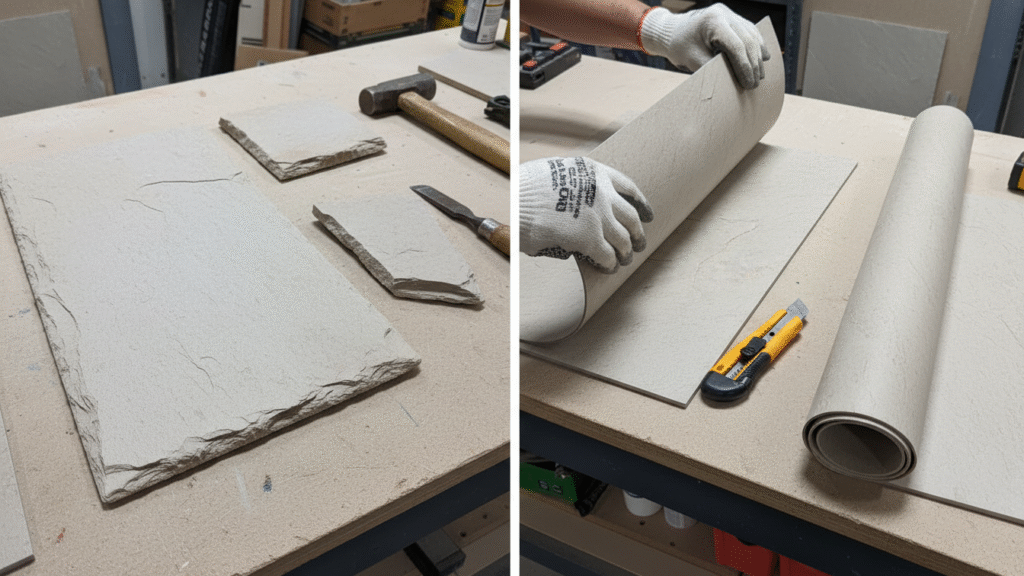
その他のラグジュアリーな表面材オプション:ストーンレジンとクォーツ
ストーンレジンとクォーツは、ラグジュアリーな外観と実用性を融合させた表面材です。ストーンレジンは多孔質ではなく、耐久性がありリサイクル可能ですが、一般的にはポルセリンよりも高価格帯となります。クォーツは滑らかでシミに強い仕上がりを実現し、最小限のメンテナンスで済むため、衛生性と均一性が最も重視されるホスピタリティや商業用バスルームに最適です。.
両素材とも現代的で精密なデザインに適していますが、大理石のような有機的な変化はありません。最終的な選択は意図にかかっています。表現豊かな自然な特徴を選ぶか、時間経過による sleek で一貫したパフォーマンスを選ぶかです。.
B2Bバイヤーとデザイナーのための主要考慮点
すべての素材選定は、エンドユーザーの期待とプロジェクト規模に合わせて行いましょう。本物らしさとオーダーメイドの細部が最優先される場合は大理石を、耐久性、迅速さ、均一性が価値を駆動する場合はポルセリンまたは工法材を選びます。ROIを明確にするために早期にメンテナンスと運用コストを評価し、耐水性と設置スキルの要件を満たしていることを確認してください。安定した調達と熟練した設置チームは、すべてのラグジュアリーバスルームプロジェクトにおいてスケジュール、予算、仕上げの品質を守ります。.
フレキシブルマーブルパネルとは?
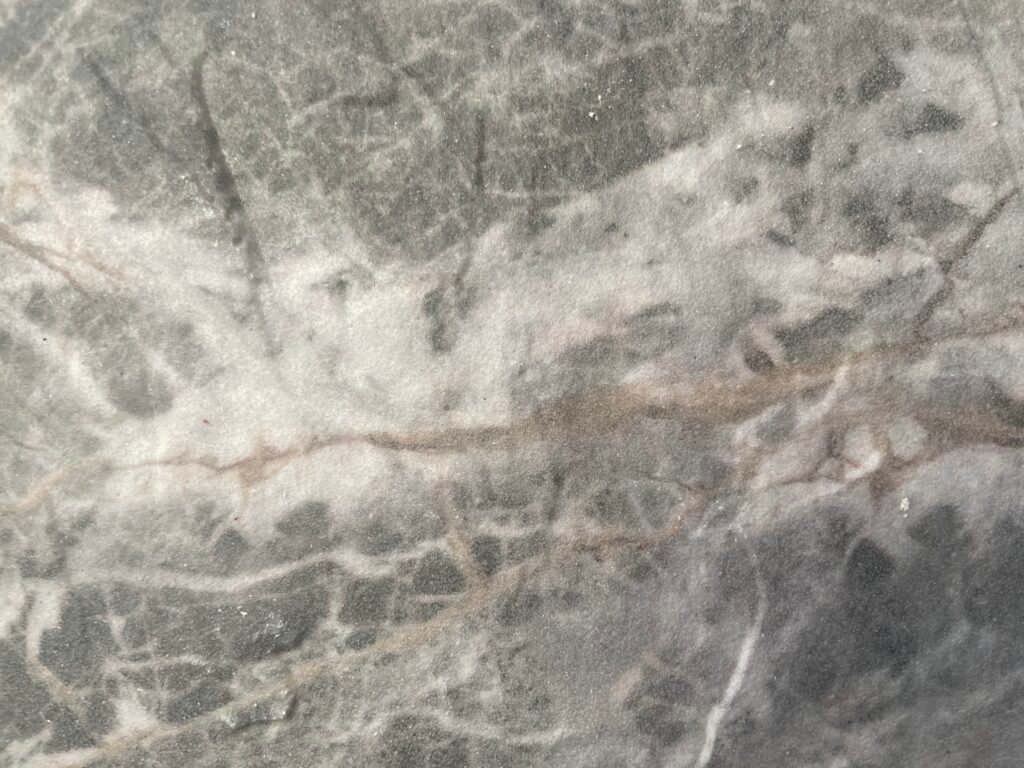
フレキシブルマーブルパネルは、当代のデザインにおける天然石材の適用方法を変革します。伝統的なスラブが抱える重量、脆さ、および高額な設置コストを排除しながらも、本物の大理石の表面美を維持します。.
調達マネージャー、ブランド創業者、デザイン契約者にとって、その構造と性能を理解することは、供給効率、設置速度、およびプロジェクトの多様性を評価する助けになります。.
柔軟な大理石パネルの組成とデザイン
各パネルは、実物の大理石の薄切りをベースに、通常厚さ1〜4mmの大理石層をガラス繊維、ポリマー樹脂、またはMDFラミネートの柔軟な基材に接着させたものです。この複合構造により、大理石本来の縞模様や質感を維持しつつ、総重量を1平方メートルあたり約3〜10kgに軽減しています。.
この構造はひび割れずにやや曲がるため、固形の石材では高コストで時間のかかる切断が必要な曲面や不規則な表面への正確な設置を可能にします。実際には、建築家にとっては大理石を柱、アーチ、家具に巻きつける自由さと、輸送費や人件費の予算管理を実現します。.
B2Bバイヤーとデザイナーへのメリット
軽量なプロファイルは輸送コストを削減し、現場での取り扱いを簡素化します。作業チームは重機なしで大判のパネルを移動・設置できるため、速度と安全性が向上します。柔軟性により輸送中の破損が減少し、オーダメイド注文での廃棄ロスも抑えられます。.
薄型でありながら耐久性は抜群です。大理石層は傷に強く、裏地が応力を均一に分散させます。パネルは–30°Cから+80°Cまで確実に機能し、標準的な商業用の防火安全基準を満たしているため、変形や色あせを起こすことなく、ファサード、浴室、ホテルの廊下などの内外装用途で使用できます。.
継ぎ目のない本物の石材仕上げは、スパ、小売環境、ホテルにプレミアムな美観をもたらします。メーカーは単位あたり原材料の使用量を減らすことができ、一体物のスラブと比較して石材の採掘とエネルギー消費を抑えます。グリーンビルディング目標を持つ指定者にとって、この効率性は持続可能性の信頼性を高めるものです。メンテナンスはシンプルで、標準的な清掃と軽い研磨で仕上がりを鮮やかに保ち、湿気抵抗性の裏地付きで適切にシールしていれば、光沢は長年にわたって持続します。.
バイヤーにとって、この本物らしさ、輸送コスト削減、そして長寿命のバランスは、柔軟な大理石パネルを伝統的な石材の高い価値替代品としています。.
大判プレキシガラスとは何か
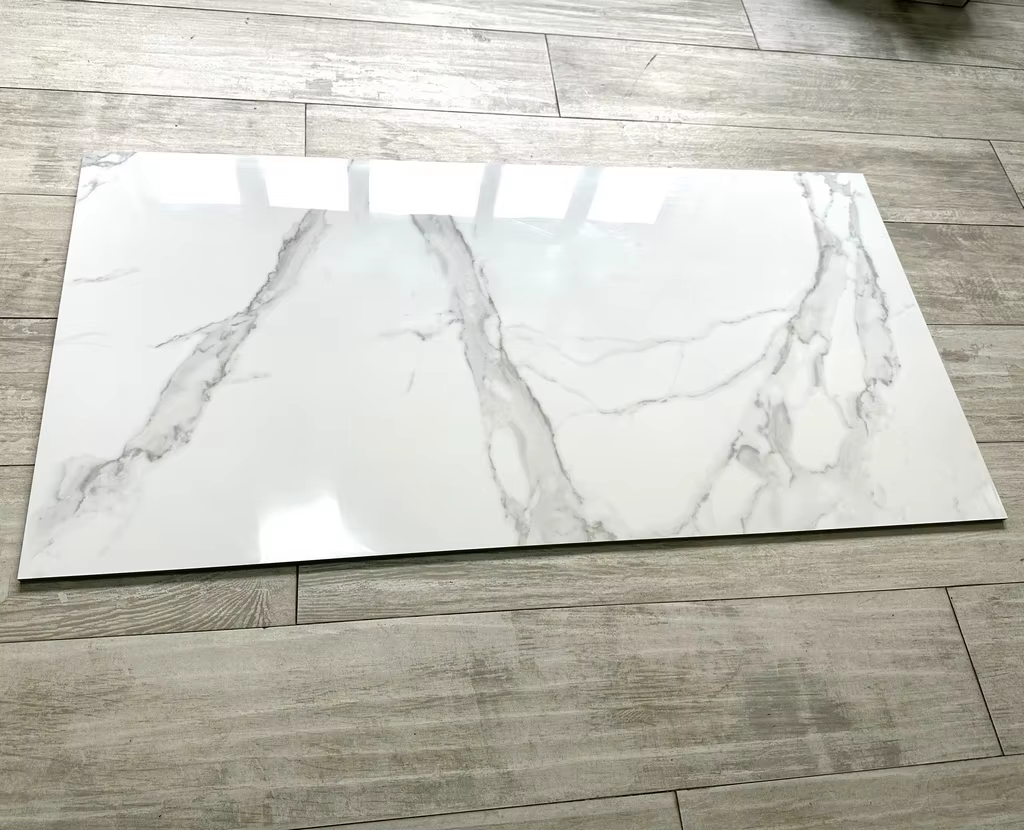
大判プレキシガラススラブは、高度なセラミック工学とデザイン 유연性を融合させ、自然石を再現しつつ重量、メンテナンス、コストを抑えたシームレスで耐久性のある壁仕上げを提供します。.
高級サーフェイスメaterialの調達を行うデベロッパーおよび卸売業者にとって、その構造とデジタル印刷プロセスを明確に理解することは、ハイエンドな施工における正確な選択と、スケーラブルな調達計画の策定に不可欠です。.
ラージフォーマットボーレンタイルの定義とサイズバリエーション
一般的に約3フィート×10フィート以上の寸法を持つラージフォーマットボーレンタイルは、バスルームの壁、シャワー室、キッチン backsplash に途切れることのない洗練された表面を提供します。広範なCoverageが目地のラインを最小限に抑え、連続した石の特徴に似た清潔感と高級感のある仕上がりを実現します。商業的な仕様策定者は、設置の迅速化と広い壁面全体での一貫したテクスチャーの確保のためにこれらを選択します。.
先進的な印刷技術と画像適用方法
高解像度のデジタル印刷により、ボーレンタイルは驚異的な鮮明さと深みを持って石や木材を再現することができます。メーカーは詳細な表面スキャンを取得し、セラミックインクジェットまたはレーザー技術を用いて適用し、焼成時にデザインをボーレン中に融合させます。その結果、制御された色の一致性と筋模様のはっきりした、UVに強く永久的な画像が得られます。.
ホスピタリティや小売環境のデザイナーは、ブランドアイデンティティとの整合性を取るためにカスタムプリントを依嘱することが多く、一方、調達チームはロット間での予測可能な色の一致と安定した供給の恩恵を受けます。.
耐久性と性能特性
高温で焼成されると、ボーレンの表面は非常に耐久性が高く、UV放射、湿気、 stains に耐えます。これは、湿度や洗浄剤にさらされるスパ、ホテル、およびその他の環境に理想的です。密度の高い構造はカビの発生を防ぎ、吸水を低減してメンテナンスコストを抑制します。人通りが多い場所や水気の多いエリアでは、タイルのサービスライフが延伸され、補修時間が短縮されるため、クイックトラックの改修スケジュールをサポートします。.
デザインの柔軟性と費用対効果の優位性
これらのタイルは、高価な石の外観を大幅なコスト削減で提供し、壁面と床全体で空間的な連続性を高めます。天然大理石よりも軽量で取り扱いは容易いため、物流の複雑さと設置の人手を削減します。予算に敏感なホスピタリティ施設や住宅建設においては、減少した目地ラインと均一な柄の配置によって、高い素材効率性を備えたモダンで統一感のある仕上がりを実現します。卸売業者や取引先購入者にとって、このインパクト、耐久性、費用対効果のバランスは、ラージフォーマットボーレンを収益性が高く堅調な製品ラインとしています。.
洗練されたインテリアのためのフレキシブルストーンヴェニア
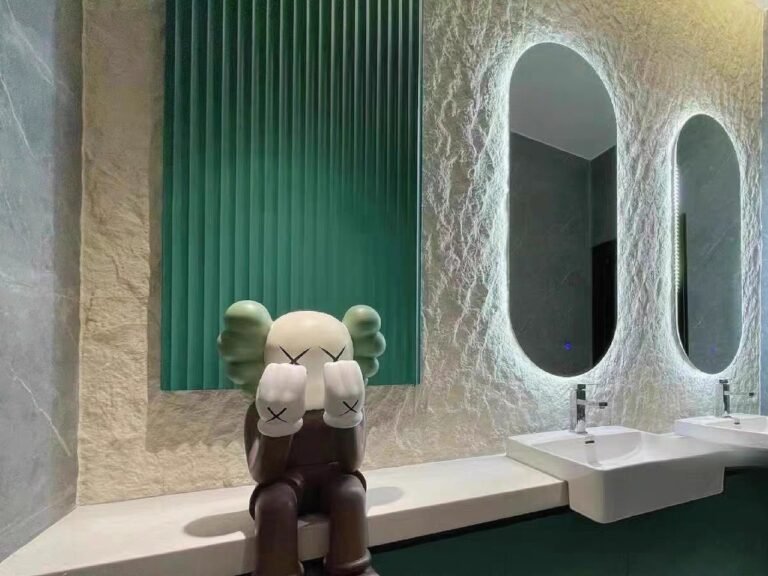
JMS Decorの軽量で環境に配慮したフレキシブルストーンパネルで、あなたの空間を格上げしましょう。完全なカスタマイズが可能で取り付けも容易なこれらの耐久性の高いヴェニアは、商業施設でも住宅プロジェクトでもラグジュアリーさと多機能性を提供します。.
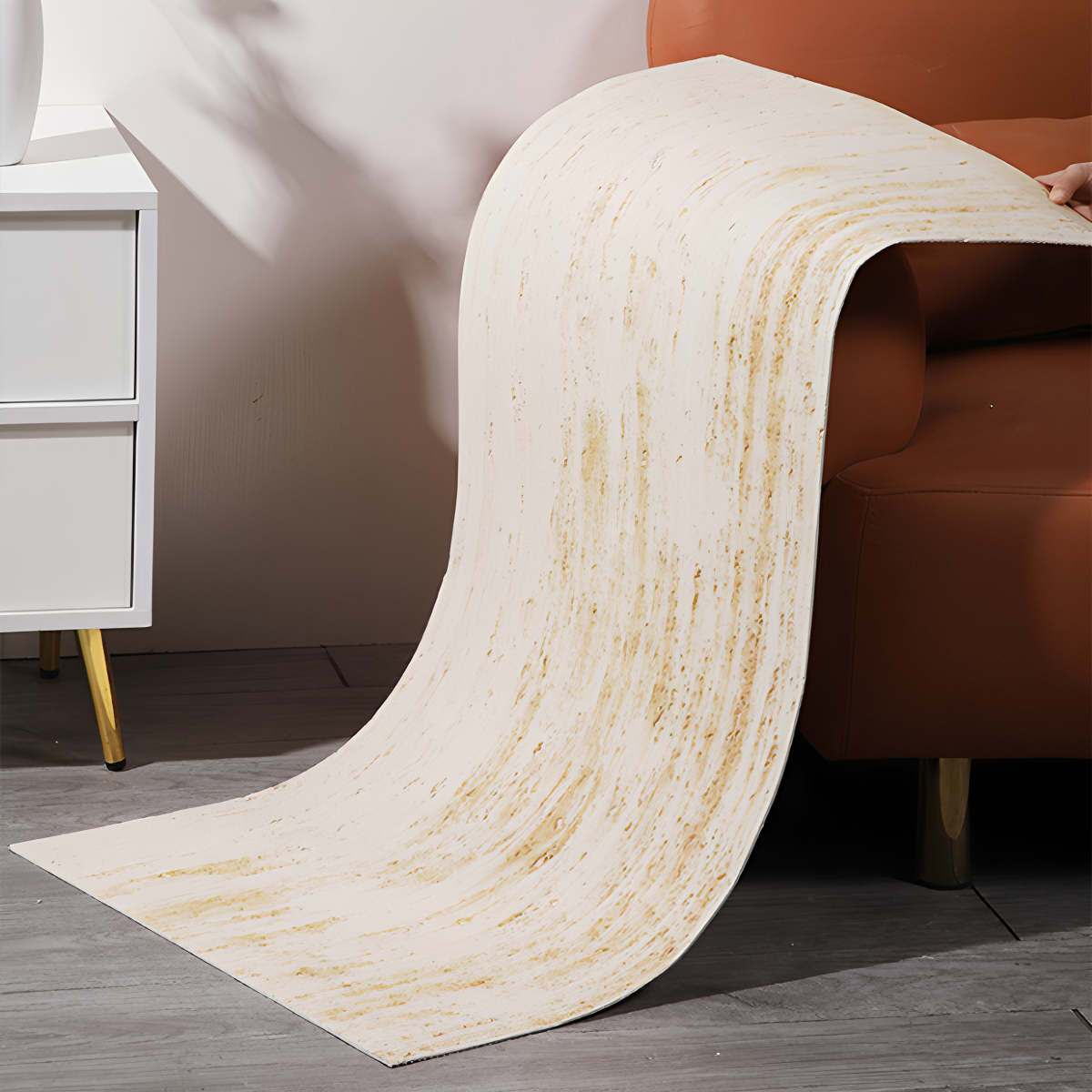
「触感テスト」:天然大理石がなぜ異なる触感を持つのか
プロフェッショナルがフレキシブル大理石、ポセレン slab、天然大理石を比較する際、最も確かな証拠は触覚から得られることが多いです。天然大理石は、温度、質感、重量を通じて真実味を伝え、クライアントがプレミアムバスルームにおける投資価値をどのように認識するかに影響を与えます。これらの触覚特性を理解することで、バイヤーやデザイナーはラグジュアリーとパフォーマンスに関する議論において素材選定を正当化しやすくなります。.
熱的感覚:天然大理石のクールタッチ
天然大理石はすぐに手の熱量を奪い取ります。その高い熱伝導性が石を通して暖かさを逃し、クライアントが無意識に Authenticity(本物らしさ)と関連付ける涼しく有機的な感覚を残します。ポセレンや複合 slab などのエンジニアメイド材料は外見が似ていても、接触後は静的で人工的な感触になります。ラグジュアリーバスルームデザインでは、この微妙な熱的反応が本物の石の特性と模造品を見分ける重要なポイントとなることがよくあります。.
表面質感と密度の違い
莫大な自然圧力の下で形成されるため、大理石は高密度の構造を持ち、押すとわずかな柔らかさを感じさせます——これはポセレンの硬い表面にはない魅力的な触感です。一貫性も別の指標です:大理石の縞模様が slab の全体を通して続き、カットやポリッシュ後も自然な変化を保ちます。ポセレンは印刷レイヤーに依存しているため、視覚的なパターンがあっても質感が一様になります。シームレスでありながら独自の仕上げを目指すデザイナーにとって、この違いが真の深みと表面だけのごまかしを区別するものです。.
ラグジュアリーを感じる重量感と触覚的知覚
The heft of real marble conveys inherent value. When installers or buyers handle a panel, its substantial weight reinforces natural origin and durability—two attributes that support premium pricing and long-term confidence. Porcelain slabs are lighter and easier to manage but lack marble’s sense of solidity. Flexible stone panels, like genuine veneers from suppliers such as JMS Decor, balance authenticity with practicality by pairing real stone surfaces to lightweight backing. The result delivers authentic touch and warmth with efficient installation—an ideal solution for large-scale luxury bathroom projects.
Authenticity Showdown: Natural Veining vs. a Repeating Print
For architects, contractors, and procurement teams weighing flexible marble against porcelain slabs, authenticity extends beyond surface design. Veining influences client perception, brand identity, and supply complexity. The table below compares the key visual, sourcing, and performance factors that drive informed material selection between natural and printed finishes.
| 評価基準 | Key Considerations for B2B Buyers |
|---|---|
| Uniqueness of Pattern and Visual Depth | Flexible marble panels feature one-of-a-kind geological veining that produces a deep, natural aesthetic valued in prestige projects. Porcelain slabs emulate this look through digital printing, but repeating patterns limit depth over large surfaces. For specifications prioritizing organic variation, flexible marble achieves a more authentic effect; for projects emphasizing consistency and scalability, porcelain remains the operationally efficient option. |
| Color Variation and Seam Concealment | Natural veining creates subtle color shifts that help disguise seams and support seamless visual flow—an advantage in luxury interiors. Printed porcelain ensures tight color accuracy but offers limited variation, so installers must plan layouts to minimize joint visibility. While porcelain simplifies color control at scale, execution demands precision seam alignment to maintain aesthetic continuity. |
| B2B Sourcing and Project Implications | Each flexible marble sheet requires individual selection to preserve visual harmony, increasing procurement time and coordination for volume projects. Porcelain offers uniform appearance and dependable supply, reducing lead-time risk and easing logistics. Flexible marble attracts brands seeking exclusivity and visual storytelling; porcelain meets the operational needs of developers focused on consistency and cost control. |
| Cost and Performance Trade-offs | Natural-vein flexible marble commands higher costs due to limited quarry yield and precision finishing. Porcelain generally delivers lower cost per square meter and superior resistance to stains and impact, optimizing it for high-traffic or value-driven applications. Buyers balancing prestige with performance efficiency will likely find porcelain the more practical choice for large-scale installations. |
| Choosing Between Authenticity and Consistency | Flexible marble’s authenticity complements bespoke and hospitality projects seeking tactile realism and individuality. Porcelain’s controlled production supports residential and commercial developments requiring repeatable finishes. Final selection should align with client priorities: choose marble for experiential exclusivity and porcelain for predictable performance and cost efficiency. |
| Comparison Summary | Natural marble offers unmatched depth and visual uniqueness but requires careful sourcing and higher investment. Repeating print porcelain guarantees consistency, streamlined supply, and durability with moderate aesthetic compromise. Both materials serve distinct priorities—authenticity for statement designs and consistency for scalable builds. |
Installation Comparison: Challenges of Each System
Flexible marble panels and porcelain slabs each present unique installation challenges that directly influence schedules, budgets, and long-term durability. The table below outlines these issues from a contractor’s perspective, with recommendations project managers should integrate during planning and execution.
| System | Key Installation Challenges and Considerations |
|---|---|
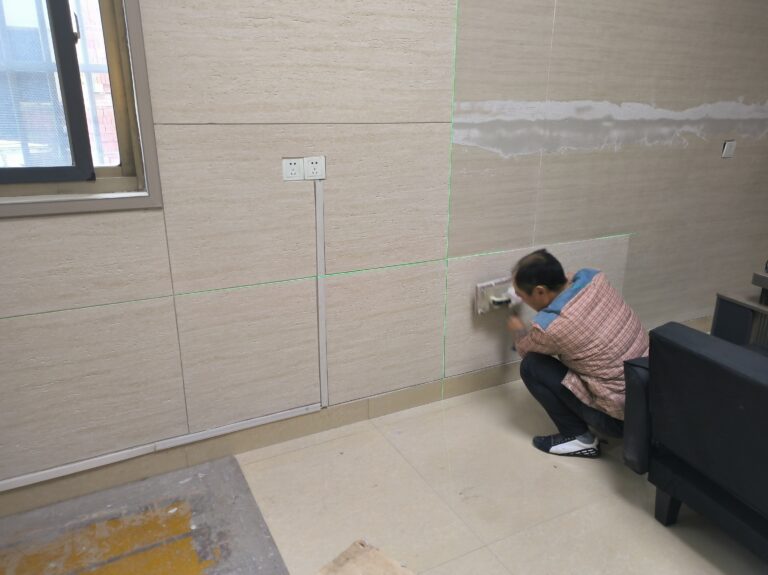
| Installation Challenges of Flexible Marble Panels | Flexible marble panels demand a perfectly clean, flat substrate—any surface imperfection will telegraph through and distort the finish. Their pliable composition requires specialized adhesives to ensure consistent contact and avoid trapped air. Handling large panels, particularly on vertical or curved surfaces, can cause misalignment, making bracing and coordinated teamwork essential. Installers need custom tools for clean cuts and accurate shaping, and wet zones require dedicated waterproofing. Because experienced labor remains limited in many regions, contractors should schedule training or work with certified crews to prevent costly rework. |
| Installation Challenges of Porcelain Slabs | Porcelain slabs are large-format materials that rely on precise substrate preparation. Their thin yet heavy profile (typically 6–12 mm) increases the risk of cracking during lifting or cutting. Maintaining a flatness tolerance of 1/8 inch per 10 feet is critical to achieve seamless joints. Cutting requires professional-grade wet saws with continuous rim blades, and customization options are limited. Multiple installers and lifting frames are usually needed for handling. Improper fabrication may cause fractures, while the dense surface can require underfloor heating in residential projects located in colder climates. |
| Common Solutions and Best Practices | Both systems perform best over a perfectly level, reinforced substrate. Use only manufacturer-approved adhesive systems to maintain bond integrity and prevent delamination. Engaging installation teams experienced with each material significantly lowers site risk. Careful layout planning and precision cutting reduce waste and simplify logistics. Apply waterproof membranes in wet areas, particularly for flexible marble. For porcelain, proper spacers and edge restraints prevent chipping and misalignment. Pre-installation training and adherence to handling protocols protect project budgets by minimizing damage and installation errors. |
Cost Analysis: Which Luxury Option Provides More Value?
Luxury projects require materials that justify their premium price through design performance, lifecycle efficiency, and secure supply. Recognizing how flexible marble and porcelain slabs differ in total cost of ownership enables procurement teams to allocate budgets strategically across high-end bathrooms and shower environments.
Material and Installation Costs
Flexible marble slabs range from $5 to $60 per square foot, with rare or customized selections costing more. Porcelain slabs typically range from $3 to $10 per square foot, delivering a comparable aesthetic at a lower price point. Labor amplifies the gap: marble’s weight and fragility demand expert installers, while porcelain’s lighter profile accelerates wall mounting and reduces handling risk. On large B2B builds, these distinctions directly shape total installed cost and scheduling.
Long-Term Maintenance and Lifecycle Expenses
Marble carries ongoing care costs—regular sealing, periodic polishing, and protection from harsh cleaners. In commercial or hospitality settings, these maintenance cycles create downtime and recurring expenditure. Porcelain eliminates most of this overhead: it resists staining and water absorption, needs no sealing, and rarely requires repair. Over years of operation, porcelain maintains a predictable cost curve that supports stable budgeting and lean facilities management.
Assessing Value: Balancing Prestige, Durability, and Cost
Marble remains unmatched for visual depth and prestige, making it ideal for statement zones where aesthetic impact outweighs maintenance concerns. Its fragility and higher lifecycle costs, however, favor selective use on vertical or low-traffic areas. Porcelain replicates marble’s depth through advanced printing, delivering similar visual richness at a fraction of the cost with greater resilience. In continuous shower surrounds or spa-style bathrooms, porcelain delivers consistency, faster upkeep, and enduring luxury without margin pressure.
Sourcing and Supply Chain Considerations
Flexible marble often originates from limited quarries, creating long lead times and supply variability. Its weight adds logistical cost and demands robust packaging. Porcelain, supported by extensive European and Asian production, offers stable availability and lighter shipping requirements, enabling quicker delivery across multiple projects. For procurement teams managing fixed timelines, choosing porcelain reduces supply risk and supports smoother execution with stronger ROI over the project lifecycle.
Durability and Maintenance: Pros and Cons of Each Surface
For designers and project managers handling residential or commercial installations, the decision between flexible marble and porcelain slabs often depends on long-term performance. Durability and maintenance influence ownership costs, installation timelines, and overall client satisfaction. Understanding how each surface performs under actual conditions enables smarter material selection and more predictable project outcomes.
Durability Comparison Between Porcelain Slabs and Flexible Marble
Porcelain slabs rate around 7–8 on the Mohs scale, offering strong resistance to scratches, impacts, and abrasion. Daily use or cleaning contact rarely leaves a mark, an advantage in high-traffic or hospitality bathrooms. Their dense, non-porous composition blocks moisture and chemicals, supporting consistent performance in showers, spas, and other humid conditions.
Flexible marble, by contrast, rates 3–4 on the Mohs scale. While it highlights the beauty of natural stone, its softer, porous structure requires careful handling and prompt sealing to prevent stains or discoloration. In design-led environments where aesthetic impact outweighs heavy usage, this compromise can still be worthwhile.
Maintenance Requirements and Costs
Porcelain slabs demand minimal upkeep. Routine cleaning with mild detergent and water keeps them in top condition, eliminating the need for sealing. This ease of maintenance lowers operational costs and reduces staff time, a key benefit for facilities managing multiple spaces.
Flexible marble needs more structured care. Regular resealing and pH-neutral cleaning prevent etching and fading but require scheduling and skilled labor, increasing total maintenance costs. For large commercial projects, the cumulative difference in upkeep can significantly affect long-term budgets.
Installation Considerations Influencing Durability and Maintenance
Large-format porcelain slabs minimize seams and deliver a continuous, refined surface. Their lighter weight simplifies handling, reducing breakage during installation and helping contractors maintain timelines. Consistent dimensions also streamline setup and limit error-related rework. Flexible marble panels, however, are heavier and size-limited by quarrying methods. They require precise positioning and professional installation to avoid misalignment or chipping, elevating both time and labor investment.
Summary: Balancing Aesthetics with Durability and Maintenance Needs
Porcelain slabs provide proven durability, low maintenance, and long-term cost stability, making them a reliable choice for expansive bathrooms or commercial interiors prioritizing efficiency. Flexible marble offers authentic stone character and luxury appeal but demands ongoing care and higher upkeep costs. For procurement managers and design teams, aligning visual goals with maintenance realities ensures balanced decisions that protect aesthetic intent and operational performance over time.
Which Panel is Right for Your High-End Shower?
Selecting between flexible marble and porcelain slab panels directly affects performance, maintenance, and visual impact in a premium shower environment. Decision-makers should evaluate how each material manages wear, installation complexity, and lifecycle value. The comparison below distills the key criteria that drive specification choices for high-end projects.
Durability and Resistance
Porcelain slabs deliver superior surface strength—typically 7 to 8 on the Mohs scale—resisting scratches, chips, and abrasion in wet settings. Their non-porous structure prevents water or soap penetration, preserving appearance even under heavy use. Flexible marble, rating around 3 to 4, is more susceptible to wear from cleaning tools and mineral buildup. Because marble absorbs moisture, it demands regular sealing and ongoing care to prevent discoloration or deterioration. Contractors must plan maintenance schedules and client communication to protect surface quality long term.
Installation and Project Efficiency
Large-format porcelain slabs—often up to 1600x3200mm—minimize grout joints and create a seamless visual effect. Their consistent sizing and thin profile enable faster alignment and installation, cutting labor hours in both boutique and large-scale projects. The lighter weight also reduces load on substructures. Marble panels, limited by quarry dimensions, require more seams and precision fitting, increasing handling demands. These factors extend installation time and costs, affecting delivery schedules and profit margins on volume-driven developments.
Design and Aesthetic Considerations
Advancements in porcelain printing and texturing replicate marble’s depth and veining with remarkable accuracy. Designers gain control over tone consistency and pattern selection, achieving a luxurious finish that endures heavy use with minimal upkeep. Authentic marble, by contrast, offers natural exclusivity—no two slabs are alike. Its individuality appeals to clients seeking signature design statements, though it suits best in private or feature spaces where maintenance can be closely managed.
Cost and Long-Term Value
Porcelain slabs generally yield lower total installed costs due to faster installation and minimal maintenance. Their durability and waterproof surface extend service life, improving returns for commercial and hospitality investors focused on lifecycle performance. Natural marble requires higher upfront spend on materials and craftsmanship, along with annual sealing. Over time, these add-ons reduce cost efficiency, making porcelain more viable for projects where predictable scheduling and scalability matter.
FAQs: Flexible Marble vs. Porcelain Slabs
These responses address the key questions most procurement teams, designers, and contractors raise when evaluating flexible marble panels versus porcelain slabs for bathroom and shower applications. Each answer reflects direct project experience with both materials across global B2B implementations.
Which material delivers the most authentic marble look and feel?
Flexible marble panels are made from genuine stone veneers bonded to a lightweight backing, preserving the natural veining and texture. The result is a warm, tactile surface that mirrors real marble. Porcelain slabs replicate the visuals through digital printing but often feel cooler and denser due to their ceramic core. For projects seeking authentic stone aesthetics with simplified handling, flexible marble typically provides the closest match to natural marble.
Which is more resistant to scratches and stains?
Porcelain slabs offer exceptional durability thanks to high-temperature firing that creates a dense, non-porous surface resistant to water, stains, and scratches, making them ideal for high-traffic and wet environments. Flexible marble, as natural stone, requires sealing to achieve similar resistance, yet with advanced nano sealants and a consistent maintenance plan, its performance remains reliable for years. Regular resealing and gentle cleaning minimize the maintenance difference while retaining authentic stone appeal.
How do installation cost and complexity compare?
Flexible marble panels are lighter and adaptable to curved or uneven walls. They can be cut on-site with common tools, reducing labor and minimizing waste. Porcelain slabs, being heavier and rigid, require precision cutting, specialized equipment, and larger crews. When projects demand rapid turnaround or customized layouts, flexible marble typically reduces installation hours and mitigates logistics challenges.
Is there a notable material price difference?
Flexible marble usually costs less than full-thickness marble slabs but delivers a comparable premium finish. Pricing often aligns with mid- to high-tier porcelain slabs depending on color and surface treatment. Porcelain costs fluctuate more based on brand and printing quality. Once labor and customization are considered, flexible marble frequently offers stronger value through faster handling and simpler installation.
Which material supports higher long-term value?
Flexible marble appeals to clients who prioritize natural materials and unique variation, enhancing spaces designed for luxury aesthetics. Porcelain provides predictable long-term performance with its low-maintenance durability, fitting projects that emphasize practicality. The best resale value comes from specifying the material that aligns with the property’s design intent and quality expectations rather than focusing on a single category advantage.
Final Thoughts on Choosing the Right Surface
Flexible marble panels and porcelain slabs both enhance premium bathroom design yet serve different project priorities. Flexible marble delivers genuine veining, warmth, and tactile depth that manufactured surfaces can’t truly replicate. Porcelain slabs trade that natural character for consistency, high durability, and minimal upkeep—ideal for multi‑unit or commercial developments where timing, uniformity, and lifecycle cost drive decisions.
For statement walls or spa‑level suites, flexible marble creates tangible luxury with lighter handling and responsible sourcing advantages. For scalable, deadline‑driven builds, porcelain stays the reliable choice. The most effective strategies often pair them—using flexible marble for hero features and porcelain for high‑traffic zones—to balance authenticity, longevity, and value across the entire space.