 تخطي إلى المحتوى
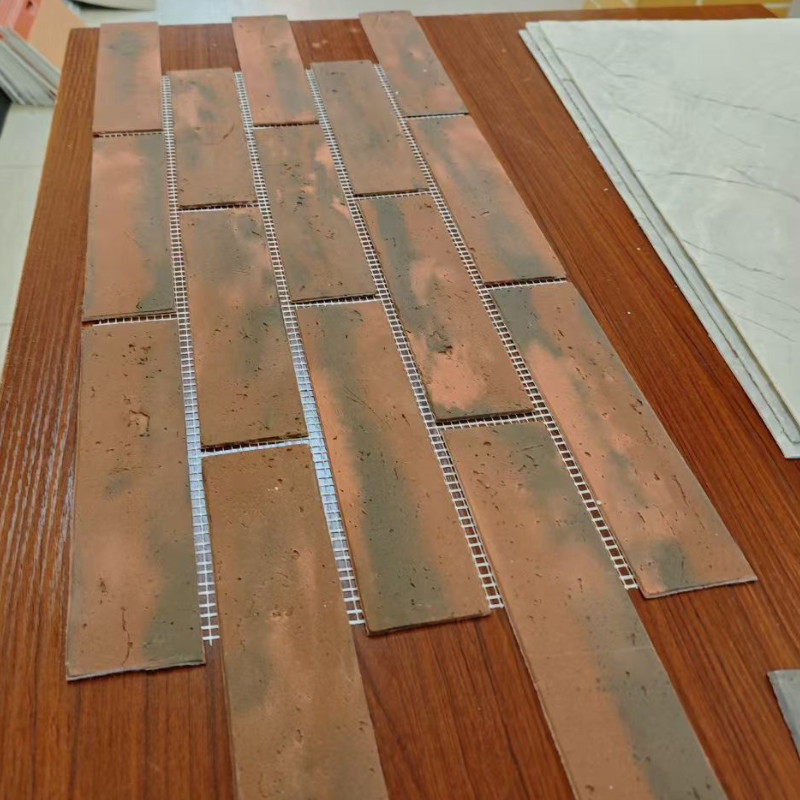
Old, rigid brick walls often restrict renovation creativity and pose costly structural challenges. Imagine transforming these same walls with crisp, modern designs that retain rustic charm while moving with your building’s needs. This balance between tradition and innovation is precisely what flexible brick technology delivers.
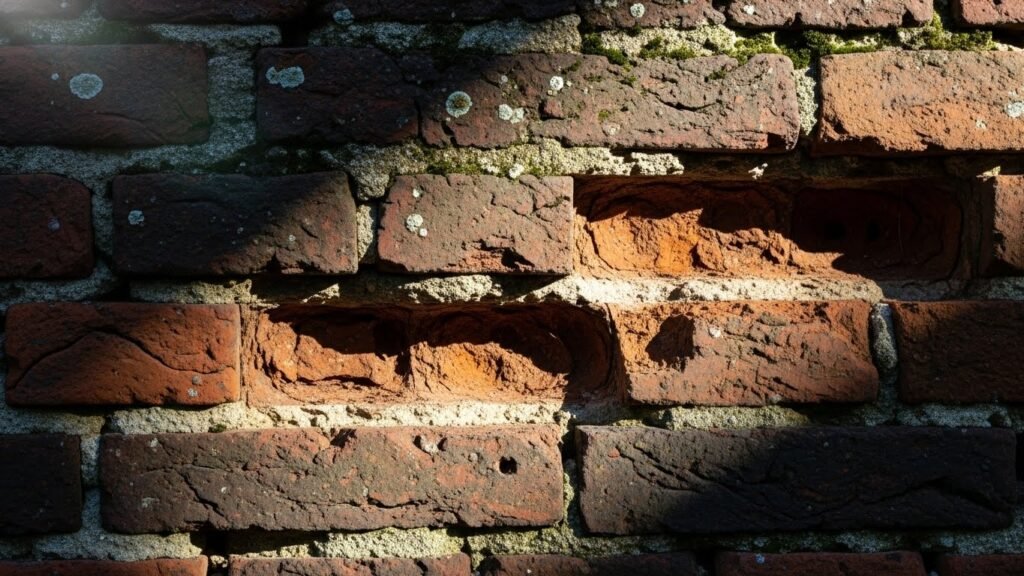
Flexible brick blends timeless aesthetics with evolving design needs, enabling walls that flex with building movements and remodeling demands. From warehouse loft conversions to historic facelifts, this material supports dynamic change while preserving architectural character. Its modular approach revolutionizes how we approach brick renovations.
This article highlights 6 striking before-and-after renovation projects using flexible brick, revealing how this material transforms spaces by merging beauty, durability, and adaptability.
What Matters Most About Flexible Brick Renovations
- Flexible brick systems uniquely combine traditional brick aesthetics with modern adaptability for renovations and new builds.
- Using modular panels and flexible anchoring simplifies installation and future remodeling, offering a practical choice for contractors and homeowners alike.
What Makes Flexible Brick Different from Traditional Brick
Flexible brick distinguishes itself from traditional brickwork through innovative material composition and construction methods that prioritize adaptability and ease of use. Unlike rigid clay bricks or brick slips that require extensive mortar and precise alignment, flexible brick systems utilize modular panels made from thin, lightweight veneers mounted on flexible backing materials.
This design allows the veneer to bend or curve around surfaces, accommodating irregular or complex shapes that traditional bricks cannot easily cover.
These systems integrate slip joints and flexible anchoring techniques that absorb structural movement or seismic activity, crucial for modern renovations where buildings may shift or settle over time. This flexibility reduces cracking and wear, preserving the authentic brick appearance without compromising the integrity of the wall.
Furthermore, the ease of installation — often over existing surfaces like drywall or tiles — significantly reduces labor time and disruption, making flexible bricks an ideal solution for updating interiors or facades while retaining the timeless aesthetic of traditional brickwork.
Key Features of Flexible Brick Systems
Flexible brick systems utilize modular brick panels composed of thin, lightweight brick veneer sheets affixed to a flexible backing. This innovative brick veneer technology allows installers to cover walls quickly and with fewer seams compared to traditional individual bricks or brick slips. Integral to the system are slip joints and flexible anchoring mechanisms that accommodate natural building movement and seismic activity, preventing cracks and structural stress that often plague conventional brickwork in aging or dynamic environments.
One notable case study involved a mid-century residential renovation where the construction team transitioned from traditional brick slips to flexible brick panels. This switch dramatically improved workflow efficiency by reducing installation time by nearly 40%, as panels were easier to handle and required less surface preparation. The lightweight nature of flexible brick veneers also eliminated the need for additional structural reinforcement, significantly lowering labor and material costs while maintaining the authentic look and durability of real brick. For these reasons, builders often cite flexible brick veneer technology as a game-changing advancement in modern renovations.

6 Before-and-After Projects Showcasing Flexible Brick in Action
Flexible brick’s transformative power becomes vividly clear across six renovation scenarios. Adaptive reuse projects like warehouse loft conversions preserve rugged industrial facades while enabling lightweight interior walls that reconfigure spaces without structural burden. Historic restorations maintain authentic exteriors while accommodating modern insulation and seismic requirements, balancing preservation with innovation.
New residential construction leverages flexible cladding for future-proof walls, incorporating slip joints that enable easy remodeling as needs evolve. Interior kitchen remodels gain warmth through quick-to-install veneers over drywall, cutting renovation time without compromising style. Commercial upgrades retain brand identity by preserving original brick character while resisting vibration and movement in high-traffic areas. Accent walls create striking focal points with minimal disruption, demonstrating the material’s exceptional versatility across varied renovation contexts.
1. Warehouse Loft Conversion Preserving Brick Facade
One of the standout benefits of flexible brick in warehouse loft conversions is the ability to preserve the original industrial brick facade while upgrading the interior for contemporary living. Flexible brick veneers replicate the rugged texture and authentic appearance of traditional brick but are significantly lighter and easier to install, which allowed the renovation team to maintain the exterior’s historic charm without adding structural strain. This preservation approach respects the building’s heritage and aesthetic, contributing to its unique character in an urban environment.
Inside, flexible brick panels were used to reconfigure and accentuate interior walls, creating a modern loft ambience that harmonizes rustic industrial elements with sleek design. The lightweight nature of flexible brick enabled quick installation over existing drywall, speeding up the renovation and minimizing disruption. This dual approach—retaining the cherished brick exterior while enabling creative freedom inside—showcases how flexible brick veneers deliver both facade preservation and enhanced interior design versatility, essential for successful industrial brick facade preservation projects.
2. Historic Building Restoration with Modern Systems
Historic building restoration projects often face the challenge of preserving the authentic exterior brickwork while integrating modern upgrades to internal systems and insulation. Flexible brick veneer technology plays a crucial role by maintaining the traditional brick facade’s appearance, ensuring that the visual integrity and historic charm remain intact throughout the renovation. Behind this preserved exterior, updated insulation and modern mechanical systems can be discreetly installed, enhancing the building’s energy efficiency and functionality without compromising its heritage look.
Additionally, the flexible panels used in these restorations are engineered to accommodate structural shifts that are common in older buildings. Their ability to flex and move with subtle building movements minimizes the risk of cracking and damage, thereby extending the lifespan of both the brickwork and the renovation efforts. This adaptability makes flexible brick veneers an ideal solution in historic brick restoration projects, offering a balanced approach to preserving architectural authenticity while meeting contemporary building standards and occupant needs.
3. New Residential Construction with Future-Ready Brick Cladding
Flexible brick cladding is an ideal choice for new residential construction projects seeking long-term adaptability. Thanks to its modular panel design and integrated slip joints, this cladding system allows homeowners and builders to easily modify or expand wall surfaces in the future without compromising the initial installation. This future-ready approach supports changes such as adding windows, doors, or insulation upgrades while maintaining a seamless brick appearance.
Beyond aesthetic appeal, flexible brick cladding delivers remarkable structural integrity by accommodating building movement and thermal expansion. Its lightweight yet durable materials reduce stress on supporting frameworks, effectively blending design flexibility with lasting stability. Incorporating flexible brick cladding in new builds empowers architects and contractors to deliver beautiful, resilient homes that adapt gracefully to evolving needs.
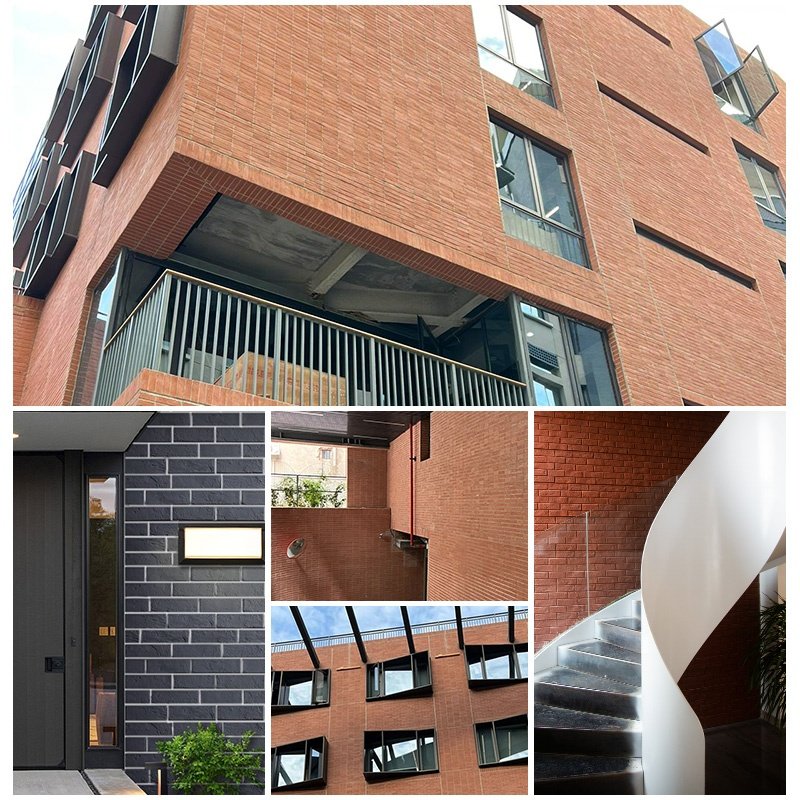
4. Rustic Kitchen Remodel with Lightweight Brick Veneer Walls
Flexible brick veneer was installed directly over existing drywall to infuse the kitchen with a warm, rustic charm reminiscent of traditional brickwork without the bulk and structural demands of full brick walls. This approach allowed for a dramatic aesthetic upgrade while avoiding costly demolition or reinforcement, making it an ideal solution for kitchen remodels where preserving space and minimizing disruption are priorities.
Thanks to the lightweight nature of flexible brick panels, the installation process was significantly faster than conventional masonry work, reducing renovation time and labor costs. Homeowners enjoyed the visual appeal of authentic brick textures and tones, achieved through carefully designed veneer finishes, while benefiting from a streamlined remodel that maintained the kitchen’s functionality throughout the process. For more innovative kitchen wall solutions, consider exploring lightweight brick veneer for interiors as a practical and stylish option.
5. Commercial Space Upgrade Retaining Brick Character
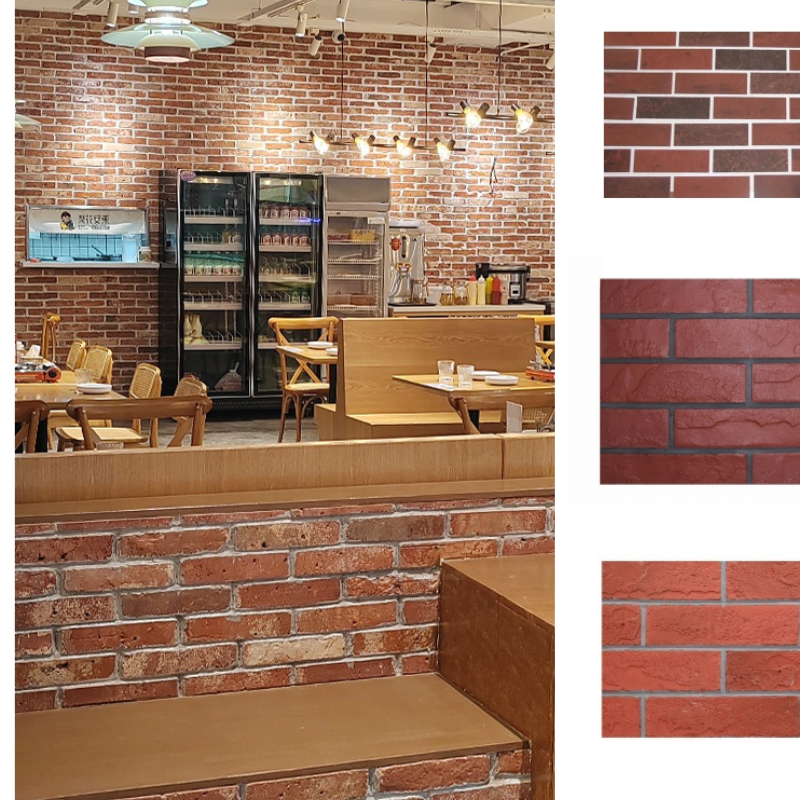
Upgrading commercial spaces often demands a balance between preserving unique architectural elements and meeting modern functional requirements. Flexible brick veneer played a crucial role in this project by allowing the original brick character to remain visually intact while supporting necessary upgrades such as improved insulation and updated utilities. This approach ensured that the space maintained its authentic industrial charm, which is vital for brand identity and customer experience, without compromising on contemporary performance standards.
Additionally, the incorporation of slip joints within the flexible brick system effectively absorbed vibrations caused by increased foot traffic typical in commercial environments. This adaptability minimized potential cracking and wear, extending the lifespan of the brick veneer and reducing maintenance needs. The result is a resilient wall system that provides both aesthetic continuity and practical flexibility, making it an excellent solution for commercial wall renovation projects seeking to harmonize tradition with modern usage.
6. Flexible Brick Accent Wall Transforming Living Space
Installing a flexible brick veneer as an accent wall offers an easy yet impactful way to elevate any living space. This lightweight, easy-to-handle material can be applied quickly, creating a stunning focal point that transforms the room’s character without extensive renovation work or disruption. The flexible veneer’s ability to conform to surfaces ensures a smooth, seamless finish that highlights both modern design and classic brick texture.
The before-and-after effect is often striking, with the brick accent wall instantly adding warmth, depth, and a tactile element that enriches the overall ambiance. This approach allows homeowners and designers to achieve the beauty of traditional brickwork alongside contemporary versatility, enhancing visual interest and inviting cozy, natural aesthetics into the space. For those exploring brick accent wall ideas, flexible brick veneers deliver both style and practical ease, making them a preferred choice for impactful living room transformations.
Installation Considerations and Tips for Flexible Brick Renovations
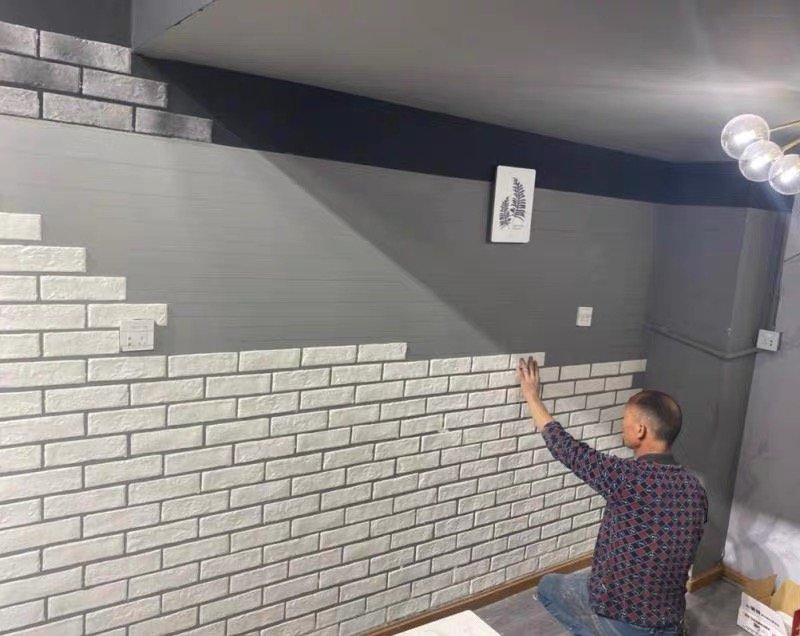
Installing flexible brick veneer systems offers a streamlined alternative to traditional brick applications, primarily due to their modular design and lightweight composition. This means renovation projects can proceed more quickly—often cutting labor time significantly as installers mount large pre-assembled panels rather than individual bricks. The ability to apply flexible brick directly over existing surfaces like drywall or old tiles eliminates demolition and extensive surface prep, further expediting the process while reducing costs dramatically.
Creating an authentic brick appearance involves careful attention to mortar line details and texture replication. Specialized fillers and finishing techniques mimic the natural depth and irregularity of real mortar joints, ensuring a convincing visual effect. Despite their lightweight nature, flexible bricks maintain a realistic tactile feel thanks to textured surfaces designed to replicate the look and touch of traditional brick. This combination of installation efficiency and high-fidelity aesthetics makes flexible brick exceptionally practical for modern renovations where both speed and authenticity matter.
How Installation Differs from Traditional Brick Slips
Installing flexible brick systems is significantly faster and more efficient compared to traditional brick slips, largely due to their modular panels and pre-assembled veneer sheets. These ready-to-install panels streamline the workflow by covering larger surface areas at once, reducing the tedious process of individually placing each brick slip. This innovation not only saves time but also minimizes labor costs, making it an attractive option for renovation projects with tight deadlines.
Another major advantage is installing flexible brick directly over existing surfaces like old tiles or drywall without demolition or extensive preparation. This reduces mess and disruption, accelerating project timelines. The lightweight nature of flexible brick veneers imposes less stress on underlying structures, often eliminating additional reinforcement and preserving building integrity during renovations—a crucial benefit for both new construction and remodeling projects.
Achieving Authentic Brick Appearance
Creating realistic mortar lines is essential to the visual credibility of flexible brick veneer installations. This is typically achieved through specialized filler materials and joint finishing techniques that carefully mimic the texture, color variation, and slight imperfections of real mortar. Skilled artisans apply these materials between modular panels, ensuring that mortar lines appear continuous and natural, despite the veneer’s segmented structure. These authentic mortar techniques enable a seamless transition from panel to panel, preserving the timeless charm of classic brickwork.
In addition to joint treatments, the selection of materials and surface finishes plays a critical role in replicating the tactile quality and visual depth of genuine brick. Flexible brick panels incorporate high-fidelity textures that emulate the porous, rough surfaces of traditional clay bricks, enhanced by earth-toned pigments and weathered finishes. This combination maintains both the aesthetic integrity and durability of the facade, with finishes specially formulated to resist fading, dirt build-up, and wear, ensuring that flexible brick walls retain their lifelike appearance over time while withstanding everyday environmental stresses.
Cost Aspects and Value Considerations
The typical cost range for a full flexible brick wall renovation generally falls below that of traditional brickwork due to several factors. Flexible brick panels require less labor-intensive installation, shorter project timelines, and reduced need for heavy structural reinforcement, all contributing to cost efficiency without sacrificing aesthetic quality. Additionally, the lightweight nature of flexible bricks minimizes shipping and handling expenses, further optimizing the overall budget for both contractors and homeowners.
Long-term savings become apparent over the lifespan of the installation, as flexible brick veneer systems produce less material waste during construction and allow for easier repairs or remodeling without complete removal. The added value is significant as these systems offer adaptability for future modifications, reducing the need for costly demolition or rebuilds. Their durable yet flexible composition also lowers maintenance costs, making flexible brick renovations a smart investment that balances initial affordability with lasting functional and aesthetic benefits.
Maintenance and Longevity of Flexible Brick Walls
Flexible brick walls offer impressive durability by incorporating slip joints and flexible anchoring systems that absorb structural shifts and prevent cracking commonly seen in traditional brickwork. This resilience makes them particularly well-suited for buildings in seismic zones or areas experiencing frequent movement, ensuring that the wall’s appearance and integrity remain intact over time. Additionally, the materials used in flexible brick veneers are engineered to perform well under varied climate conditions, resisting moisture and temperature fluctuations that could otherwise degrade conventional bricks.
When it comes to upkeep, flexible brick surfaces are relatively low-maintenance and easy to clean using gentle detergents or mild pressure washing without risking damage to the panels. Regular inspections are recommended to check the anchoring and joint integrity, especially after significant weather events, to maintain long-term stability. Should damage occur, individual flexible brick panels can be repaired or repositioned with minimal disruption, preserving both the aesthetic and functional quality of the wall for years to come.
Durability Compared to Traditional Brick
Flexible brick systems are engineered with slip joints and flexible anchoring methods that significantly reduce the risk of cracking, a common issue in traditional rigid brickwork. These design features allow the brick veneer to absorb and adapt to subtle building movements, thermal expansion, and contraction, which helps maintain the wall’s structural integrity over time. This flexibility is especially beneficial in seismic zones or buildings prone to shifting, as it accommodates ground vibrations and structural shifts without damage.
Moreover, flexible brick performs reliably across a wide range of climate conditions, from freezing winters to hot, humid summers. Unlike conventional brick, which may suffer from frost heave or spalling, flexible brick veneers resist moisture infiltration and surface degradation due to their advanced composite materials and installation techniques. For ongoing durability and ease of care, understanding flexible brick durability is key to maximizing the lifespan and appearance of your renovation project.
Routine Maintenance Best Practices
Maintaining flexible brick walls is straightforward and involves routine cleaning methods that preserve both the appearance and durability of the veneer. Gentle cleaning with a soft brush or a low-pressure water spray is recommended to remove dust and dirt without damaging the textured surface. Avoid harsh chemicals or abrasive tools to protect the finish and prevent discoloration. For tougher stains, mild soap diluted in water can be used with careful rinsing to maintain the natural brick look.
Regular inspection of the anchoring and slip joint systems is crucial to ensure long-term stability, especially in buildings subject to movement or environmental stress. Checking for any panel loosening or small gaps early allows timely repositioning or re-securement, preventing more significant issues later. Many flexible brick systems offer modular repair options, where damaged panels can be replaced individually without disturbing the entire wall, making upkeep efficient and cost-effective. This practical maintenance approach helps retain the authentic charm and structural integrity of flexible brick installations over time.
قشرة حجرية مرنة مصممة خصيصاً لتناسب رؤيتك
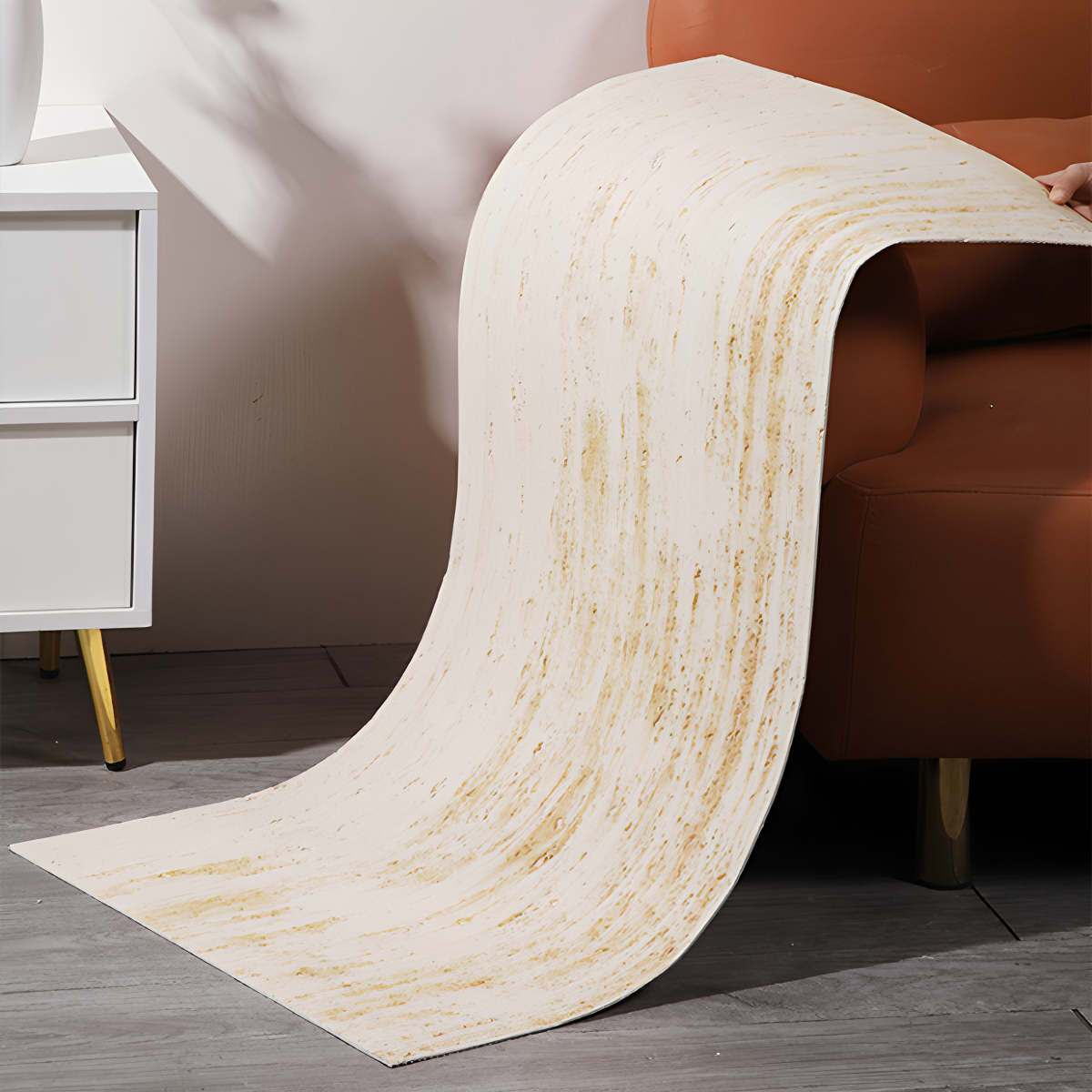
Explore JMS Decor’s customizable, eco-friendly soft stone panels that combine durability with elegance. Perfect for interiors and exteriors, our lightweight, easy-to-install panels offer limitless design possibilities for residential, commercial, and luxury projects.
الخاتمة
Flexible brick bridges classic aesthetics with modern renovation flexibility, making it ideal for various project types from historic restorations to new construction. Its modular, lightweight design simplifies installation and allows adaptation over time, providing long-term value beyond initial installation. These six projects demonstrate tangible before-and-after transformations achievable with flexible brick systems, showcasing how proper planning and installation ensure authentic appearance and lasting performance.
Flexible brick offers contractors, renovators, and homeowners a practical way to blend tradition with innovation, combining timeless style, faster installation, and future-ready adaptability. Consider flexible brick for your next renovation or build to achieve both aesthetic appeal and functional flexibility.
الأسئلة المتداولة
Is this installation process faster than using real brick slips?
Yes, flexible brick installations are generally much faster compared to traditional brick slips. This speed advantage is primarily due to the use of modular panels and pre-assembled veneer sheets that cover larger surface areas in one go, significantly reducing the number of individual pieces to handle. These lightweight veneer sheets simplify handling and positioning, minimizing labor time and physical strain for installers.
Additionally, flexible brick systems eliminate many of the time-consuming steps typical of real brick applications, such as extensive mortar mixing and curing time. The reduced complexity and streamlined installation process allow renovation projects to progress more quickly, cutting down overall disruption and labor costs while still delivering an authentic brick aesthetic.
Can flexible brick be installed directly over old tiles or drywall?
One of the significant advantages of flexible brick veneer systems is their ability to be installed directly over existing surfaces such as old tiles or drywall without the need for removal. This feature drastically reduces the scope of demolition and preparation work, making renovations less invasive and far more cost-effective. Homeowners and contractors alike benefit from shorter project timelines and minimized disruption to living or working spaces.
Because flexible brick veneers are lightweight and designed to adhere well to a variety of substrates, they can seamlessly transform outdated walls into stylish brick facades quickly and efficiently. This ease of installation not only preserves the underlying structure but also allows for quicker turnaround, enabling a refreshed aesthetic without the mess and expense traditionally associated with brick renovations.
What is the typical cost difference for a full wall renovation?
The cost difference between flexible brick renovations and traditional brickwork can be significant, often favoring flexible brick as a more budget-friendly option. Flexible brick systems reduce labor costs because they are easier and faster to install, utilizing modular panels and lightweight veneer sheets that require less structural reinforcement and preparation. Additionally, material costs tend to be lower as flexible brick veneers use less raw brick material and packaging, minimizing waste.
Beyond the initial savings, flexible brick renovations offer long-term financial benefits through their adaptability. Since modular panels can be adjusted or replaced with relative ease, future remodeling or repairs are less costly than with traditional brick walls, which often involve extensive demolition. This ease of modification adds value to any project, making flexible brick a practical choice for homeowners and contractors aiming for both quality and cost efficiency.
How do you create authentic-looking mortar lines between the bricks?
Creating authentic-looking mortar lines in flexible brick installations involves using specialized fillers and finishes designed to closely replicate the texture and appearance of traditional mortar joints. These fillers are applied with precision between the modular panels, allowing for realistic depth and subtle color variations that mimic real mortar, enhancing the natural brick aesthetic.
Additionally, careful attention is given to the joint profiles and tooling techniques to ensure that the mortar lines align seamlessly across panels and maintain consistency throughout the wall. This meticulous process not only preserves the visual integrity of classic brickwork but also ensures durability and flexibility, accommodating building movement without compromising the realistic look.
Does the flexible brick feel like real brick to the touch?
Flexible brick products are carefully engineered with textured surfaces that closely mimic the roughness and tactile nuances of real brick. Despite being lightweight and composed of composite materials, these veneers offer an authentic touch that convinces both sight and feel, making them ideal for projects where maintaining traditional brick aesthetics matters without the added weight of natural masonry.
Advancements in manufacturing have enabled flexible bricks to replicate subtle imperfections and surface granularity, delivering a natural finish that homeowners and professionals appreciate. This realistic texture enhances the sensory experience, ensuring that flexible brick walls not only look authentic but also feel genuinely similar to old-fashioned brickwork.

 Arabic
  English
  Spanish
  French
  German