 تخطي إلى المحتوى
مقدمة
يواجه المهندسون المعماريون والبناؤون تحديًا مستمرًا: كيفية تحقيق الجمالية الفاخرة للحجر الطبيعي مع تلبية متطلبات الاستدامة الصارمة بشكل متزايد. المواد الحجرية التقليدية ثقيلة وتستهلك الكثير من الموارد وتترك بصمة كربونية كبيرة طوال دورة حياتها — من الاستخراج إلى التركيب.
هذا هو المكان ألواح حجرية صديقة للبيئة تغير كل شيء. توفر هذه البدائل المبتكرة والمرنة نفس الجاذبية البصرية مع تقليل الأثر البيئي بشكل كبير. مصنوعة من مواد معاد تدويرها ولا تتطلب سوى جزء بسيط من الموارد لإنتاجها ونقلها، فقد أصبحت ما يسميه المصممون "مغيّر قواعد اللعبة" للعمارة المستدامة. تصميمها الخفيف الوزن لا يقلل من انبعاثات الكربون فحسب، بل يغير من سرعة وكفاءة إنجاز المشاريع الصديقة للبيئة.
تتجاوز المزايا الفوائد البيئية. توفر هذه الألواح تنوعًا رائعًا للتصميمات الإبداعية، ومتانة فائقة على الرغم من رقتها، وفوائد كبيرة في كفاءة الطاقة عند تركيبها. بالنسبة لأولئك الذين يعملون في مبانٍ أو مشاريع حاصلة على شهادة LEED ذات متطلبات استدامة صارمة، فإنها توفر حلاً أنيقًا لمشكلة معقدة.
تصميم خفيف الوزن – تقليل البصمة الكربونية في العمارة الحديثة
عندما يتحدث المهندسون المعماريون والبناؤون عن الاستدامة في البناء، نادراً ما يحظى وزن المواد باهتمام كبير. ومع ذلك، فهو أحد العوامل الأكثر إغفالاً في التأثير البيئي للمشروع. تعمل الألواح الحجرية الصديقة للبيئة على تغيير هذا النقاش من خلال توفير تخفيض ملحوظ في الوزن مقارنة بالمواد الحجرية التقليدية.
“يمكن للألواح الحجرية الخفيفة الوزن والصديقة للبيئة أن تقلل من البصمة الكربونية لمشروع البناء بنسبة تصل إلى 80% مقارنة بالحجر التقليدي من خلال تقليل انبعاثات النقل وتبسيط متطلبات التركيب.”
الفرق كبير. في حين أن ألواح الرخام أو الجرانيت التقليدية تزن عادة ما بين 10-15 رطلاً لكل قدم مربع، فإن الألواح الحجرية المرنة تزن غالباً 1.5-2 رطل فقط لكل قدم مربع. هذا "مغيّر قواعد اللعبة" في الوزن يخلق تأثيرًا متتاليًا من الفوائد البيئية طوال عملية البناء بأكملها.
الفرق في الوزن: مقارنة بين الألواح الحجرية المرنة والحجرية التقليدية
يأتي التخفيف الاستثنائي لوزن الألواح الحجرية الصديقة للبيئة من تصميمها المبتكر. باستخدام طبقة رقيقة من الحجر الحقيقي الملصق بمواد داعمة خفيفة الوزن، تحافظ هذه الألواح على مظهرها الأصلي مع تقليل وزنها بشكل كبير. لا يقتصر هذا التغيير على تسهيل التعامل معها فحسب، بل إنه يغير المعادلة البيئية بشكل جذري.
| الممتلكات | الحجر التقليدي | ألواح حجرية صديقة للبيئة | تخفيض الوزن (%) | الأثر البيئي |
|---|---|---|---|---|
| الوزن (رطل/قدم مربع) | 12.0 | 1.8 | 85% | انخفاض كبير في انبعاثات النقل |
| الشاحنات المطلوبة (10,000 قدم مربع) | 8 | 1 | 87.5% | عدد أقل من المركبات، استهلاك أقل للوقود |
| عمالة التركيب (ساعات/100 قدم مربع) | 24 | 6 | 75% | تقليل استهلاك الطاقة أثناء التركيب |
| احتياجات المعدات الثقيلة | عالية | الحد الأدنى | 80% | انخفاض انبعاثات الوقود والتشغيل للمعدات |
| متطلبات هيكلية للمباني | كبير | الحد الأدنى | 70% | تقليل احتياجات المواد الإنشائية |
انبعاثات الكربون في النقل: كيف تقلل الألواح خفيفة الوزن من الأثر البيئي
يمثل النقل أحد أكبر مصادر انبعاثات الكربون في دورة حياة مواد البناء. عند شحن الحجر التقليدي، يرتفع استهلاك الوقود بشكل كبير بسبب الوزن الهائل. تقلل الألواح الحجرية المرنة هذه الانبعاثات بشكل كبير من خلال السماح بنقل المزيد من المواد باستهلاك أقل للوقود.
يمكن أن تحمل حاوية الشحن النموذجية ما يقرب من 3-4 أضعاف المساحة المربعة للألواح الحجرية الصديقة للبيئة مقارنة بالألواح الحجرية التقليدية. وتترجم هذه الكفاءة مباشرة إلى انخفاض انبعاثات الكربون - في بعض الحالات بنسبة تصل إلى 75% في مرحلة النقل وحدها.
كفاءة التركيب: معدات أقل، استهلاك أقل للطاقة
تقضي الطبيعة الخفيفة الوزن لهذه الألواح على الحاجة إلى استخدام آلات ثقيلة أثناء التركيب. في حين أن الحجر التقليدي غالبًا ما يتطلب رافعات ومعدات رفع متخصصة وهياكل معززة، يمكن عادةً تركيب الألواح الحجرية المرنة باستخدام أدوات أساسية وعدد أقل من العمال.
هذا الانخفاض في احتياجات المعدات يترجم إلى انخفاض استهلاك الطاقة في موقع العمل. تشير فرق البناء التي تستخدم الألواح الخفيفة الوزن والصديقة للبيئة إلى توفير في الطاقة بنسبة 60-70% خلال مرحلة التركيب مقارنة بالمشاريع الحجرية التقليدية ذات النطاق المماثل.
دراسة حالة: مقارنة البصمة الكربونية في المشاريع الكبيرة الحجم
في مشروع تطوير تجاري حديث تبلغ مساحته 50,000 قدم مربع، أجرى المهندسون المعماريون تحليلاً مقارناً بين الكسوة التقليدية من الجرانيت والألواح الحجرية المرنة خفيفة الوزن من JMS Decor. أظهرت النتائج انخفاضاً إجمالياً في البصمة الكربونية بمقدار 62 طناً من ثاني أكسيد الكربون بفضل اختيار المادة الأخف وزناً – وهو ما يعادل إزالة 13 سيارة من الطرقات لمدة عام كامل.
جاء هذا التحسن الهائل بشكل أساسي من ثلاثة مجالات: انخفاض طاقة الاستخراج (تقليل المواد المطلوبة)، وانخفاض انبعاثات النقل (تقليل عدد الشاحنات)، وتبسيط التركيب (تقليل المعدات). بالنسبة للمقاولين، أدى ذلك إلى توفير حوالي 18% من تكاليف المشروع مع تحقيق أداء بيئي فائق.
[الصورة المميزة]: مقارنة بين تركيب الحجر التقليدي الذي يتطلب آلات ثقيلة وتركيب الألواح الحجرية الخفيفة الوزن والصديقة للبيئة باستخدام معدات قليلة – [ALT: مقارنة الأثر البيئي بين طرق تركيب الحجر التقليدي والألواح الحجرية الخفيفة الوزن والصديقة للبيئة]


المواد المستدامة – تحويل المساحات باستخدام الموارد المعاد تدويرها
تشهد صناعة البناء تطوراً ملحوظاً مع دخول المواد المعاد تدويرها في المنتجات التي كانت تهيمن عليها الموارد البكر في السابق. وتقف الألواح الحجرية الصديقة للبيئة في طليعة هذا التحول، حيث تحول ما كان يُرمى في السابق إلى عناصر معمارية مذهلة تنافس المواد التقليدية من حيث الجمال والأداء.
“يمكن أن تقلل الألواح الحجرية المصنوعة من مواد معاد تدويرها من تأثير الاستخراج من المحاجر بنسبة تصل إلى 73% مع الحفاظ على الجاذبية الجمالية والمتانة التي تتميز بها المنتجات الحجرية التقليدية.”
تتطلب ممارسات البناء المستدامة اليوم أكثر من مجرد المتانة والجماليات - فهي تتطلب مصادر مواد مسؤولة. إن دمج المكونات المعاد تدويرها في الألواح الحجرية يخلق "رابح-رابح" للمصممين الذين يسعون إلى تحقيق التوازن بين المسؤولية البيئية والتأثير البصري.
تحليل التركيب: محتوى الحجر المعاد تدويره والمواد الرابطة الصديقة للبيئة
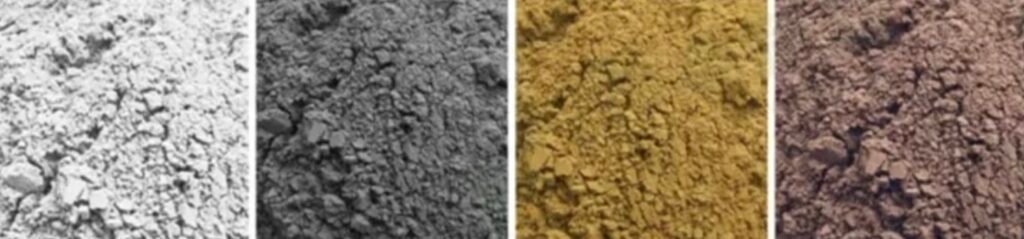
تجمع الألواح الحجرية الحديثة الصديقة للبيئة بين عدة عناصر معاد تدويرها. تحتوي الطبقة الحجرية عادةً على جزيئات حجرية معاد تدويرها بنسبة 30-65% من نفايات التصنيع التي كانت ستنتهي في مكبات النفايات. يتم ربط هذه الجزيئات بواسطة دعامات مصنوعة من بوليمرات معاد تدويرها أو ألياف طبيعية، مما ينتج مركبًا يزيد من كفاءة استخدام الموارد إلى أقصى حد.
لقد تطورت المواد اللاصقة المستخدمة في هذه الألواح بشكل كبير، حيث استبدل العديد من المصنعين المواد اللاصقة التقليدية القائمة على البترول ببدائل حيوية. تقلل هذه المواد اللاصقة المشتقة من النباتات من انبعاثات المركبات العضوية المتطايرة وتعزز استدامة الألواح دون المساس بسلامتها الهيكلية.
| المكوّن | المنتجات الحجرية التقليدية | ألواح حجرية مستدامة | الفوائد البيئية | تأثير الأداء |
|---|---|---|---|---|
| محتوى الحجر | 100% حجر عذري | 35-70% حجر معاد تدويره | تقليل تأثير المحاجر | متانة مكافئة |
| عوامل الربط | مشتق من البترول | البوليمرات الحيوية | 78% انخفاض البصمة الكربونية | مرونة محسنة |
| مواد الدعم | الألياف الزجاجية/البلاستيك البكر | الألياف/البوليمرات المعاد تدويرها | 85% تقليل النفايات | خصائص خفيفة الوزن محسّنة |
| عوامل التلوين | الأصباغ الكيميائية | أصباغ معدنية | الحد من تلوث المياه | مقاومة أفضل للأشعة فوق البنفسجية |
| استخدام المياه | 15-20 جالون/قدم مربع | 2-3 جالون/قدم مربع | الحفاظ على المياه | وقت إنتاج أسرع |
الحفاظ على الموارد: كيف تقلل المواد المعاد تدويرها من تأثير عمليات الاستخراج
يؤدي استخراج الحجر الطبيعي إلى إحداث اضطراب بيئي كبير – من تدمير الموائل إلى الاستخراج والمعالجة التي تستهلك الكثير من الطاقة. من خلال دمج محتوى الحجر المعاد تدويره، تقلل الألواح الحجرية المستدامة هذا التأثير بشكل كبير مع الحفاظ على الموارد الطبيعية المحدودة.
لكل 1,000 قدم مربع من الألواح الحجرية المصنوعة من مواد معاد تدويرها والمثبتة بدلاً من الحجر التقليدي، يبقى حوالي 12 طنًا من الحجر الخام دون استخراج في المحاجر. وهذا يعني الحفاظ على المناظر الطبيعية والتنوع البيولوجي، إلى جانب تقليل استهلاك الطاقة في مرحلة الاستخراج.
الجاذبية البصرية: تحقيق جماليات فاخرة باستخدام مكونات معاد تدويرها
ربما يكون الجانب الأكثر إثارة للإعجاب في الألواح المستدامة الحالية هو قدرتها على الحفاظ على جماليات عالية الجودة مع استخدام مواد معاد تدويرها. تتيح تقنيات التصنيع المتقدمة التحكم الدقيق في النسيج والأنماط وتباين الألوان، مما ينتج عنه أسطح تحاكي بشكل أصيل الجمال الطبيعي للحجر المستخرج من المحاجر.
في مقارنات عمياء أجريت مع متخصصين في التصميم، تم اختيار الألواح المصنوعة من مواد معاد تدويرها على الخيارات الحجرية التقليدية في 62% من الحالات بناءً على المظهر الجمالي وحده. ويمثل هذا تحولًا كبيرًا عن المواد المستدامة السابقة، التي كانت تتطلب في كثير من الأحيان التنازل عن الجانب الجمالي.
الشهادات البيئية: ما الذي يجب البحث عنه في الألواح المستدامة حقًا
يتطلب التعامل مع الادعاءات الصديقة للبيئة فهم الشهادات الرئيسية. يجب أن تحمل الألواح الحجرية المستدامة الشرعية شهادات بيئية معترف بها مثل Cradle to Cradle أو GreenGuard أو شهادات محددة للتحقق من المحتوى المعاد تدويره. توفر هذه الشهادات ضمانًا بأن الادعاءات البيئية قد تم التحقق منها بشكل مستقل.
على سبيل المثال، تحمل ألواح JMS Decor شهادة ISO14000 وتساهم في الحصول على نقاط LEED في فئات متعددة، بما في ذلك المحتوى المعاد تدويره والمواد الإقليمية والمنتجات منخفضة الانبعاثات. عند اختيار الألواح للمشاريع المستدامة، توفر هذه الشهادات التحقق الأساسي من الأداء البيئي.
مزايا التركيب – تبسيط مشاريع المباني الخضراء
يمكن أن تؤدي عملية التركيب إلى نجاح أو فشل مشروع البناء الأخضر. غالبًا ما تتطلب عمليات تركيب الحجر التقليدية إجراءات معقدة ومعدات متخصصة واستثمارات كبيرة في الوقت. أدخل الألواح الحجرية المرنة - بديل حديث يحدث ثورة في طريقة تعاملنا مع مشاريع البناء المستدامة من البداية إلى النهاية.
“يمكن أن يؤدي تركيب الألواح الحجرية الصديقة للبيئة إلى تقليل نفايات البناء بنسبة تصل إلى 80% مقارنة بالحجر التقليدي مع تقليل وقت التركيب إلى النصف، مما يجعلها حلاً مثالياً لمشاريع البناء المستدامة ذات الجداول الزمنية الضيقة.”
عندما يواجه المقاولون هذه المواد المبتكرة لأول مرة، غالبًا ما يفاجأون ببساطتها. لا تحتاج إلى معدات ثقيلة متخصصة، وتقليل متطلبات العمالة، وتعدد الاستخدامات الذي يتيح لهم التعامل مع الميزات المعمارية الصعبة بسهولة. دعونا نستكشف أسباب هذه المزايا في التركيب “تغيير قواعد اللعبة” لمشاريع البناء الصديقة للبيئة.
عملية التثبيت خطوة بخطوة: البساطة والكفاءة
تتبع عملية التركيب المبسطة للألواح الحجرية المرنة تسلسلاً منطقياً يتطلب الحد الأدنى من التدريب المتخصص. على عكس الحجر التقليدي الذي يتطلب قطعاً دقيقاً ومعدات رفع ثقيلة، يمكن عادةً تركيب هذه الألواح باستخدام أدوات البناء القياسية المألوفة لمعظم المقاولين.
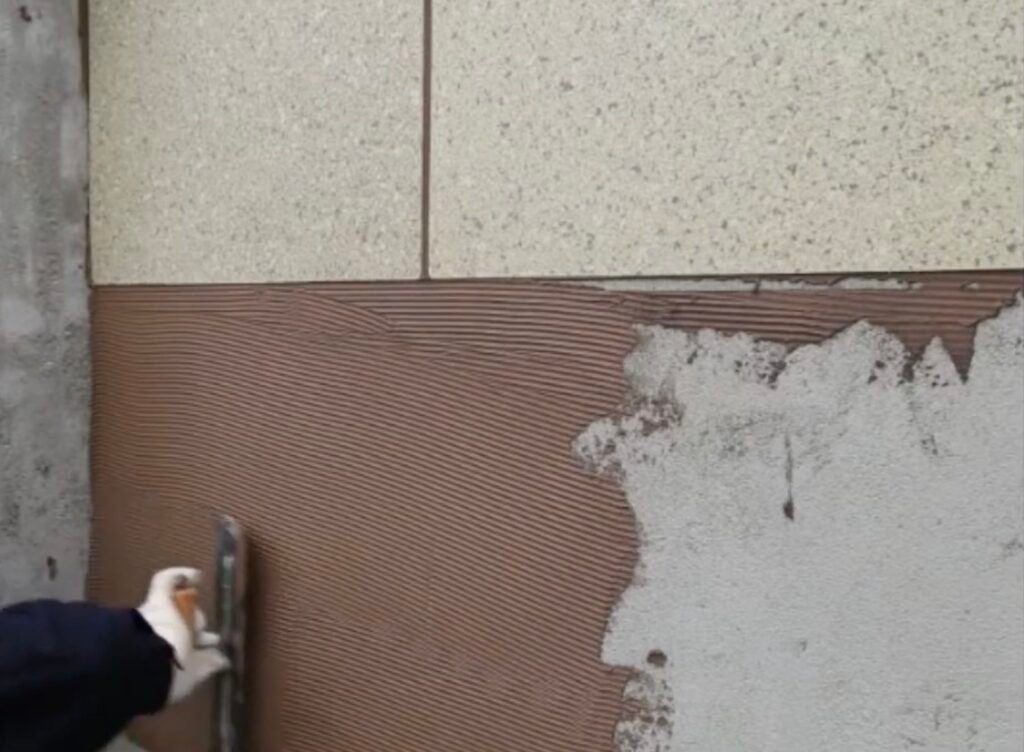
يتطلب تحضير السطح ببساطة ركيزة نظيفة وثابتة. يمكن قياس الألواح وقصها باستخدام أدوات أساسية مثل السكاكين أو المقصات - دون الحاجة إلى مناشير مبللة أو معدات متخصصة لقطع الحجر. يتم تطبيق المادة اللاصقة وفقًا للطرق القياسية، وبفضل خفة وزنها، لا يتطلب وضعها أي مساعدة ميكانيكية.
| جانب التثبيت | الحجر التقليدي | الألواح الحجرية المرنة | توفير الوقت | الفوائد البيئية |
|---|---|---|---|---|
| وقت تحضير السطح (100 قدم مربع) | 4-6 ساعات | من ساعة إلى ساعتين | 66% | تقليل استهلاك الطاقة للمعدات |
| عملية القطع | منشار مبلل (يستهلك الكثير من الماء) | سكين/مقص متعدد الاستخدامات | 85% | يقلل من هدر المياه (15-20 جالون/قص) |
| العمال المطلوبون (100 قدم مربع/يوم) | 3-4 عمال بناء مهرة | 1-2 مقاولون عامون | 60% | انخفاض انبعاثات التنقل |
| احتياجات المعدات | 5-7 أدوات متخصصة | 2-3 أدوات قياسية | 70% | انخفاض الكربون المدمج في الأدوات |
| معدل التركيب (قدم مربع/اليوم/شخص) | 25-30 | 80-100 | 70% | جداول زمنية أقصر للمشروع، وتقليل التأثير على الموقع |
الحد من النفايات: قياس مخلفات البناء مقارنة بالحجر التقليدي
تمثل مخلفات البناء تحدياً بيئياً كبيراً، حيث يؤدي تركيب الأحجار التقليدية إلى توليد كميات كبيرة من القطع المقطوعة والمواد التالفة. تقلل الألواح الحجرية المرنة بشكل كبير من تدفق هذه النفايات من خلال القطع الدقيق، والمرونة الكبيرة التي تمنع الكسر، والحجم المعياري الذي يزيد من استخدام المواد إلى أقصى حد.
في التركيب النموذجي الذي تبلغ مساحته 1000 قدم مربع، قد ينتج الحجر التقليدي 150-200 رطل من النفايات. أما المشروع نفسه الذي يستخدم الألواح الحجرية الصديقة للبيئة فينتج عادةً 20-30 رطلاً فقط من النفايات - أي ما يعادل انخفاضاً بحوالي 851 تيرابايت 3 تيرابايت. هذا التخفيض في النفايات يترجم مباشرة إلى مساهمات أقل في مدافن النفايات واستخدام أكثر كفاءة للموارد.
كفاءة العمالة: توفير الوقت والتكاليف في البناء الأخضر
تتعدى مزايا العمالة للألواح الحجرية المرنة سرعة التركيب البسيطة. فالطبيعة الخفيفة الوزن تقلل من إجهاد العمال، مما يؤدي إلى تقليل الإصابات وزيادة اتساق الجودة في جميع عمليات التركيب الكبيرة. وبالإضافة إلى ذلك، تتطلب الألواح تدريباً أقل تخصصاً، مما يوسع مجموعة عمال التركيب المؤهلين المتاحين لمشاريع المباني الخضراء.
تُترجم هذه المكاسب في الكفاءة عادةً إلى وفورات في تكلفة العمالة تتراوح بين 40-501 تيرابايت 3 تيرابايت مقارنةً بالتركيبات الحجرية التقليدية. بالنسبة لمديري المشاريع والمقاولين، يعني هذا الأمر مزيداً من الجداول الزمنية التي يمكن التنبؤ بها، وتقليل مخاطر الجدولة، وتحسين اقتصاديات المشروع بشكل عام مع الحفاظ على أهداف الاستدامة.
تعدد الاستخدامات: من الأسطح المنحنية إلى التفاصيل المعمارية المعقدة
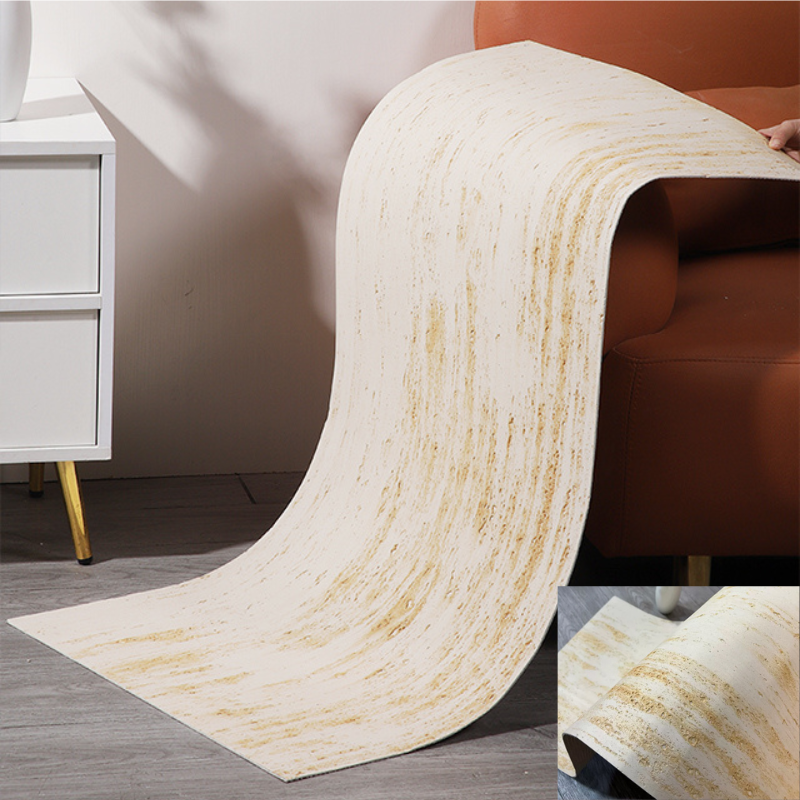
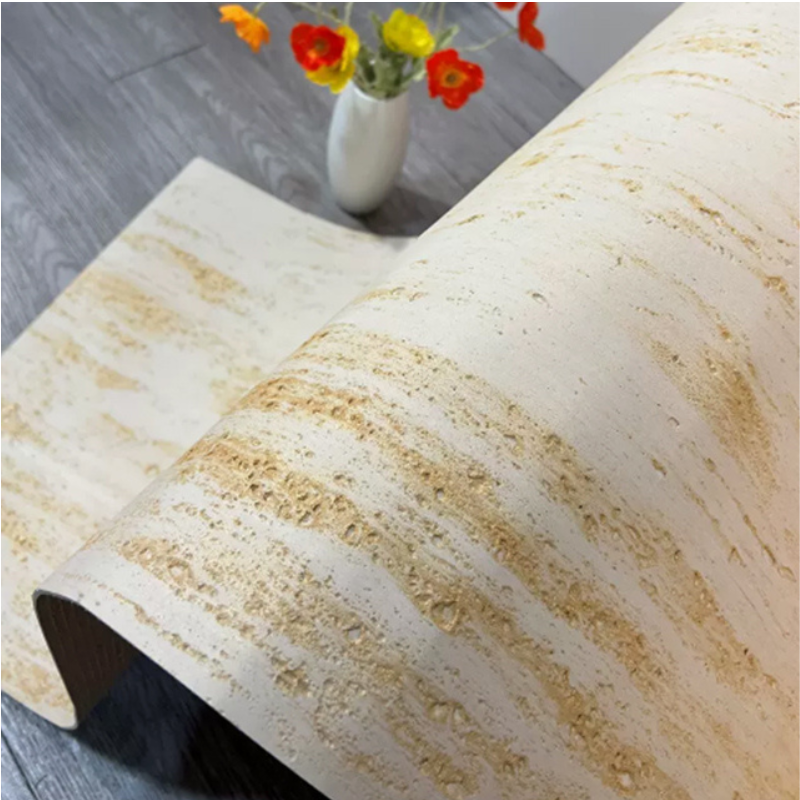
ولعل أهم ميزة في التركيب هي القدرة على تطبيق هذه الألواح على الأسطح التي قد تكون صعبة للغاية أو مستحيلة باستخدام الحجر التقليدي. تسمح مرونتها بالالتفاف السلس حول الأعمدة، وتطبيقها على الجدران المنحنية، والتكامل مع الملامح المعمارية المعقدة دون المساس بالسلامة الإنشائية.
هذا التنوع يلغي الحاجة إلى انتقالات معقدة بين المواد أو التصنيع المخصص المكلف الذي غالباً ما يتطلبه الحجر التقليدي. والنتيجة هي تنفيذ تصميم أكثر تماسكاً وتنوع أقل للمواد وصيانة مبسطة على المدى الطويل - وكل ذلك يساهم في تعزيز الاستدامة الشاملة للمبنى.
كفاءة الطاقة والفوائد الحرارية في التصميم المستدام
عندما يعطي المهندسون المعماريون والمصممون الأولوية للاستدامة، غالباً ما يتصدر أداء الطاقة قائمة اعتباراتهم. وفي حين أن الحجر التقليدي جميل، إلا أن أداءه عادةً ما يكون ضعيفاً كمنظم حراري. هذا هو المكان الذي تغير فيه الألواح الحجرية الصديقة للبيئة المعادلة، حيث تقدم المظهر الجمالي للحجر الطبيعي وفوائد مدهشة في كفاءة الطاقة.
“يمكن للألواح الحجرية الصديقة للبيئة أن تحسن الأداء الحراري للمبنى بما يصل إلى 30% مقارنةً بالكسوة الحجرية التقليدية، مما يؤدي إلى توفير كبير في الطاقة وتحسين راحة الركاب.”
يكمن السر في تركيبها المركب. فعلى عكس الحجر الصلب الذي ينقل الحرارة والبرودة بسهولة، تجمع هذه الألواح المبتكرة بين القشرة الحجرية الرقيقة والمواد العازلة. هذا النهج الطبقي يخلق "الضربة القاضية" حل للمصممين الذين يبحثون عن الجمال الطبيعي وأداء الطاقة.
خصائص العزل: قيم R-Values والأداء الحراري
تؤثر المقاومة الحرارية (قيمة R) لمواد البناء بشكل مباشر على كفاءة الطاقة. يوفر الحجر التقليدي عادةً قيم R-قيم تتراوح بين 0.08 و0.12 لكل بوصة، مما يوفر الحد الأدنى من العزل. وعلى النقيض من ذلك، فإن الألواح الحجرية المستدامة تدمج دعامات عازلة يمكن أن تزيد من قيم R-قيم R إلى 0.5-2.0 لكل بوصة - وهو تحسن كبير يحول عنصر الزخرفة إلى جزء وظيفي من الغلاف الحراري للمبنى.
وتأتي قدرة العزل المحسّنة هذه من الهيكل المركب. تخلق المواد الداعمة - التي غالباً ما تحتوي على محتوى معاد تدويره أو موارد متجددة - مساحات هوائية ميتة تبطئ من انتقال الحرارة. وفي الوقت نفسه، توفر الطبقة الحجرية الرقيقة كتلة حرارية تساعد على استقرار درجات الحرارة الداخلية عن طريق امتصاص الحرارة وإطلاقها ببطء.
| الخاصية الحرارية | الحجر التقليدي | ألواح حجرية صديقة للبيئة | النسبة المئوية للتحسن | التأثير على أداء المبنى |
|---|---|---|---|---|
| قيمة R-Value (لكل بوصة) | 0.08-0.12 | 0.5-2.0 | 525% متوسط | تقليل الفاقد في التدفئة/التبريد |
| التجسير الحراري | مهم | الحد الأدنى | تخفيض 65% | بقع باردة أقل، راحة أكثر |
| تأثير الكتلة الحرارية | عالية (ولكن قليلة الاستخدام) | معتدلة (مستخدمة بكفاءة) | 40% أكثر فعالية | تنظيم أفضل لدرجات الحرارة |
| التباين في درجة حرارة السطح | 12-18°F | 3-6°F | تحسين 67% | راحة داخلية أكثر اتساقاً |
| مخاطر التكثيف | عالية | منخفضة | تخفيض 70% | إدارة أفضل للرطوبة |
تخفيض استهلاك الطاقة: تحليل تكلفة التدفئة والتبريد
يُترجم الأداء الحراري المحسّن مباشرةً إلى توفير في الطاقة. عادةً ما تُظهر المباني التي تتميز بألواح حجرية مستدامة تخفيضات في تكاليف التدفئة والتبريد تتراوح بين 12 و241 تيرابايت 3 تيرابايت مقارنةً بتلك التي تستخدم الكسوة الحجرية التقليدية. تتراكم هذه الوفورات بشكل كبير على مدى عمر المبنى.
في دراسة حالة حديثة لمبنى تجاري تبلغ مساحته 40,000 قدم مربع في شيكاغو، أدى استبدال الكسوة الحجرية التقليدية بألواح الحجر المعزولة من JMS Decor إلى توفير سنوي في الطاقة بلغ حوالي $14,500. وقد حقق المبنى استرداداً لفرق التكلفة الهامشية في 3.2 سنة فقط، وبعد ذلك استمرت الوفورات في الاستفادة من ميزانية التشغيل.
التكيف مع المناخ: الأداء في الظروف البيئية المختلفة
وعلى عكس بعض مواد البناء التي تعمل بشكل جيد فقط في مناخات محددة، فإن حلول البناء الصديقة للبيئة مثل هذه الألواح تُظهر قدرة رائعة على التكيف. ففي المناخات الحارة، تقاوم هذه الألواح اكتساب الحرارة وتقلل من أحمال التبريد. وفي البيئات الباردة، تقلل هذه الألواح من فقدان الحرارة وتحمي من التجسير الحراري الذي يخلق بقعاً باردة غير مريحة.
هذا التنوع في الاستخدام يجعلها ذات قيمة خاصة للمباني في المناطق التي تشهد تغيرات موسمية كبيرة في درجات الحرارة. ويساعد الاستقرار الحراري الذي توفره على الحفاظ على ثبات الظروف الداخلية على الرغم من التقلبات الخارجية، مما يقلل من الضغط على الأنظمة الميكانيكية أثناء الأحداث المناخية القاسية.
التكامل مع أنظمة المباني الذكية والتصميم السلبي
إن الخصائص الحرارية للألواح الحجرية الصديقة للبيئة تجعلها رفيقًا مثاليًا لاستراتيجيات التصميم عالية التقنية والسلبية على حد سواء. وعند دمجها مع أنظمة إدارة المباني الذكية، فإنها تعزز كفاءة تنظيم درجة الحرارة من خلال الحد من التقلبات السريعة التي تتحدى أنظمة التدفئة والتهوية وتكييف الهواء.
في تصميمات الطاقة الشمسية السلبية، تكمّل هذه الألواح بشكل ممتاز استراتيجيات مثل الجدران ذات الكتلة الحرارية والزجاج الاستراتيجي. وتتيح قدرتها على تلطيف نقل درجة الحرارة مع توفير جماليات حجرية أصيلة للمصممين إنشاء مبانٍ مذهلة بصريًا وموفرة للطاقة دون أي تنازلات.
براعة التصميم - تخطي حدود الإبداع بشكل مستدام
لطالما كان التصميم المعماري مقيداً بالقيود المادية. فالحجر التقليدي، على الرغم من جماله، إلا أنه يقيد التعبير الإبداعي بسبب وزنه وصلابته وتأثيره البيئي. أدخل الألواح الحجرية الصديقة للبيئة - وهي مادة ثورية تحرر المصممين لاستكشاف إمكانيات جديدة مع الحفاظ على المسؤولية البيئية.
“تُمكّن الألواح الحجرية المرنة المهندسين المعماريين من دمج الأسطح المنحنية والأشكال الهندسية المعقدة والتطبيقات المبتكرة التي تتطلب نفايات مفرطة في المواد أو تكون مستحيلة من الناحية الهيكلية باستخدام الحجر التقليدي، كل ذلك مع تقليل الأثر البيئي.”
وبصفتي شخص راقب تطور هذه المواد على مدار سنوات، فقد رأيت عن كثب كيف أنها تغير ما هو ممكن في التصميم المستدام. هذه الألواح ليست مجرد بدائل صديقة للبيئة - إنها "مذهل" أدوات إبداعية تفتح آفاق تصميم جديدة مع احترام كوكبنا في الوقت نفسه.
المرونة في الشكل: إنشاء المنحنيات والزوايا والأشكال الهندسية المعقدة
تخلق صلابة الحجر التقليدي قيداً أساسياً في التصميم - فهو يقاوم بشدة تشكيل المنحنيات والأشكال المعقدة. تغير الألواح الحجرية المرنة هذه المعادلة تماماً. فطبيعتها المرنة تسمح لها بالالتفاف حول الأعمدة، وتشكيل جدران متموجة، وإنشاء أشكال عضوية تتطلب قطعاً معقداً للغاية وهدراً هائلاً في المواد التقليدية.
هذه المرونة لا توسع الخيارات الجمالية فحسب، بل تغير بشكل أساسي ما هو ممكن من الناحية الهيكلية. يمكن للمصممين الآن ابتكار أشكال انسيابية مستوحاة من الطبيعة تعزز الجاذبية البصرية والمساحات الوظيفية، مع استخدام مواد أقل وإنتاج أقل قدر من النفايات.
| عنصر التصميم | نهج الحجر التقليدي | نهج اللوحة المرنة | مكاسب الكفاءة المادية | تأثير التصميم |
|---|---|---|---|---|
| جدار منحني (نصف قطره 10′) | أوجه صغيرة متعددة مع مفاصل مرئية | منحنى متواصل سلس | 70% أقل نفايات 70% | تدفق بصري سلس |
| تغليف الأعمدة | وصلات معقدة ذات ثنيات معقدة، ودرزات مرئية | التفاف مستمر، الحد الأدنى من الدرزات | 60% تركيب أسرع | مظهر نظيف ومتجانس |
| المنحنيات المركبة | غير ممكن بشكل عام | يمكن تحقيقه بسهولة | 85% أقل من المواد | تمكين عناصر التصميم البيوفيليكي |
| تطبيقات السقف | هياكل دعم ثقيلة مطلوبة | الحد الأدنى من المتطلبات الهيكلية | وزن أخف 75% | إمكانيات تصميم موسعة |
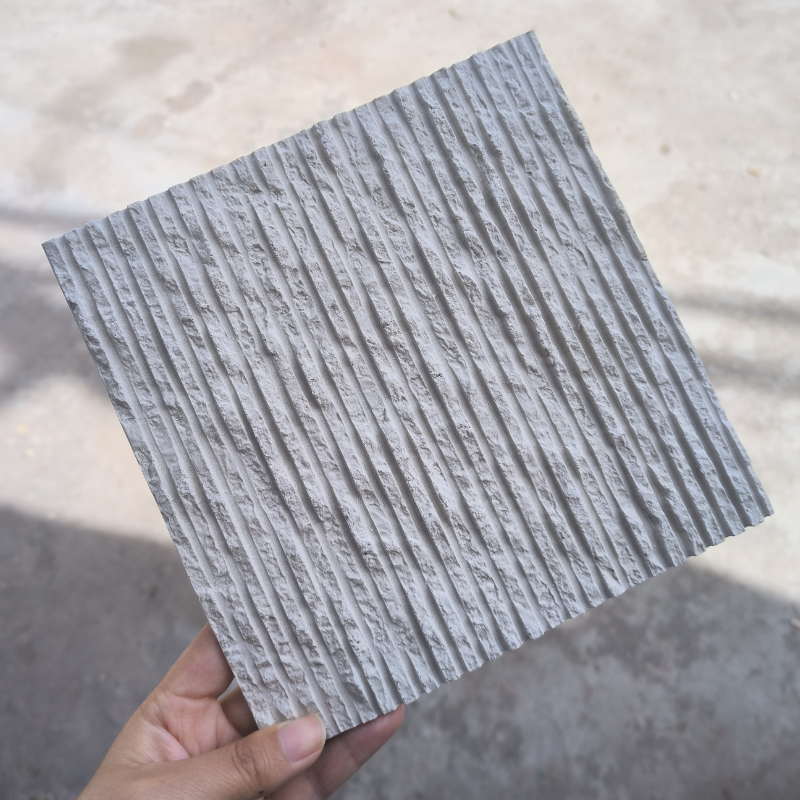
| أنماط الإغاثة المزخرفة | نحت باهظ الثمن، نفايات عالية | قوام مُشكّل، الحد الأدنى من النفايات | تخفيض التكلفة 50% | تعبير فني أكثر سهولة الوصول إليه |
تنوّع جمالي: خيارات الألوان والملمس واللمسات النهائية
بالإضافة إلى مرونة الشكل، توفر الألواح الحجرية المستدامة تنوعًا جماليًا ملحوظًا. تسمح عملية التصنيع بالتحكم الدقيق في تناسق الألوان واختلافات الملمس وأنواع اللمسات النهائية - مما يمنح المصممين الاتساق والتنوع الذي يحتاجونه للمشاريع الطموحة.
على عكس الأحجار المحجرية ذات الاختلافات الطبيعية التي يمكن أن تعقّد تنفيذ التصميم، يمكن إنتاج هذه الألواح إما بتناسق محكوم أو بتنوع مقصود. تساعد هذه القدرة على التنبؤ المصممين على تحقيق المظهر الذي يتخيلونه بالضبط مع الحفاظ على العمق البصري الطبيعي الذي يجعل الحجر جذاباً للغاية.

التصميم المستقبلي: الاتجاهات الناشئة في العمارة المستدامة
واستشرافاً للمستقبل، فإن مزايا الألواح الحجرية المرنة في التصميم المستدام تقود أساليب معمارية جديدة ومثيرة. نحن نشهد تكاملاً متزايداً مع التصنيع الرقمي، حيث تسمح النمذجة الحاسوبية والتصنيع باستخدام الحاسب الآلي بتطبيقات الألواح المصممة بدقة هندسية عالية تزيد من كفاءة المواد إلى أقصى حد مع خلق تأثيرات بصرية مذهلة.
إن المحاكاة الحيوية - أي التصميم المستوحى من الأنماط والأنظمة الطبيعية - تخدم هذه المواد بشكل خاص. إن قدرتها على تشكيل أشكال عضوية مع الحفاظ على المظهر الأصيل للحجر تمكّن المهندسين المعماريين من إنشاء مساحات تعكس البيئات الطبيعية، مما يعزز الاستدامة ورفاهية الإنسان من خلال مبادئ التصميم البيولوجي.

الخاتمة
بعد العمل مع المواد الحجرية لسنوات، أصبح من الواضح أن الألواح الحجرية الصديقة للبيئة تمثل طفرة حقيقية في مجال العمارة المستدامة. تقدم هذه المنتجات المبتكرة ما كان يبدو مستحيلاً: جمال الحجر الأصيل مع جزء بسيط من التأثير البيئي.
ما يجعل هذه الألواح رائعة حقًا ليس فقط وزنها الخفيف أو محتواها المعاد تدويره - بل كيف تمكّن المصممين من إنشاء تصميمات مذهلة ومعقدة قد تكون غير عملية باستخدام الحجر التقليدي. إن الجمع بين تقليل آثار الكربون، والتركيب المبسط، والأداء الحراري الفائق يخلق حالة مقنعة لمشاريع البناء الحديثة.
بالنسبة للمهندسين المعماريين والبنائين الذين يوازنون بين الجماليات ومتطلبات الاستدامة، فإن هذه البدائل الحجرية المرنة ليست مجرد خيار - بل هي "بدون تفكير" الذي يقدم فوائد طوال دورة حياة المبنى بالكامل. مستقبل الحجر في الهندسة المعمارية ليس جميلاً فحسب - بل إنه مسؤول ومبتكر ومتعدد الاستخدامات بشكل غير عادي.
الأسئلة الشائعة
س1: هل الألواح الحجرية المرصوصة الخارجية صديقة للبيئة؟
A1: نعم، الألواح الحجرية المكدسة في الهواء الطلق صديقة للبيئة. فهي مصنوعة من مواد معاد تدويرها 58%، مما يقلل من النفايات ويحافظ على الموارد. طبيعتها خفيفة الوزن تقلل من استخدام الطاقة أثناء النقل، مما يقلل من انبعاثات الكربون. وبالإضافة إلى ذلك، فإن هذه الألواح متينة ومقاومة للعوامل الجوية، مما يلغي الحاجة إلى المعالجات الكيميائية الضارة.
س2: ما الذي يجعل ألواح Go-Stone صديقة للبيئة؟
A2: تتميز ألواح Go-Stone بأنها صديقة للبيئة لأنها مصنوعة من مواد معاد تدويرها 87%. تتميز هذه الألواح بخفة وزنها، مما يجعلها سهلة التركيب ويقلل من انبعاثات النقل. لا يتطلب تركيب ألواح جو-ستون أدوات باهظة الثمن أو معرفة بأعمال البناء.
س3: كيف تساهم الألواح الحجرية الرقيقة في تحقيق الاستدامة؟
A3: تساهم الألواح الحجرية الرقيقة في الاستدامة من خلال تقليل استهلاك المياه والطاقة. كما أن تصميمها خفيف الوزن يعني تأثيراً أقل على البيئة أثناء النقل والتركيب، مما يوفر في الموارد والطاقة.
س4: لماذا تعتبر ألواح القشرة الحجرية خفيفة الوزن صديقة للبيئة؟
A4: تُعتبر ألواح القشرة الحجرية خفيفة الوزن صديقة للبيئة لأنها أقوى من الفولاذ رطلاً مقابل رطل، مما يقلل من الحاجة إلى هياكل داعمة ثقيلة ويقلل من التأثير البيئي العام.
س5: ما هي الميزات الصديقة للبيئة للألواح الحجرية المرنة؟
A5: توفر الألواح الحجرية المرنة خيارات صديقة للبيئة حيث أنها متعددة الاستخدامات، ويمكن استخدامها في إعدادات مختلفة، ويتم تصنيعها مع مراعاة الاستدامة. وغالباً ما تنطوي على استخدام أقل للموارد في الإنتاج.
س6: كيف تقلل الألواح الحجرية الصديقة للبيئة من انبعاثات الكربون؟
A6: تقلل الألواح الحجرية الصديقة للبيئة من انبعاثات الكربون من خلال استخدام المواد المعاد تدويرها وتصميمها خفيف الوزن، مما يقلل من البصمة الكربونية من خلال تقليل استخدام الطاقة أثناء النقل والتركيب.
س7: هل الكسوة الحجرية خيار مستدام؟
A7: نعم، تُعد الكسوة الحجرية خياراً مستداماً عندما تقترن بالتقنيات الحديثة مثل الأغشية القابلة للتنفس أو الألواح الشمسية. وهذا يمزج بين متانة الحجر والحلول المبتكرة الصديقة للبيئة، مما يعزز كفاءة الطاقة.
س8: كيف تكون القشرة الحجرية بدون ملاط صديقة للبيئة؟
A8: تعتبر القشرة الحجرية بدون ملاط صديقة للبيئة لأنها تلغي الحاجة إلى الملاط التقليدي، مما يقلل من الأثر البيئي. وهي مصممة لسهولة التركيب وتعزيز الكفاءة ومصنوعة من مواد معاد تدويرها.
الروابط الخارجية
- ألواح حجرية مكدسة في الهواء الطلق صديقة للبيئة
- ألواح جو ستون الحجرية
- ألواح أنتيكو إيليمنتس الصديقة للبيئة
- الألواح الحجرية في لوس أنجلوس
- ألواح القشرة الحجرية المعمارية خفيفة الوزن
- اللوحة الحجرية المرنة للديكورات الداخلية الإبداعية
- الألواح الحجرية الصديقة للبيئة تقلل من الانبعاثات
- هل الكسوة الحجرية مستدامة؟ - فيرنهيل ستون

 Arabic
  English
  Spanish
  French
  German