لم يعد جدال الواجهات بين ألواح ACP/الألمنيوم والحجر مجرد نقاش جمالي؛ فهو الآن حساب حاسم لـ الامتثال لسلامة الحريق وإمكانية تأمين المشروع. في ما بعد حريق جرينفيل، يمكن أن يؤدي اختيار أنواع معينة من الألواح المركبة الألومنيوم (ACP) إلى ارتفاعات باهظة في أقساط التأمين، مما يجعل المبنى غير مجدٍ مالياً قبل even إكماله. هذا التحول أجبر المهندسين المعماريين والمطورين على إعادة تقييم خيارات المواد بناءً على تقييم المخاطر والتكاليف التشغيلية طويلة المدى، وليس فقط تكاليف البناء الأولية.
يوفر هذا الدليل مقارنة مباشرة وقائمة على البيانات لـ تحديد مواصفات الواجهات. نقوم بتحليل مقاييس التكلفة والأداء الأساسية، من نفقات المواد والتركيب الأولية إلى التكاليف التي غالباً ما تُهمل لاستبدال الألواح المتضررة. كما يغطي التحليل عوامل السلامة الحرجة، بما في ذلك درجات مقاومة الحريق ومقاومة الصدمات من البَرَد أو حوادث مواقع العمل، لإنشاء إطار واضح لاتخاذ قرار مدافع عنه ومبرر مالياً.
زيادة أقساط التأمين للوحات ACP بعد جرينفيل
بعد حريق برج جرينفيل عام 2017، تغير سوق التأمين جذرياً، حيث أصبحت البدائل غير القابلة للاشتعال ضرورة مالية بسبب ارتفاع أسعار الأقساط بشكل جنوني ورفض تغطية العقارات المزودة بألواح مركبة ألومنيوم قابلة للاشتعال (ACP).
انخفاض رغبة شركات التأمين وزيادة الأسعار
بعد كارثة جرينفيل، خفضت شركات التأمين استعدادها بشكل كبير لتأمين المباني المزادة بمواد قابلة للاشتعال مثل ألواح ACP. كان هذا التفاعل سريعاً وشديداً، مع زيادات أسيوية في الأقساط للمظلات عالية الخطورة. خلق انكماش السوق تحدياً واسع الانتشار، تاركاً العديد من مالكي العقارات الذين يمتلكون ألواحاً غير متوافقة مع المعايير غير قادرين على تأمين تأمين متاح أو بأسعار معقولة.
| عامل المخاطر | ألواح ACP القابلة للاشتعال (نواة بولي إيثيلين PE) | حجر JMS المرن (فئة A2) |
|---|---|---|
| تصنيف الحريق | قابل للاشتعال بشدة، عالي الخطورة | غير قابل للاشتعال بمعيار Class A2، خطر منخفض |
| الأثر على التأمين | زيادات أسرية في أقساط التأمين، وتcoverage محدود | شروط تأهيل تأميني مواتية، وأقساط قياسية |
| مسؤولية المحترفين | مخاطر عالية لتأمين تعويض المحترفين | خفض المسؤولية، ومفضل لدى شركات التأمين |
ندرة تغطية تأمين تعويض المحترفين
امتدّ أزمة التأمين لتشمل فرّاد المبنى والمحترفين المسؤولين عن تصميمه وتنفيذه. أصبح تأمين تعويض المحترفين (PI) لبناة الواجهات والمعماريين نادراً ومكلفاً للغاية، ما صعّب على المحترفين المؤهلين قبول مشاريع تتضمن ألواحاً مركبة معينة لعدم قدرتهم على تأمين تغطية المسؤولية اللازمة، مما عرقل المشاريع وزاد التكاليف.
تشديد رقابة شركات التأمين
تجري شركات التأمين اليوم تحقيقات دقيقة حول قابلية اشتعال المواد خلال إجراءات التقديم. يتسبب وجود ألواح البولي إثيلين المركبة مع اللباب الألومنيومي (ACP) في المبنى في triggering مراجعة شاملة من قبل كتّاب полиسات التأمين لتقييم مخاطر الحريق المحتملة. هذا التشديدMeaning مزيد من التعقيد في الطلبات، وفترات مراجعة أطول، واحتمال أعلى لرفض التغطية أو اقتراح أقساط غير مستدامة.
تحول القطاع نحو بدائل غير قابلة للاشتعال
أجبرت الصعوبات المالية واللوجستية لتأمين المباني المغطاة بـ ACP السوق على تحول شامل نحو مواد أ更加安全性. تُظهر شركات التأمين الآن تفضلاً قوياً للبدائل غير القابلة للاشتعال التي تتضمن نوى من الصوف المعدني أو الألياف الزجاجية. Has moved هذا الاتجاه beyond مجرد مباني residential عالية وقد now affects المرافق التجارية والصناعية، بما فيها مصانع تصنيع الأغذية حيث safety is a critical operational requirement.
مقارنة تكلفة المواد
While تحافظ ألواح البولي إثيلين المركبة مع اللباب الألومنيومي (ACPs) على ميزة تكلفة أولية واضحة، تحول تركيز السوق إلى economics lifecycle الكلية، حيث تؤثر كفاءة التركيب، والصيانة، وratings fire safety بشكل كبير على true cost of a building's facade.
تكاليف المواد الأولية
تعطي تحليلات سعر الشراء الأولي ميزة واضحة للوحات الألومنيوم المركبة (ACP)، مما يجعلها الخيار الافتراضي للمشاريع ذات الميزانيات المحدودة. تتراوح أسعار هذه اللوحات عادةً بين 20 و60 دولارًا أمريكيًا لكل متر مربع للمادة فقط. وهذا المiveau السعري يجعلها شديدة التنافسية في المباني التجارية والسكنية واسعة النطاق. يختلف التكلفة النهائية بناءً على سماكة اللوحة، ونوع مادة اللب المستخدمة، وال finishing المطلوب.
| مواصفات المادة | لوح ألومنيوم مركب (ACP) | الحجر المرن MCM (بديل) |
|---|---|---|
| تكلفة المادة (توريد فقط) | 20 – 60 دولارًا / م² (لب PE قياسي) | حسب المشروع؛ توفير كبير في تكاليف اللوجستيات |
| الوزن | حوالي 5.5 – 8.0 كغ/م² (لوحة بسماكة 4 مم) | 3.5 – 6.0 كغ/م² (يقلل الحمل الإنشائي) |
| تصنيف حريق قياسي | قابل للاشتعال (لب PE) إلى مقاوم للحريق (لب FR) | الفئة A2 (غير قابلة للاحتراق) |
التكلفة الإجمالية للملكية
يتجه القطاع نحو تجاوز السعر الأولي ليعتمد تقييم تكلفة دورة حياة الواجهات بالكامل. يمنح هذا النهج صورة مالية أشمل من خلال مراعاة المصاريف طويلة الأمد مثل التركيب، واحتياجات الصيانة، ومتانة العنصر ككل. وتتحكم اقتصاديات دورة الحياة الآن في كثير من قرارات الشراء، حيث تتنافس الشركات المصنعة على الشهادات البيئية وضمانات الأداء. ورغم أن أسعار اللوحات المركبة (ACP) منخفضة عند الدخول، إلا أن المواد المتميزة مثل الألومنيوم الصلب أو الحجر المرن قد تقدم قيمة أعلى في التطبيقات عالية الأداء أو الحرجة من ناحية السلامة.
اقتصاديات التركيب والصيانة
يترجم الوزن الخفيف للوحات ACP مباشرةً إلى وفورات في أجور العمالة ودعم الهيكل الإنشائي أثناء التركيب. ومقارنة بالمواد الأثقل مثل الألومنيوم الصلب أو الحجر التقليدي، تتيح لوحات ACP معالجة أسهل مما قد يسرع وتيرة جداول المشاريع. وقد يؤدي هذا الانخفاض في الوزن أيضًا إلى خفض تكلفة هيكل الدعم الأساسي. وبعد التركيب، توفر متطلبات الصيانة البسيطة للوحات ACP وفورات تشغيلية مستمرة طوال العمر الافتراضي للوحات.
تسعير الفئات المعتمدة لمقاومة الحريق
بعد تحديث معايير سلامة المباني، أصبح للسوق now أسعار مميزة لل板的 ذات خصائص مقاومة اللهب (FR). وهذه الفوارق الفاخرة تتطلب سعرًا أعلى يعكس التكلفة الإضافية لمواد النواة المعدنية المتخصصة وعمليات التصنيع الخاصة بها. ودفع لوائح السلامة المشددة إلى ارتفاع الطلب على هذه الألواح، مما حول تركيز السوق من خفض التكاليف بشكل صرف إلى إعطاء الأولوية لسلامة المباني والامتثال للكودات.
ارتقِ بتصميماتك مع الحجر المرن
القيمة الجمالية: “الفلز البارد” مقابل “الحجر الدافئ”
إن النقاش التقليدي بين “الفلز البارد” و“الحجر الدافئ” قد انتهى؛ فسوق عام 2026 يعطي الأولوية لتعدد استخدامات المواد والتشطيبات على المادة نفسها لتحديد أجواء الفراغ.
الآن يختار المهندسون المعماريون ومصممو الديكور المواد بناءً على قدرتها على التكيف عبر سياقات بصرية مختلفة. حيث تتلاشى الصور النمطية القديمة مع توجّه السوق نحو لوحة تصميم أكثر تكاملاً ومرونة. ويحظى كل من المعدن والرخام بالتقدير لقدرتهما على الانسجام مع مختلف المشاريع دون التقيد بالقوالب التقليدية العفا عليها الزمن.
التحوّل السوقي نحو تعددية استخدام المواد
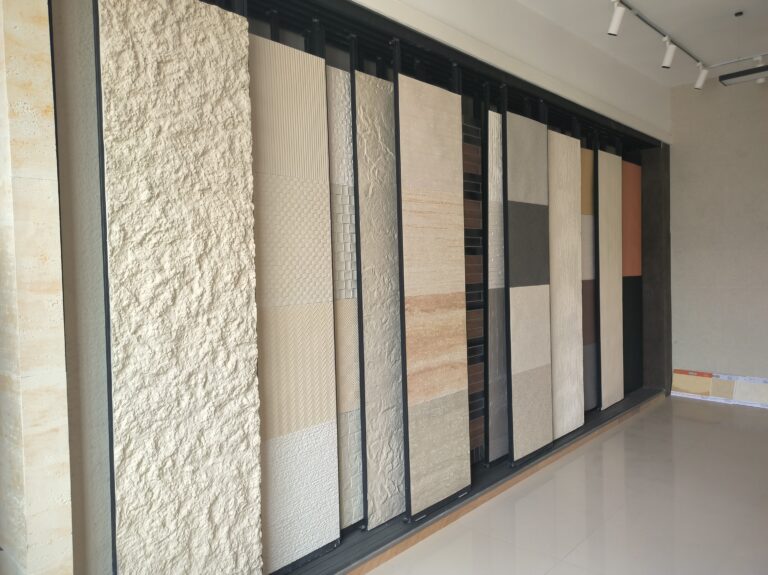
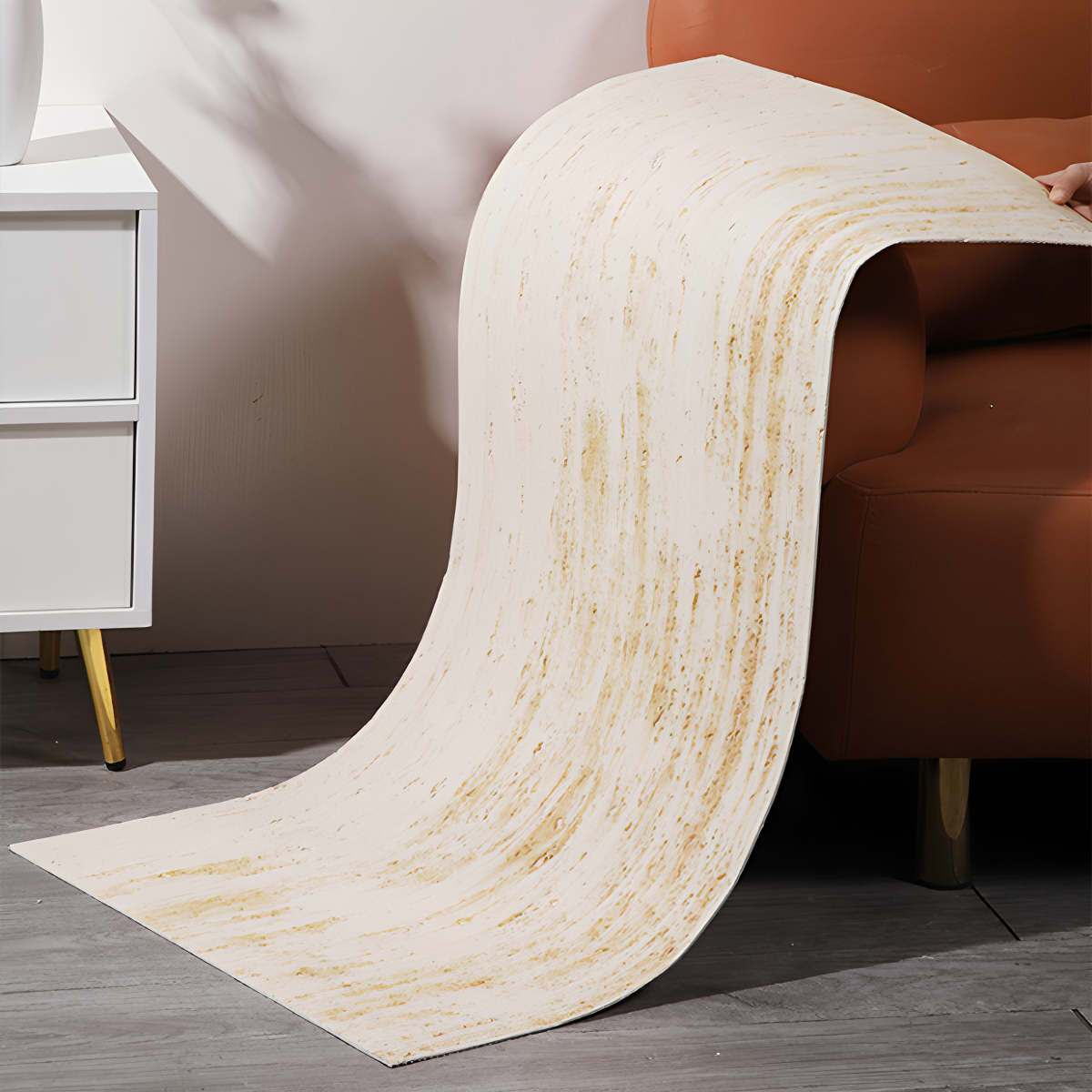
لم يعد المعدن يُعتبر حصراً للمواضيع الصناعية أو \“الباردة\”. إذ تُنشئ الدرجات الدافئة مثل النحاس والبرونز والذهب أجواءً مريحة في المساحات التجارية الفاخرة والسكنية على حد سواء. ويعكس هذا التحوّل طلباً متزايداً على المواد القابلة للتكيّف. وتُجسّد منتجات JMS Decor ألواح حجرية مرنة هذا الاتجاه بتوفير تشطيبات تحاكي بشكل مقنع مظهر المعدن أو الخشب أو حتى الجلد، مما يمنح المصممين نظاماً واحداً يلبي متطلبات جمالية متنوعة.
دور التشطيب والدرجات اللونية
أصبح تشطيب المادة ولونها أكثر أهمية من المادة الأساسية نفسها في تحديد طابع المبنى. حيث تميل التفضيلات التصميمية الحالية بوضوح نحو التشطيبات المعدنية غير اللامعة (المطفيّة) والدرجات المحايدة الدافئة، مبتعدة عن المظهر عالي اللمعان والصارم الذي هيمن في السنوات السابقة. ويهدف المصممون إلى تحقيق بيئة متماسكة بصرياً توازن بين المتانة طويلة الأمد والمظهر الأنيق والبسيط.
الحجر المرن: سدّ الفجوة الجمالية
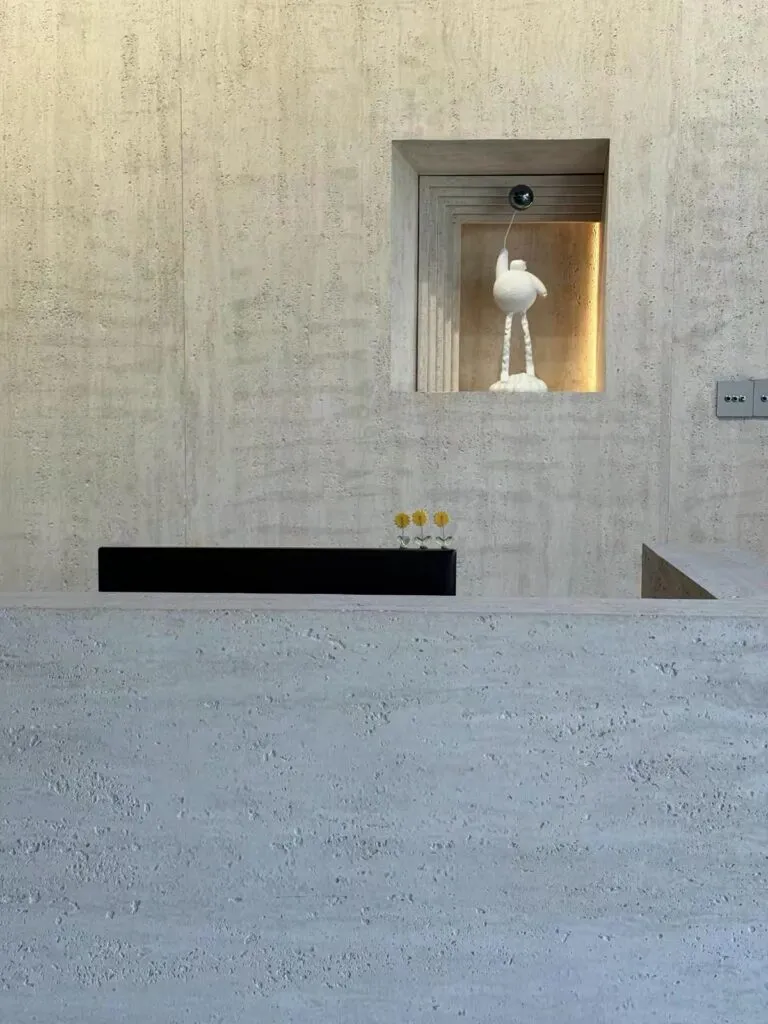
يجيب حجر JMS Decor المرن مباشرة على هذا التحوّل السوقي من خلال دمجه بين شخصية الحجر المُدرَكة ومرونة التشطيبات البصرية لغيره من المواد. وبفضل تقنية الطباعة ثلاثية الأبعاد المتقدمة للسطح، يمكن لهذه الألواح أن تعيد إنتاج المظهر الدقيق للمعادن الباردة مثل الفولاذ المقاوم للصدأ أو المعادن الدافئة مثل البرونز، مع الاحتفاظ بالملمس الفعلي والمزايا العملية للحجر. وهذا يتيح للمصممين تحقيق مظهر معدني محدد دون التعرّض لتعقيدات التركيب أو مشكلات الصيانة النموذجية المرتبطة بألواح المعدن الفعلية.
مقاومة الانبعاج: البرد والأمطار الصيفية
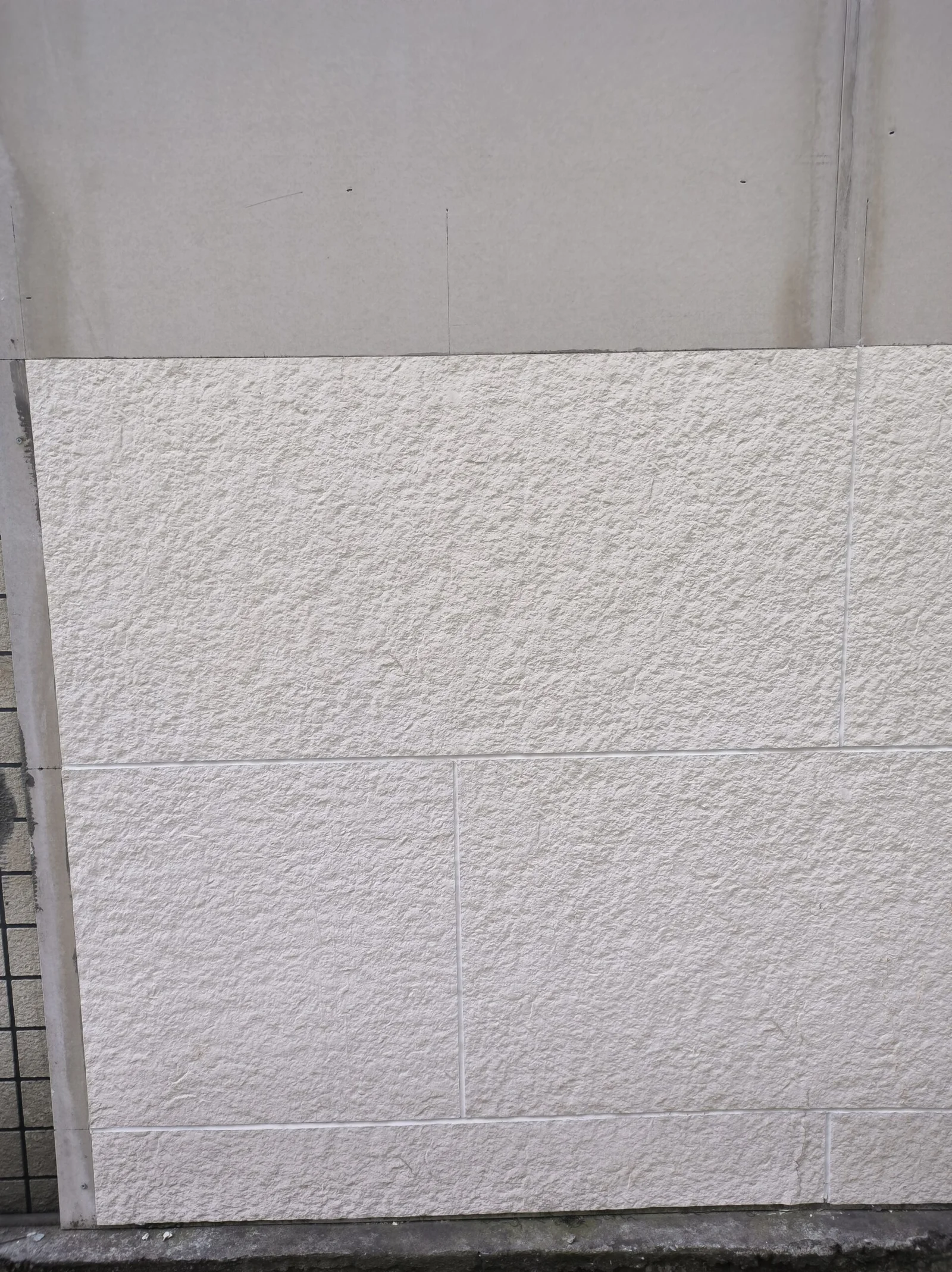
تتمتع البنية المركبة للحجر المرن بمقاومة فطرية للنتوءات والخدوش الناتجة عن الأمطار الصيفية والصدمات، وهي أنواع التلف التي تلحق ضرراً دائماً بالألواح المعدنية الرقيقة.
تركيبة المواد وقدرة الامتصاص الصدمي
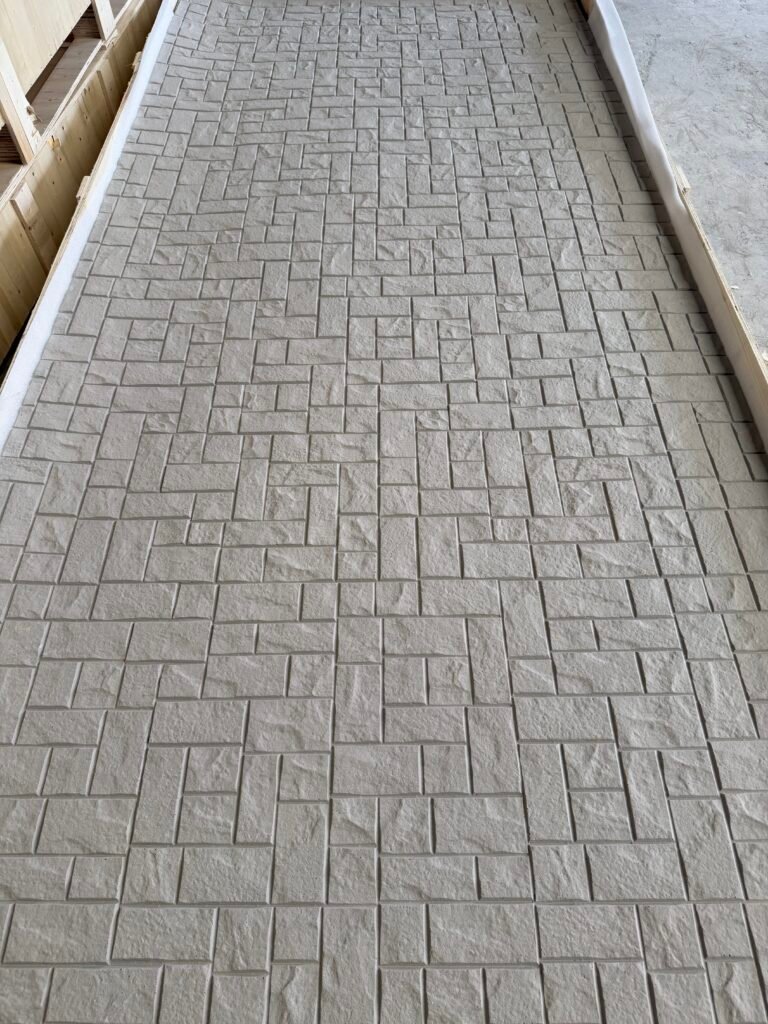
صُنعت ألواح الحجر المرن من JMS Decor لتكون ذات مقاومة فائقة للصدمات. تجمع بين غلاف خارجي صلب واقي من الحجر الطبيعي (بسمك يتراوح عادةً بين 3-5 مم) ودعامة مرنة من التركيب الزجاجي. يمتص هذا الهيكل ويوزع قوة الصواعق أو تأثيرات موقع العمل بفعالية. وعلى عكس ألواح الألمنيوم المركبة الرقيقة التي تتشوه وت تصدع بسهولة، تساعد البنية المركبة للوحنا على الحفاظ على شكله الأصلي. تؤكد الاختبارات الداخلية أن الألواح تتحمل قوى كبيرة دون تشقق أو تصدع شائع في البدائل المعدنية، مما يجعلها خياراً موثوقاً به للمناطق المعرضة للصواعق أو المناطق التجارية كثيفة المرور.
الأداء في ظروف الطقس القاسية
حازت ألواح الحجر المرن لدينا على شهادات تثبت قدرتها على الحفاظ على السلامة الإنشائية أثناء الأحداث الجوية الشديدة. لقد اجتازت اختبارات دورات التجميد والذوبان الصارمة، مما يثبت مرونتها حتى درجات حرارة -40°م دون تقشير أو تضرر. السطح المختوم بشكل صحيح غير مسامي، مما يمنع تسرب المياه الذي يسبب ضعف الهيكل damages خلال التجمد. وتُظهر محاكيات الصدمات باستمرار أن الألواح تتفوق على العديد من مواد التغليف التقليدية في منع الأضرار المرئية الناتجة عن عواصف البرد.
إمكانية الإصلاح والقيمة طويلة الأمد
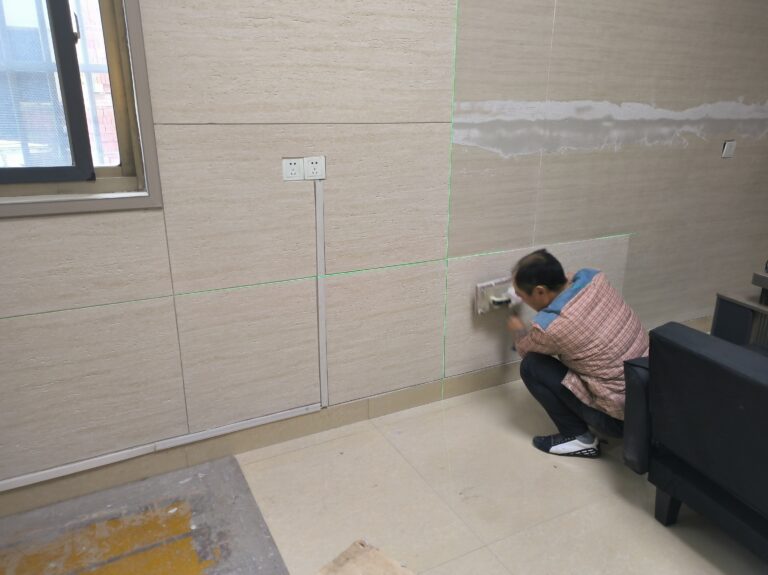
إذا تعرض اللوح لتلف يتجاوز حد مقاومته العالية، فإن الإصلاحات بسيطة وفعالة من حيث التكلفة. يتيح التصميم المعياري الاستبدال المستهدف للوح متضرر واحد دون الإخلال بالتركيب المحيط. يتجنب هذا النهج التكلفة العالية وتعقيد مصادر واستبدال أقسام كبيرة ومتصلة من الصناديق المعدنية. يساهم المزيج بين المتانة العالية وعمليات الإصلاح البسيطة في خفض إجمالي تكلفة الملكية على مدار عمر المبنى.
تكلفة استبدال الألواح التالفة
يُعد التصميم المعياري لأنظمة ألواح الألمنيوم المركبة ميزتها الأساسية في الصيانة طويلة الأمد، حيث يتيح الاستبدال المستهدف والم economical للألواح الفردية بدلاً من التجديدات الكاملة للواجهة.
تصميم معياري لاستبدال فعال من حيث التكلفة
يتيح الهيكل الأساسي لأنظمة ألواح الألومنيوم复合 (ACP) استبدال الألواح المتضررة فردياً دون الإخلال بالوحدات المجاورة. يُعد هذا النهج المستهدف عاملاً كبيراً في التحكم بتكاليف دورة الحياة. فعند حدوث تلف نتيجة للصدمات أو العوامل الجوية، يمكن لفرق الصيانة عزل اللوحة المتضررة واستبدالها فقط، مما يقلل بشكل كبير من هدر المواد وتكاليف العمالة مقارنة بأنظمة الواجهات الصلبة التي قد تتطلب إصلاح الواجهة بأكملها للتلف الموضعي.
مجموعات الإصلاح والألواح جاهزة التركيب
يوفر السوق حلين رئيسيين للتحكم بالأضرار. بالنسبة للمشاكل البسيطة مثل الخدوش السطحية أو الكشط، توفر مجموعات التصحيح المتخصصة طريقة بسيطة ومنخفضة التكلفة لاستعادة مظهر اللوحة وإطالة عمرها الافتراضي. بالنسبة للأضرار الأكبر التي تهدد سلامة اللوحة، تتوفر ألواح الاستبدال الجاهزة مسبقاً من قبل الشركات المصنعة. تصل هذه الألواح إلى موقع العمل جاهزة للتركيب، مما يقلل من وقت تعطيل العمل و يسرع عملية الإصلاح بأكملها.
القدرة على التنبؤ من المكونات الموحدة
تزداد اتجاهات الصناعة نحو أنظمة تثبيت موحدة وقطع قابلة للتبادل بين مختلف المصنعين. يجعل هذا التحول الصيانة طويلة الأمد أكثر قابلية للتنبؤ وإدارة لأصحاب المباني ومديري المرافق. ومع قطع غيار موحدة، يصبح العثور على بدائل أمراً أبسط وأقل اعتماداً على مورد واحد. يجعل هذا الاتجاه المتزايد من القدرة على التنبؤ من الألواح composite الألمنيوم خياراً مرناً وذو أساس استراتيجي سليم لتخطيط صيانة الواجهات على المدى الطويل، حيث يساعد في استقرار ميزانيات الإصلاح المستقبلية.
الخاتمة
امتد الاختيار بين ألواح الألمنيوم المركبة (ACP) والواجهات الحجرية الخفيفة الوزن ليشمل الآن ما هو أبعد من تكاليف المواد الأولية، مدفوعاً بمعايير السلامة المحدثة وواقع تأمين المباني. يوفر الحجر المرن بديلاً غير قابل للاشتعال من الفئة A2 يعالج مخاطر الحريق ويقلل الحمل الإنشائي ويقدم مقاومة فائقة للدهس والصدمات. تؤثر هذه العوامل بشكل مباشر على النفقات التشغيلية طويلة الأجل، من أقساط التأمين إلى استبدال الألواح، مما يوضح صورة واضحة لتكلفة الملكية الإجمالية.
لتقييم كيف يمكن لواجهة خفيفة الوزن وغير قابلة للاشتعال أن تلبي متطلبات مشروعك المحددة، يمكن لفريقنا توفير نماذج من البيانات الفنية والعينات المادية للتقييم.
الأسئلة المتداولة
تكلفة تركيب ألواح ACP للمتر المربع؟
تتراوح تكلفة تركيب ألواح الألمنيوم المركبة (ACP) عادةً من $150 إلى $350 للمتر المربع، بما في ذلك التركيب الكامل. يتأثر السعر بمادة القلب الخاصة باللوح، حيث تكون قلوب البولي إيثيلين (PE) القياسية في الجانب الأدنى من النطاق. تميل أسعار قلوب مثبطات اللهب (FR)، والتي أصبحت المعيار الصناعي للامتثال، إلى الارتفاع. تعتمد التكلفة النهائية أيضاً على تعقيد المشروع، وجودة التشطيب، وارتفاع المبنى.
بديل معتمد لمقاومة الحريق للوحات ألومنيوم مركبة؟
تشمل البدائل الممتازة المعتمدة لمقاومة الحريق والصالحة للاستبدال بالوحدات المركبة القابلة للاشتعال، الألواح الألمنيوم الصلبة (بسمك 3 مليمتر عادةً)، ألواح الإسمنت الليفي، والرقائق عالية الضغط (HPL). وتفضل شركات التأمين وأكواد البناء بشدة أنظمة العزل المواجهي المصنوعة من مواد غير قابلة للاشتعال ومعتمدة، مثل نوى الصوف المعدني أو الألياف الزجاجية. وتشمل الخيارات الأخرى عالية الأداء بلاطات الطين المحروق والألواح الإسمنتية المسبقة الصب، والتي توفر مقاومة فائقة للحريق ومتانة عالية.
ما هي مشاكل ألواح الألومنيوم المركبة (ACP)؟
تتمثل المشكلة الرئيسية لبعض أنواع ألواح الألومنيوم المركبة في خطر الحريق المرتفع لديها، وتحديداً تلك التي تحتوي على نواة من البولي إيثيلين (PE) بنوع 100%. وقد أدى هذا الخطر الحرج إلى عواقب وخيمة، بما في ذلك تحديات واسعة النطاق في إمكانية الحصول على تأمين، وارتفاع صاروخي في أقساط التأمين للمباني المزودة بهذا النوع من العزل المواجهي، ونقص التغطية لتعويض الأخطاء المهنية للمرخصين بالتركيب. وبجانب مشكلة سلامة الحريق البالغة الأهمية، تشمل المشكلات المحتملة الأخرى انفصال طبقات اللوح عن بعضها، وتشوه السطح المعروف باسم ‘تأثير العلبة الزيتية’،以及 susceptibility للخدش أو التصدع.
تكلفة العزل المواجهي غير القابل للاشتعال؟
تختلف تكلفة العزل المواجهي غير القابل للاشتعال بشكل كبير بناءً على المادة المختارة. فعلى سبيل المثال، تتراوح تكلفة الألواح الألمنيوم الصلبة (بسمك 3 مليمتر) عادةً بين $300 و$500+ دولار أمريكي لكل متر مربع بعد التركيب. وفي كثير من الأحيان تكون أنظمة الإسمنت الليفي خياراً غير قابل للاشتعال وأكثر كفاءة من حيث التكلفة، حيث تتراوح أسعارها عموماً بين $200 و$400 لكل متر مربع. أما الأنظمة المميزة مثل الطين المحروق أو الحجر الطبيعي فتقع في الطرف الأعلى من حيث التكلفة، وغالباً ما تبدأ من $450 لتتجاوز $800 لكل متر مربع، وهو ما يعكس تكلفة المادة ووزنها وتعقيد عملية التركيب.
استبدال لوحات الألومنيوم المركبة بالحجر؟
نعم، من الممكن تقنياً استبدال لوحات الألومنيوم المركبة (ACP) بالعزل المواجهي الحجري، لكنه يتطلب جهداً هندسياً ومالياً كبيراً. فالحجر أثقل بكثير من الألواح المركبة، لذا يجب على مهندس إنشائي التحقق أولاً من قدرة الهيكل الحالي للمبنى على تحمل الحمل الإضافي. ونظام الهيكلة الفرعية الأصلي المستخدم للألواح الخفيفة الوزن تقريباً دائماً غير كافٍ للحجر ويتطلب استبداله بالكامل بنظام هندسي متين. وتتضمن هذه العملية تكاليف تصميم وهندسة وتركيب كبيرة، مما يجعلها خياراً متميزاً للتجديد.