تسرد ورقة المواصفات الخاصة بـ الألواح الجدارية فئة مقاومة الحريق، وهذا التصنيف القصير يحدد ما إذا كان المشروع التجاري يجتاز الفحص الهندسي. فالألواح المخصصة للسوق الأمريكية والكندية تحظى عادة بتصنيف ASTM E84 Class A. يُعد هذا المعيار اختبارًا لاشتعال السطح، وكثيرًا ما يطلع المشترين على نتيجته دون أن يدركوا طبيعة ما يقيسه. وتوضح هذه الدليل المعيار بلغة واضحة موجهة لمشغلي المواصفات والموردين ودقء المشاريع.
يُعَد اختبار ASTM E84 مخصصًا لخواص اشتعال السطح وليس لاختبار مقاومة الحريق. يتتبع معدل تقدم اللهب على سطح المادة وكمية الدخان المنبعث أثناء الاحتراق. ويمثل التصنيف Class A أعلى فئة على هذا المقياس، وهو المطلوب وفق الكودات المعمول بها في أمريكا الشمالية للألواح الجدارية.
يصف تصنيف Class A سلوك السطح أثناء نشوب حريق. ولا يعني ذلك أن الحائط سيمنع الحريق نفسه من الانتشار.
ماذا يقيسه اختبار ASTM E84 بدقة

ASTM E84 يُعرف رسميًا بـ "الطريقة القياسية لاختبار خواص اشتعال أسطح مواد البناء". ويطلق عليه في قطاع الصناعة اسم اختبار نفق ستاينر (Steiner tunnel test)، كما يصف الاختبار نفسه كلاً من UL 723 وNFPA 255 تحت مسميات مختلفة.
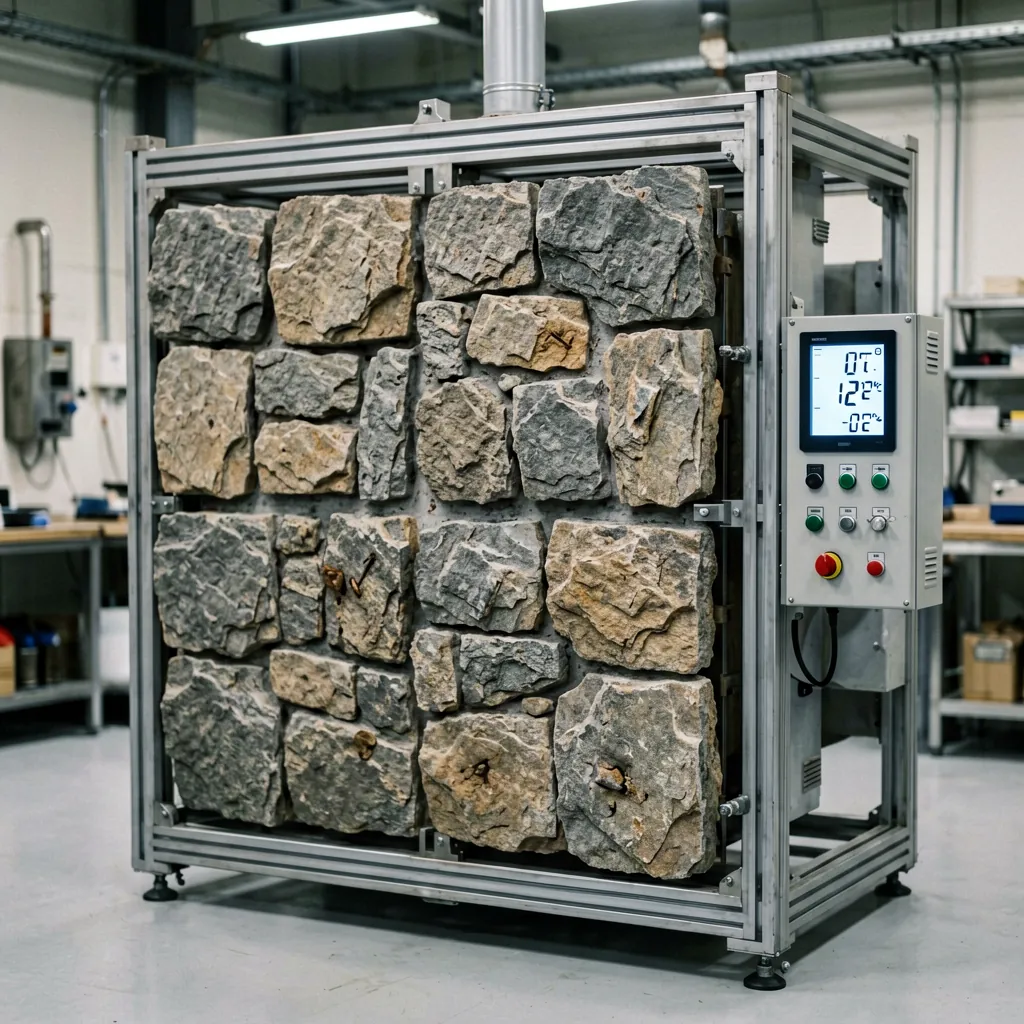
يُثَبَّت عينة بعرض نحو 0.5 متر وطول 7.3 متر أسفل غطاء قابل للفك داخل نفق أفقي. تتعرض واجهة العينة للهب مُتحكَّم به لمدة عشر دقائق بفضل موقدين غازيين عند أحد طرفي النفق، مع سحب الهواء خلاله. وتتتبع الأجهزة موقع جبهة اللهب وكمية الدخان الناتج عنه.
عن نتائج هذا الاختبار يظهر رقمان: مؤشِّر انتشار اللهب (FSI) الذي يسجل مسافة تقدم جبهة اللهب، ومؤشِّر إنتاج الدخان (SDI) الذي يقيس درجة عتامته. ويُقيَّم كلا الرقمين مقابل مادتي مرجع: حيث يُثبَّت قيمة خشب البلوط الأحمر عند 100، وتُثبَّت قيمة لوحة الاسمنت غير العضوية عند 0.
كيف تُحدِّد قيمتا FSI وSDI تصنيفات Class A وB وC
تربط جهة وضع الكودات بين قيمتي المؤشر الثلاث تصنيفات. يُعَد Class A الأشد صرامة، وهو المطلوب في المساحات ذات الازدحام العالي والمباني الشاهقة. ويعرض الجدول التالي مواقع كل فئة.
| الفئة | مؤشر انتشار اللهب (FSI) | مؤشر إنتاج الدخان (SDI) | الاستخدام النموذجي |
|---|---|---|---|
| الفئة أ | 0 إلى 25 | 450 أو أقل | المباني الشاهقة، والمستشفيات، والمدارس، وممرات الخروج |
| الفئة ب | 26 إلى 75 | 450 أو أقل | المساحات الداخلية التجارية والمكتبية العادية |
| الفئة C | 76 إلى 200 | 450 أو أقل | مناطق داخلية ذات احتلال منخفض |
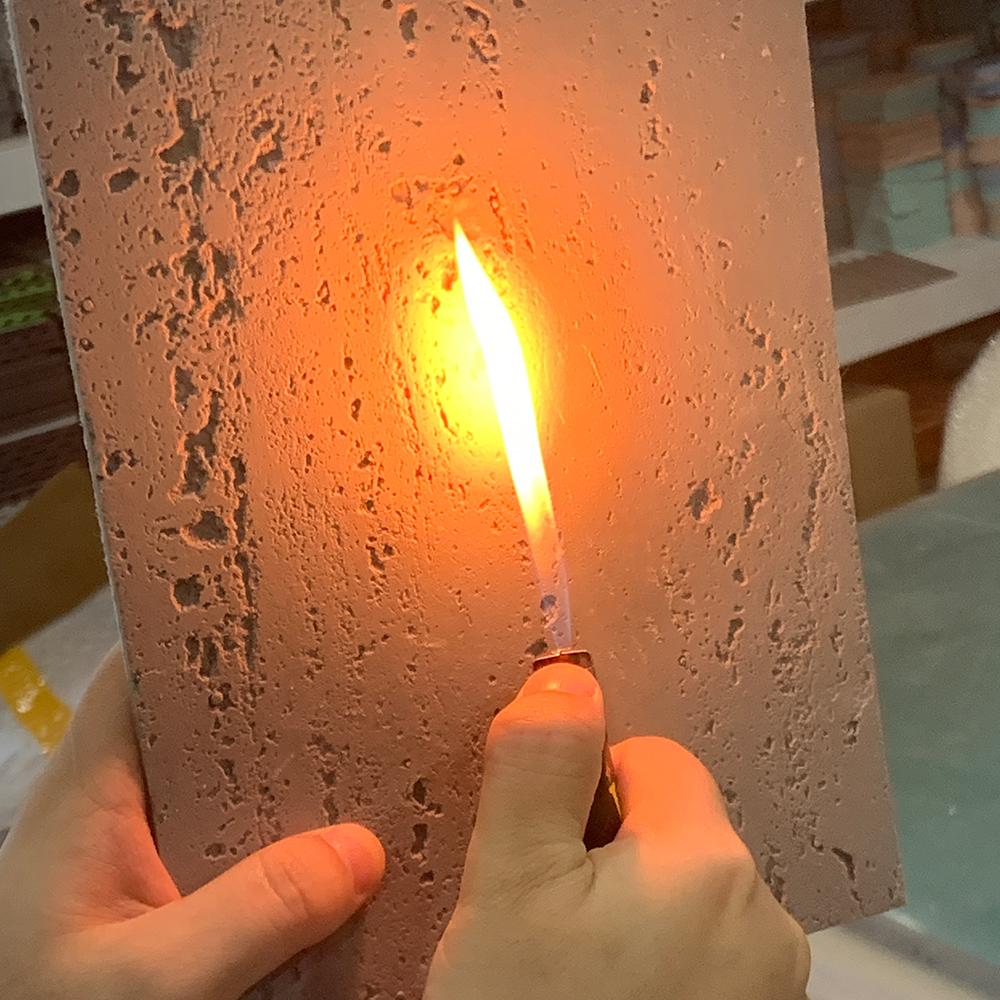
تشير الأرقام الأقل إلى انتشار slower لل لهب وكميات أدنى من الدخان. لا يستوفي المادة التي تتجاوز نتيجتها 200 في انتشار اللهب، أو 450 في الدخان، المعيار لكونه تشطيباً داخلياً مكشوفاً. ويبقى حد الدخان عند 450 عبر جميع الفئات، وبالتالي فإن فرق انتشار اللهب هو المعيار الفاصل بينها.
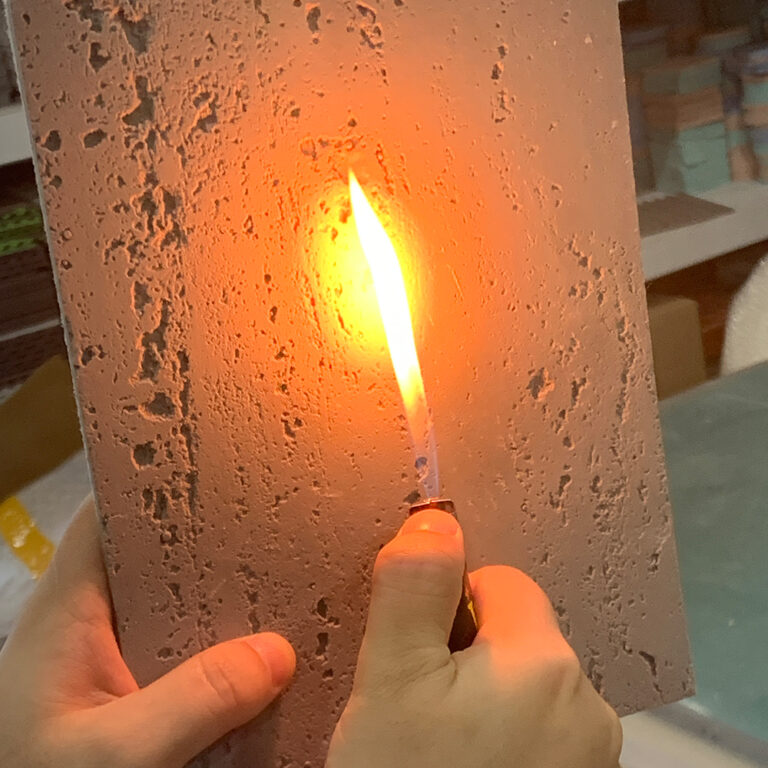
تخضع ألواح الحجر المرن من JMS Decor لاختبار ASTM E84 الفئة A، مع مؤشر انتشار لهب يبلغ 25 أو أقل. وتستند هذه النتيجة إلى سجل اختبار المصنع وتُرفق مع كل طلب.
لماذا تُعد الفئة A أمراً بالغ الأهمية لألواح الجدران
تستند الأنظمة الشمالية الأمريكية إلى هذا الاختبار. تصنف كل من الكود الدولي للبناء (IBC) والكود NFPA 101 (كود سلامة الأرواح) تشطيبات الجدران والأسقف الداخلية بناءً على نتيجة اختبار ASTM E84. وقد يفشل التشطيب التجاري في فحص الاعتماد إذا تعذر عليه إظهار تقرير الفئة A.
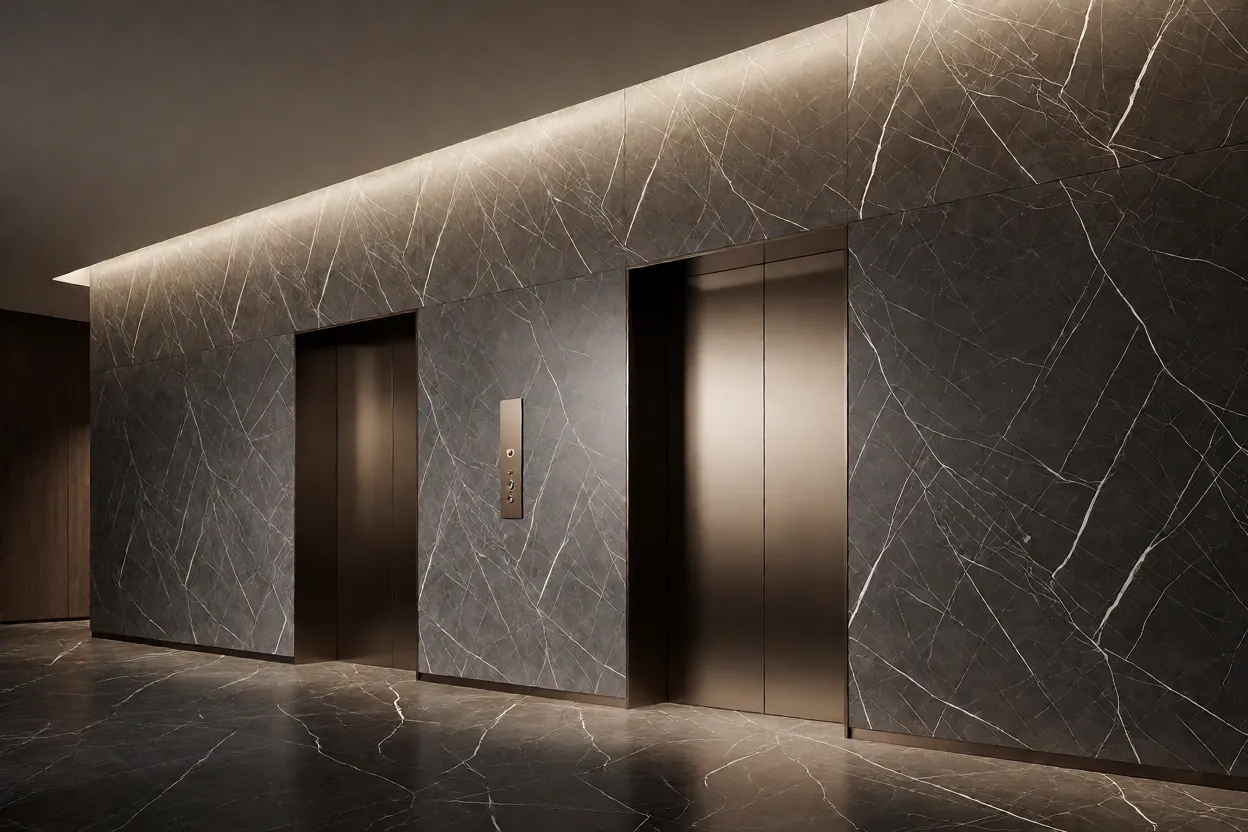
تزداد المتطلبات صرامةً مع тип المبنى. تقع المستشفيات والمدارس والفنادق ومدرجات السلالم وممرات الخروج الطويلة في أعلى درجات التصنيف المشدد. وفي تلك المساحات، يجب أن يحمل لوح الجدار تصنيف الفئة A مُوثقاً، وليس مجرد عبارة مطبوعة في المنشور التعريفي.
كما يدخل هذا التصنيف في مراجعة شركات التأمين والممولين. يсокّل المشتري الذي يستعرض تقرير الاختبار وشهادة التحليل عملية اعتماد المشروع. مزيد من التفاصيل حول هذا الرابط يتوفر في دليلنا حول العزل والحماية من الحرائق وتأمين المباني.
معايير ASTM E84 مقابل EN 13501-1 عبر سوقين
المشروع الذي يُشحن إلى أمريكا الشمالية وأوروبا يحتاج إلى تصنيفين للحريق: يغطي معيار ASTM E84 الولايات المتحدة وكندا، بينما يغطي معيار EN 13501-1 الاتحاد الأوروبي وهو الأساس وراء علامة CE. لا يمكن التحويل بينهما بنسبة واحد إلى واحد؛ لأنهما يقيسان أموراً مختلفة.
يعتمد ASTM E84 على قياس حرق السطح فقط، أما EN 13501-1 فيقيّم تفاعل المادة مع الحريق ككل، بما في ذلك انطلاق الحرارة والدخان وقطرات الاحتراق. يُظهر الجدول أدناه تطابق النظامين.
| النقطة | ASTM E84 | المعيار EN 13501-1 |
|---|---|---|
| المنطقة | الولايات المتحدة وكندا | الاتحاد الأوروبي |
| الطريقة | اختبار سطح نفق ستاينر | اختبارات SBI وعدم القابلية للاشتعال |
| المخرجات | مؤشرات انتشار اللهب والدخان | الفئات الفرعية للصنف مع تصنيف الدخان (s) والقطرات (d) |
| النطاق العلوي | الفئة أ (FSI من 0 إلى 25) | A1 أو A2 |
| يُشار إليه بواسطة | معايير IBC و NFPA 101 | علامة CE ومعايير اليورو |
أقرب نتيجة مطابقة لفئة الأسطح A في النظام الأوروبي هي A2، وهي شريحة محدودية الاشتعال التي تقع مباشرة أدنى من الفئة غير القابلة للاشتعال كلياً A1. تتمتع ألواح الجرانيت المرنة من JMS Decor بدرجة EN 13501-1 Class A2، مع توافر شهادات وتقارير الفحص لدينا. يجب على المشتري في مشروع متعدد الأسواق طلب كلا الوثيقتين.
What ASTM E84 Does Not Tell You
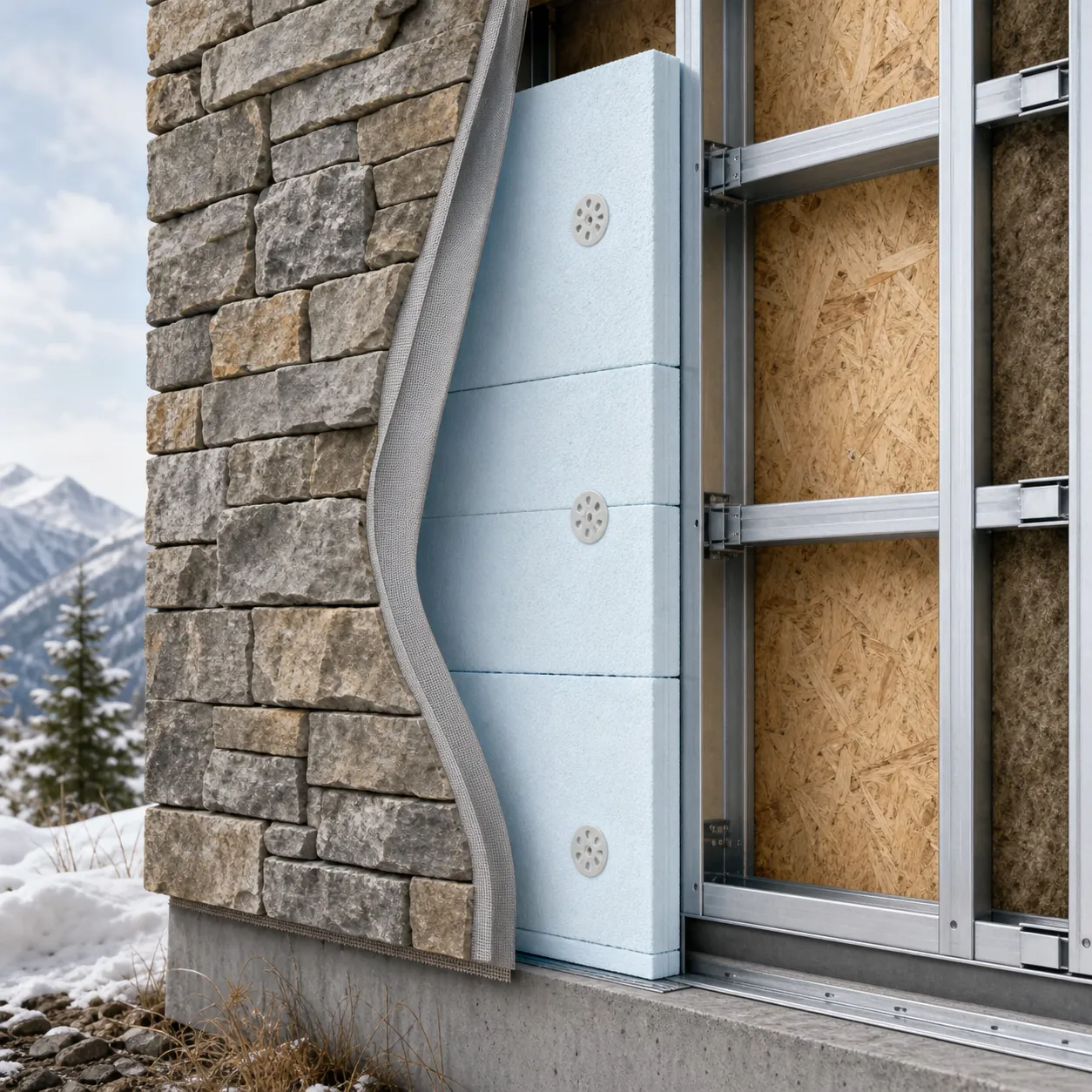
E84 is a surface test, and its limits matter as much as its result. It says nothing about how a finished wall assembly behaves as a whole. Studs, insulation, sheathing and air gaps all shape the fire performance of the system behind the panel.
For exterior walls in the United States, a different test governs. NFPA 285 evaluates how a full exterior wall assembly spreads fire, and it stands apart from the interior finish rating. A panel can hold Class A and still need an NFPA 285 review for a high-rise facade.
E84 also does not measure structural fire resistance, the time a wall holds fire back from one side to the other. That is a fire-resistance rating, tested by a different standard. Reading a Class A label as a fire-resistance rating is a common and costly error. For the basics of a stone face under flame, see fire-resistant soft stone panels.
How JMS Decor Flexible Stone Is Tested

The flexible stone range carries both classifications a global project asks for. The panels are tested to ASTM E84 Class A for the North American market and to EN 13501-1 A2 for Europe. Production runs under ISO 9001 quality management.
Every shipment is supported by documents rather than claims. The order travels with a certificate of analysis covering material composition, fire test data and water permeability. It ships with copies of the ASTM E84 report, the EN 13501-1 test report and the CE certificate, plus a first article inspection sample. The base behind these figures sits on our ألواح حجرية مرنة الصفحة.
Panels run 2 to 8 mm thick and weigh 1.5 to 6 kg per square meter, and the production defect rate stays below 1 percent. The factory holds these figures across the range, so a specifier can fold the fire data into the same submittal package as the weight and format numbers.
A panel that meets Class A without the mass of stone
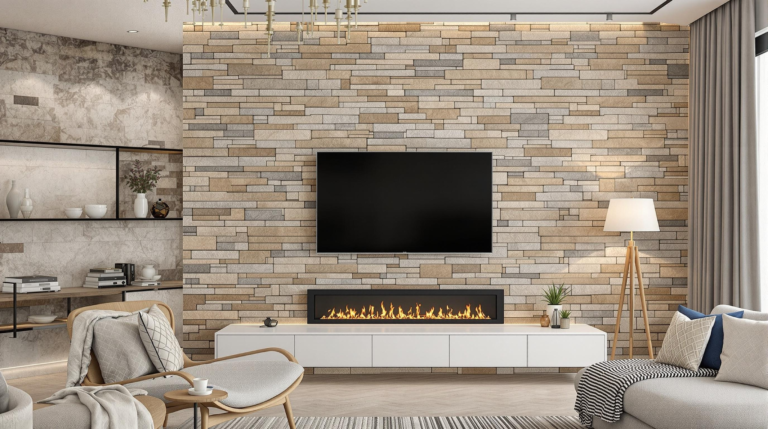
A thin stone face over a fibreglass-reinforced core keeps the weight down while still clearing the surface burning test. That balance matters on retrofit walls, where a heavier panel adds load the structure may not want. Browse the full range on our قشرة حجرية مرنة page, built by the flexible stone wall panel manufacturer behind these figures.
What to Ask Your Supplier About Fire Rating
A fire class is only as good as the paperwork behind it. When you compare flexible stone suppliers, ask for the report itself and read the index values on it. More guidance sits under fire and climate compliance.
Questions to put in writing
Ask which flame spread and smoke figures the report shows, which test method and edition the lab used, and whether the report covers the exact thickness you plan to buy. Fire performance can shift with thickness and pattern, so a report for a thin sheet may not cover a thick one.
Documents to collect before a spec is locked
Request the E84 report, the EN 13501-1 certificate for European work, and the certificate of analysis that ships with the goods. Confirm the supplier can resend originals with each order. A supplier who cannot produce them on request is a risk on any project that faces an inspection.
Frequently Asked Questions on ASTM E84 Class A
What is ASTM E84 Class A?
ASTM E84 Class A is the highest surface burning class in the Steiner tunnel test. A material earns it with a flame spread index of 0 to 25 and a smoke developed index of 450 or less. The figure follows the method used by US and Canadian codes.
Is ASTM E84 a fire-resistance test?
No. ASTM E84 measures surface burning only, the flame spread and smoke a material’s face produces. It is not a fire-resistance rating, which measures how long a wall blocks fire from passing through.
Do flexible stone wall panels meet ASTM E84 Class A?
Yes. JMS Decor flexible stone panels are tested to ASTM E84 Class A with a flame spread index at or below 25. The range also holds EN 13501-1 Class A2 for European projects.
What is the difference between Class A and Class B?
Class A caps the flame spread index at 25, while Class B runs from 26 to 75. Both keep the smoke developed index at 450 or less, so flame spread is the figure that separates them.
Which documents prove a wall panel’s fire rating?
Ask for the ASTM E84 test report showing the index values, the EN 13501-1 certificate for European work, and the certificate of analysis that ships with each order. What that EN 13501-1 certificate records is explained in our guide to EN 13501-1 Class A2.