Renovate الفندق بالحجر المرن هو المعيار الأول الذي يجب أن تثبته قبل الموافقة على المورّد أو الميزانية أو خطة الإنتاج. سقطت طلبيةً لجدار ميزاتٍ من الحجر الجيري (Travertine) بحجم $50,000 لفندقٍ يضم 140 غرفة عند اللحامات—حرفياً. كانت عيّنة ما قبل الإنتاج بسمكٍ ضيق 3 ملم، واعتمدت ورقة المواصفات، وتمتُّ مفاوضة الأسعار FOB سنتاً بسنت. بعد ستّ أسابيع، تراوحت دفعة الإنتاج المثبتة بين 2.2 ملم و4.1 ملم. أضاع الطاقم ثلاثة أيامٍ في حشو كل فجوة، وتجاوز المشروع وقت الهدوء.
لم تفشل هذه الدفعة بسبب حجرٍ رديء. بل فشلت لأن أحداً لم يوضّح هامش التسامح الفعلي في الجودة بين العيّنة والإنتاج الكامل. هذا الفجوة هي الرقم الذي أطارده في كل تدقيقٍ للمورّد. بالنسبة Renovate الفندق بالحجر المرن، إنها الفرق بين تجديد طابقٍ في ستّ ليالٍ دون شكوى ضيفٍ واحدة، أو حرق نصف هوامش رأس المال CAPEX بسبب جدولٍ انهار.
يغلق ألواح الحجر المرن من JMS Decor تلك الفجوة عند القالب. عملية الضغط بالقالب تثبت تباين السمك تحت 0.5 ملم عبر حاويةٍ كاملة—not just the sample card. عملياً، هذا يعني أن غرفة ضيوفٍ بمساحة 25 متراً مربعاً تُغطّى بالكامل في ثماني ساعات، بصمت، بدون غبار ودون روائح كيميائية. بالنسبة لمدير أصل فندقي يعتمد على الدخل لكل غرفة متاحة, ، هذه الساعات الثماني هي كامل ميزانية Renovate، لأنك لا تخسر ليلة دخلٍ واحدة في طابقٍ مغلق. قبل أن توافق على أي عازل جداري Renovate فندقٍ يعمل، اطرح هذه الأسئلة الثلاثة على مورّدك.
أولاً: هل يمكن للمصنّع ضمان تسامح سمك ±0.3 ملم عبر كل ورقة في الطلب، ودعم ذلك بتقرير فحص ما قبل الشحن؟ ثانياً: هل يحمل اللوح تصنيف حريق ASTM E84 Class A ويوثّق انعدام انبعاثات VOC الصفرية ليُعاد إشغال الغرف في نفس يوم التركيب؟ ثالثاً: هل يرسل المورّد عيّنة إنتاج 20×20 سم من الدفعة الفعلية قبل مغادرة الحاوية، لتتحقّق من تطابق النسيج واللون مع مواصفاتك المعتمدة؟ إذا كان أيٌّ من الأجوبة “لا”، فامشِ away. التكلفة الحقيقية لـ Renovate الفندق بالحجر المرن ليست سعر المتر المربع—it’s the nights you don’t have to sell.
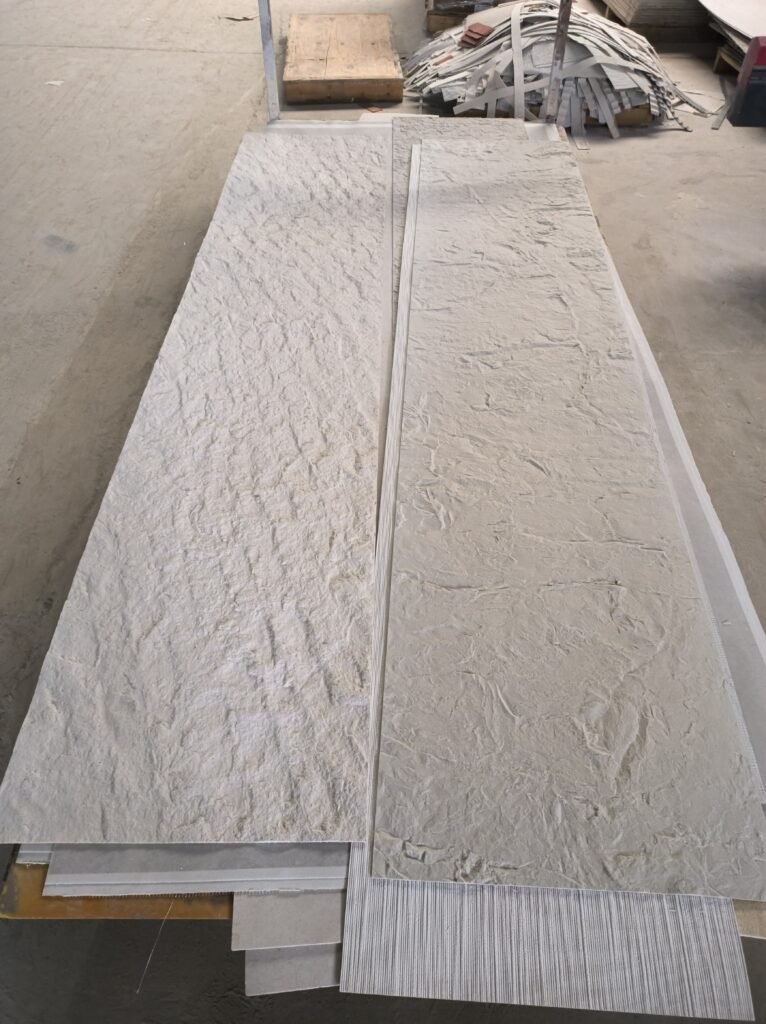
التحدي: Renovate دون إغلاق
تبدأ معظم خطط Renovate بـ ‘أغلق الطابق’.
يعرف كل مدير أصل فندقي السيناريو القياسي: اغلق 20 غرفة، أعِد النزلاء، تقبّل خسارة RevPAR لمدة 3 أسابيع، وتأمّل ألا تُدمّر شكاوى الضجيج تصنيفك على TripAdvisor. هذا هو مسار أقل مقاومة—and it’s the single most expensive lie in hospitality CAPEX planning. عندما اقترب مجموعة فنادقٍ في منطقة الخليج منا لتجديد ممرّاتها وغرفها المغطاة بالحجري الجيري، كان التوجيه أصعب: صفر إغلاق غرف، صفر نقل نزلاء، وwindow 14 يوماً لكل طابق.
- حماية الإيرادات: كل غرفة تُغلق عن الخدمة تُكبد المنشأة $150–$400 ليلاً من الإيرادات المفقودة، ناهيك عن تعويضات النزلاء. في عقار يضم 120 غرفة، يؤدي فقدان 20 مفتاحاً على مدار 21 يوماً إلى خسارة تتجاوز $500,000.
- تجربة النزلاء غير قابلة للتفاوض: مثاقب الطرق، وخلط الملاط الرطب، وروائح المواد اللاصقة الكيميائية — كلها عوامل تجعل العميل يرفض الفكرة فوراً. ولا يكفي أن يكون هناك شكوى واحدة بشأن ضجيج التجديدات؛ فقد تُفرض على الفندق جولات مجانية كعوض، كما قد تلحق الضرر بسمعته لعدة أرباع.
- الامتثال لمعايير السلامة من الحرائق: يجب أن يستوفي أي مادة تُستخدم على الأسطح الداخلية لغرف النوم المشغولة معيار ASTM E84 الفئة A أو ما يعادله. وفعّالي هندسة الفنادق سيرفضون أي منتج دون هذا الحد دون أي مرونة.
تواجه مواد التبليط بالحجر التقليدي فشلاً ذريعاً في تجيبها على المعايير الثلاثة معاً: فهي تتطلب أعمالاً رطبة، وتُنتج غباراً كثيفاً، ويتطلب تركيب الألواح الثقيلة طرقاً مستمراً. وحتى البدائل ‘خفيفة الوزن’ مثل ألواح البورسلين كبيرة المقاس تحتاج إلى أعمال صقل وتقطيع لا يمكن كتم ضجيجها. واقتُصر الجدول الزمني للمشروع أكثر لأن المنشأة لم تسمح بأي عمل إنشائي بعد الساعة 10:00 صباحاً، ما حوّل العمليات كلها إلى عمل ليلي متواصل، حيث يعني أي ارتفاع طفيف في مستوى الضجيج إيقاف العمل فوراً.
قلبت ألواح الحجر المرن كل الحسابات. فبوزن يتراوح بين 3 و6 كغ لكل متر مربع، كان بإمكان عامل واحد حمل ما يكفي من المادة لتغطية غرفة ضيوف كاملة في رحلة واحدة دون حاجة إلى رافعات آلية. ويمكن قص الألواح بسكينة ورققية — بدون أداة قطع زوايا، ودون الحاجة إلى أجهزة شفط الغبار. وقد تأكدنا من أن غرفة تبلغ مساحتها 25 متراً مربعاً غُطيت بالكامل خلال 8 ساعات على يد فريقي عمل يعملان بعد منتصف الليل، دون تسجيل أي شكاوى ضوضائية من مكتب الاستقبال. وهذا ليس تسويقاً؛ بل هو بيانات دفتر موقع العمل لدى مشرف المشروع نفسه.
لائحة الاعتماد الخاص بمقاومة الحريق (ASTM E84 الفئة A) وتقارير انبعاثات المركبات العضوية المتطايرة الصفرية وفرت موافقة علامات الفندقة على بروتوكولات السلامة وجودة الهواء الداخلي بدون أي طلب إعفاء. ومقارنةً بإغلاق طابق كامل لمدة شهر، كانت الأرقام تتحدث عن نفسها: فقد كانوا سيفقدون أكثر من $180,000 في الإيرادات عن كل طابق، بينما بلغت تكلفة تركيب الحجر المرن أقل بمقدار 30% في أجور العمالة، ولم تحتاج إلى ميزانية إعادة توطين النزلاء مطلقاً. والإجابة الوحيدة الخاطئة هي ما تزال توصي به كل المقالات الأخرى.
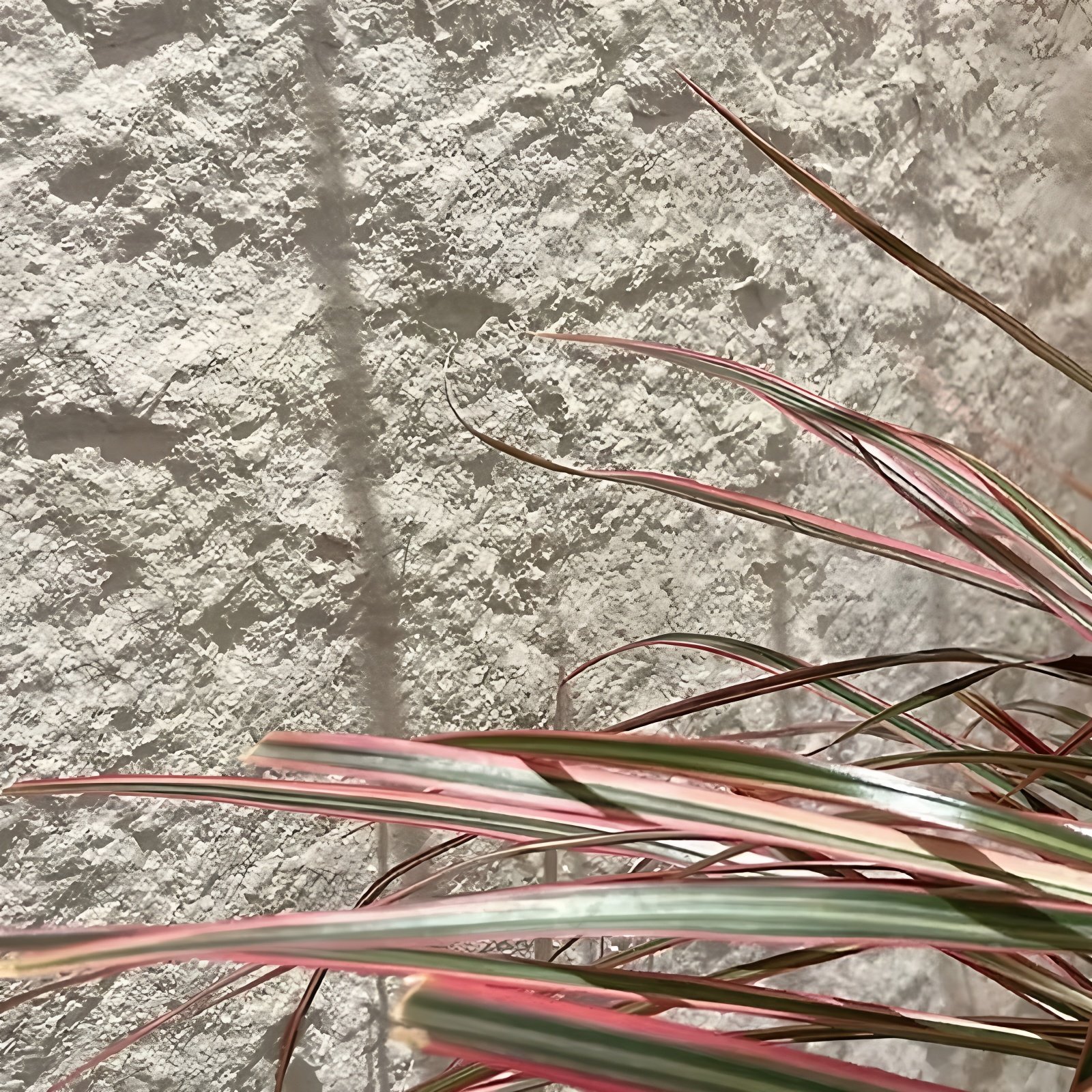
لماذا تم اختيار الحجر المرن
إقفال الطوابق أثناء التجديد ليس إجراءً محافظًا — بل هو البند الأكثر تكلفة في قائمة الأرباح والخسائر لأي فندق.
تبدأ كل مقال آخر حول تجديد الفنادق بنصيحة ‘خطّط بعناية’. هذه النصيحة كلفت مشغلًا في الإمارات العربية المتحدة 50,000 دولار عندما اجتازت عينات الترافرتين قبل الإنتاج الفحص، لكن الدفعات الإنتاجية الضخمة أظهرت انحرافًا في اللون عبر 30 مترًا مربعًا من الألواح. وتختبئ المورّدة خلف بند غامض حول ‘التفاوت الطبيعي’. السؤال الحقيقي ليس ما إذا يبدو الحجر المرن جميلًا في كتاب العينات — بل ما إذا كانت كل لوحة من الحاوية الأولى إلى الخامسة مطابقة لما وافقت عليه. وهنا يفرّق اختيار المادة بين تجديد مدته 14 يومًا وكارثة تمتد لـ 60 يومًا.
العوامل الثلاثة التي جعلت من الحجر المرن الحل الوحيد الممكن لهذا المشروع لم تدور حول الجماليات أولاً. لقد كانت حول اللوجستيات، والامتثال، والجودة القابلة للتكرار عبر دفعات الإنتاج.
يزن لوح الحجر المرن بمقاس 1200×600 ملم 3.5 كجم. قارن ذلك بالترافرتين الطبيعي الذي يزن تقريباً 28-32 كجم لكل متر مربع. في فندق يضم 200 غرفة مع جدران مميزة بمساحة 25 متراً مربعاً لكل غرفة، يكون الفرق بين 1.75 طن متري من المواد وأكثر من 14 طناً. للعقار الواقع على الطابق الخامس عشر في مبنى ذي وصول محدود لرافعة الشحن، يكفي الوزن وحده لاستبعاد أي خيار للتركيب بالحجر. ستحتاج إلى فريق من ثلاثة عمال فقط لنقل الحجر الطبيعي عبر الممرات — بينما تُثبت ألواح الحجر المرن يدوياً، ويعمل عاملان فقط دون حاجة إلى معدات رفع.
ما لن يخبرك به معظم صفحات المواصفات هو أن انعدام الأعمال الرطبة يقضي على وقت المعالجة. لا ألواح إسمنتية خلفية، ولا ملاط خفيف السمك يحتاج إلى 24-48 ساعة قبل الشدّ. يستخدم الحجر المرن لاصقاً معدلاً بالبوليمر يُطبَّق مباشرة على الأسطح المستوية بما في ذلك الجدران الجافة القائمة، أو ألواح الإسمنت، أو حتى البلاط السيراميكي القديم. يمكن تركيب غرفة ضيوف بمساحة 25 متراً مربعاً بالكامل خلال 8 ساعات من البداية إلى النهاية. لا تحتاج إلى معدات استخراج للغبار. ولا انبعاثات كيميائية لأن المنتج يحمل شهادة خالية من المركبات العضوية المتطايرة للاستخدام الداخلي. بالنسبة لفندق يعمل بنسبة إشغال 85 في المئة، يعني ذلك تجديد الغرفة في الطابق الرابع enquanto ينام الضيوف في الطابق الخامس دون أي شكاوى.
تصنيف مقاومة الحريق هو حيث تفشل معظم خيارات الألواح الجدارية الخفيفة الوزن. ألواح البولي فينيل كلورايد تنصهر. الألواح من البولي إيثيلين المعدني المركب تتفحم وتنتج دخانًا. حقق الحجر المرن عند اختباره وفقاً لمعيار ASTM E84 الفئة أ — ومعامل انتشار اللهب أقل من 25، ومعامل الدخان المطور أقل من 450. بالنسبة للواجهات الداخلية للفنادق، هذا ليس خيارًا اختياريًا. إنه الفرق بين اجتياز فحص مهندس الإطفاء ونزع 400 متر مربع من الألواح والضيوف محجوزون للأسبوع القادم.
قصة المتانة تُعرض بشكل أقل مما تستحقه. امتصاص الماء أقل من 0.5 في المئة يعني أن الرطوبة من حمامات الغرف ومنطقة المسبح لا تسبب تقشر الطبقات. طبقة تعزيز شبكة الألياف الزجاجية تمنع انتشار التشققات حتى عندما يهتز الأساس قليلاً — وهو أمر شائع في المباني الأقدم من 10 سنوات. لا حاجة إلى مادة ختم داخلًا، وتحتاج التطبيقات الخارجية إلى طبقة واقية واحدة فقط.
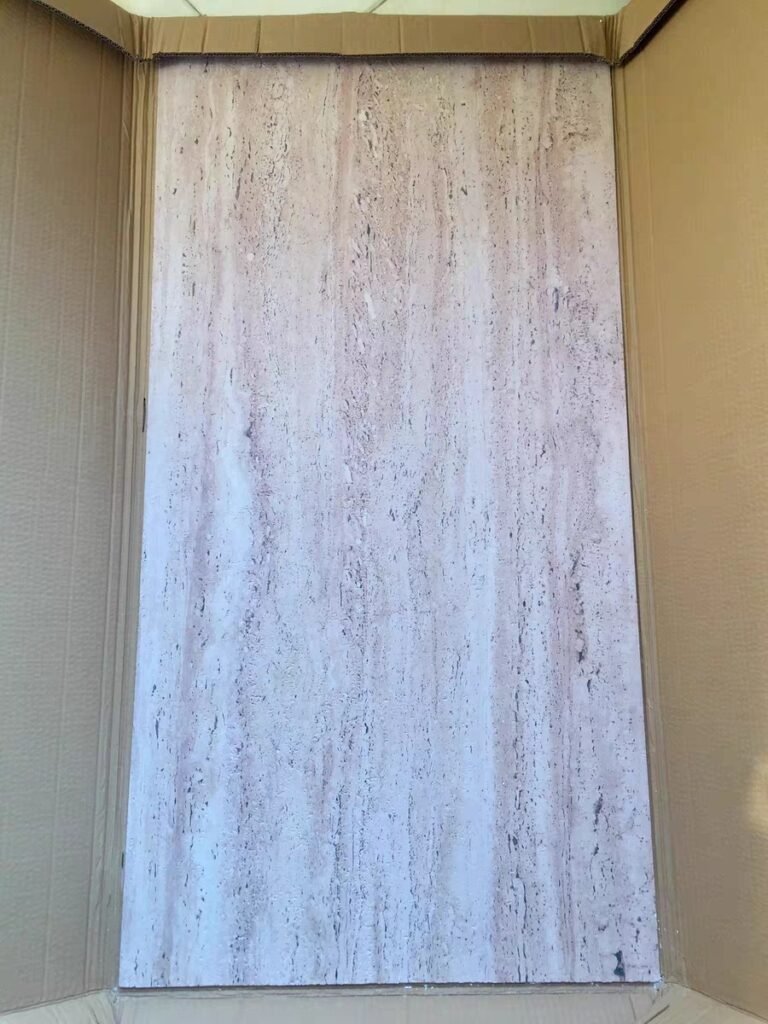
هنا تضيع معظم فرق المشتريات السيطرة على نقاش نمط الترافرتين. يتميز الترافرتين الطبيعي بتعرجات غير متسقة وترقيعات حشو. يحب المورّدون قول ‘هذا جمال الحجر الطبيعي’. وهو أيضاً كيف يتجنبون المساءلة عن عدم التطابق بين دفعات الإنتاج. تستخدم صناعة الحجر المرن القالب بالضغط مع الطباعة النافثة للحبر ثلاثية الأبعاد للنمط السطحي. تأتي كل لوحة من ملف رئيسي موحد. يصل عمق الملمس على أنماط الترافرتين إلى 3-5 ملم، مطابِقًا للشعور اللمسي للترافرتين الطبيعي المصقول، لكن التكرار البصري يبقى ثابتًا. عندما توافق على عينة مقاس 20×20 سم، فإنك توافق على قالب إنتاج — وليس قطعة فنية فريدة.
- بروتوكول اعتماد العينات: اطلب ثلاث عينات من دفعات إنتاج مختلفة، وليس ثلاث قصّات من اللوح نفسه. قارن بينها تحت نفس ظروف الإضاءة التي تستخدمها الفندقية — 3000 كلفن للضوء الدافئ في غرف النزلاء، و4000 كلفن في Lobby.
- بنود تسامح الجودة: اذكر في أمر الشراء أن انحراف اللون (ΔE) عبر دفعة الطلب بالكامل لا يجب أن يتجاوز 2.0 عند القياس بمقياس الطيف اللوني. إذا لم يستطع المورد الالتزام بهذا، فهو لا يملك تحكماً في العملية.
- ميزة التفاوض على أسعار FOB: يقلل الحجر المرن بوزن 3-6 كغ/م² مقابل الحجر الطبيعي بوزن 28+ كغ/م² تكلفة الشحن البحري بنسبة نحو 70% لكل متر مربع. وفي حاوية 20GP محملة بـ3,870 متر مربع من الألواح، يحول هذا الخفض في الوزن بند التكلفةShipping إلى فرصة هامش ربح.
المعيار الذي أعطيه كل مدير مشتريات أقوم بتدريبه: إذا لم تستطع مواصفات واجهتك الخارجية تقديم 25 متراً مربعاً يومياً لفريق من شخصين داخل مبنى مُحتَلّ وبدون بروتوكولات احتواء غبار، فأنت تدفع أكثر من اللازم للأيدي العاملة وتفقد إيرادات من إغلاق الغرف. الحجر المرن هو المادة الوحيدة في هذه الفئة التي تحقق الأرقام الثلاثة في آن واحد — وزن أقل من 6 كغ/م²، تصنيف مقاومة الحريق ASTM E84 Class A، وتداول الغرفة خلال 8 ساعات. اكتب هذه المواصفات الثلاث في طلب عرض الأسعار التالي وشاهد من يستطيع الوفاء بها.
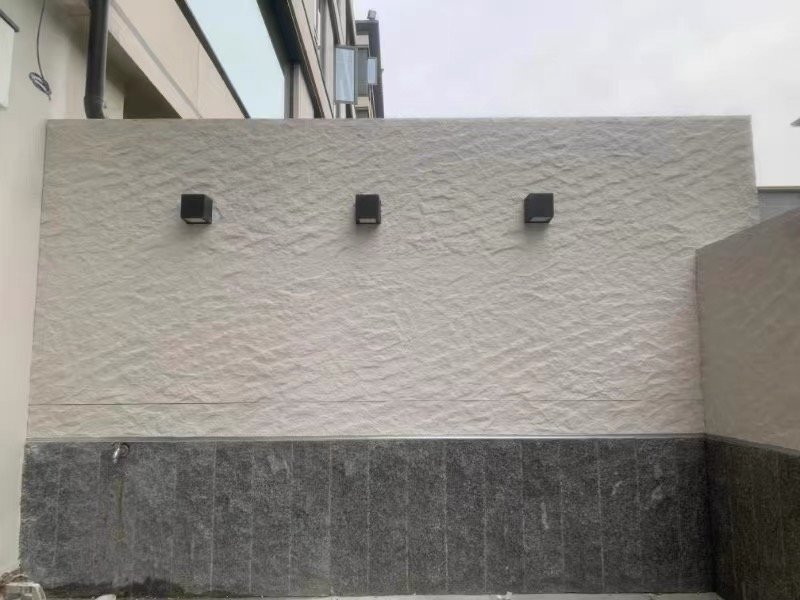
عملية التركيب
فريق واحد، وردية واحدة، بصفر شكاوى نزلاء — هذا هو المقياس الوحيد الذي يهم في فندق مُشغّل.
كان الفندق يشغل 82% من السعة عند بدء التجديد. ما أُغلِق طابق واحد. كانت تعليمات المدير العام قاسية: لا مطارق هدم، ولا روائح كيميائية تتسرب إلى نظام التكييف، وإذا اتصل به ضيف الاستقبال ليتذمر من الضوضاء، يتوقف المشروع بأكمله ليلاً. هذه هي واقع تجديد الفنادق. الأمر لا يتعلق بما يبدو جيداً على ورقة مواصفات — بل بما يمكن تنفيذه في الساعة 11مساءً يوم الثلاثاء دون أن يتحول إلى كارثة على TripAdvisor.
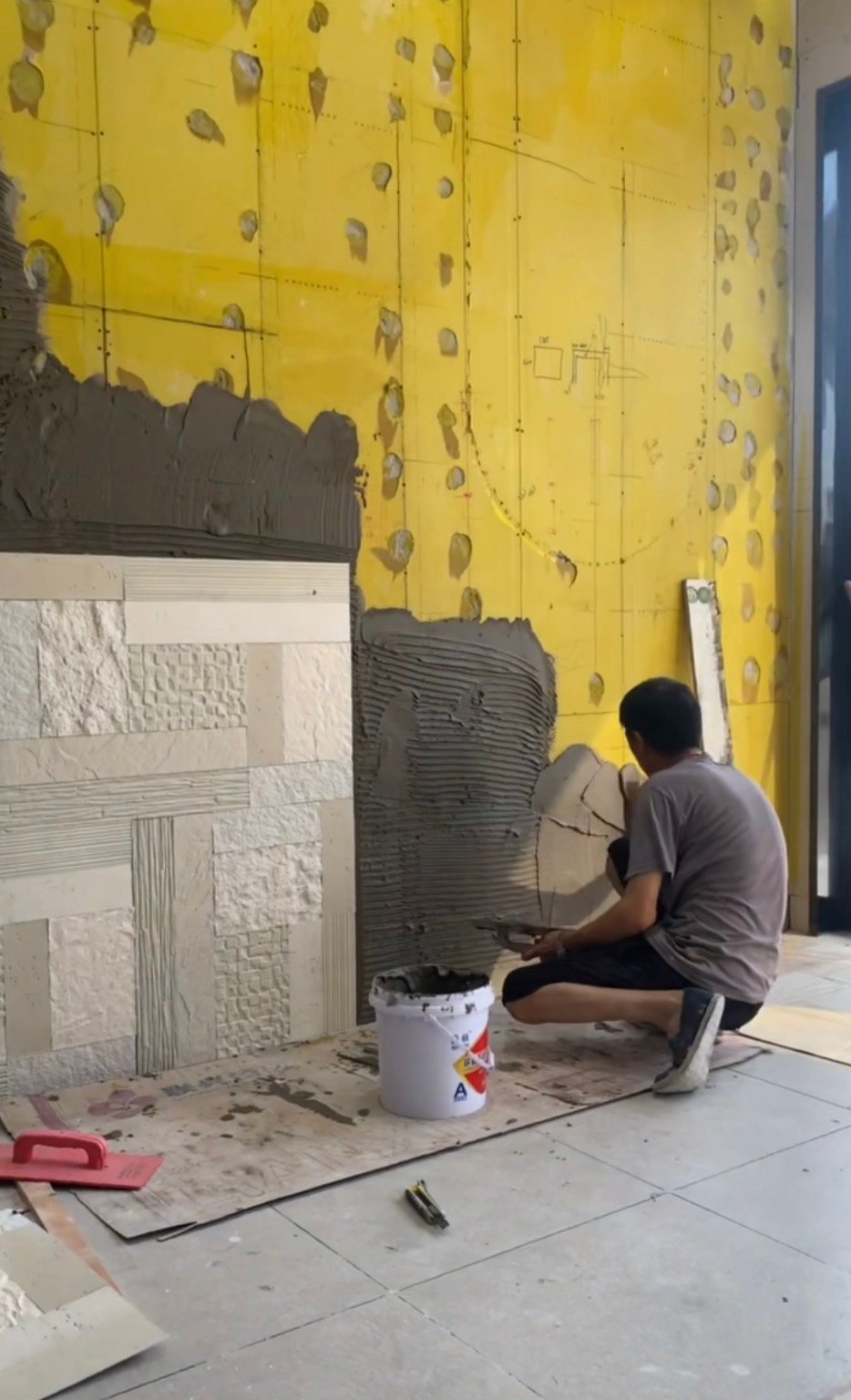
يفشل واجهة الحجر التقليدي هذا الاختبار قبل بدئه. قطع الجرانيت أو الرخام يولد غبار السيلكا الذي يبقى معلقاً لساعات. والعجينة الرطبة تحتاج إلى وقت تصلب. وتحتاج إلى ماء ومحطات خلط وفرق تنظيف. ولا يعمل أيّ من ذلك في طابق نزلاء مشغول. تغير ألواح الحجر المرن هذه المعادلة لأن هنالك حرفاً رطبة على الإطلاق. يزن اللوح القياسي 1200×600 ملم نحو 3.5 كغ. ويمكن لتركيب واحد حمل كومة من 16 لوحة عبر مصعد الخدمة دون需要使用 رافعة مواد. وتُقطع الألواح بسكينةutility وليس بدوّار. لا غبار، ولا لعقة، ولا اهتزازات تنتقل عبر الجدار إلى الغرفة المجاورة.
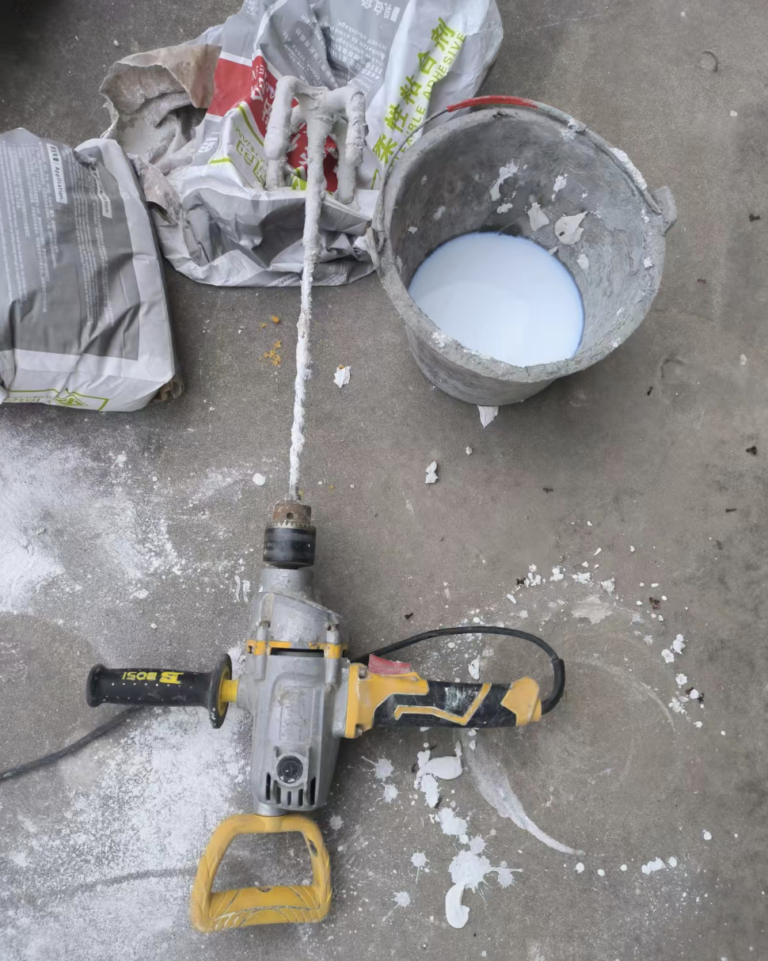
الغراء منتج بوليمري مائي معدل — صفر مركبات عضوية متطايرة، وخالٍ تماماً من رائحة المذيبات. تظهر الاختبارات الداخلية أن اللوحات معتمدة للاستخدام الداخلي دون أي انبعاثات غازية. وهذا بالغ الأهمية عند تركيب المادة في ممر ضيق مغلق حيث ينام ثلاثون ضيفاً وراء الأبواب. يعمل عامل الربط الخاص والمركب الحشو المُطور خصيصاً لهذه اللوحات بنفس الطريقة: بدون روائح، وبدون شكاوى.
- لوجستيات النوبة الليلية: امتدت فترة العمل من الساعة العاشرة ليلاً حتى السادسة صباحاً. تعاملت فرق مكونة من رجلين بغرفتين في الليلة بعد تجاوز منحنى التعلم الأسبوع الأول. تم تخزين جميع المواد في خزانة خدمة بحلول الساعة 9:45 مساءً. بدون تخزين في ممرات الضيوف. تم فتح الصناديق مسبقاً، وترتيب اللوحات حسب دفعة النقش لضمان اتساق العروق عبر الجدار المميز.
- فحص واقعي للجدول الزمني: غرفة ضيوف بمساحة 25 متراً مربعاً — أي حوالي 35 لوحة بأبعاد 1200×600 مم — تُجهز في نوبة عمل واحدة مدتها 8 ساعات بدءاً من تجهيز السطح وصولاً إلى حشو الفواصل النهائية. ويشمل ذلك تسوية القاعدة إذا كان السطح الأساسي سليماً. وإذا كانت الحائط من الجبس بورد مستقيماً ومطبَّقاً عليه برايمر ختم بالفعل، فإن تركيب اللوحات نفسها يستغرق أقل من 6 ساعات. تذهب الوقت المتبقي إلى الختم بالسيليكون والتنظيف.
- تحمل الجودة في العمل الليلي: الإضاءة الرديئة تقتل جودة التركيب. استُخدمت مصابيح LED متنقلة عالية السطوع بدرجة حرارة لونية 4000 كلفن لمطابقة إدراك الألوان نهاراً. تم التحقق من مطابقة النقش عبر اللوحات المتجاورة تحت هذه الأضواء قبل أن يجف الغراء. وتطلب اعتماد العينة لهذا المشروع نموذجاً كاملاً من 3 لوحات مصوراً تحت 3000 و4000 كلفن للتأكد من أن الطبعة المخصصة للترافرتين لم تتغير نبرتها اللونية.
- الضوضاء والغبار — ما حدث فعلياً: سجل مقياس الديسيبل الموضوع في الغرفة المجاورة المشغولة أثناء التركيب 38 ديسيبل — وهو مستوى يقارب مستوى مكتبة هادئة. وكان نظام التدفئة والتهوية والمكيف (HVAC) الموجود في الفندق أعلى ضجيجاً. غياب الأدوات الكهربائية هو السبب الكامل لنجاح هذه العملية. اللوحات تُنشَر ويُكَسَرَت. يُطبَّق الغراء بالمجرفة المسننة. لا خلط، لا طحن، لا ضاغط هواء.
الحساب بمنطق غرفة واحدة يومياً ليس مجرد مسألة سرعة — بل مسألة قابلية للتنبؤ. عندما يوافق مدير أصول الفندق على ميزانية رأس المال (CAPEX)، فإن المتغير القاتل هو عدم اليقين.
شيء واحد لن تخبرك به دراسة الحالة: العائق الحقيقي في عمل الليل بالفندق ليس المادة — بل المصعد. إذا كنت تشارك مصعد خدمة واحد مع موظفي التنظيف الذين يصعدون بأسرّة إضافية في الساعه 10:30 مساءً، ستخسر 45 دقيقه.خطط أولاً في لوجستيات العموديات. دوّر كل شيء قبل بدء الورده. الألواح خفيفة بما يكفي لحملها يدوياً عبر سلالم الدرج إذا تعطل جدول المصاعد.
بوزن 3.5 كجم للوحه، تصل مادة مشروع بمساحة 25 متراً مربعاً إلى نحو 122 كجم إجماليّاً. هذه الرحلتان لديّ شخص يعمل بعربه يدويه، أو رحله واحده مع شريك. قارن ذلك بالحجر الطبيعي الذي يزن 40-60 كجم/م² — ستحتاج إلى رافعه مواد، وعامل رفع مخصص، وعلى الأرجح مهندس إنشائي لتأكيد قدرة أرضية ممر الضيوف على تحمّل الحمولة النقطيه.
غرفه مغلقة لا تدرّ أي إيرادات.
غالباً ما تذكر دراسات تجديد الفنادق تعطل الطابق كنسبه وتتركه غامضاً. هذا ما يعنيه 3T301TP فعلياً من حيث التشغيل. يتطلب تجديد طابق تقليدي باستخدام الحجر الطبيعي أو البلاط السيراميكي إغلاقاً للطابق لمدة 3 أسابيع: فالهدم ينتج اهتزازات تنتقل عبر بلاطات الخرسانة، والأعمال الرطبة تحتاج وقتاً للتلبد، وحسب احتواء الغبار يضيف وحده يومين إلى 3 أيام من الإعداد غير المنتج.
كان مجموعة الفنادق تفقد نحو 180TP4T1 لكل غرفه في الليله بناءً على معدل سعر الغرفة (ADR). عبر 40 غرفه في طابق واحد، يصل إجمالي الإيرادات المفقودة إلى 50,400TP4T أسبوعياً نتيجة الإغلاق. ألواح الحجر المرن ألغت الحاجة إلى الهدم تماماً — بقيت السطح الموجود كما هو بعد المعالجة بprimed، ووضع الألواح مباشرة فوقه.
لم يكن تقليل تكلفة العمالة البالغة 30% ناتجاً عن دفع عمال أقل في الساعة. بل جاء من حذف ثلاثة بنود تكلفه كاملة من ميزانية التجديد.
أولاً، لم تكن هناك حاجة لفريق هدم — فطريقة التركيب المباشر تتجاوز استخدام المطارق الهيدروليكية، وإزالة الحطام، ورسوم التخلص منه.
ثانياً، لم نضطر لتوظيف نحّاتين محترفين بأسعار عماله مرتفعه. ألواح المقاس 1200×600 ملم تزن 3.5 كجم للواح، وتقطع بسكينUtility، ويمكن لعمال تركيب الجبسور العاديين إدارة العمليه بالكامل بعد تدريس مدته نصف يوم.
ثالثاً، لم نحتاج لمقاول احتواء. لا غبار يعني عدم وجود ماكينات ضغط الهواء السلبي، ولا حواجز بلاستيكية في الممرات، ولا فريق تنظيف يومي.
- تم تجاوز الهدم: طبقت الألواح مباشرة على الحائط القائم بعد تسويته. لا صناديق حطام، ولا بند تصريف، ولا خطر اهتزاز يؤثر على الغرف المجاورة المشغولة.
- اعتماد شهادة الحريق مسبقاً: تم تسليم شهادة ASTM E84 الفئة A خلال مرحله المواصفات. وافق مكتب تأمين الفندق بدون اشتراط رش مضاد للحريق إضافي أو تغليف، مما وفّر نحو 4TP4T لكل قدم مربع في تكاليف العزل الموضعي التي كان سيتطلبها الحجر الحقيقي.
كانت ملاحظات الضيوف من هذا المشروع غير معتاده ليس لأنها إيجابيه — بل لأنعدامها تقريباً. سجل مكتب الاستقبال صفراً من شكاوى الضوضاء طوال فترة التجديد. ولم تظهر TripAdvisor أي إشارات عن أعمال البناء خلال نافذة العمل. وقد دخل وخارج ضيوف الطوابق أعلى وأسفل منطقه العمل دون أن يعلموا بأن تجديداً كان جارياً في طابق واحد مجاور. وأكد مدير الإيرادات أنه لم تكن هناك حاجة إلى إقامة تعويضيّة، أو تحويل غرف، أو خصومات على الأسعار.
بالنسبة لمدير أصول فندقية يتابع درجات رضا الضيوف، الصمت هو أفضل مؤشر بيانات ممكن. كما أن التركيبة خالية من المركبات العضوية المتطايرة (VOC) تعني أيضاً انعدام شكاوى الانبعاثات الكيميائية — فقد عادت الغرف المُجددة حديثاً إلى المخزون الفندقي فوراً بدون فترة تهويه. وعندما يغطي لوح كبير واحد بمقاس 1200×2900 ملم ما يقارب 3.5 م² بقطعة واحده، فإن الجدار المميز في الواجهة الذي وثق الفريق تركيبه في وردة ليلية واحده أنتج التعليقات الوحيدة الفعلية من الضيوف: طلبات لمعرفة اسم مورّد الحجر.
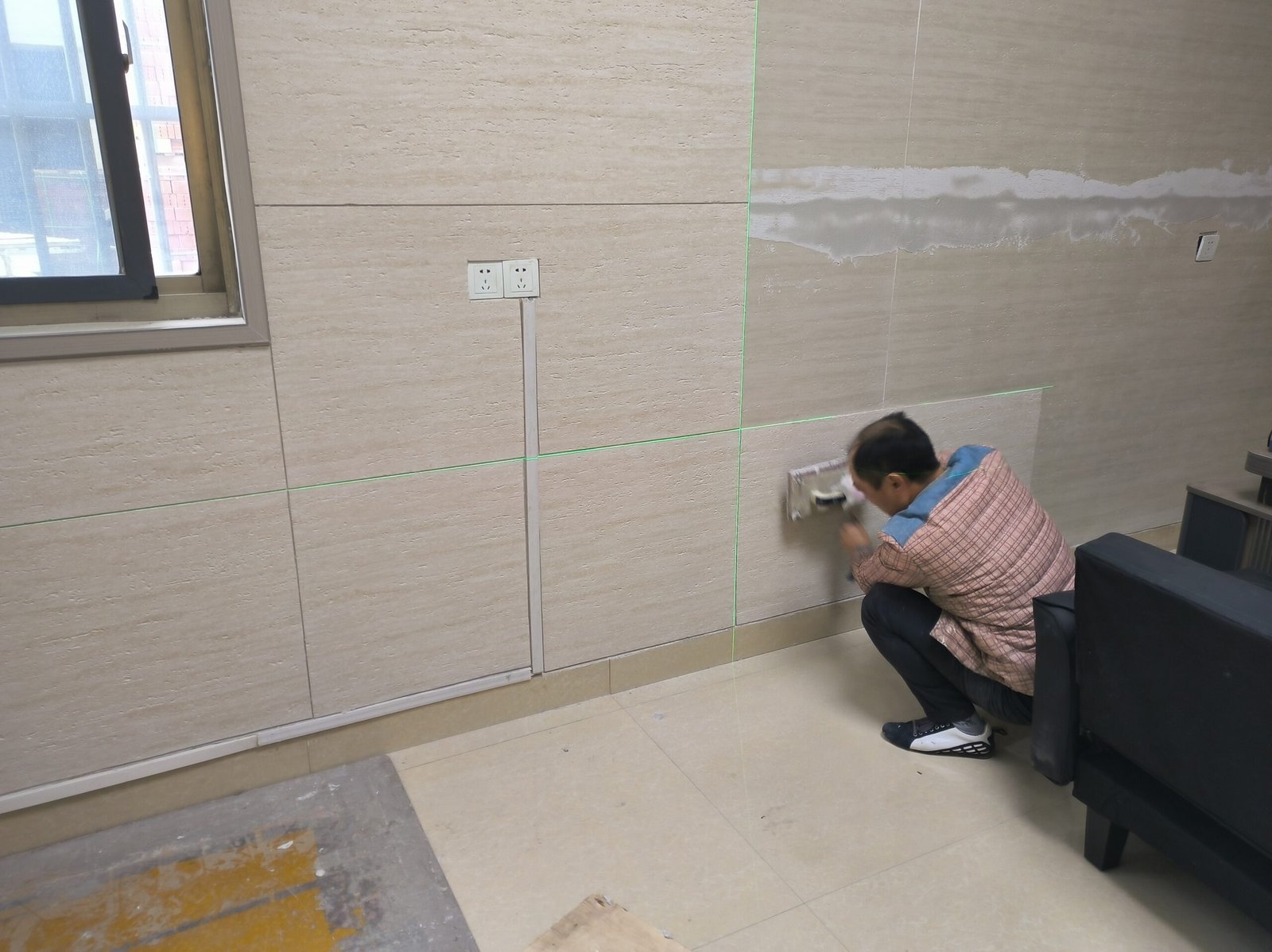
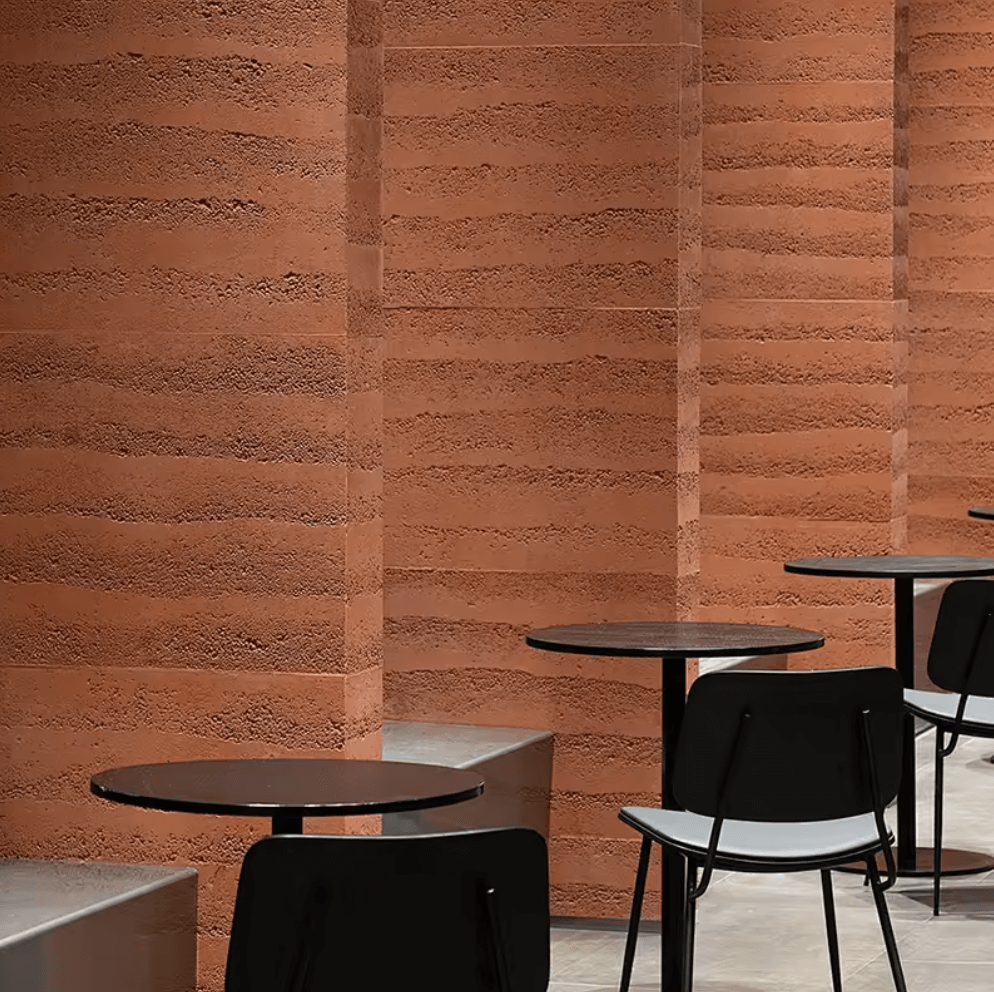
شهادة عميل
أنجزت فريق التجديد 12 غرفة في 12 يومًا — ولم يخسر الفندق ليلة إيجار واحدة.
بعد تسليم الغرفة الأخيرة لفريق التنظيف، أرسل مدير الأصول رسالة إلى فريق المشتريات تتضمن سطرًا واحدًا: “بداية المرحلة القادمة في الربع الأول من عام 2027 — أحجزوا نفس المادة”.
هذه ليست الاستجابة التي تتلقاها عندما يكون المنتج “مجرد يعمل”. بل هي النتيجة المتحققة عندما تحل المادة مشكلة يعانى منها فريق التشغيل منذ ثلاث دورات ميزانية. بالنسبة لهذا العقار المكون من 220 غرفة في دبي، كانت المشكلة واضحة: كان المدخل وسطح التنفيذ يحتاجان إلى تجديد كامل للجدران، لكن إغلاق الطوابق خلال موسم الذروة كان خياراً مستبعداً. كان معدل الإشغال يبلغ 84%. وكل غرفة معطلة كانت تعني خسارة ما بين $180 و $320 من العائد اليومي — لكل غرفة.
مشرف الأصول المسؤول عن الميزانية الرأسمالية كان قد رفض مشروعين قبل أن تُذكر مادة الحجر المرن ضمن الخيارات. تضمن أحد العروض ألواح حجري الترافيرتين التقليدية — التي كانت ثقيلة جداً للتركيب المباشر فوق السطح الحالي، وتطلبت أعمالاً هيكلية، وصدر عنها ملف ضوضاء جعل المدير العام يتحفظ. أما العرض الآخر فكان عبارة عن لوحة زخرفية مبنية على أساس البولي فينيل كلوريد (PVC) وبدا مقبولة في الصور، إلا أنها فشلت في مراجعة تصنيف النار وفقاً لمعايير ASTM E84. عندها تحول الحديث إلى ما يمكن أن تقدمه JMS Decor.
-
- اجتازت شهادة المطابقة لحظر الحريق: أُدرجت شهادة ASTM E84 Class A ضمن حزمة الموافقة على العينات — دون أي اعتراض من المستشار الهندسي.
- صفر مركبات عضوية متطايرة، وغياب تام للرائحة: عادت الغرف إلى المخزون الصباح التالي مباشرةً للتشغيل. بدون شكاوى من guests فيما يتعلق بعادم الغازات في الغرف المجاورة، ودون حاجة لعزل نظام التدفئة والتهوية وتكييف الهواء.
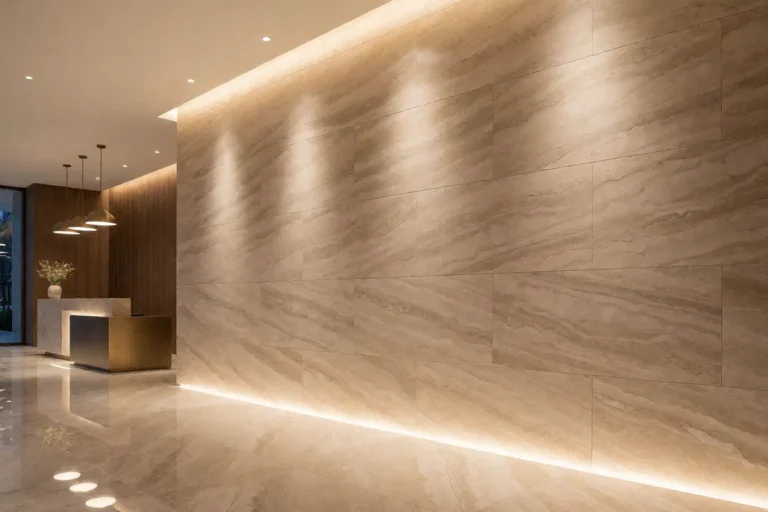
- تمت مطابقة نقش الترافيرتين المخصص مع الحجر الأصلي: طُبعت نسيج الترافيرتين بالكتابة ثلاثية الأبعاد لتكون قريبة بما يكفي من أعمدة الحجر الأصلية في المدخل، لدرجة أن النزلاء العائدين لم يلاحظوا أي انتقال.
“خططنا لميزانية تستغرق 18 يومًا لكل سطح مع إغلاق جزئي. أنجز الفريق العمل في 12 يومًا. لم أصدر أي قسيمة تعويضية بشأن شكاوى الضوضاء. دخلت شهادة الحريق مباشرةً إلى ملف الامتثال الخاص بنا دون أي حوار متبادل. في نهاية الدورة، كان تأثيرنا على RevPAR شبه مسطح — وهذا وحده يجعل هذه المادة تستحق التحديد مجدداً. لقد أخبرت فريق التصميم بالفعل ببناء نطاق التجديد القادم حول الحجر المرن بدلاً من محاولة تجاوز قيود الجسور الثقيلة.”.
الدرس المستفاد من ناحية المشتريات ليس معقداً. عندما يطلب مدير أصول الفندق طوعاً الإبقاء على نفس المادة للمرحلة المقبلة — دون تحفيز من المورد — فإن المنتج قد اجتاز الاختبار الوحيد الذي يهم في تجديد القطاع الفندقي: لقد حمى العائد المالي مع توفير المظهر الذي التزم به العلامة التجارية.
الخاتمة
اختصرت مجموعة الفنادق وقت التوقف عن العمل بنسبة 50% ووقفت شكاوي الضوضاء بفضل ألواح الحجر المرن. تم تغطية كل غرفة ضيوف خلال أقل من ثماني ساعات — بدون غبار، وبدون مركبات عضوية متطايرة (VOCs)، وبدون إزاحة للضيوف. وهذه الأرقام تتحول مباشرة إلى إيرادات محفوظة ودورة رأسمالية (CAPEX) مختصرة.
قبل اعتماد أي عازل خفيف الوزن لتجديد فندق، اطرح هذه الأسئلة الثلاثة ذات الإجابة بنعم/لا على قائمة تدقيق المشتريات لدى المورد:
1. هل يحمل اللوح شهادة تصنيف مقاومة الحريق وفقًا لمعيار ASTM E84 من الفئة A وشهادة خالية من المركبات العضوية المتطايرة (VOCs) للاستخدام الداخلي؟ وبدون الشهادتين معاً، لن يتوفر حماية لرجل الإطفاء وممرات هواء الضيوف أثناء التركيب الليلي.
2. هل يمكن لفريق التركيب إنهاء غرفة مساحتها 25 م² في الوردة دون أعمال رطبة، أو أدوات كهربائية، أو لصقات كيميائية تُطلق أبخرة ضارة؟ إذا كانت الإجابة لا، سيظل المغلّق مغلقاً.
3. هل سيرسل المصنع عينة ما قبل الإنتاج مطابقة تماماً للدفعة الداخلة في الحاوية، مع توثيق التسامح النوعي لاستمرار النقشة عبر الألواح؟ أي تردد بشأن أي من هذه النقاط يعني أن الفجوة بين ورقة المواصفات والوصول الفعلي داخل الحاوية ستتحول إلى مشكلتك.
Request physical samples, run your room area calculation, and lock in sample approval before placing a production order. The supplier’s ability to meet these three points determines whether you renovate—or just manage complaints. The phasing plan that keeps the rooms selling is set out in our hotel renovation without closing guide.
الأسئلة المتداولة
هل يمكن تركيب الحجر المرن فوق البلاط الموجود؟
نعم، يمكن لصق ألواح الحجر المرن مباشرةً على البلاط الموجود أو الجدران الجافة أو ألواح الإسمنت بعد تطبيق المادة الأساسية (البرايمر)، مما يتجنب أعمال الهدم. بذلك يظل الفندق مفتوحًا دون ضوضاء أو غبار. Always verify substrate stability before full application.
كم غرفة يمكن للفريق إنجازها في اليوم الواحد؟
يُنجز فريق عمل مدرب من شخصين، في العادة، غرفة فندق قياسية واحدة خلال مناوبة ليلية مدتها 8 ساعات، بما في ذلك إعداد السطح وتقطيع الألواح. وتعتمد كمية الإنتاج على شكل الغرفة، وعدد الفتحات المقطوعة، وخبرة الفريق. يُرجى تحديد إنتاجية كل مناوبة بناءً على اختبار تجريبي في غرفة نموذجية.
ما درجة مقاومة الحريق الخاصة بلوحات الحجر المرنة؟
تلبي ألواح الحجر المرن من JMS Decor معايير انتشار اللهب وتطور الدخان ASTM E84 الفئة A، وتحمل شهادة CE للمشاريع الأوروبية. وهذا يفي بمتطلبات سلامة الحياة الصارمة في الفنادق. اطلب تقرير الاختبار الحالي للحصول على موافقة الجهة المحلية.
هل تحتاج ألواح الحجر المرن إلى لاصق خاص؟
نعم، استخدم خليطاً رائقاً رقيقاً معدلًا بالبوليمر أو لاصق المصنع نفسه لضمان قوة التلاصق ومرونته. فقد يفشل الماستيك القياسي تحت تأثير التحولات الحرارية وحركة الضيوف الكثيفة. استخدم نظام اللاصق المعتمد للحفاظ على تغطية الضمان.
كم من وقت التعطيل توفره ألواح الحجر المرنة؟
يقلل تركيب الأحجار المرنة دون هدم أو أعمال رطبة من وقت تعطل الغرفة بنسبة تصل إلى 50٪ مقارنة باستبدال بلاط الحجر التقليدي. يمكن إجراء العمل خلال الليل بينما نزلاء الفندق ما زالوا مقيمين. قم بتقدير المدخرات الدقيقة من خلال مقارنة دورة التجديد الحالية.