يؤثر الجدل حول البولي فينيل كلوريد الفينيل مقابل الحجر المرن تأثيراً مباشراً على أقساط التأمين على العقارات التجارية والامتثال للسلامة من الحرائق. وغالباً ما يركز مديرو المرافق على عرض الأسعار الأولي، متجاهلين العقوبات المالية الخفية للمواد ذات التصنيف المنخفض للحريق أو “المظهر البلاستيكي” الذي يمكن أن يحد من أسعار الغرف وإيرادات الإيجار. يمكن أن يؤدي هذا التركيز الضيق على الوفورات المقدمة إلى استنزاف كبير وطويل الأجل للربحية، مما يحول الصفقة المتصورة إلى مسؤولية تشغيلية مكلفة.
يقدم هذا التحليل تحليلاً مالياً واضحاً يتجاوز المقارنة البسيطة بين سعر اللوحة الواحدة. سنقوم بنمذجة التكلفة الإجمالية للملكية من خلال فحص تكاليف دورة الحياة، والآثار التأمينية المترتبة على تصنيف الفئة B مقابل تصنيف الفئة A للحريق، ومقاومة المواد للصدمات في الممرات ذات الازدحام الشديد. استخدم هذا الدليل كإجراء قياسي لتقييم أغطية الجدران بناءً على مساهمتها الحقيقية في قيمة وسلامة الممتلكات الخاصة بك، وليس فقط فاتورة التركيب.
التكلفة المقدمة مقابل تكلفة دورة الحياة
إن التركيز فقط على سعر الشراء الأولي لمواد مثل البولي فينيل كلوريد الفينيل هو خطأ فادح، حيث يُظهر تحليل التكلفة الإجمالية للملكية (TCO) باستمرار أن المواد المتينة عالية الأداء توفر قيمة مالية فائقة على المدى الطويل من خلال التخلص من دورات الاستبدال المتكررة.
سعر الشراء الأولي

وغالباً ما تبدو البدائل الاصطناعية مثل الألواح البلاستيكية البلاستيكية أكثر ملاءمة للميزانية، مع تكلفة مواد أولية يمكن أن تكون أقل بنسبة 50-75% من المركبات الحجرية عالية الأداء. ويعد هذا التوفير الأولي عاملاً مقنعاً للمشاريع التي تعمل في ظل قيود صارمة وقصيرة الأجل على الميزانية. ولكن هذه النظرة الضيقة تتجاهل إجمالي الاستثمار المطلوب على مدى العمر التشغيلي للمبنى.
| مقياس التقييم | عرض قصير الأجل (مثل الألواح البلاستيكية) | عرض دورة الحياة (على سبيل المثال، الحجر المرن) |
|---|---|---|
| سعر الشراء الأولي | منخفضة | أعلى |
| العمر المتوقع | 10-20 سنة (جودة متغيرة) | 5-10 مرات أطول من المواد الاصطناعية |
| دورات الاستبدال (فترة 30 سنة) | مطلوب 1-2 دورة أو دورتين | صفر |
| التكلفة الإجمالية للملكية (TCO) | مرتفعة (مدفوعة بتكاليف العمالة والمواد المتكررة) | منخفضة (يتم إطفاء التكلفة الأولية على مدى عمر طويل لا يحتاج إلى صيانة) |
المتانة طويلة الأجل وتكرار الاستبدال على المدى الطويل
تتحكم متانة المادة بشكل مباشر في النفقات طويلة الأجل. فقد صُممت المواد الممتازة مثل المركبات الحجرية المرنة لمقاومة الطقس الشديدة والثبات للأشعة فوق البنفسجية وامتصاص الصدمات، مما يمنحها عمر افتراضي أطول من البدائل البلاستيكية الأرخص ثمناً بما يتراوح بين 5 إلى 10 مرات. طول العمر هذا يلغي تقريباً الحاجة إلى إجراء إصلاحات مستقبلية أو استبدالها بالكامل. تعني دورات الاستبدال الأقل أنك تتجنب دفع تكاليف الجدار نفسه عدة مرات من خلال تكاليف المواد والعمالة المتكررة.
التكلفة الإجمالية للملكية (TCO)
يبتعد المهندسون المعماريون والمطورون عن تسعير الوحدات ويتجهون نحو نموذج التكلفة الإجمالية للملكية لاختيار المواد. ويوفر هذا الإطار صورة مالية كاملة من خلال حساب سعر الشراء الأولي بالإضافة إلى جميع تكاليف الصيانة والإصلاح والاستبدال المستقبلية. ويوضح تحليل التكلفة الإجمالية للملكية أن المواد ذات الاستثمار الأولي المرتفع غالباً ما تكون أكثر اقتصاداً على مدى العمر التشغيلي للعقار. تعطي استراتيجية الشراء هذه الأولوية للمتانة والقيمة طويلة الأجل، وهو ما يتماشى مع المعايير الحديثة للبناء المستدام والمرن.
عقوبة “المظهر البلاستيكي”: انخفاض أسعار الإيجار/الغرف
تقلل الكسوة الاصطناعية بشكل مباشر من إمكانات إيرادات العقار من خلال خلق تصور منخفض القيمة يبرر انخفاض أسعار الغرف وأسعار الإيجار.
القيمة المتصورة وتصور الضيف
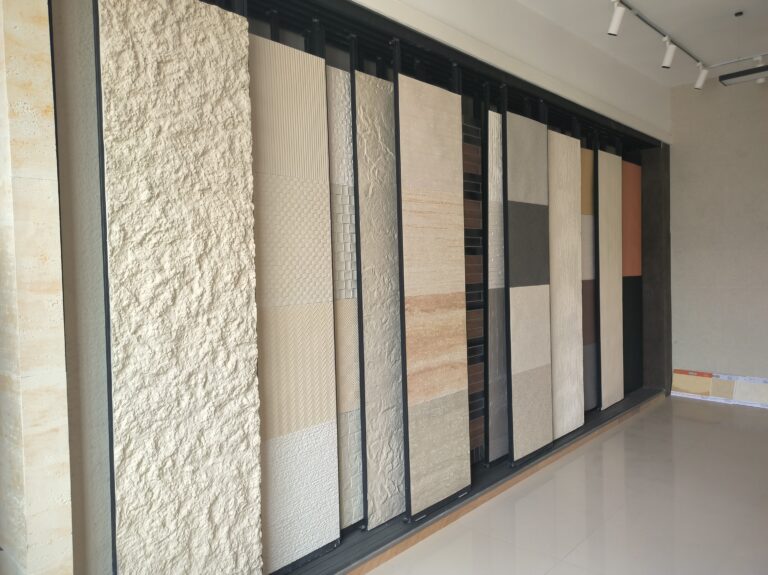
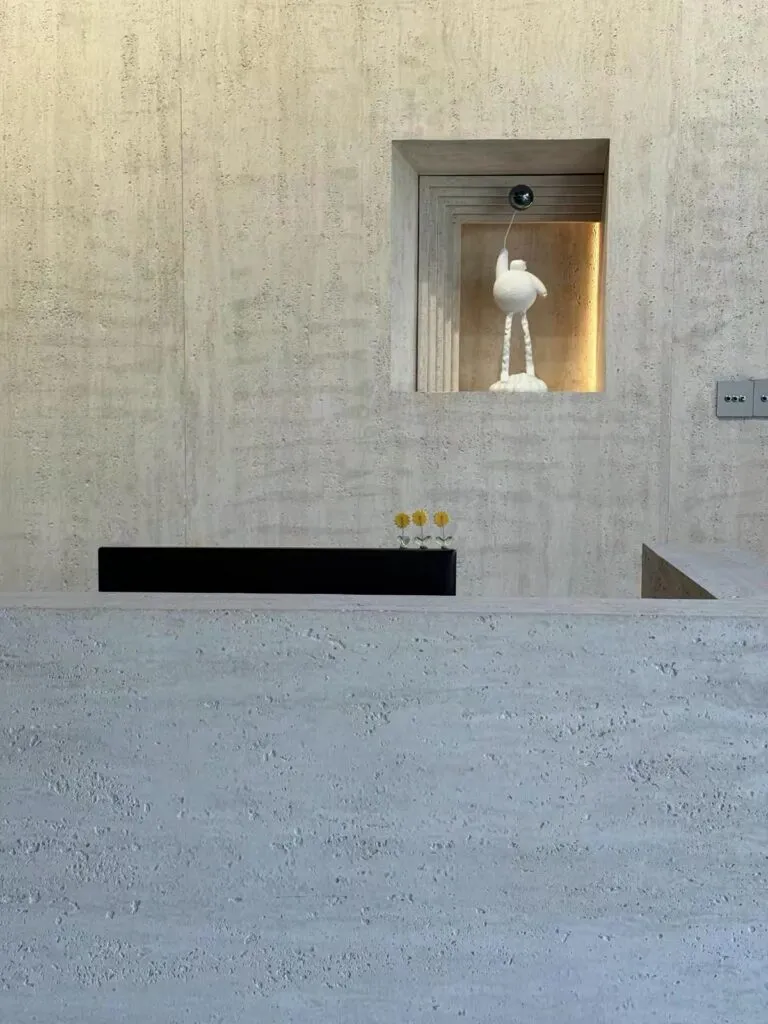
الجودة الجمالية للتشطيبات ليست مجرد ديكور؛ بل هي محرك مباشر للإيرادات. فالمواد الاصطناعية مثل الـ PVC غالباً ما تعطي مظهراً اقتصادياً، مما يشير على الفور إلى انخفاض القيمة للمستأجرين المحتملين أو نزلاء الفندق. وفي أسواق الضيافة والعقارات التجارية التنافسية، فإن المظهر الأصيل هو ما يسمح لك بالحصول على أسعار مميزة. إن “المظهر البلاستيكي” يقلل من قيمة العلامة التجارية وتجربة النزلاء، مما يجعل من الصعب تبرير ارتفاع الأسعار. توفر الألواح الحجرية المرنة من JMS Decor، المصنوعة من مسحوق الحجر الطبيعي المعاد بناؤه، مظهراً أصيلاً يرفع من مكانة العقار في السوق.
الإهلاك طويل الأجل للتشطيبات الاصطناعية
على الرغم من أن الألواح البلاستيكية PVC ذات تكلفة أولية أقل، إلا أنها تحمل عقوبة مالية خفية من خلال الاستهلاك المتسارع. تظهر هذه المواد الاصطناعية التآكل والبهتان والتلف بسرعة أكبر بكثير من التشطيبات الأصلية. هذا التقادم المرئي يقلل بسرعة من جاذبية المبنى وأجواءه الداخلية، مما يؤدي إلى تآكل ميزته التنافسية وقيمة أصوله على المدى الطويل. تصبح الإصلاحات المتكررة أو الاستبدالات المباشرة ضرورية فقط للحفاظ على المظهر الأساسي. وعلى النقيض من ذلك، فإن الحجر المرن مصمم من أجل المتانة ومقاومة التآكل والحفاظ على مظهره لسنوات، مما يحمي الاستثمار الأولي.
المواد الأصلية كأصل استراتيجي
يتعامل المطورون والمستثمرون العقاريون المتمرسون الآن مع اختيار المواد كقرار مالي استراتيجي. فاختيار مواد أصلية ومتينة هو استثمار في الإيرادات المستقبلية للعقار وسلامة العلامة التجارية. فاختيار التشطيبات الحجرية الأصيلة ليس تكلفة؛ إنها استراتيجية للحفاظ على القيمة تتجنب “عقوبة المظهر البلاستيكي”.”
هذا النهج يجنبك التكاليف المستقبلية الكبيرة لتحديث المواد الرخيصة ويتماشى مع السوق التي تفضل بشكل متزايد البناء المستدام طويل الأمد.
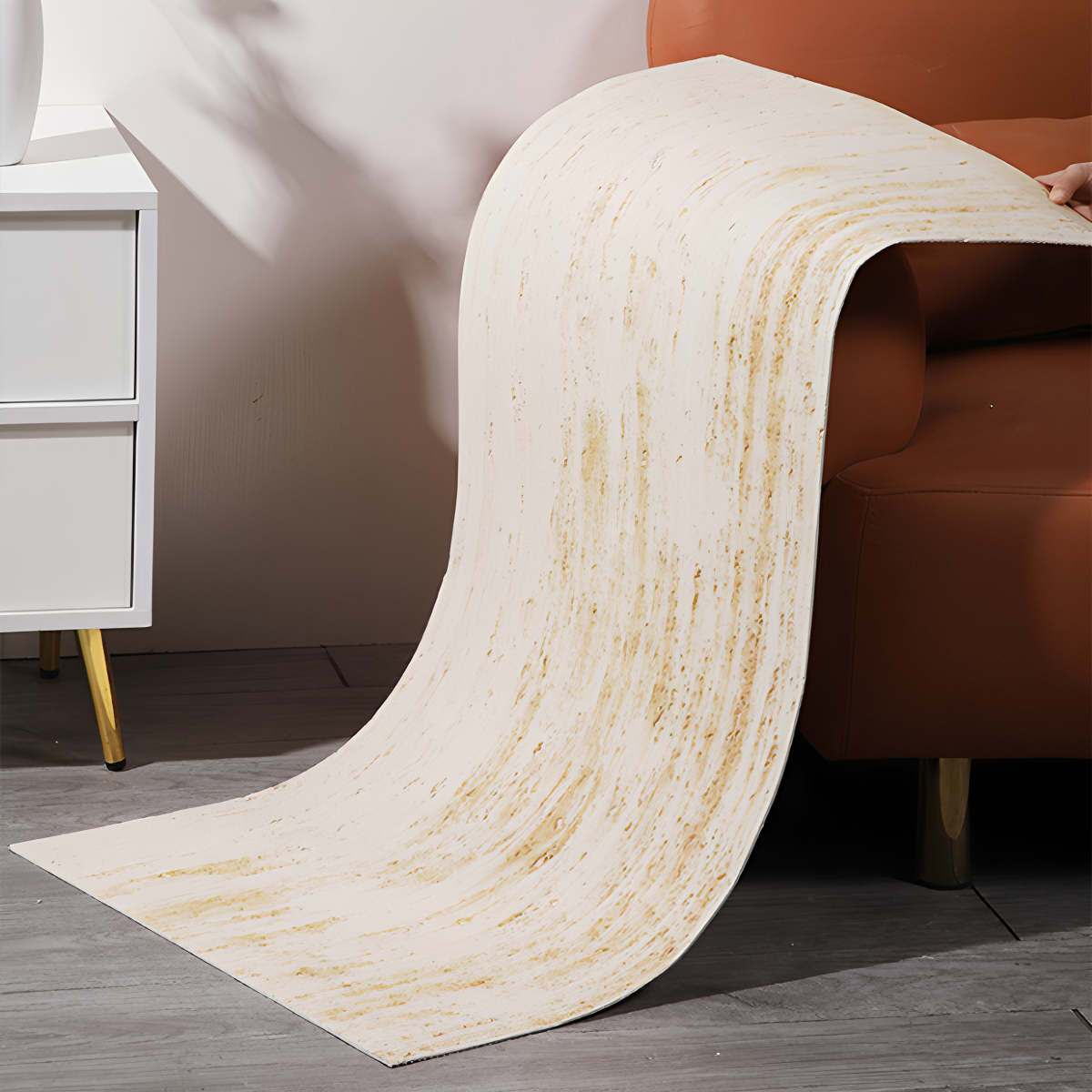
مصدر الألواح الحجرية الناعمة الممتازة والقابلة للتخصيص
تكاليف تأمين السلامة من الحرائق (الفئة ب مقابل أ)

يعد تحديد المواد المصنفة من الفئة A على البدائل من الفئة B استراتيجية مباشرة لتقليل تكاليف التشغيل على المدى الطويل من خلال أقساط تأمين أقل، وهي ميزة تتضاعف عندما يكون العقار في مجتمع يتمتع بتصنيف قوي للحماية العامة من ISO.
تخفيضات أقساط مواد الفئة A
يكافئ مكتتبو التأمين مباشرةً استخدام المواد ذات الخصائص الفائقة لمقاومة الحرائق. تُظهر المنتجات الحاصلة على تصنيف حريق من الفئة A انتشاراً أقل بكثير للهب في الاختبارات المعيارية، مما يُترجم إلى تقييم أقل للمخاطر وخفض أقساط التأمين السنوية لمالك العقار. بالنسبة لأي مشروع تجاري أو مشروع متعدد العائلات، فإن تحديد مواد من الفئة A هو استراتيجية واضحة لخفض تكاليف تشغيل دورة الحياة. ويضمن استخدام منتج معتمد من الفئة A2 مثل الألواح الحجرية المرنة من JMS Decor هذه الميزة المالية منذ بداية المشروع.
| فئة تصنيف الحرائق | مؤشر انتشار اللهب (FSI) | الأمثلة المادية والأثر المالي |
|---|---|---|
| الفئة أ | 0-25 | حجر JMS للديكور المرن (الفئة A2) والطوب والخرسانة. مؤهل للحصول على أفضل أقساط التأمين، مما يقلل مباشرةً من تكاليف تشغيل العقار. |
| الفئة ب | 26-75 | بعض الألواح البلاستيكية الصلبة، والخشب المعالج بمقاومة للحريق. تتكبد أقساط قياسية أو أعلى، مما يؤدي إلى زيادة تكلفة الملكية على المدى الطويل. |
تأثير البنية التحتية المحلية للحماية من الحرائق
في حين أن اختيار المواد هو عامل حاسم تتحكم فيه، فإن تكاليف التأمين تعكس أيضًا قدرات إدارة مكافحة الحرائق المحلية وإمدادات المياه. ويُقاس ذلك بتصنيف ISO للحماية العامة. تستفيد العقارات الموجودة في المجتمعات ذات تصنيفات ISO من الدرجة الأولى (الفئة 1-3) بالفعل من معدلات تأمين أساسية أقل. يؤدي الجمع بين هذه الميزة الجغرافية وتركيب مواد البناء من الفئة A إلى تحقيق فائدة مكدسة، مما يقلل من أقساط التأمين ويحدد أقل مخاطر ممكنة للأصل.
المزايا المالية طويلة الأجل لمالكي العقارات
يُترجم قرار استخدام لوحات الفئة A على بدائل الفئة B إلى فائدة مالية واضحة ومتكررة. هذه الوفورات السنوية في أقساط التأمين تحسن بشكل مباشر من صافي الدخل التشغيلي للعقار وقيمته الاستثمارية الإجمالية. وينظر المقرضون والمشترون المحتملون إلى المبنى المشيد بمواد عالية التصنيف من حيث السلامة بشكل أكثر إيجابية، مما يعزز من إمكانية تسويقه. اعتباراً من عام 2026، تستمر فجوة التكلفة في التأمين بين العقارات المحددة من الفئة A والفئة B في الاتساع، مما يجعل اختيار المواد المتفوقة أكثر تأثيراً من الناحية المالية بمرور الوقت.
المتانة: مقاومة الصدمات في الممرات
في الممرات التجارية ذات الازدحام الشديد، يؤدي تحديد الألواح المرنة المقاومة للصدمات بدلاً من المواد الهشة مثل اللوح الجصي أو البلاط مباشرةً إلى تقليل تكاليف الإصلاح على المدى الطويل والاضطرابات التشغيلية.
المواد المرنة مقابل الخيارات الصلبة التقليدية

الممرات ذات الازدحام الشديد هي ساحة معركة مستمرة ضد التلف. فالمواد التقليدية مثل بلاط السيراميك أو الألواح الجصية أو الألواح الصلبة هشة وعرضة للتشقق والتقطيع والانبعاج من عربات الأمتعة ومعدات التنظيف وحركة السير اليومية. يتحول السوق بعيداً عن هذه الأسطح الصلبة نحو الكسوة المرنة والمرنة. فالألواح المركبة الحديثة، المصنوعة من مسحوق الحجر الطبيعي المدمج مع البوليمرات ودعامة من الألياف الشبكية، تنحني وتمتص الصدمات التي قد تتحطم أو تنبعج بسبب المواد القديمة. وتقلل هذه المرونة بشكل كبير من الحاجة إلى إجراء إصلاحات متكررة ومكلفة وتحافظ على مظهر المناطق المشتركة نظيفة.
انخفاض تكاليف الصيانة ودورة الحياة
تُترجم المتانة الفائقة للألواح المرنة مباشرةً إلى تكلفة إجمالية أقل للملكية. فمن خلال مقاومة الخدوش والانبعاجات والشقوق، تحافظ الجدران على مظهرها الأصلي لسنوات بأقل قدر من التدخل. وهذا يلغي التكاليف التشغيلية المتكررة للترقيع والصنفرة وإعادة الطلاء الشائعة في المناطق المزدحمة. دورات إصلاح أقل تعني إنفاق أقل على كل من العمالة والمواد على مدار عمر المبنى. كما أن الألواح مقاومة للمنظفات الكيميائية الشائعة، مما يسمح ببروتوكولات النظافة الصارمة دون تدهور السطح أو اللون، وهو عامل مهم في بيئات الضيافة والرعاية الصحية.
تركيبة المواد والأداء
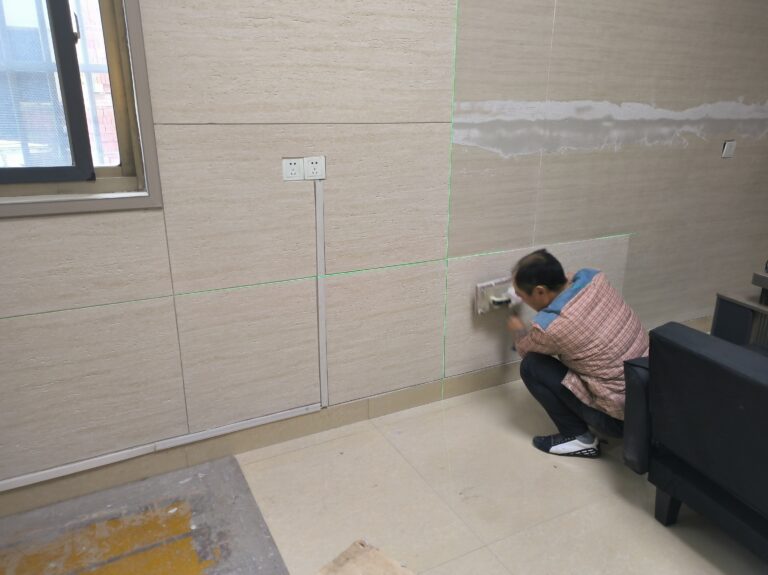
يأتي أداء هذه الألواح من تركيبتها الهجينة. توفر الطبقة السطحية من المسحوق المعدني الطبيعي المظهر والملمس الأصلي للحجر، بينما توفر طبقة من الألياف الزجاجية أو البوليمر الداعمة المرونة وامتصاص الصدمات. تخلق هذه التركيبة نسبة ممتازة من المتانة إلى التكلفة. كما توفر هذه الألواح ذات الأساس المعدني ميزة مستدامة مقارنةً بالبدائل البلاستيكية المشتقة من البترول فقط. حيث يتراوح وزنها من 3.5 إلى 6.0 كجم/م² فقط، أي أنها تزن حوالي سدس وزن الألواح الحجرية التقليدية، مما يقلل بشكل كبير من الحمل الهيكلي على الجدران ويجعلها مثالية لتعديل المباني القديمة دون الحاجة إلى تعزيزات هيكلية.
قيمة إعادة بيع العقار
ويؤثر اختيار المواد تأثيراً مباشراً على تقييم الأصول؛ حيث يتم التعامل مع الحجر الأصلي والقشرة الخشبية عالية الجودة كاستثمارات طويلة الأجل من قبل السوق، بينما ينظر إلى الألواح الاصطناعية على أنها مواد مستهلكة ذات مساهمة ضئيلة في قيمة إعادة البيع.
التقييم المتميز للحجر الأصيل
تحصل العقارات التي تم تشطيبها بالحجر الأصلي المرن على تقييمات سوقية أعلى باستمرار. يتعامل السوق مع المواد الأصلية المتينة على أنها أصول طويلة الأجل، وليست مجرد تشطيبات تجميلية. تُظهر البيانات الحالية من عام 2026 تفضيل المشترين الواضح للمواد الأصلية التي يُنظر إليها كاستثمارات. ويترجم هذا التفضيل إلى علاوة ملموسة، حيث تزيد التشطيبات الحجرية المرنة الحقيقية من سعر البيع النهائي للعقار بما يقدر بـ 6-101 تيرابايت.
العائد على الاستثمار في قشرة الحجر
توفر القشرة الحجرية المصنّعة عائداً قوياً على الاستثمار، وذلك في المقام الأول من خلال تعزيز جاذبية الرصيف بجزء بسيط من تكلفة البناء التقليدي. إن قدرتها على تحسين المظهر الخارجي للعقار بشكل كبير يجعلها خياراً شائعاً للتحسينات التي تركز على القيمة. في دورات السوق الأخيرة، أظهرت هذه التحسينات عائداً على الاستثمار يصل إلى 153%، مما يجعلها واحدة من أكثر مشاريع إعادة التصميم الخارجي فعالية لتوليد القيمة.
التأثير المحدود للبدائل البلاستيكية والبدائل الصناعية
لا تساهم البدائل الاصطناعية، بما في ذلك الألواح البلاستيكية والألواح الحجرية الاصطناعية الأساسية، بشكل كبير في قيمة إعادة بيع العقار. في حين أنها يمكن أن تحسن من الجاذبية البصرية الفورية، إلا أن السوق ينظر إلى هذه المواد على أنها مواد مستهلكة وليست ميزات دائمة تضيف قيمة. وغالباً ما يأخذ المشترون المحتملون في الحسبان تكاليف الاستبدال المستقبلية المرتبطة بالكسوة الاصطناعية، مما قد يقلل من أي قيمة متوقعة على المدى القصير. وفي نهاية المطاف، لا تحقق هذه المواد في نهاية المطاف سوى الحد الأدنى من القيمة عند إعادة البيع.
الخاتمة
اختيار غطاء الجدران بناءً على سعره المبدئي فقط يتجاهل تكاليف دورة الحياة الكبيرة. تؤثر عوامل مثل السلامة من الحرائق من الفئة (أ)، ومقاومة الصدمات في الأماكن التجارية ذات الازدحام الشديد، والجاذبية الجمالية بشكل مباشر على معدلات التأمين وميزانيات الصيانة والقيمة النهائية للعقار. يُظهر تحليل التكلفة الإجمالية أن المواد المحددة هي استثمار حاسم طويل الأجل وليس مجرد نفقات شراء.
لمقارنة جودة المواد واللمسات النهائية لمشاريعك بشكل صحيح، نوصي بطلب مجموعة عينات. فمشاهدة المنتج والتعامل معه هي الطريقة الأكثر فعالية لتقييم إمكاناته كعرض متميز في محفظتك.
الأسئلة المتداولة
تكلفة الألواح البلاستيكية مقابل تكلفة القشرة الحجرية؟
تتميز ألواح البولي فينيل كلوريد الفينيل بتكلفة أولية أقل بكثير، وعادةً ما تكون أرخص من القشرة الحجرية بنسبة 50-75%. ومع ذلك، عند النظر في التكلفة الإجمالية للملكية، فإن القشرة الحجرية توفر قيمة أفضل على المدى الطويل نظراً لعمرها الطويل (5-10 مرات أطول) وانخفاض الحاجة إلى الصيانة والاستبدال. ويتحول اتجاه الصناعة نحو تحليل تكلفة دورة الحياة، حيث تفوق متانة المواد الممتازة مثل الحجر في كثير من الأحيان الوفورات الأولية للـ PVC.
هل كسوة الجدران البلاستيكية متينة؟
توفر كسوة الجدران البلاستيكية متانة جيدة لتطبيقات محددة، خاصةً في مقاومتها للرطوبة والعفن والعفن الفطري. ومع ذلك، فإن عمرها الإجمالي أقصر بكثير من مواد مثل الحجر أو المواد المركبة عالية الأداء.
يعتبر PVC أكثر عرضة للتلف المادي مثل الخدوش والخدوش، ويمكن أن تكون الألواح ذات الجودة الأقل عرضة لبهتان اللون من التعرض للأشعة فوق البنفسجية بمرور الوقت. وعلى الرغم من أنها مناسبة للعديد من البيئات، إلا أنها تعتبر أقل متانة في المناطق التجارية ذات الازدحام الشديد حيث تكون مقاومة الصدمات أمرًا بالغ الأهمية.
أغطية الجدران التجارية الرخيصة؟
لاعتبارات الميزانية الأولية، تُعد ألواح الجدران البلاستيكية خيارًا رائدًا لأغطية الجدران التجارية الرخيصة نظرًا لانخفاض تكاليف المواد والتركيب. فهي توفر سطحاً نظيفاً وغير مسامي مناسباً لمختلف المساحات التجارية.
تشمل البدائل الأخرى الفعّالة من حيث التكلفة ألواح FRP (الألواح المقواة بالألياف الزجاجية)، المعروفة بمتانتها في مناطق الخدمات مثل المطابخ ودورات المياه، وأغطية الجدران المصنوعة من الفينيل من الدرجة التجارية، والتي توفر مجموعة واسعة من الخيارات الجمالية بسعر منخفض.
بولي كلوريد الفينيل مقابل تصنيف النار من الحجر؟
الحجر الطبيعي بطبيعته غير قابل للاحتراق بطبيعته ويحمل أعلى تصنيف للحريق، عادةً ما يكون من الفئة A، مما يعني أنه لا يحترق أو يساهم في انتشار اللهب. وعلى النقيض من ذلك، فإن الـ PVC هو بلاستيك حراري وهو قابل للاحتراق بطبيعته.
في حين أن العديد من ألواح PVC التجارية يتم معالجتها بمثبطات الحريق للحصول على تصنيف حريق من الفئة A أو B، إلا أنها تذوب ويمكن أن تطلق دخاناً كثيفاً ساماً عند تعرضها لحرارة عالية. بالنسبة للتطبيقات ذات قوانين السلامة الصارمة من الحرائق، مثل ممرات الخروج والسلالم، فإن الحجر الطبيعي هو الخيار الأفضل.
أفضل لوحة حائط لممر الفندق؟
عادةً ما تكون أفضل ألواح الجدران لممرات الفنادق التي تشهد ازدحاماً شديداً هي الألواح المركبة عالية الأداء أو الألواح المصفحة عالية الضغط (HPL). توفر هذه المواد توازنًا مثاليًا بين المتانة القصوى ومقاومة الصدمات والخدوش (من الأمتعة والعربات) والجمالية الفائقة. كما أنها تفي بمتطلبات كود الحريق الصارمة من الفئة A الشائعة في قطاع الضيافة.
وعلى الرغم من أن مادة PVC هي خيار أقل تكلفة، إلا أنها تفتقر إلى المرونة طويلة الأجل اللازمة لمثل هذه البيئة المتطلبة، مما يجعل المواد المركبة الخيار الأفضل عند تقييم التكلفة الإجمالية للملكية والحفاظ على معايير العلامة التجارية.