تشير الاتجاهات الحالية لتجار الجملة إلى أن تخزين منتجات ألواح الجدران الخاطئة يضر مباشرةً بمعدلات دوران المخزون، مما يؤدي إلى تقييد رأس المال في مواد لم يعد المهندسون المعماريون يحددونها. لقد تحول سوق الهندسة المعمارية بعيداً عن المنتجات السلعية العامة نحو الأنظمة عالية الأداء التي تحل تحديات محددة في الاستدامة ومرونة التصميم والتكامل الرقمي.
بالنسبة للموزعين، فإن الاستمرار في الاستثمار في المخزون التقليدي الذي يفشل في تلبية هذه المتطلبات يخلق مخاطر مالية كبيرة ويفتح الباب أمام المنافسين الذين يتكيفون بسرعة أكبر.
يقدم هذا التحليل تفصيلاً تقنياً ومالياً لأهم ثلاث فئات من ألواح الجدران تتماشى مع هذه التحولات في السوق. سنقوم بفحص مقاييس الأداء المحددة التي تقود المواصفات المعمارية - من كفاءة الموارد إلى التوافق مع نمذجة معلومات المباني - وربطها بالواقع التشغيلي للتوزيع بالجملة. والهدف من ذلك هو تزويدك بالبيانات اللازمة لتحسين مخزونك لتحقيق هوامش ربح أعلى وشراكات أقوى مع المحددين حتى عام 2026.
تحليل اتجاهات السوق: ما يريده المهندسون المعماريون
وبحلول عام 2026، سيحدد المهندسون المعماريون المواد التي تقدم ثلاث جبهات أساسية: كفاءة الموارد التي يمكن التحقق منها، ومرونة التصميم الواسعة للتطبيقات المخصصة، والتكامل السلس مع أدوات إدارة المشاريع الرقمية مثل نمذجة معلومات المباني.
لتزويد سوق الهندسة المعمارية بشكل فعال، يجب على الموزعين فهم الدوافع الرئيسية التي تؤثر على اختيار المواد. تُظهر الاتجاهات الحالية تحولًا واضحًا بعيدًا عن المنتجات السلعية نحو المواد التي تحل تحديات محددة تتعلق بالاستدامة والتخصيص وتكنولوجيا البناء. يتعرض المحددون لضغوط لتقديم مشاريع فريدة وفعالة ومدارة بشكل جيد، وتعكس اختياراتهم للمنتجات هذه الأولويات بشكل مباشر.
مواد مستدامة وفعالة
تفرض ندرة المواد واللوائح البيئية التركيز على كفاءة استخدام الموارد. ويسعى المهندسون المعماريون بنشاط إلى استخدام مواد منخفضة الطاقة ومتجددة ومحلية المصدر للحد من النفايات والبصمة الكربونية للمشروع. يتجه السوق بعيدًا عن المساحات المفرطة في المساحة المربعة نحو التصاميم المحسّنة والموفرة للموارد. وهذا يفضل المنتجات خفيفة الوزن لسهولة النقل وتقليل نفايات البناء والتشييد والتوافق مع شهادات المباني الخضراء مثل LEED. وتُعد المواد التي يمكن تركيبها فوق الأسطح الموجودة ذات قيمة خاصة، حيث إنها تلغي تكلفة الهدم والهدر والعمالة الناتجة عن الهدم.
مرونة التخصيص والتصميم
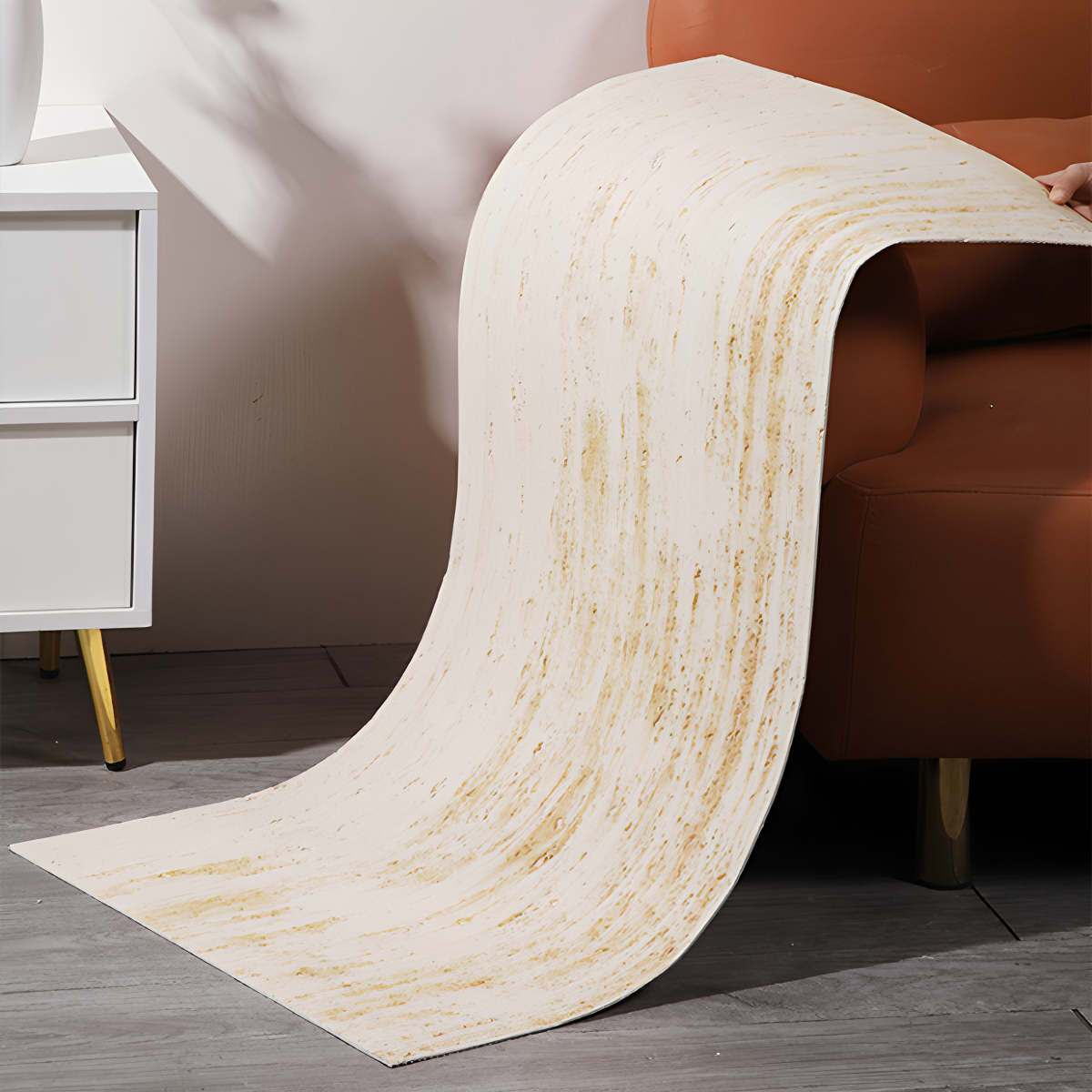
يتوقع العملاء الآن مساحات مخصصة تعكس السياق الإقليمي والاحتياجات الفردية. وقد أدى ذلك إلى طلب قوي على المواد القابلة للتخصيص بدرجة كبيرة والتي يمكن أن تتكيف مع الأشكال المعمارية الفريدة. أصبحت الحلول العامة ذات المقاس الواحد الذي يناسب الجميع أقل جاذبية. وبدلاً من ذلك، يحتاج المهندسون المعماريون إلى منتجات يمكن تصميمها حسب الطلب من حيث اللون والنمط والملمس. وتوفر المواد القادرة على التوافق مع الأسطح غير الخطية، مثل الجدران أو الأعمدة المنحنية، ميزة كبيرة، مما يتيح حرية أكبر في التصميم دون المساس بسلامة التركيب.
| سائق معماري | المواد التقليدية (مثل الحجر الطبيعي) | المركبات الحديثة (مثل الحجر المرن) |
|---|---|---|
| الوزن والحمل الهيكلي | ثقيلة، وغالباً ما تتطلب تعزيزاً هيكلياً وزيادة تكاليف الأساسات. ارتفاع نفقات النقل. | خفيف الوزن (3.5-6.0 كجم/م²)، مما يقلل من الحمل الإنشائي بأكثر من 80%. مثالية للتعديلات التحديثية والواجهات الشاهقة. |
| مرونة التصميم (الأسطح المنحنية) | صلبة وهشة. لا يمكن تطبيقه على الجدران أو الأعمدة المنحنية بدون تصنيع مخصص مكلف للغاية. | مرن للغاية وقادر على الالتفاف حول الأعمدة والجدران المنحنية دون تشقق. يدعم الأشكال المعمارية المعقدة. |
| التركيب والنفايات | يتطلب مناشير رطبة، مما يؤدي إلى حدوث غبار وضوضاء ونفايات كبيرة في الموقع. عملية تركيب كثيفة العمالة. | القطع بسكين متعدد الاستخدامات (بدون غبار). يتيح إمكانية التراكب المباشر على الأسطح الموجودة، مما يقلل من نفايات الهدم والعمالة. |
تكامل التكنولوجيا في التصميم
أصبحت الأدوات الرقمية الآن أساسية في سير العمل المعماري. وقد وصل اعتماد نمذجة معلومات البناء (BIM) إلى 681 تيرابايت في أوساط المهنيين الذين يعتمدون عليها لتحسين إدارة المشاريع والتعاون. ويتوقع المهندسون المعماريون من موردي المواد توفير ملفات متوافقة مع نمذجة معلومات البناء وأصول رقمية مفصلة. وبعيداً عن نمذجة معلومات البناء، تُستخدم تقنيات مثل المساعدة في التصميم المدعومة بالذكاء الاصطناعي لتحسينها، كما أصبح الواقع المعزز/الواقع الافتراضي معياراً لتصورات العميل الغامرة. الموردون الذين يمكنهم دعم هذا النظام البيئي الرقمي هم في وضع أفضل للحصول على منتجاتهم المحددة.
أفضل 3 منتجات ألواح حائط عالية الهامش
مقارنة سريعة: لمحة سريعة عن أفضل الشركات المصنعة
| الشركة المصنعة | الموقع | القوة الأساسية | الحكم |
|---|---|---|---|
الليدات: الحلول الصوتية المعمارية | سوتشو، الصين (المقر الرئيسي للمصنع الأصلي) | ألواح الألواح الشرائحية المعتمدة من ASTM E84 والأداء الصوتي | شريك تصنيع المعدات الأصلية الاستراتيجي |
الألواح الحجرية المرنة والألواح المخصصة للديكور JMS | الصين (الصادرات على مستوى العالم) | أحجار مرنة قابلة للتخصيص وألواح مطبوعة ثلاثية الأبعاد مرنة | قائد التخصيص المعتمد |
فوشان سوك: مبتكر الألواح الصخرية الكربونية | فوشان، الصين (المركز الصناعي) | مرئيات ثلاثية الأبعاد متطورة وتقنية الأسطح المضادة للخدوش | أخصائي التجميل عالي الهامش |
ألواح لينيي السائبة (السوق الشامل) | لينيي، الصين | ألواح WPC/PVC القياسية عالية الحجم والفعالة من حيث التكلفة | حل ميزانية السوق الشامل |
ليدينغز: الشركة الرائدة عالمياً في مجال الألواح الشرائحية الصوتية عالية الأداء

الحكم: الخيار الأول لموزعي الأعمال التجارية الذين يبحثون عن حلول صوتية معتمدة من الدرجة المعمارية ذات معايير بيئية صارمة.
وهي توفر ألواحاً صوتية معتمدة من CE و ASTM E84، وتجمع بين امتصاص الصوت NRC > 0.8 مع جمالية فاخرة للمشاريع التجارية العالمية.
LEEDINGS هي شركة تصنيع متكاملة من المستوى الأول مقرها في سوتشو، الصين. وهي متخصصة في إنتاج ألواح الخشب الشرائحية الصوتية وحلول اللباد PET، وتخدم في المقام الأول الموزعين المعماريين المتميزين وموردي الأثاث التعاقدي في جميع أنحاء أوروبا وأمريكا الشمالية.
تكمن ميزتها التقنية الرئيسية في كثافة موادها وشهادتها الصوتية. ففي حين أن العديد من المنافسين يقدمون ألواح زخرفية عامة، فإن لييدنجز تصمم ألواحاً ذات تصنيفات محددة لمعامل تقليل الضوضاء (NRC). منتجاتهم مبنية على لباد PET عالي الكثافة ومثبطات اللهب، مما يضمن استيفاءها لقوانين البناء الصارمة المطلوبة للمدارس والمكاتب والأماكن العامة في جميع أنحاء العالم.
📊 لمحة فنية:
- 📍الموقع: سوتشو، الصين (مركز الابتكار الصوتي)
- 🏭 المنتجات الأساسية: الألواح الخشبية الشرائحية الصوتية، لباد صوتي PET
- 🌍 الأسواق الرئيسية: أوروبا، الولايات المتحدة الأمريكية، المملكة المتحدة، كندا
لماذا اخترناهم في القائمة المختصرة:
| ✅ المكاسب | ⚠️ اعتبارات ⚠️ |
|---|---|
|
|
الألواح الحجرية المرنة والألواح المخصصة للديكور JMS

الحكم: يوفر نموذجنا الحصري للأعمال التجارية التخصيص على مستوى المشروع وأخذ عينات سريعة لمدة 3 أيام للمهندسين المعماريين والمقاولين.
نحن نقدم ألواحاً حجرية مرنة خفيفة الوزن ومتكيفة مع المناخ، والتي تخفض الأحمال الهيكلية وتكاليف الشحن مع تمكين التصميمات المعقدة والمنحنية.
نحن متخصصون في حلول ألواح الجدران عالية الجودة والقابلة للتخصيص لسوق الأعمال التجارية العالمية. تدمج ألواحنا الحجرية المرنة بين جماليات الحجر الطبيعي والخصائص الخفيفة الوزن والقابلة للانحناء، مما يسهّل التركيبات المعمارية المعقدة ويقلل من تكاليف المشروع.
صُممت ألواحنا من مادة الطين المعدلة (MCM)، وتزن فقط 1/6 من الحجر التقليدي. تتميز هذه الألواح بتصنيف A2 للحريق من الفئة A2، وهي مقاومة للماء بالكامل، وثبتت قدرتها على تحمل درجات الحرارة القصوى من -40 درجة مئوية، مما يجعلها مثالية لأي مناخ.
📊 لمحة فنية:
- 📍الموقع: الصين (الصادرات على مستوى العالم إلى أمريكا الشمالية وأوروبا والشرق الأوسط ومنطقة آسيا والمحيط الهادئ)
- 🏭 المنتجات الأساسية: الألواح الحجرية المرنة، والألواح الخشبية البلاستيكية المركبة، وحلول الجدران المطبوعة ثلاثية الأبعاد المخصصة
- 🌍 الأسواق الرئيسية: أمريكا الشمالية (التصميم)، أوروبا (المعايير البيئية)، الشرق الأوسط (الحرارة العالية)، روسيا/كندا (مقاومة البرد)
لماذا اخترناهم في القائمة المختصرة:
| ✅ المكاسب | ⚠️ اعتبارات ⚠️ |
|---|---|
|
|
فوشان سوكي مبتكر في الألواح الصخرية الكربونية عالية الوضوح

الحكم: مصدر مثالي لمصممي الديكور الداخلي والمقاولين الذين يحتاجون إلى ألواح عالية المتانة وكبيرة الحجم ذات جماليات فائقة الواقعية.
فهي توفر مراقبة الجودة المستوحاة من IATF لألواح الكربون الصخري التي تتميز بتقنية الأسطح المضادة للخدش والاستمرارية البصرية ثلاثية الأبعاد السلسة.
فوشان سوكي هي شركة تصنيع متخصصة تقع في قلب مركز مواد البناء في الصين، فوشان. وهي تركز على القطاع الراقي من ألواح الكربون الصخري (ألواح الكربون الكريستالية)، وتخدم قطاع الضيافة والقطاعات التجارية ذات الحركة المرورية العالية. وهي معروفة بسد الفجوة بين المواد المركبة ذات الأسعار المعقولة وجماليات الحجر الفاخرة.
تكمن ميزتهم التقنية الرئيسية في هندسة الأسطح الخاصة بهم. فباستخدام البثق المشترك متعدد الطبقات والطباعة الرقمية عالية الوضوح، تحقق ألواحهم مستوى من العمق البصري (حتى دقة 4K) لا يمكن تمييزه عن الرخام أو الخشب الحقيقي. وتوفر تقنية طلاء “ملمس الجلد” (肤) التي تتميز بها الشركة تجربة ملمس ممتازة مع الحفاظ على مقاومتها لبصمات الأصابع والخدوش.
📊 لمحة فنية:
- 📍الموقع: فوشان، الصين (مركز السطح المتميز)
- 🏭 المنتجات الأساسية: ألواح الكربون الصخري وألواح الكربون الصخري والألواح المركبة شديدة اللمعان
- 🌍 الأسواق الرئيسية: الشرق الأوسط، وجنوب شرق آسيا، وأوروبا الشرقية
لماذا اخترناهم في القائمة المختصرة:
| ✅ المكاسب | ⚠️ اعتبارات ⚠️ |
|---|---|
|
|
مصدر القشرة الحجرية المرنة القابلة للتخصيص.
معدلات دوران المخزون ومدة الصلاحية
يعتمد التوزيع المربح للوحات الحائط على معدل دوران أبطأ في المخزون يتراوح بين 2.5 و5 أضعاف سنوياً، بالإضافة إلى الأمن المالي للمواد غير القابلة للتلف التي تحمي الاستثمار الرأسمالي.
معايير الصناعة لتجار ألواح الجدران بالجملة
تندرج ألواح الجدران في فئة المخزون المتخصص. معدل دورانها أبطأ بطبيعة الحال من السلع الاستهلاكية سريعة الحركة، وهو النموذج القياسي المربح لصناعة مواد البناء. وفي حين أن شركات البيع بالجملة العامة غالباً ما تهدف إلى معدل دوران المخزون من 5 إلى 10 مرات في السنة، فإن مواد البناء تعمل بشكل أكبر مثل الأثاث أو السلع المنزلية.
يتراوح معدل الدوران النموذجي بين 2.5 و5 مرات سنوياً. وهذه الوتيرة هي نتيجة مباشرة لدورات مبيعات المشاريع الأطول وطبيعة المنتجات ذات القيمة العالية. لا يقاس النجاح في هذا القطاع بالسرعة الأولية ولكن بمدى توافق معدل الدوران مع أنماط الصناعة ودورات حياة المنتجات.
| فئة البيع بالجملة | معدل الدوران السنوي النموذجي | السائق الرئيسي |
|---|---|---|
| البقالة / توزيع المواد الغذائية | 10-20x | قابلية التلف |
| مواد البناء/الأثاث | 2.5-5x | القيمة العالية ودورة المبيعات الطويلة |
| السلع الفاخرة | 1-3x | الهامش المرتفع |
ميزة العمر الافتراضي للمواد الحديثة
توفر منتجات مثل الأحجار المرنة وألواح WPC ميزة كبيرة على السلع ذات العمر الافتراضي المحدود. هذه المواد المصممة هندسيًا غير قابلة للتلف ولا تنتهي صلاحيتها، مما يقضي تمامًا على المخاطر المالية للخسائر المتعلقة بالتلف الشائعة في الصناعات الأخرى.
صُممت الألواح الحجرية المرنة من JMS Decor لضمان المتانة ومقاومة الرطوبة والأشعة فوق البنفسجية والتغيرات الشديدة في درجات الحرارة من -40 درجة مئوية إلى +60 درجة مئوية. وهذا يضمن بقاء المنتج في حالة ممتازة وقابلة للبيع أثناء التخزين. يسمح العمر الافتراضي الطويل للموزعين بالاحتفاظ بالمخزون بثقة، مع العلم أن استثماراتهم محمية من التدهور والتقادم.
تحقيق التوازن بين مستويات المخزون والربحية في عام 2026
الإدارة الفعالة للمخزون أمر بالغ الأهمية لتحقيق الربحية. بحلول أواخر عام 2025، تحسنت نسبة المخزون إلى المبيعات بالجملة في الولايات المتحدة إلى 1.27 شهرًا، مما يدل على أن المنتجات تتحرك بكفاءة عبر سلسلة التوريد. ومع ذلك، لا يزال المخزون الزائد يمثل تحديًا كبيرًا، مما يؤدي إلى تقييد رأس المال وزيادة تكاليف التخزين. الشراكات الاستراتيجية مع الموردين هي المفتاح لتجنب هذا الفخ.
Working with a manufacturer that offers low minimum order quantities (MOQ) allows a distributor to maintain lean inventory. For example, JMS Decor’s MOQ for its flexible stone system is just 200 sqm. This flexibility helps wholesalers manage cash flow effectively and respond to market demand without committing capital to excessive stock levels. How that minimum is calculated, and when it can be lowered for a first trial order, is covered in our دليل الحد الأدنى للطلب (MOQ) للحجر المرن.
الحكم النهائي للمشتريات: تأمين سلسلة توريد الألواح الجدارية الخاصة بك
إن مواءمة مخزونك مع المتطلبات المعمارية لعام 2026 هو استثمار مباشر في ريادة السوق. قد تقدم الألواح العامة تكلفة أولية أقل، لكنها تخاطر بتقييد رأس المال والإضرار بسمعتك لدى المحددين الذين يعطون الأولوية للأداء. صُممت المركبات الحديثة التي توفر الوزن والمرونة وكفاءة التركيب لتنتقل من مستودعك إلى المشاريع عالية القيمة.
الخطوة المنطقية التالية هي التحقق من صحة هذا الأداء بشكل مباشر. اطلب مجموعة عينات الموزعين الحصرية لاختبار مرونة المادة ومتانتها بنفسك. اتصل بفريق المشتريات لدينا لمراجعة أوراق البيانات الفنية وتأمين أسعار الجملة لعام 2026.
الأسئلة المتداولة
أفضل مواد بناء للبيع 2026؟
في عام 2026، ستكون أفضل مواد البناء التي يمكن بيعها هي تلك التي تعالج الاستدامة وكفاءة العمل والأداء. تشمل الفئات الرئيسية: المنتجات الخشبية المصممة هندسيًا مثل الأخشاب المصفحة المتقاطعة (CLT)، وأنظمة العزل عالية الأداء (مثل الرغوة الصلبة والرغوة الرذاذية)، والتلبيس المركب المتقدم والجوانب المركبة، ومكونات البناء الذكية مثل أجهزة الاستشعار المدمجة وأنظمة النوافذ الآلية. تفي هذه المنتجات بقوانين الطاقة الأكثر صرامة وتجتذب السوق التي تتطلب قيمة طويلة الأجل وتأثيراً بيئياً أقل.
منتجات البناء عالية الهامش؟
عادةً ما تكون منتجات البناء ذات هامش الربح المرتفع عبارة عن سلع متخصصة ذات قيمة مضافة وليست سلعاً. ركز على التشطيبات المعمارية، مثل ألواح البورسلين كبيرة الحجم، وأعمال الطواحين المخصصة، والألواح الصوتية المتخصصة.
تشمل الفئات المربحة الأخرى أنظمة النوافذ والأبواب عالية الأداء مع الزجاج المتقدم، وأنظمة العزل المائي السائل وأنظمة حاجز الهواء، وحزم تكنولوجيا المنزل الذكي التي يمكن تجميعها مع مواد البناء الأخرى للحصول على حل متكامل.
اتجاهات لوحات الحائط بالجملة؟
تعتمد الاتجاهات الحالية لألواح الجدران بالجملة على الجماليات وسرعة التركيب. وتشمل الاتجاهات الرئيسية ما يلي: الألواح الداخلية كبيرة الحجم والمزخرفة التي تلغي الحاجة إلى تشطيب الحوائط الجافة، والألواح اللباد الصوتية لتخميد الصوت في المساحات التجارية والسكنية، وأنظمة الواجهات الخارجية الجاهزة مثل الألواح المعدنية المعزولة (IMPs) وألواح المطر الأسمنتية الليفية. كما تكتسب الألواح المزودة بتكنولوجيا مدمجة، مثل إضاءة LED المدمجة أو أجهزة الاستشعار الذكية، إقبالاً كبيراً.
مواد البناء المتخصصة المربحة؟
تحل المواد المتخصصة المربحة مشاكل محددة وعالية القيمة للبناة والمهندسين المعماريين. ومن الأمثلة على ذلك الخرسانة ذاتية المعالجة لمشاريع البنية التحتية، والطلاءات المحفزة للضوء التي تعمل على تنقية الهواء بفعالية، وأنظمة العزل المائي المتقدمة للأسطح الخضراء والأساسات المعقدة، والزجاج الآمن للطيور للمباني التجارية. هذه المنتجات أقل حساسية من حيث السعر وتحظى بعلاوة بسبب أدائها المتخصص والخبرة المطلوبة لبيعها ودعمها.
أفكار محفظة منتجات الموزعين؟
يجب على الموزع الذي يتطلع إلى المستقبل في عام 2026 أن يبني محفظة أعمال حول “البيع القائم على النظام”. بدلاً من مجرد بيع منتجات فردية، اعرض مجموعات كاملة ومختبرة مثل نظام جدران عالي الأداء (تأطير، وعزل، وحاجز واقٍ من الطقس، وكسوة) أو حزمة أسقف كاملة.
عزز المنتجات الأساسية بمجموعة مختارة من المواد المبتكرة عالية الهامش مثل الزجاج الذكي والحلول الصوتية والمواد المركبة المستدامة. وأخيراً، قم بدمج الأدوات الرقمية مثل أدوات تهيئة المنتجات ومكتبات نمذجة معلومات المباني لإضافة قيمة للمهندسين المعماريين والمقاولين.