 تخطي إلى المحتوى
يواجه المطورون التجاريون والمهندسون المعماريون تحدياً مستمراً: إيجاد مواد توفر جماليات راقية دون المساس بميزانيات المشروع أو معايير السلامة. ويتطلب اختيار أفضل الكسوة الخارجية التعمق في التكاليف الإجمالية للملكية، والامتثال لمعايير السلامة من الحرائق، وكيفية تأثير كتلة المواد على الهيكل الأساسي للمبنى.
نصنف الخيارات الرائدة بناءً على معايير السوق لعام 2026، ونقارن بين المواد المبتدئة والبدائل الممتازة مثل الحجر الطبيعي. يوضح هذا التحليل كيف أن الألواح الحجرية المرنة، التي تزن 5-10 كجم فقط لكل متر مربع، تقلل من المتطلبات الهيكلية ولماذا تعتبر تصنيفات الحريق من الفئة A2 ضرورية للأنظمة التي يجب أن تتحمل درجات حرارة منخفضة تصل إلى -40 درجة مئوية.
قائمة الشركات المصنعة للصناعة
مقارنة سريعة: أفضل الاختيارات
| الشركة المصنعة | الموقع | القوة الأساسية | الحكم |
|---|---|---|---|
| ألواح البورسلين | المعيار العالمي | ألواح بورسلين كبيرة الحجم ذات تشطيبات مختلفة الملمس | مقاوم للغاية للرطوبة والأشعة فوق البنفسجية مع مظهر عصري سلس وعصري وأقل قدر من الصيانة. |
| ألواح الأسمنت الليفي | المعيار العالمي | ألواح الكسوة الأسمنت الليفي مع تشطيبات الخشب والطوب والحجر | مزيج متين مقاوم للحريق ومقاوم للحريق ويتفوق في المناخات عالية الرطوبة والأمطار دون الحاجة إلى صيانة. |
| الكسوة المعدنية (ألومنيوم/فولاذ) | المعيار العالمي | ألواح الألومنيوم المركب (ACP)، والفولاذ المجلفن، والفولاذ المقاوم للعوامل الجوية | ألواح معدنية خفيفة الوزن وقابلة لإعادة التدوير توفر براعة عالية في التصميم ومظهر معماري راقي. |
| كسوة الحجر الطبيعي | المعيار العالمي | قشرة الحجر الطبيعي وألواح الكسوة الحجرية الطبيعية | يوفر أناقة خالدة ومتانة استثنائية، على الرغم من أن التركيب والصيانة أكثر تعقيداً. |
| ألواح الكسوة الخشبية | المعيار العالمي | ألواح الكسوة الخشبية ذات التشطيبات الخشبية المختلفة (خشب البلوط والجوز وخشب الساج والقيقب) | يوفر الدفء الطبيعي والجاذبية الجمالية، ويجمع بين السحر التقليدي والمرونة العصرية. |
| قشرة القرميد | المعيار العالمي | أنظمة تكسية القشرة القرميدية | خيار كلاسيكي يوفر مزايا العزل الحراري والصوتي مع مزايا جمالية تقليدية لا تتأثر بمرور الزمن. |
| صفائح ACP (ألواح الألومنيوم المركب) | المعيار العالمي | ألواح ACP ذات الملمس الخشبي والملمس الحجري والتشطيبات ذات الملمس الرخامي | يجمع بين المعدن والبلاستيك لقوة الصدمات ومقاومة اللهب مع خيارات تصميم واسعة النطاق. |
ألواح البورسلين
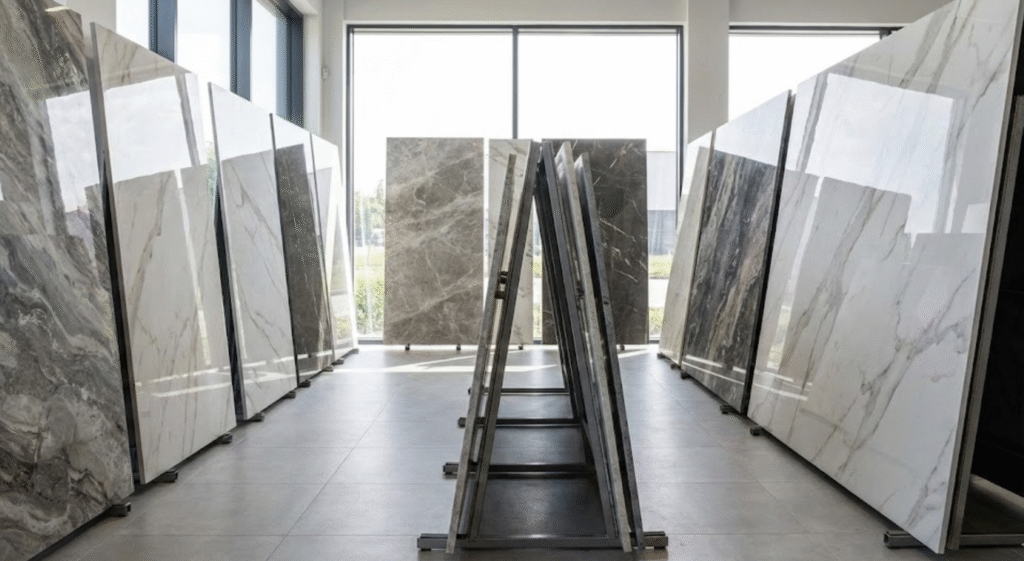
توفر ألواح البورسلين مظهرًا أنيقًا وسلسًا للمشاريع المعمارية الحديثة. هذه الألواح كبيرة الحجم تقاوم الرطوبة والبقع، مما يجعلها خياراً عملياً للمناطق ذات الازدحام الشديد أو المناطق المكشوفة. ونظراً لأنها تأتي بأنسجة مختلفة مثل الحجر والخشب والخرسانة، فإنها توفر خيارات تصميم متعددة الاستخدامات لأي مساحة خارجية.
نحن ننتج هذه الألواح لتلبية المعايير العالمية، مما يضمن الاتساق عبر التطبيقات واسعة النطاق. تخلق عملية التصنيع مواد كثيفة تتحمل الأشعة فوق البنفسجية دون أن يبهت لونها. وتقلل هذه المتانة من احتياجات الصيانة على المدى الطويل مع الحفاظ على المظهر المرئي للفلل الفاخرة والمنازل الحضرية.
لمحة سريعة:
- 📍الموقع: المعيار العالمي
- 🏭 القوة الأساسية: ألواح بورسلين كبيرة الحجم ذات تشطيبات مختلفة الملمس
- 🌍 الأسواق الرئيسية: المنازل الحضرية والفلل الفاخرة والتصميمات الخارجية المعاصرة
لماذا اخترناهم:
| ✅ المكاسب | ⚠️ المبادلات ⚠️ |
|---|---|
|
|
ألواح الأسمنت الليفي
تستخدم ألواح الأسمنت الليفي مزيجاً من الأسمنت والرمل وألياف السليلوز لإنشاء طبقة خارجية قوية لمختلف أنواع المباني. تقاوم هذه المادة البهتان والتشقق والآفات، مما يوفر بديلاً متيناً للألواح الجانبية التقليدية. وهي تسمح لأصحاب المنازل بالحصول على مظهر الخشب أو الطوب أو الحجر دون الحاجة إلى الصيانة الثقيلة المرتبطة عادةً بتلك المواد الطبيعية.
تعمل هذه الألواح بشكل جيد في البيئات ذات الرطوبة العالية والأمطار المتكررة. وتضمن تركيبتها عدم التواءها أو تعفنها عند تعرضها للرطوبة لفترات طويلة. ونظراً لأنها مقاومة للحريق، فإنها توفر مستوى إضافي من الحماية للمنازل في مختلف المناخات والمناطق.
لمحة سريعة:
- 📍الموقع: المعيار العالمي
- 🏭 القوة الأساسية: ألواح الكسوة الأسمنت الليفي مع تشطيبات الخشب والطوب والحجر
- 🌍 الأسواق الرئيسية: المنازل الحديثة والتقليدية والمعاصرة؛ المناطق ذات الرطوبة العالية
لماذا اخترناهم:
| ✅ المكاسب | ⚠️ المبادلات ⚠️ |
|---|---|
|
|
الكسوة المعدنية (ألومنيوم/فولاذ)
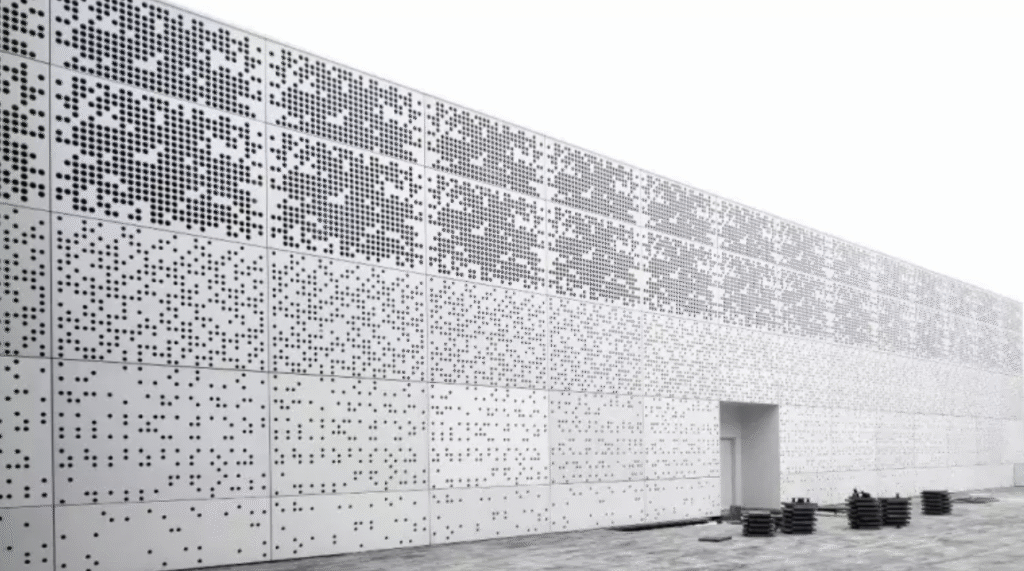
تُستخدم الكسوة المعدنية كدرع متين للهياكل الحديثة، حيث تجمع بين خفة الوزن والسلامة الهيكلية العالية. وتستخدم هذه الأنظمة مواد مثل الألومنيوم والفولاذ لإضفاء لمسة نهائية أنيقة تقاوم التآكل المعتاد في الألواح الجانبية التقليدية، مثل الالتواء أو التشقق. ونظراً لأن هذه الألواح قابلة لإعادة التدوير بالكامل، فإنها توفر خياراً عملياً للمشاريع التي تركز على تقليل الآثار البيئية دون التضحية بمرونة التصميم.
يقوم المصنعون بإنتاج هذه الألواح بطبقات طلاء متطورة تمنع الصدأ وتحافظ على حيوية الألوان على مدار عقود عديدة. وتتيح براعة عملية التصنيع إمكانية إجراء ثقوب معقدة وتركيبات فريدة من نوعها، بما يلبي رؤى معمارية محددة. وغالباً ما يحدد المهندسون هذه الأنظمة المعدنية للبيئات الحضرية حيث تكون مقاومة العناصر ومتطلبات الصيانة المنخفضة ضرورية للأداء طويل الأجل.
لمحة سريعة:
- 📍الموقع: المعيار العالمي
- 🏭 القوة الأساسية: ألواح الألومنيوم المركب (ACP)، والفولاذ المجلفن، والفولاذ المقاوم للعوامل الجوية
- 🌍 الأسواق الرئيسية: الأبراج الحضرية الشاهقة، والعقارات التجارية، والمنازل الحديثة، والمساكن المعاصرة
لماذا اخترناهم:
| ✅ المكاسب | ⚠️ المبادلات ⚠️ |
|---|---|
|
|
كسوة الحجر الطبيعي
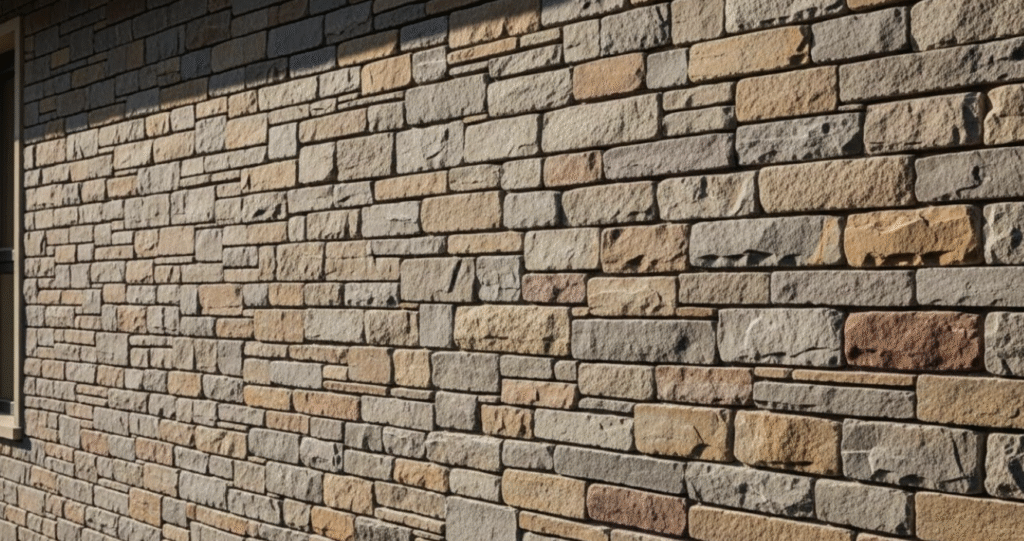
توفر الكسوة الحجرية الطبيعية مستوى لا مثيل له من الأناقة للمنازل الفاخرة والعقارات التقليدية. ونعرفها بمتانتها الاستثنائية وخصائصها العازلة الطبيعية التي تعزز الأداء الحراري للمبنى. وغالباً ما يختار البناؤون هذه المواد لأنها تضفي مظهراً قوياً وأصيلاً لا يمكن للبدائل الهندسية أن تحاكيه.
تركز الصناعة على القشرة الحجرية الطبيعية عالية الجودة وألواح الكسوة المكسوة المقطوعة بدقة والتي تُعد معياراً عالمياً للتشطيبات الخارجية الراقية. تلبي هذه الحلول احتياجات الأسواق الفاخرة على وجه التحديد حيث تكون الأولوية للقيمة طويلة الأجل والتكامل المعماري على حساب التكاليف الأولية المنخفضة. تضمن عملية الاستخراج والتحضير أن تحافظ كل قطعة على الخصائص الفريدة للصخور الطبيعية.
لمحة سريعة:
- 📍الموقع: المعيار العالمي
- 🏭 القوة الأساسية: قشرة الحجر الطبيعي وألواح الكسوة الحجرية الطبيعية
- 🌍 الأسواق الرئيسية: المنازل الفاخرة، والتصميمات الخارجية الراقية، والعقارات التقليدية
لماذا اخترناهم:
| ✅ المكاسب | ⚠️ المبادلات ⚠️ |
|---|---|
|
|
ألواح الكسوة الخشبية
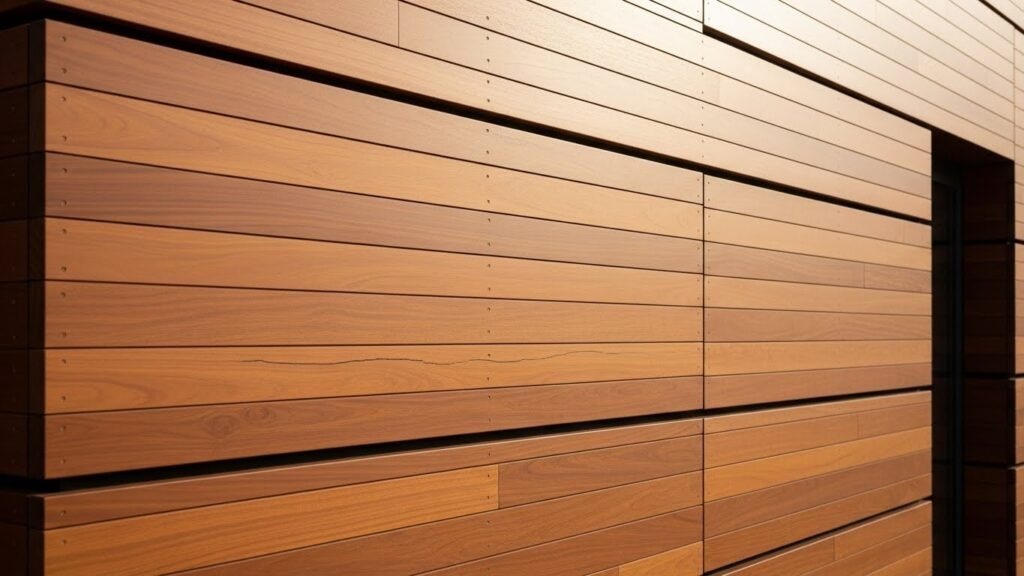
توفر ألواح الكسوة الخشبية جاذبية جمالية متميزة تضفي الدفء الطبيعي على أي مشروع معماري. تعمل هذه المواد بنجاح على سد الفجوة بين السحر التقليدي واحتياجات التصميم المعاصر، مما يجعلها خياراً شائعاً للتطبيقات الداخلية والخارجية على حد سواء. وكثيراً ما يختار أصحاب المنازل هذه الألواح لخلق جو ترحيبي يكمل مختلف أنماط المنازل.
لا يزال الاهتمام بهذه المنتجات مرتفعاً، خاصةً خلال مواسم ذروة التجديد عندما يركز أصحاب المنازل على التحسينات. تشمل المجموعة المتوفرة العديد من التشطيبات الشائعة مثل خشب البلوط والجوز وخشب الساج والقيقب لتلبية التفضيلات البصرية المختلفة. وفي حين أن هذه الألواح تعزز من طابع المبنى، فإن احتياجات العناية والصيانة المحددة تختلف باختلاف نوع الخشب المختار للتركيب.
لمحة سريعة:
- 📍الموقع: المعيار العالمي
- 🏭 القوة الأساسية: ألواح الكسوة الخشبية ذات التشطيبات الخشبية المختلفة (خشب البلوط والجوز وخشب الساج والقيقب)
- 🌍 الأسواق الرئيسية: المنازل التقليدية والانتقالية والكلاسيكية؛ مشاريع التجديد
لماذا اخترناهم:
| ✅ المكاسب | ⚠️ المبادلات ⚠️ |
|---|---|
|
|
قشرة القرميد
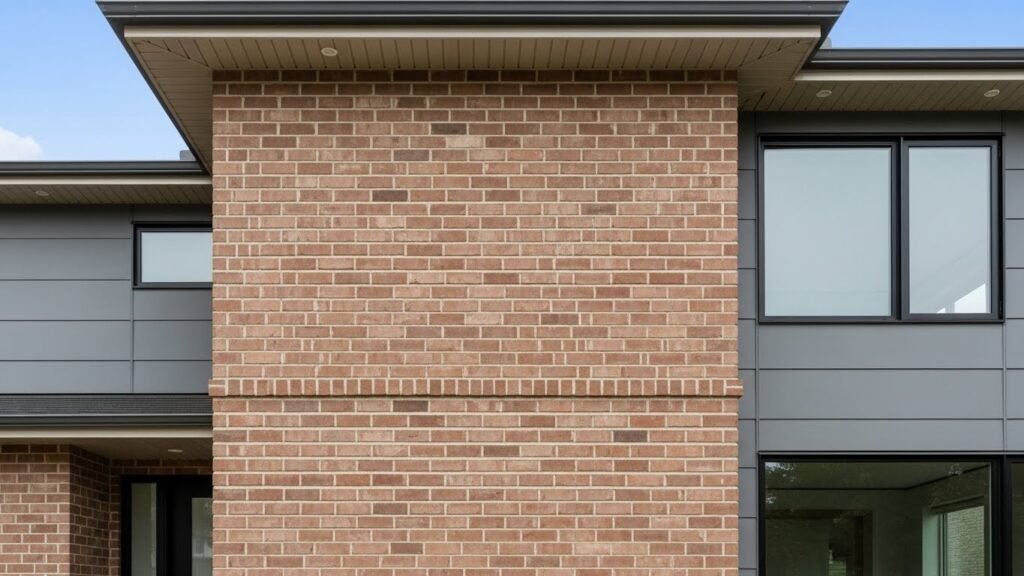
توفر قشرة القرميد طلاءً خارجياً كلاسيكياً يناسب كلاً من الترميمات التراثية والتصاميم السكنية الحديثة. وهي تعمل كطبقة واقية متينة، وتوفر المظهر الخارجي للبناء التقليدي مع تعزيز كفاءة الطاقة من خلال كتلتها الحرارية الطبيعية.
ويختار البناؤون هذه الأنظمة لقدرتها على حماية الهياكل من العوامل الجوية القاسية مع توفيرها قدرة كبيرة على إخماد الصوت. لا يزال خيار الكسوة هذا عنصرًا أساسيًا في الهندسة المعمارية العالمية لأنه يوفر متانة طويلة الأجل دون التعقيد الهيكلي للجدران الصلبة المصنوعة من الطوب.
لمحة سريعة:
- 📍الموقع: المعيار العالمي
- 🏭 القوة الأساسية: أنظمة تكسية القشرة القرميدية
- 🌍 الأسواق الرئيسية: المنازل التقليدية والانتقالية والكلاسيكية
لماذا اخترناهم:
| ✅ المكاسب | ⚠️ المبادلات ⚠️ |
|---|---|
|
|
صفائح ACP (ألواح الألومنيوم المركب)
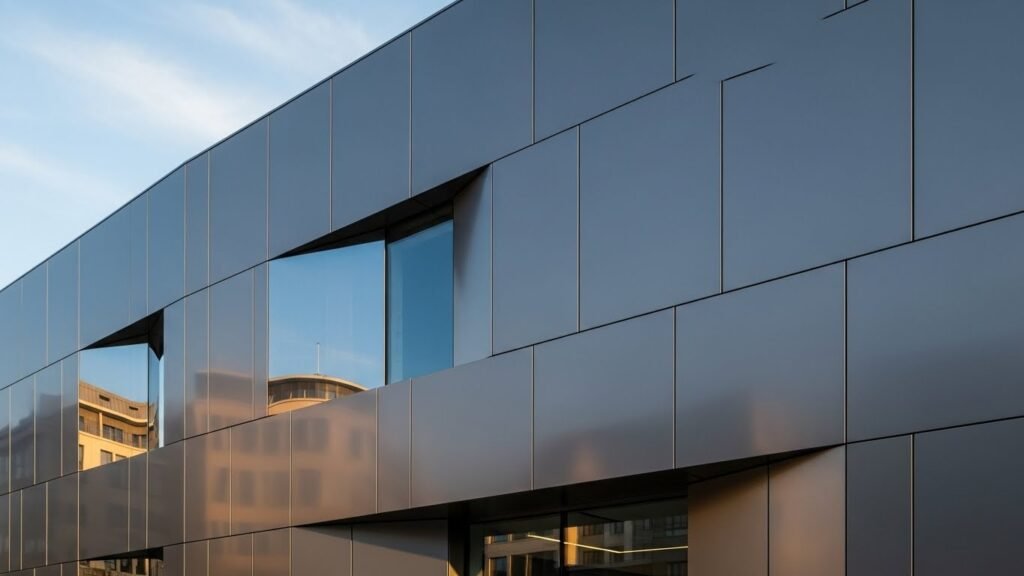
تجمع هذه الألواح بين السلامة الهيكلية للمعدن ومرونة البلاستيك لإنشاء مواد بناء مقاومة للعوامل الجوية. وهي توفر قوة تأثير عالية وخصائص مقاومة للهب مما يجعلها موثوقة في بيئات البناء المختلفة. يعمل التصميم خفيف الوزن على تبسيط عملية التركيب للبنائين والمهندسين المعماريين على حد سواء.
وغالباً ما يختار المصممون هذه الألواح لخيارات اللمسات النهائية المتنوعة، بما في ذلك القوام الخشبي والحجري والرخامي الواقعي. تدعم هذه المواد ممارسات البناء المستدامة من خلال قابليتها لإعادة التدوير. تُعد هذه الألواح خياراً عملياً لكل من المشاريع السكنية الحديثة والمشاريع التجارية واسعة النطاق.
لمحة سريعة:
- 📍الموقع: المعيار العالمي
- 🏭 القوة الأساسية: ألواح ACP ذات الملمس الخشبي والملمس الحجري والتشطيبات ذات الملمس الرخامي
- 🌍 الأسواق الرئيسية: عقارات سكنية وتجارية حديثة، وتصميمات مراعية للبيئة
لماذا اخترناهم:
| ✅ المكاسب | ⚠️ المبادلات ⚠️ |
|---|---|
|
|
معايير الترتيب (التكلفة والحياة والسلامة)
ينطوي تصنيف الكسوة الخارجية على تقييم التكلفة الإجمالية للملكية مقابل العمر التشغيلي المتوقع للمادة وأداء السلامة. وتتميز الأنظمة عالية الأداء بتصنيفات الحرائق من الفئة A2، وعمر افتراضي يتجاوز 50 عاماً، وتوازن بين نفقات المواد الأولية وعمالة التركيب المتخصصة.
التقييم المالي: تكاليف المواد والعمالة
تتقلب أسعار المواد بناءً على التركيب وتعقيد التصنيع. يبدأ سعر الفينيل للمبتدئين من $0.85 للقدم المربع، بينما تصل قشرة الحجر الطبيعي الراقية إلى $30 أو أكثر. وبالإضافة إلى سعر الشراء، غالباً ما تحدد نفقات التركيب الميزانية النهائية. تستلزم المواد الثقيلة مثل الحجر الطبيعي أعمال البناء المتخصصة والتعزيزات الهيكلية، مما يزيد من عبء العمل. بالنسبة للتطويرات التجارية لعام 2026، ظهرت الألواح الحجرية المرنة والأسمنت الليفي كحل وسط، مما يوفر جماليات متميزة مع تقليل متطلبات العمالة.
العمر التشغيلي والسلامة الهيكلية
تقيس مقاييس المتانة قدرة المادة على تحمل الإجهاد البيئي على مدى 20 إلى 50 عامًا. يتصدر الحجر الطبيعي وقشرة القرميد الصناعة من حيث طول العمر، وكثيراً ما تتجاوز مدة خدمته 50 عاماً مع الحد الأدنى من احتياجات الصيانة. وتخضع المواد المركبة الهندسية الحديثة والحجر المرن لاختبارات صارمة للتجمد والذوبان لضمان الأداء في المناخات القاسية. يجب أن تحافظ هذه المواد على ثبات هيكلها حتى في درجات حرارة منخفضة تصل إلى -40 درجة مئوية لمنع التشقق أو التفكك في المناطق ذات خطوط العرض المرتفعة.
السلامة من الحرائق والشهادات البيئية
تركز تصنيفات السلامة على مقاومة الحرائق وإدارة الرطوبة. ويحدد الامتثال لمعايير ASTM وتصنيفات الحرائق من الفئة A2 المواد المناسبة للمباني الحضرية عالية الكثافة. يقوم المهندسون باختبار قدرات العزل المائي عند ضغط 0.3 ميجا باسكال لضمان أن تمنع الأنظمة اختراق الرطوبة وما يتبعه من تعفن هيكلي. بالإضافة إلى ذلك، تلعب الشهادات البيئية مثل LEED وISO14000 دوراً متزايداً في اختيار المواد. وتسلط هذه المعايير الضوء على المنتجات ذات عمليات التصنيع المستدامة ومعدلات العيوب المنخفضة، مما يضمن موثوقية طويلة الأجل للمطورين.
جدول المقارنة: السعر مقابل الوزن
يركز التخطيط المعماري لعام 2026 على المواد التي توازن بين قيود الميزانية والكفاءة الهيكلية. وتوفر الألواح الحجرية المرنة حلاً متوسط التكلفة بينما يقل وزنها بما يصل إلى 901 تيرابايت 3 طن عن الحجر التقليدي، مما يقلل بشكل كبير من الحاجة إلى الأساسات المقواة وأجهزة التركيب الثقيلة.
| مواد التكسية | السعر المقدر (دولار أمريكي/م²) | الكتلة لكل متر مربع |
|---|---|---|
| الألواح الحجرية المرنة | $20 - $50 | 5 كجم - 10 كجم |
| ألواح الحجر الطبيعي | $100+ | 150 كجم - 300 كجم |
| ألواح الأسمنت الليفي | $30 - $85 | 15 كجم - 25 كجم |
| مركب الألومنيوم (ACP) | $50 - $300 | 3 كجم - 8 كجم |
معايير التسعير السوقية لعام 2026
تحافظ الألواح الحجرية المرنة على تكلفة تتراوح بين $20 و$50 للمتر المربع الواحد في مشاريع التطوير لعام 2026. ويبقى الحجر الطبيعي في أعلى مقياس الأسعار، وغالباً ما يتجاوز $100 للمتر المربع الواحد قبل حساب أعمال البناء المتخصصة. تختلف أسعار الجص والأسمنت الليفي حسب أسواق العمل المحلية والاحتياجات المحددة لموقع البناء.
يتطلب وضع ميزانية للواجهات الحديثة النظر إلى ما هو أبعد من سعر الشراء الأولي. وفي حين أن الفينيل والأسمنت الليفي الأساسي يوفران تكاليف أولية أقل، فإن الألواح الحجرية المرنة توفر القيمة الجمالية للبناء الفاخر بجزء بسيط من التكلفة. ويساعد استقرار التصنيع للأحجار المصممة هندسياً المطورين على تثبيت الأسعار للمشاريع واسعة النطاق، وتجنب تقلب الأسعار الذي نشهده في أسواق الأخشاب الخام أو المعادن المتخصصة.
تأثير الوزن على المتطلبات الهيكلية والشحن
تزن الألواح الحجرية المرنة من 5 إلى 10 كجم لكل متر مربع، مما يخفف الحمل على الإطارات الهيكلية للبناء الشاهق. تتطلب الأحجار الطبيعية السميكة مثبتات ضخمة وأساسات أقوى لدعم الجزء الأكبر منها. ويسمح اختيار مواد أخف وزناً للمهندسين بتحديد عوارض فولاذية أقل سمكاً وخرسانة أقل، مما يحقق وفورات مباشرة في هيكل المبنى الأساسي.
يؤدي التحول إلى مواد أخف وزناً إلى خفض تكاليف الشحن وتقليل رسوم الوقود الإضافية، مما يساعد مديري المشاريع على البقاء في حدود الميزانية. ونظراً لأن الألواح الحجرية المرنة رقيقة وخفيفة، يمكن لحاوية شحن واحدة أن تستوعب مساحة تغطية أكبر بكثير مما يمكن أن تستوعبه الألواح الحجرية التقليدية. تعمل هذه الكفاءة على تسريع الجداول الزمنية للتسليم وتقلل من البصمة الكربونية الإجمالية لعملية الشراء.
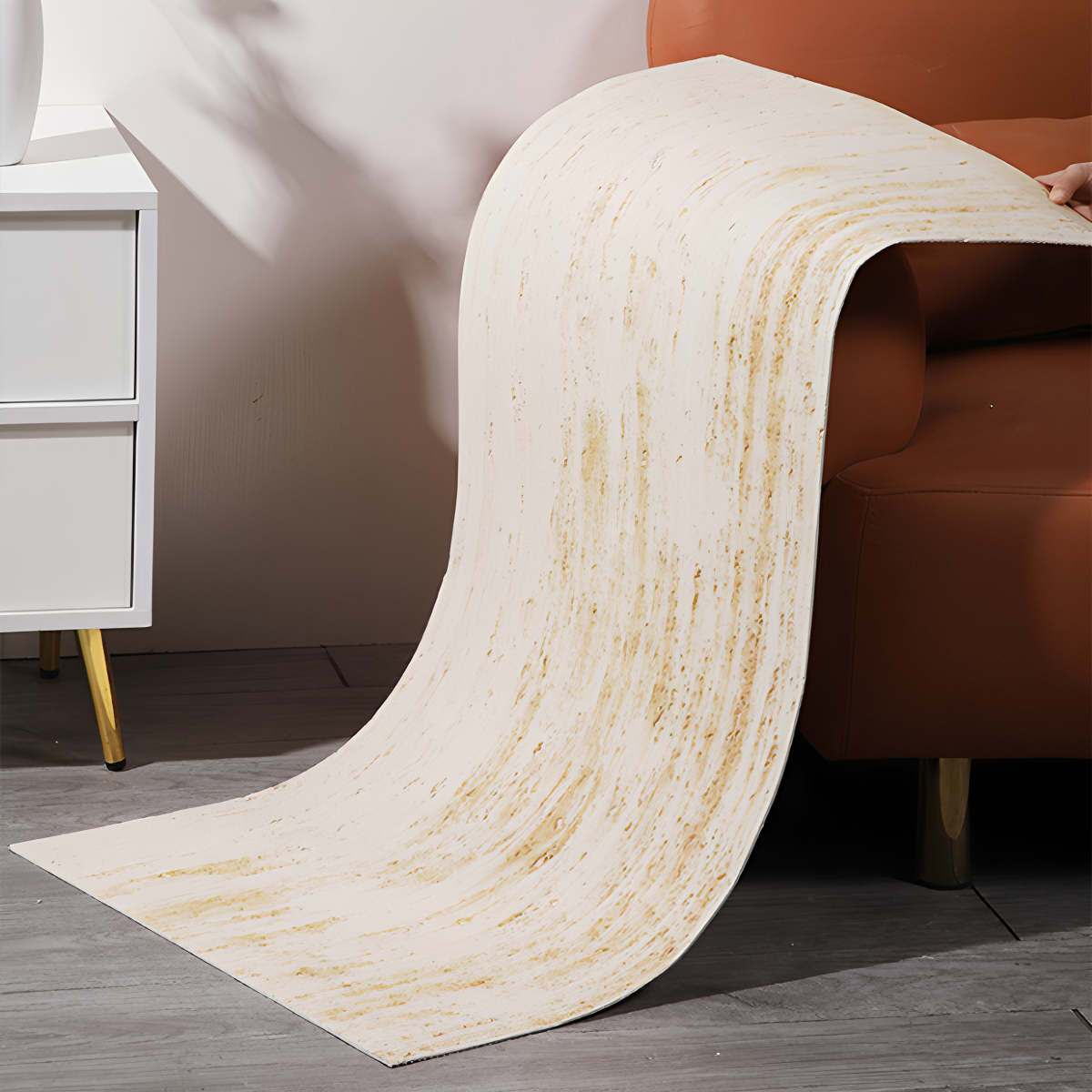
حوّل مساحتك باستخدام القشرة الحجرية المرنة المتميزة
الخاتمة: الفائز في المجال التجاري
تبرز الألواح الحجرية المرنة كأفضل خيار للتكسية التجارية لعام 2026، حيث تقدم حلاً خفيف الوزن من الفئة A2 المقاوم للحريق يحاكي القوام المتميز من خلال الطباعة ثلاثية الأبعاد مع تقليل التكاليف الهيكلية ووقت التركيب.
الحجر المرن كخيار أساسي للواجهات التجارية لعام 2026
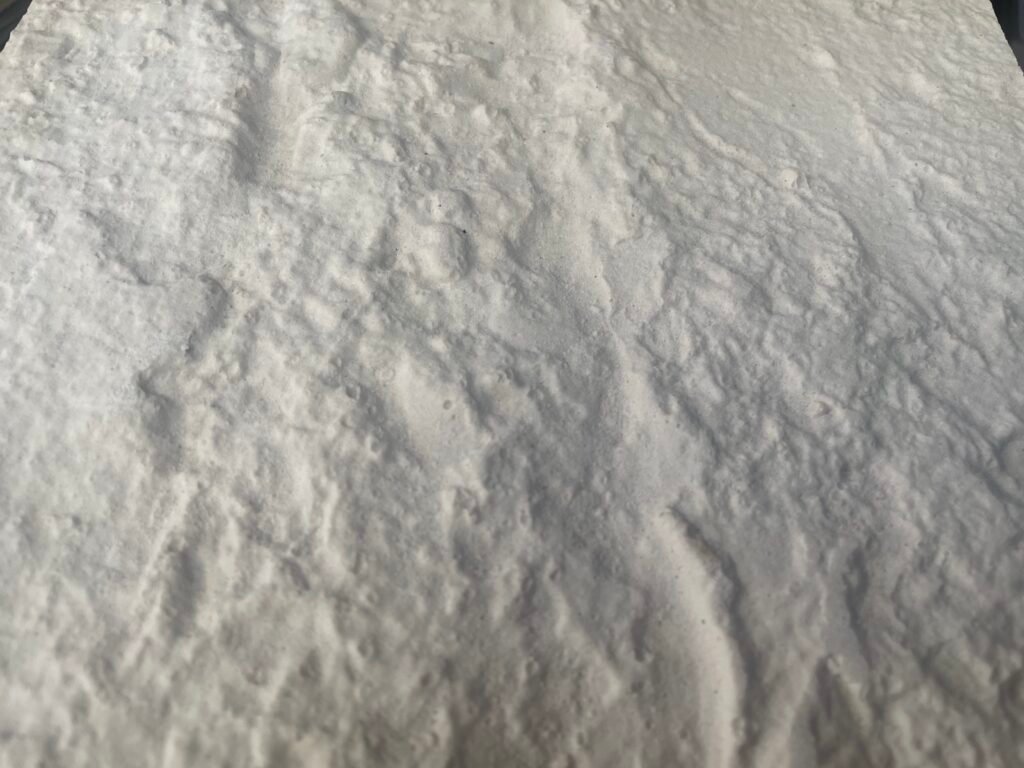
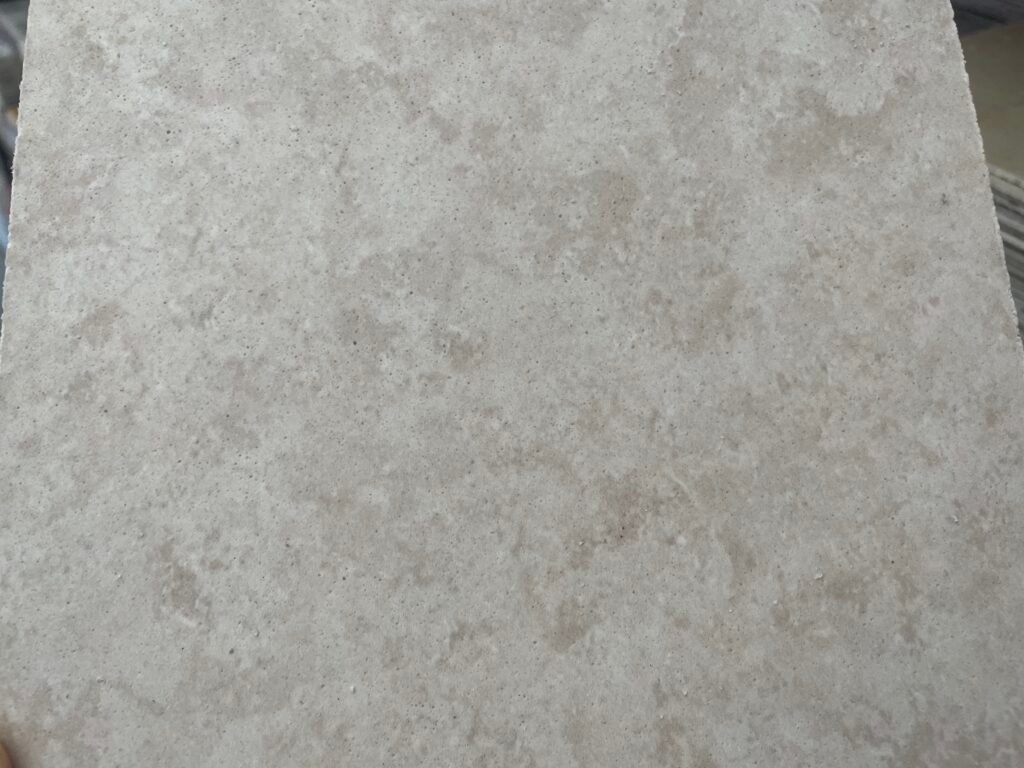
تتصدّر الألواح الحجرية المرنة السوق في عام 2026 من خلال الجمع بين تصنيف الحريق من الفئة A2 مع وزن خفيف يتراوح بين 5 و10 كجم لكل متر مربع. تضمن هذه المواصفات الفنية الامتثال لقوانين البناء الصارمة في المناطق الحضرية دون عقوبات الوزن المرتبطة بالحجر التقليدي أو البناء الثقيل. تتعامل هذه المادة مع الدورات الحرارية القصوى، وتحافظ على السلامة الهيكلية في درجات حرارة منخفضة تصل إلى -40 درجة مئوية دون تشقق أو تقشّر، مما يجعلها مناسبة لمختلف المناطق الجغرافية.
تسمح تكنولوجيا الطباعة ثلاثية الأبعاد المتقدمة للمطورين بتحقيق جماليات الرخام أو الخشب أو المعدن الراقية مع البقاء ضمن قيود الميزانية التجارية. توفر هذه الألواح العمق البصري للمواد الطبيعية دون الحاجة إلى الاستخراج الكثيف للموارد أو تكاليف الشحن المرتفعة. يختار المهندسون المعماريون هذه الحلول للمشاريع التي تتطلب مظهراً متميزاً إلى جانب معايير الأداء الحديثة.

تعظيم العائد على الاستثمار في المشروع مع حلول الكسوة الحديثة
يقلل المهندسون المعماريون من تكاليف التعزيز الهيكلي لأن الطبقات الحجرية الرقيقة التي يتراوح قطرها بين 3 و5 مم تضيف الحد الأدنى من الحمل الميت إلى إطار المبنى. ومن خلال الاستغناء عن الحاجة إلى أنظمة الدعم الثقيلة، يعيد المطورون تخصيص الميزانية لمراحل أخرى مهمة من البناء. تتم عملية التركيب على الأسطح المنحنية والأعمدة والأقواس بشكل أسرع من البناء التقليدي، مما يقلل بشكل كبير من ساعات العمل ويبسط الخدمات اللوجستية في الموقع.
تظل كفاءة المشتريات عاملاً رئيسيًا في ربحية المشروع. يساعد انخفاض موك 200 متر مربع وتسليم العينات السريع خلال 7 أيام فرق المشتريات على الوفاء بالجداول الزمنية الصارمة للبناء لعام 2026. تقلل سلاسل التوريد المبسطة هذه من فترات الانتظار وتسمح بتسريع معدل دوران المشروع، مما يؤدي في النهاية إلى زيادة العائد على الاستثمار في المشاريع التجارية واسعة النطاق.
الأسئلة المتداولة
ما هي المواد التي توفر أفضل توازن للكسوة الخارجية في عام 2026؟
تتصدر ألواح الألومنيوم المركب (ACP) السوق بفضل متانتها ومرونة تصميمها. كما أنها توفر مقاومة قوية للصدمات وخصائص مقاومة للهب مما يجعلها مناسبة للمباني الحضرية الحديثة. بالنسبة للمشاريع التي تتطلب جمالية طبيعية، توفر الألواح الحجرية المرنة بديلاً خفيف الوزن ومتعدد الاستخدامات.
ما هو أكثر الجوانب الجانبية تحملاً للظروف الجوية القاسية؟
تُصنف ألواح الأسمنت الليفي باستمرار على أنها الخيار الأكثر متانة، وغالباً ما تدوم 50 عاماً أو أكثر. فهو يقاوم الحرائق والآفات والأضرار الناجمة عن الرطوبة. كما يوفر انحياز الفولاذ أيضاً الحماية في المناطق المعرضة للرياح العاتية أو الحرائق بسبب مقاومته للصدمات الصناعية.
ما هي الطريقة الأكثر فعالية من حيث التكلفة لتكسية المبنى؟
لا تزال الكسوة المصنوعة من الفينيل أو الكسوة المصنوعة من الفينيل أو الفينيل البلاستيكي الخيار الأكثر ملاءمة للميزانية، حيث تتراوح تكاليف المواد بين $0.85 و$3 للقدم المربع. أما بالنسبة لأولئك الذين يبحثون عن قيمة طويلة الأجل، فإن الكسوة المركبة والألواح الحجرية المرنة تقلل من النفقات المستقبلية لأنها لا تتطلب طلاء أو ختم متكرر.
ما هي مواد الواجهات الرائجة للمشاريع المعمارية لعام 2026؟
يختار المهندسون المعماريون بشكل متزايد ألواح البورسلين وأنظمة الألومنيوم لعام 2026. وتوفر هذه المواد مقاومة عالية للأشعة فوق البنفسجية والرطوبة مع توفير مظهر سلس وعصري. كما أن الحجر المرن خفيف الوزن يتجه أيضاً لقدرته على تغطية الأسطح المنحنية وانخفاض تكاليف الشحن.
هل هناك أي خيارات متاحة للتكسية الخالية من الصيانة؟
لا توجد مادة خالية تماماً من الصيانة، ولكن لا توجد مواد لا تحتاج إلى صيانة تماماً، ولكن الـ PVC الخلوي والكسوة المركبة والألومنيوم تقترب من ذلك. تقاوم هذه الخيارات العفن والحشرات، وعادةً ما تتطلب فقط شطفها بالماء من حين لآخر للحفاظ على مظهرها.
الأفكار النهائية
يتطلب اختيار مادة الكسوة تحقيق التوازن بين الحمل الإنشائي والسلامة من الحرائق والميزانية. توفر الألواح الحجرية المرنة حلاً عملياً للمشاريع التجارية لعام 2026. توفر هذه المواد ملمس الحجر الطبيعي ولكن وزنها أقل بكثير، مما يسهل عملية التركيب. يساعد استخدامها فرق العمل على تلبية معايير الحرائق من الفئة A2 مع الحفاظ على تكاليف العمالة والمواد التي يمكن التحكم فيها.
يعتمد التصميم الفعال للمباني على الاختيار الذكي للمواد. حيث تقلل أنظمة الواجهات الأخف وزناً من الحاجة إلى التعزيزات الفولاذية الثقيلة والأساسات الضخمة. يقلل هذا الاختيار بشكل مباشر من نفقات البناء ويقلل من الجداول الزمنية للمشروع. يقوم مديرو المشاريع الذين يركزون على هذه البدائل الحديثة بإنشاء مبانٍ متينة وآمنة وفعالة من حيث التكلفة.
 Arabic
  English
  Spanish
  French
  German