 تخطي إلى المحتوى
تتوقف إدارة تكلفة إزالة الجدران على تجنب تلف الجدران عند انتهاء عقد الإيجار التجاري. فغالباً ما ينتج عن شرط “التصليح” فواتير غير متوقعة، تتراوح أحياناً بين $400-$600 لكل متر مربع، لإصلاح الحوائط الجافة التي دمرت بسبب إزالة البلاط التقليدي أو القشرة الحجرية.
يقارن هذا التحليل بين الهدم التدميري ونهج “التجديد بدون هدم”. نحن ندرس كيف أن عملية ‘الإزالة الحرارية والتقشير’ للألواح الحجرية المرنة تترك الجدار الأصلي سليماً، مما يساعدك على الوفاء بالتزامات الإيجار وتجنب النزاعات المكلفة مع المالك.
كابوس شرط “اجعلها جيدة”
يُجبر شرط “الإصلاح” المستأجرين على دفع تكاليف ترميم العقار، وغالباً ما يكلف ذلك مئات الأمتار المربعة. أما المواد التي يتم تركيبها فوق الأسطح الموجودة وإزالتها دون ضرر فتقلل من هذه النفقات.
فهم تكاليف والتزامات إلغاء الملاءمة
يعد شرط “الاستيفاء” جزءًا قياسيًا من عقود الإيجار التجارية. فهو يتطلب قانوناً من المستأجرين إعادة المساحة إلى حالتها الأصلية “العارية” عند مغادرتهم. وهذا ليس مجرد تنظيف بسيط. يمكن أن تتراوح تكاليف إعادة التهيئة من 1 تيرابايت إلى 400 تيرابايت إلى 1 تيرابايت إلى 600 تيرابايت للمتر المربع الواحد، اعتماداً على مقدار التغييرات التي أدخلتها على المساحة.
تأتي أكبر المشاكل والنفقات من إزالة تشطيبات الجدران الدائمة. فغالباً ما يؤدي تمزيق البلاط التقليدي أو القشرة الحجرية إلى إتلاف الحوائط الجافة أو الركيزة الأساسية مما يؤدي إلى إصلاحات مكلفة ونزاعات مع المالك حول الفاتورة النهائية.
الحد من المسؤولية من خلال ‘التجديد بدون هدم’
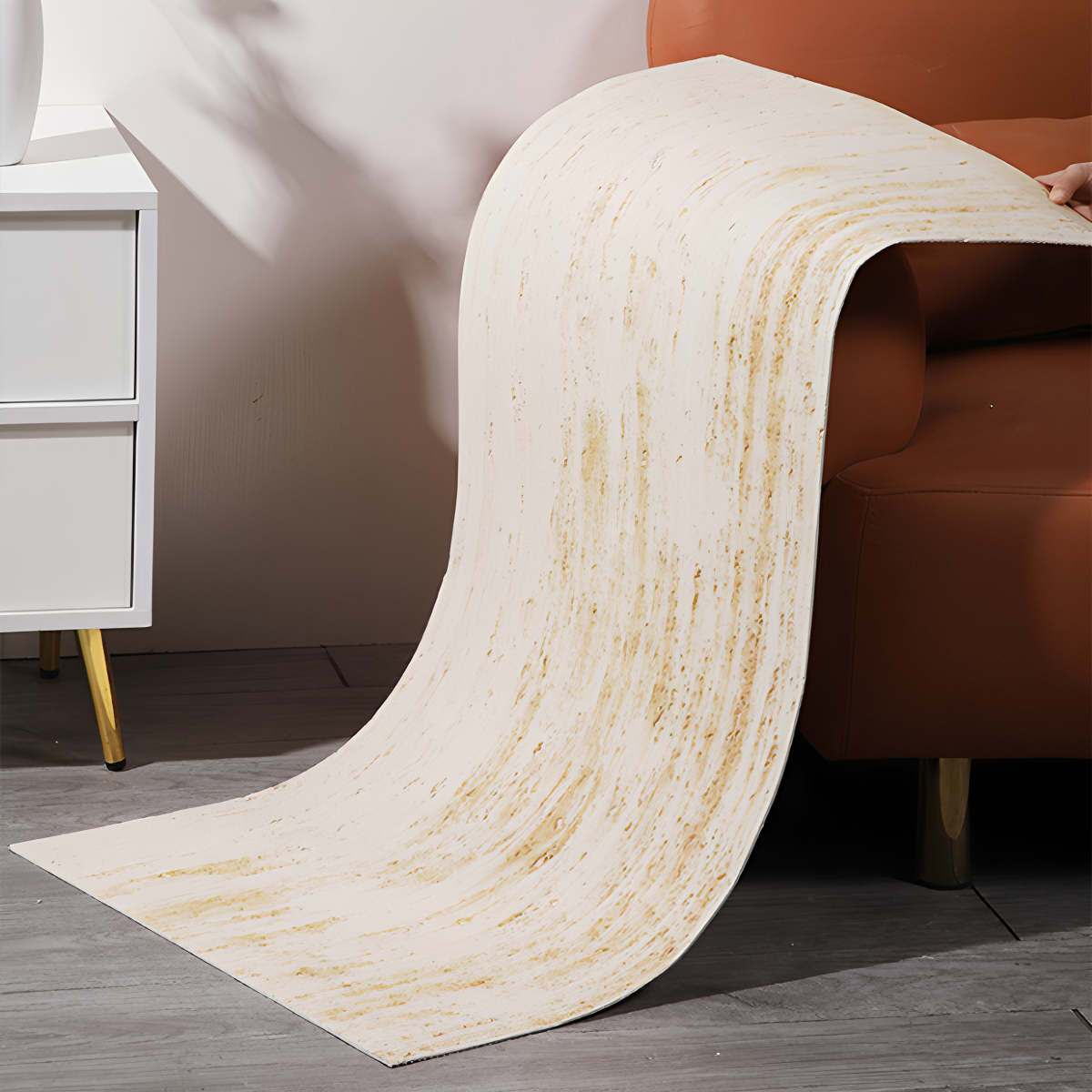
إن اختيار المواد المناسبة منذ البداية هو أفضل طريقة لإدارة تكاليف إزالة التجهيزات المستقبلية. فعلى سبيل المثال، تتيح الألواح الحجرية المرنة نهج “التجديد بدون هدم”. فهي رقيقة وخفيفة الوزن بما يكفي لتركيبها مباشرةً فوق الجدران القائمة، بما في ذلك بلاط السيراميك القديم أو ألواح الجبس.
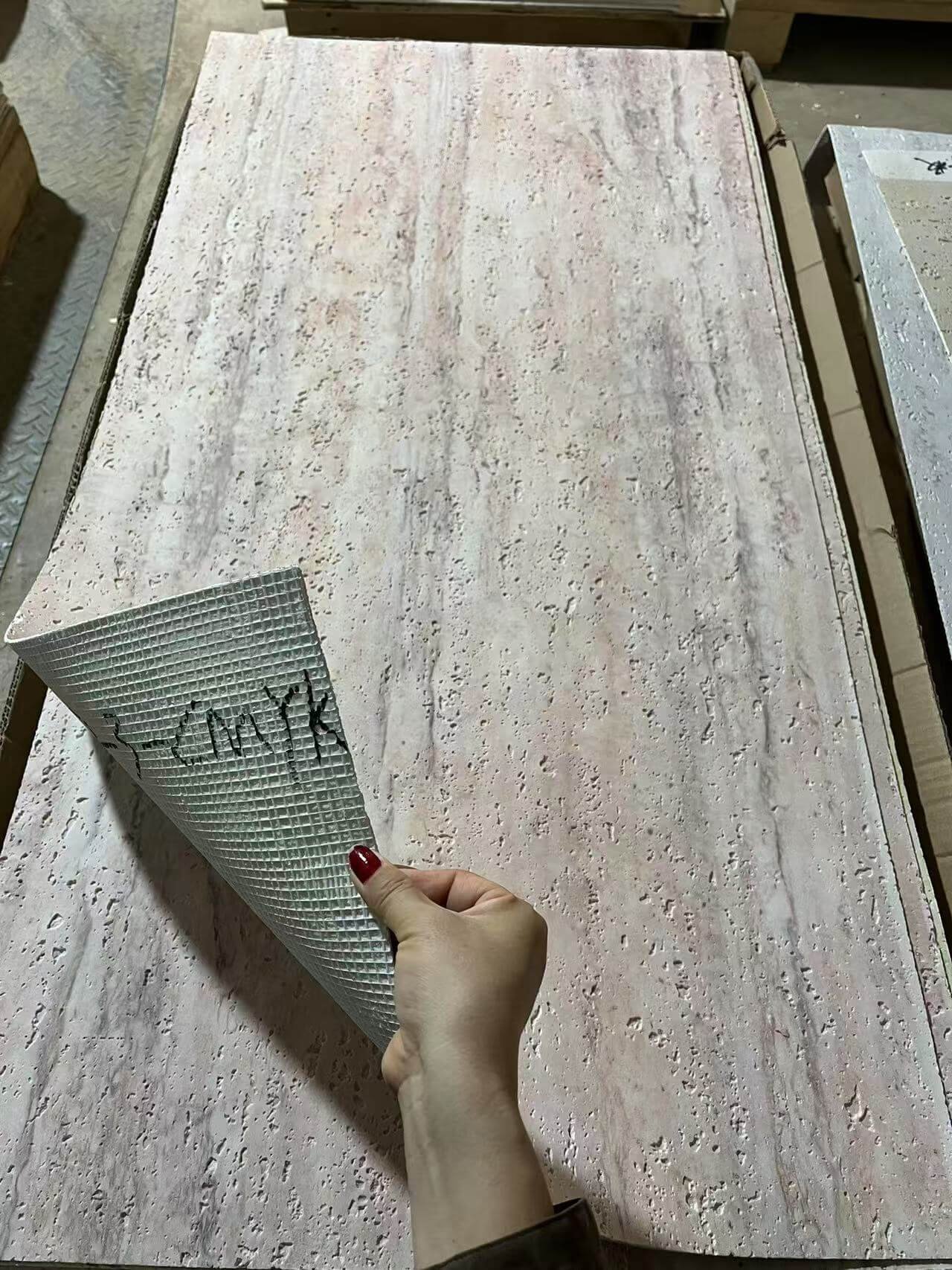
تتجنب طريقة “التراكب المباشر” هذه التغييرات الهيكلية الدائمة وتقلل من الأضرار التي تلحق بالأسطح الأصلية. عند انتهاء عقد الإيجار، تكون إزالة هذه الألواح أبسط بكثير من هدم الجدار المبلّط. وهذا يبسّط عملية إزالة التجهيزات بالكامل، مما يساعد المستأجرين على الوفاء بالتزاماتهم وتجنب العقوبات الباهظة من الملاك.
إزالة الحجر المرن: استراتيجية الحرارة والتقشير
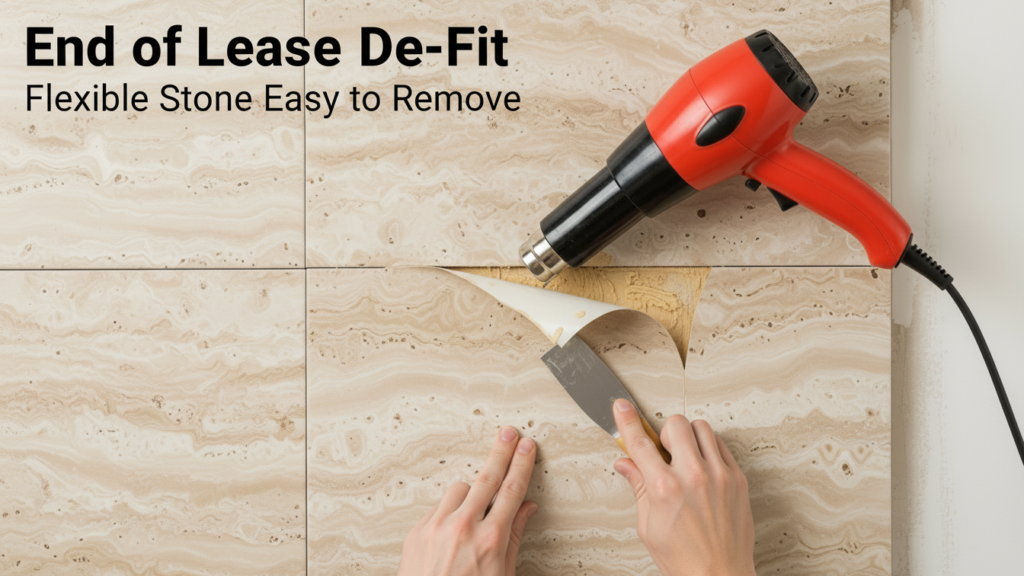
لإزالة الألواح الحجرية المرنة، استخدم مجفف الشعر لتليين المادة اللاصقة، ثم انزع اللوح برفق باستخدام سكين معجون. تقلل هذه الطريقة من الأضرار التي تلحق بالجدار.
تطبيق الحرارة المتحكم بها لتليين المادة اللاصقة
استخدم مجفف شعر قياسي أو مسدس حراري على إعداد منخفض. ضع الدفء بالتساوي على سطح اللوح الذي تخطط لإنزاله. الهدف بسيط: اجعل غراء البلاط الهيكلي خلف اللوح مرنًا. هذا هو مفتاح التحرير النظيف. هذه التقنية أساسية لفكرة “التجديد بدون هدم”، حيث إنها تهيئ اللوحة للإزالة بأقل قدر من القوة، وهو أمر بالغ الأهمية للمستأجرين الذين يتعاملون مع شروط الإزالة.
استخدام سكين المعجون للتقشير اللطيف
بمجرد أن تصبح المادة اللاصقة دافئة وناعمة، مرر سكين معجون رفيع خلف حافة اللوح. قم بالضغط ببطء وثبات نحو الخارج لتقشير اللوح بعناية بعيداً عن الركيزة. هذه الطريقة أنظف بكثير من إزالة البلاط التقليدي. فهي تتجنب الكميات الهائلة من الغبار والضرر الهيكلي للحوائط الجافة التي تصاحب أعمال الهدم التقليدية.
مصدر الألواح الحجرية المرنة المرنة القابلة للتخصيص والمميزة
الحد الأدنى من تلف الركيزة (إصلاح الحوائط الجافة)
الحد الأدنى من تلف الحوائط الجافة يعني إصلاحات تجميلية باستخدام السباكل والرمل. لا تترك إزالة الحجر المرن بالحرارة والتقشير إلا علامات سطحية فقط، مما يجعل ترميم الجدران أسرع وأرخص من إزالة البلاط.
الترقيع القياسي لعيوب الجدران الطفيفة
يشير التلف البسيط إلى المشاكل السطحية مثل ثقوب المسامير الصغيرة أو الخدوش الطفيفة أو الشقوق الشعرية. هذه مشاكل تجميلية لا تؤثر على السلامة الهيكلية للجدار. الإصلاح بسيط ولا يتطلب استبدال أجزاء من الحوائط الجافة.
تعتبر عملية الإصلاح قياسية في جميع أنحاء الصناعة. تقوم بوضع مركب سبكلينج لملء الخلل، وتتركه يجف، ثم تصقل المنطقة حتى تصبح ناعمة تماماً. الخطوة الأخيرة والحاسمة هي الطلاء التمهيدي. يضمن تطبيق دهان تمهيدي جيد أن تبدو طبقة الطلاء الجديدة متجانسة ويمنع المنطقة المصححة من الوميض أو الظهور.
كيف يعمل الالتصاق المباشر على تبسيط عملية ترميم الجدران
تتطلب المواد التقليدية مثل بلاط السيراميك أو القشرة الحجرية إزالة مدمرة. فغالباً ما يؤدي تقطيعها إلى تمزيق ورق الحائط الجاف، مما يضطرك في كثير من الأحيان إلى قطع واستبدال أجزاء كاملة من الحائط. ويتسبب ذلك في حدوث غبار وضوضاء وتكاليف عمالة كبيرة.
يستخدم الحجر المرن طريقة الالتصاق المباشر التي تتجنب هذه المشكلة. تتضمن استراتيجية إزالة ‘الحرارة والتقشير’ استخدام مصدر حراري لتليين المادة اللاصقة. يسمح ذلك بتقشير الألواح بشكل نظيف، مما يمنع تلف الركيزة الشائع عند الهدم. يتماشى هذا النهج مع نموذج “التجديد بدون هدم”، حيث تقتصر الإصلاحات على الترقيع البسيط والسريع بدلاً من استبدال الحوائط الجافة المكلفة والمزعجة.
مقارنة تكلفة إلغاء الملاءمة
إزالة التركيبات التقليدية تستهلك أموالاً طائلة على الهدم والنفايات ووقت التعطل. يتخطى نهج التراكب المباشر هذه التكاليف، مما يوفر الكثير من الوقت والمال في التجديدات التجارية.
| محركات التكلفة الأساسية في عملية إزالة التجهيزات التقليدية | وفورات من نهج ‘التجديد بدون هدم |
|---|---|
| تكاليف العمالة المرتفعة لأطقم الهدم لإزالة المواد القديمة مثل البلاط أو الحجر أو التجهيزات القائمة. | يتم التخلص من أعمال الهدم. تُركب ألواح JMS Decor المرنة مباشرةً فوق الجدار الموجود، مما يوفر الوقت وتكاليف الطاقم. |
| رسوم كبيرة لإدارة النفايات، بما في ذلك استئجار سلة المهملات والتخلص من جميع المواد التي تمت إزالتها. | اختفت رسوم التخلص من النفايات. بما أنه لا يوجد أي مخلفات بناء يجب نقلها أو دفع رسوم التخلص منها. |
| تكاليف غير متوقعة لإصلاح تلف الركيزة. فغالباً ما يؤدي تمزيق البلاط إلى تدمير الحوائط الجافة أو الخرسانة الأساسية، مما يتطلب أعمال ترقيع وإعداد. | يتم منع تكاليف إصلاح الركيزة. يتم الحفاظ على السطح الأصلي وحمايته، حيث يعمل كقاعدة ثابتة للألواح الجديدة. |
| تعطل الأعمال بشكل كبير وخسارة كبيرة في الإيرادات بسبب الضوضاء والغبار والاضطراب الذي يجعل من المستحيل تشغيلها. | يتيح استمرارية العمل. التركيب خالٍ من الغبار وهادئ، مما يسمح لمتاجر البيع بالتجزئة أو الفنادق بالبقاء مفتوحة أثناء التجديد. |
الأسئلة المتداولة
ما هو شرط ‘الاستحقاق’ في عقد الإيجار التجاري؟
يتطلب شرط ‘الإصلاح’ من المستأجر إعادة العقار إلى حالته الأصلية في نهاية عقد الإيجار. وغالباً ما يتضمن ذلك إزالة جميع التركيبات والفواصل واللافتات، بالإضافة إلى إعادة طلاء الجدران وإصلاحها. يمكن أن تختلف التكاليف بشكل كبير بناءً على مدى تعقيد التجهيزات الأصلية.
لماذا تعتبر إزالة الحجر أو البلاط التقليدي صعباً للغاية؟
يتم تثبيت الحجر والبلاط التقليدي على الجدران بملاط ثقيل. وتحتاج عملية الإزالة إلى عمالة كثيفة تنطوي على تقطيع المواد، مما يؤدي إلى حدوث غبار وضوضاء كبيرة. وغالباً ما تتسبب هذه الطريقة في إتلاف الحوائط الجافة الأساسية، وغالباً ما تتطلب استبدال سطح الحائط بالكامل.
كيف يمكن مقارنة إزالة الألواح الحجرية المرنة بالمواد التقليدية؟
يتم تركيب الألواح الحجرية المرنة من JMS Decor باستخدام مادة لاصقة متخصصة. ولإزالة التركيب، غالباً ما يمكن إزالتها عن طريق استخدام الحرارة لتليين المادة اللاصقة، مما يسمح بنزع الألواح عن الحائط. تقلل هذه العملية من الأضرار التي تلحق بالركيزة الأساسية، مما يقلل من الغبار والضوضاء وتكاليف الإصلاح.
هل يمكن تركيب الحجر المرن فوق البلاط الموجود مباشرةً؟
نعم. يمكن وضع أحجارنا المرنة مباشرةً على العديد من الأسطح النظيفة والثابتة، بما في ذلك بلاط السيراميك القديم والخرسانة والحوائط الجافة. وتعني إمكانية ‘التراكب المباشر’ هذه أنه يمكنك تجنب العملية المكلفة والمزعجة المتمثلة في هدم تشطيبات الجدران القديمة.
ما هي الموافقات المطلوبة بشكل عام للتجديدات التجارية؟
تتطلب معظم التجهيزات التجارية موافقة المالك قبل بدء أي عمل. واعتماداً على حجم المشروع، قد تحتاج أيضاً إلى تصريح بناء من المجلس المحلي للتأكد من أن المخططات تفي بقوانين السلامة من الحرائق وإمكانية الوصول. وعادةً ما يتم إصدار شهادة إشغال نهائية عند الانتهاء من المشروع.

 Arabic
  English
  Spanish
  French
  German