يؤدي إغلاق الغرف الفندقية للتجديد إلى خفض مخزون المنشأة القابل للبيع بشكل مباشر ويؤدي إلى تحريف مقاييس الأداء مثل RevPAR. وبما أن معايير التكلفة لكل غرفة مشغولة (CPOR) تصل الآن إلى $20-$40، فإن كل ليلة تبقى فيها غرفة رئيسية خارج الخدمة تزيد من النفقات العامة للغرف المتبقية. يحتاج مديرو الأصول إلى طرق تجديد تحمي تدفقات الإيرادات مع تحديث مساحات النزلاء.
نحن ننظر في لوجستيات الاستراتيجيات المرحلية المتدرجة في كل طابق على حدة والتي تقلل من شكاوى النزلاء بنسبة تصل إلى 60%. يغطي هذا التحليل المواصفات الفنية للمناطق ذات الازدحام الشديد، بما في ذلك استخدام الألواح الحجرية المرنة مقاس 3-5 مم للألواح الأمامية والممرات، والمتطلبات الهندسية لجدران الردهة ذات قوة ضغط تتجاوز 20,000 رطل لكل بوصة مربعة. كما نوضح بالتفصيل معايير السلامة من الحرائق من الفئة A اللازمة للامتثال لمعايير الضيافة لعام 2026.
تكلفة الغرف “المعطلة”
تُقلل الغرف غير المشغولة (OOO) بشكل مباشر من مخزون الفندق القابل للبيع وفقًا لمعايير USALI، مما يقلص قاعدة حساب العائد على الغرفة المشغولة (RevPAR) والعائد على إجمالي العائد على الغرف. ومع وصول معايير التكلفة لكل غرفة مشغولة (CPOR) إلى $20-$40 وارتفاع تكاليف العمالة، فإن كل ليلة تبقى فيها غرفة خاملة تمثل خسارة كبيرة في أرباح الأقسام وزيادة في النفقات العامة للمخزون المتبقي.
حسابات محاسبة المخزون وحسابات مقاييس الأداء
يُعرّف النظام الموحد للحسابات الموحدة لصناعة الإيواء (USALI) الغرف غير المشغولة بأنها انخفاض كبير في المخزون القابل للبيع. تقوم أوراكل OPERA وأنظمة إدارة الممتلكات الأخرى بإعادة حساب الإشغال بناءً على هذا المخزون المخفض. على سبيل المثال، تصل المنشأة المكونة من 100 غرفة مع 5 غرف غير مشغولة إلى 100% إشغال عند 95 غرفة مشغولة. هذا المنطق يغير المقام لكل مؤشر أداء رئيسي مرتبط بحجم المخزون.
تستخدم الإيرادات لكل غرفة متاحة (RevPAR) وإجمالي الربح التشغيلي لكل غرفة متاحة (GOPPAR) عدد الغرف القابلة للبيع كأساس. غالبًا ما تخفي هذه الطريقة التكلفة الحقيقية للتوافر المفقود من خلال جعل نسب الأداء تبدو أقوى من إمكانات الأصول الفعلية. تُظهر النماذج التدريبية للأصول المكونة من 500 غرفة أنه حتى عدد قليل من مفاتيح OOO يغير بشكل كبير من ربح قسم الغرف لكل غرفة متاحة (PAR)، حيث تنتشر التكاليف الثابتة عبر عدد أقل من الوحدات.
تكاليف فرص الإيرادات وتكاليف فرص الإيرادات ومقاييس أسعار الفائدة المرجعية
تتراوح التكلفة لكل غرفة مشغولة (CPOR) عادةً بين $20 و$40 للمنشآت محدودة الخدمة والمنشآت ذات الخدمات المختارة. ويشمل هذا المعيار النفقات المتغيرة مثل عمالة التدبير المنزلي والمرافق وغسيل الملابس ومرافق النزلاء. تشير بيانات الصناعة إلى أن أرباح قسم الغرف لكل غرفة متاحة يمكن أن تنخفض بمقدار 18.41 تيرابايت لكل غرفة متاحة عندما تمنع قيود المخزون الفندق من بيع الغرف خلال الليالي التي يزداد فيها الطلب.
تُظهر البيانات التشغيلية من عام 2026 أن معدل سعر الغرفة الواحدة لا يزال أعلى من المعايير السابقة بأكثر من 151 تيرابايت إلى 3 تيرابايت. ويعني هذا التحول أن كل ليلة غرفة غير مباعة تنطوي على تكلفة فرصة أعلى. بالإضافة إلى الخسارة المباشرة في الإيرادات، تؤدي حالة الغرف غير المبيعة إلى ارتفاع تكاليف العمالة. وتتطلب الصيانة المؤجلة أو الغرف التي تُترك خارج نطاق التناوب دورات تنظيف أطول بكثير وتزيد من مخاطر العمل الإضافي للموظفين عندما تعود تلك الغرف إلى الخدمة في النهاية.
التجديد السريع: استراتيجية الطابق تلو الآخر
يعزل التجديد المرحلي العمل على مراحل في طوابق أو أجنحة محددة، مما يسمح للفندق بالبقاء في طور التشغيل. وباستخدام تقنيات الجدولة 2026 والمواد خفيفة الوزن مثل الحجر المرن، يقلل المقاولون من شكاوى النزلاء بنسبة 40-60% ويكملون التحولات الداخلية في غضون 4-12 شهراً.
| مكوّن الاستراتيجية | المواصفات الفنية | الميزة التشغيلية |
|---|---|---|
| العزل المرحلي | مناطق الطابق تلو الآخر أو مناطق الأجنحة | 40-60% تقليل شكاوى النزلاء |
| بطانة الجبس السفلية | قوة 2,000 إلى 3,200 رطل لكل بوصة مربعة | تسوية سريعة 19-76 مم لكل طابق |
| أنظمة المواد الرقيقة | ألواح البورسلين/الحجر 6 مم | التخلص من تأخير الهدم والحطام |
الجدولة المرحلية لاستمرارية العمليات التشغيلية
يقوم المقاولون بعزل أعمال الإنشاءات في لوحات أو أجنحة منفصلة للحفاظ على باقي المنشأة عاملة للنزلاء. تستخدم فرق الإدارة مخططات جانت التفصيلية لمواءمة إغلاق الغرف مع مواسم انخفاض الطلب، مما يحمي معدلات الإشغال والإيرادات. بعد البناء، تقوم الفرق بإجراء فحوصات منهجية لمراقبة الجودة على مستوى الغرف قبل إعادة كل طابق إلى المخزون النشط. هذا التقسيم التدريجي المنظم يقلل من شكاوى النزلاء بنسبة 40-601 تيرابايت 3 تيرابايت مقارنةً بالمشاريع التي لا تعتمد استراتيجية التقسيم.
مواد عالية الكفاءة للدوران السريع
تُركب الألواح الحجرية المرنة وأنظمة البورسلين 6 مم مباشرةً فوق التشطيبات الموجودة. تعمل هذه الطريقة على التخلص من الوقت والغبار المرتبطين بالهدم التقليدي. توفر الطبقات السفلية الجبسية سريعة التثبيت قوة ضغط تتراوح بين 2,000 و3,200 رطل لكل بوصة مربعة، مما يسمح بتسوية الأرضيات وتطبيق التشطيبات بسرعة. ألواح خفيفة الوزن تزن من 5 إلى 10 كجم لكل متر مربع تبسط الخدمات اللوجستية في مصاعد الخدمة وتقلل من متطلبات العمالة لكل غرفة. تضمن المواد المصنفة للحريق من الفئة A2 أن جميع الترقيات السريعة تفي بمعايير السلامة لعام 2026 دون متطلبات طلاء إضافية.
الانطباعات الأولى للردهة: الجدران الحجرية الكبرى
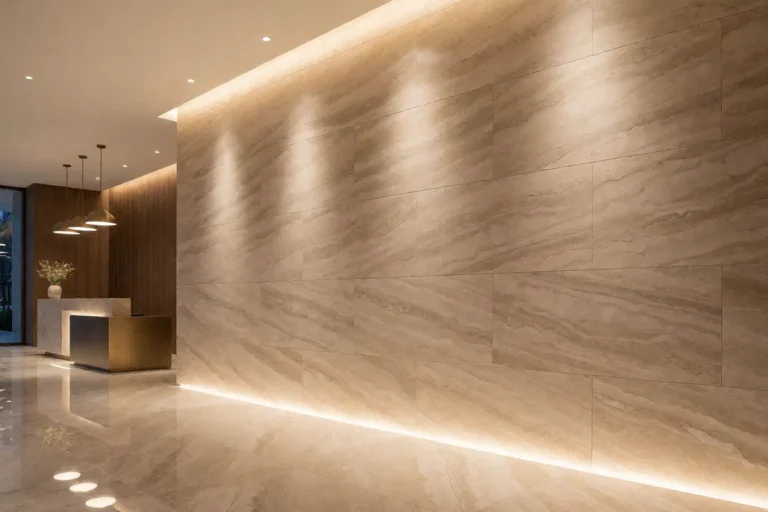
تستخدم ردهات الفنادق في عام 2026 أحجاراً كثيفة مثل الجرانيت الأسود المطلق لتوفير مرونة هيكلية ضد تأثير الأمتعة الثقيلة. وتتطلب هندسة هذه الجدران مواد ذات قوة ضغط تتجاوز 20,000 رطل لكل بوصة مربعة وتصنيفات حريق من الفئة A. تسمح الألواح الحجرية المرنة الآن للمصممين بلف هذه التشطيبات عالية الأداء حول الأعمدة والبوابات المنحنية دون الحاجة إلى وزن الألواح التقليدية.
التصميم على نطاق واسع ومرونة حركة المرور
تُستخدم جدران الردهة كبيرة الحجم كمرتكزات بصرية تقلل من خطوط الجص وتخلق أسطحاً سلسة وعالية الفخامة. تعتمد هذه التركيبات على الجرانيت الكثيف الذي يوفر مسامية منخفضة بشكل طبيعي. تمنع هذه الكثافة التلطيخ الناتج عن التلامس اليدوي المتكرر في خطوط تسجيل الدخول وتقاوم تراكم الغبار الناتج عن أنظمة التدفئة والتهوية وتكييف الهواء ذات الحجم الكبير.
تقلل التشطيبات المشحوذة أو المزخرفة من الخدوش الدقيقة المرئية التي تسببها العربات والأمتعة مع تقليل الوهج الناتج عن أنظمة الإضاءة الحديثة في نفس الوقت. يفضل مديرو الأصول الجرانيت على وجه التحديد على الأحجار الأكثر نعومة مثل الرخام لأنه يقلل بشكل كبير من تكاليف الصقل الترميمي على المدى الطويل ويحافظ على تشطيبه في ظل الاستخدام المستمر.
المعايير الفنية للتركيبات الحجرية العمودية
عادةً ما تتطلب اختيارات الجرانيت للمشاريع الراقية الحالية صلابة موس 6-7 لمقاومة التآكل من مكونات الأمتعة الفولاذية. يجب أن يدعم الحجر من الدرجة الإنشائية الأحمال الانضغاطية التي تزيد عن 20,000 رطل لكل بوصة مربعة، خاصةً عند استخدامه في الجدران ذات المعالم الكبيرة والتركيبات الفنية الثقيلة. تضمن هذه الخصائص الميكانيكية مقاومة الحجر لتقطيع الزوايا وإجهاد نقطة الارتكاز على مدار عقود من الخدمة.
تستخدم الهندسة الحديثة الألواح الحجرية المرنة من JMS Decor، والتي توفر طبقة حجرية طبيعية من 3-5 مم تحقق الامتثال للسلامة من الحرائق من الفئة A في اختبار ASTM. تزن هذه الحلول الحجرية خفيفة الوزن 5-10 كجم فقط لكل متر مربع. هذا التخفيض في الوزن يُمكّن المصممين من تكسية الأعمدة والعوارض المقوسة حيث تتجاوز الألواح الحجرية التقليدية حدود الوزن الإنشائي.
تركز المواصفات الفنية أيضًا على الحماية من الرطوبة. تضمن معايير العزل المائي عدم حدوث تسرب عند ضغط 0.3 ميجا باسكال لمدة 30 دقيقة. وهذا يحمي هيكل الحائط الأساسي من الرطوبة التي يتم إدخالها أثناء عمليات التنظيف الروتينية المكثفة للردهة ويحافظ على سلامة التجميع الرأسي.
القشرة الحجرية المرنة الممتازة للديكورات الداخلية الفاخرة المصممة حسب الطلب
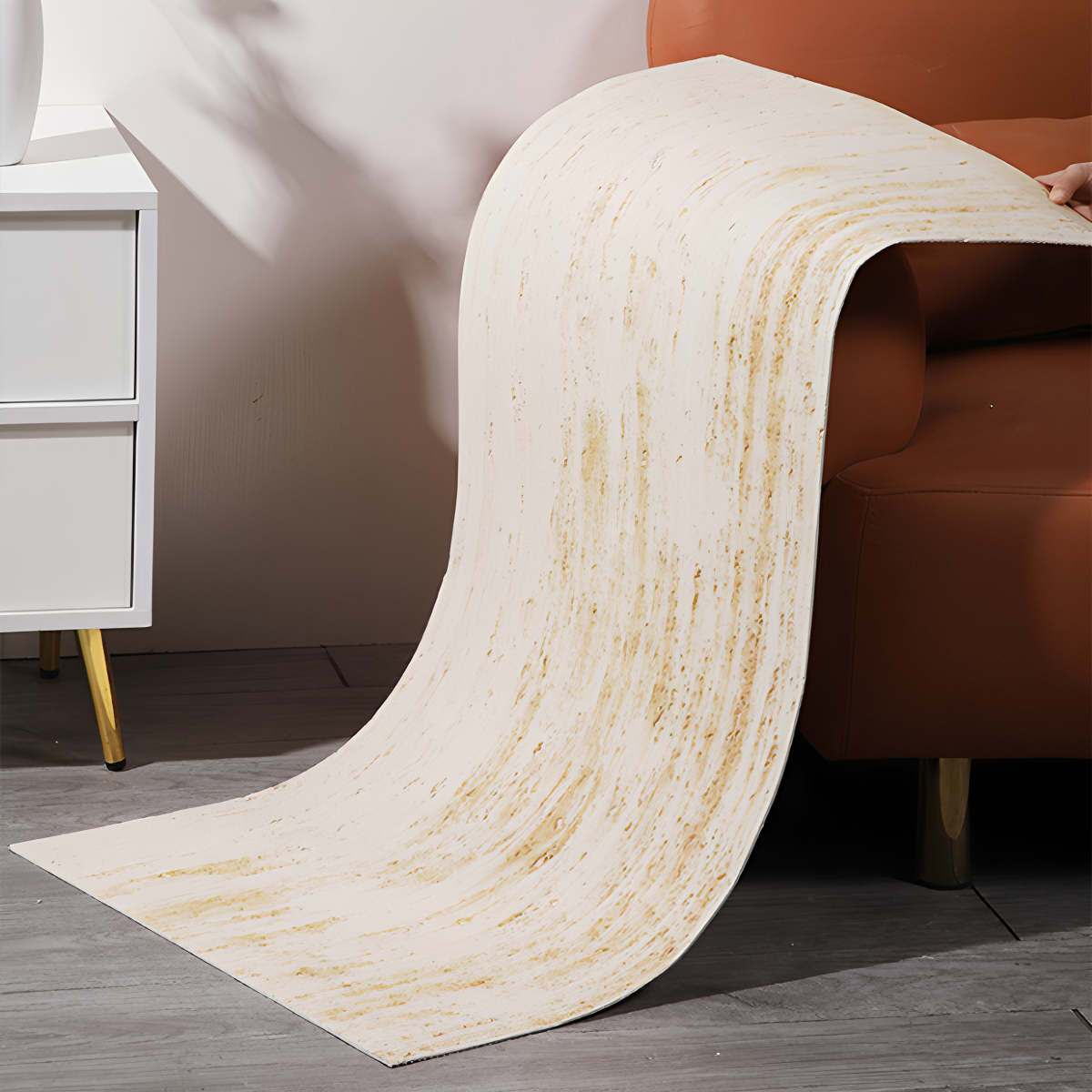
الألواح الأمامية: الجدران الحجرية الناعمة في الغرف
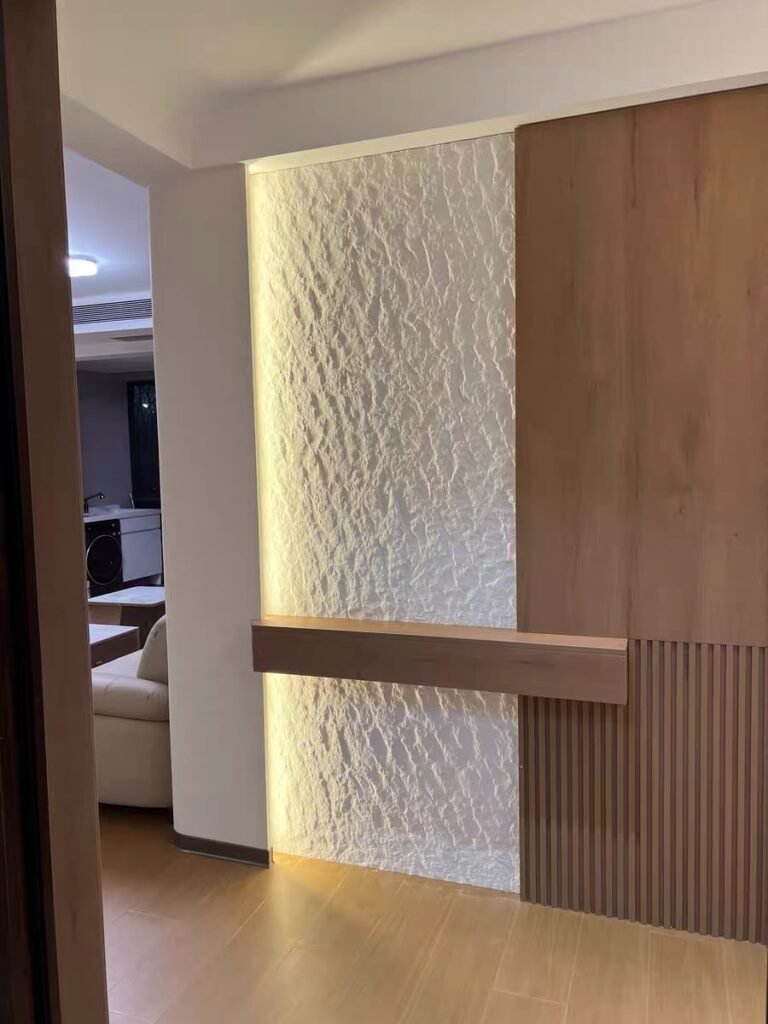
توفر الألواح الحجرية المرنة تشطيبات حجرية طبيعية بسماكة 3-5 مم للألواح الأمامية للفنادق، وتجمع بين الوزن الخفيف 3-5 كجم/م² مع نصف قطر انحناء يتراوح بين 30-50 سم. توفر هذه الألواح أماناً ضد الحرائق من الفئة A وامتصاصاً منخفضاً للماء، مما يسمح بجمالية راقية وتجديدات سريعة للغرف دون الوزن الهيكلي للحجر التقليدي.
| المقاييس الفنية | القيمة/المواصفات | الميزة التشغيلية |
|---|---|---|
| السُمك | 1-4 مم | يحافظ على مظهر نحيف لتخطيطات الغرف المدمجة. |
| الوزن | 3-5 كجم/م² | يقلل الحمل الهيكلي ويسمح بالتركيب المباشر على الحائط الجاف. |
| السلامة من الحرائق | أ2-ج1، د0 | يضمن الامتثال للقوانين الدولية غير القابلة للاحتراق. |
| نصف قطر الانحناء | 30-50 سم | يدعم التركيب على الألواح الأمامية والأعمدة المنحنية. |
| مقاومة الماء | الامتصاص <0.5% الامتصاص | يسهل التعقيم بسهولة ويمنع تلف الرطوبة. |
تعدد استخدامات المواد وتخصيص التصميم
يستخدم المصممون طبقات رقيقة من الحجر الطبيعي تتراوح بين 1 مم و4 مم مرتبطة بالألياف الزجاجية أو دعامات البوليمر لتحقيق مستويات عالية من المرونة. تسمح هذه التركيبة المتخصصة لجماليات الحجر الأصيل بالعمل كمادة سطحية مرنة بدلاً من لوح صلب وثقيل. وتوفر الألواح الناتجة العمق البصري للرخام أو الأردواز بينما تظل قابلة للتكيف مع مختلف الركائز المعمارية.
تمكّن تقنية الطباعة ثلاثية الأبعاد الحالية هذه الألواح من استخدام مواد مخصصة تحاكي مواد تتراوح من الحجر الجيري الكلاسيكي إلى الخشب الصناعي أو التشطيبات الجلدية. توفر هذه المجموعة من الخيارات المرئية للمهندسين المعماريين القدرة على مطابقة مواضيع داخلية متنوعة داخل مشروع غرفة ضيوف واحدة. يضمن التنوع في المظهر إمكانية توافق الجدران المميزة مع تصميمات الضيافة المعاصرة والتقليدية على حد سواء.
تسمح الطبيعة الخفيفة الوزن لهذه الألواح، التي يتراوح وزنها عادةً بين 3-5 كجم/م²، بالتطبيق المباشر على الحوائط الجافة القياسية أو إطارات الألواح الأمامية الموجودة. هذه الخاصية تلغي الحاجة إلى الدعامات الهيكلية المعززة أو المراسي الميكانيكية الثقيلة التي تتطلبها الألواح الحجرية السميكة التقليدية. وبالتالي، يظل الحمل على هيكل المبنى في حده الأدنى أثناء عمليات التجهيزات الداخلية واسعة النطاق.
تساعد أحجام الألواح التي تصل إلى 1200 × 3000 مم في التخلص من اللحامات غير الضرورية في تصميمات الجدران الكبيرة. تُضفي التركيبات كبيرة الحجم مظهراً متصلاً وراقياً يعزز من القيمة الملموسة لغرفة الضيوف. كما يعمل تقليل عدد الوصلات على تبسيط عملية التركيب والحد من المناطق التي قد يتراكم فيها الغبار بمرور الوقت.
المرونة والكفاءة التقنية
تتطلب المعايير الدولية للسلامة من الحرائق للفنادق أن تفي المواد بتصنيفات A2-s1، d0 غير القابلة للاحتراق. تتوافق الألواح الحجرية المرنة مع هذه المعايير، مما يضمن عدم مساهمة الجدران المميزة في تطور الدخان أو انتشار اللهب في حالة الطوارئ. هذا الامتثال ضروري لتلبية قوانين البناء في بيئات الضيافة عالية الإشغال.
تمنع معدلات امتصاص الماء المنخفضة التي تقل عن 0.5% الرطوبة من اختراق السطح، مما يحمي الجدار من العفن والتدهور الهيكلي. هذه المقاومة تجعل الألواح مثالية للجدران المميزة بالقرب من حمامات غرف الضيوف أو في المناخات الرطبة. يمكن لفرق التدبير المنزلي تعقيم هذه الأسطح بسرعة باستخدام بروتوكولات التنظيف القياسية دون الإضرار بالطبقة الخارجية الحجرية.
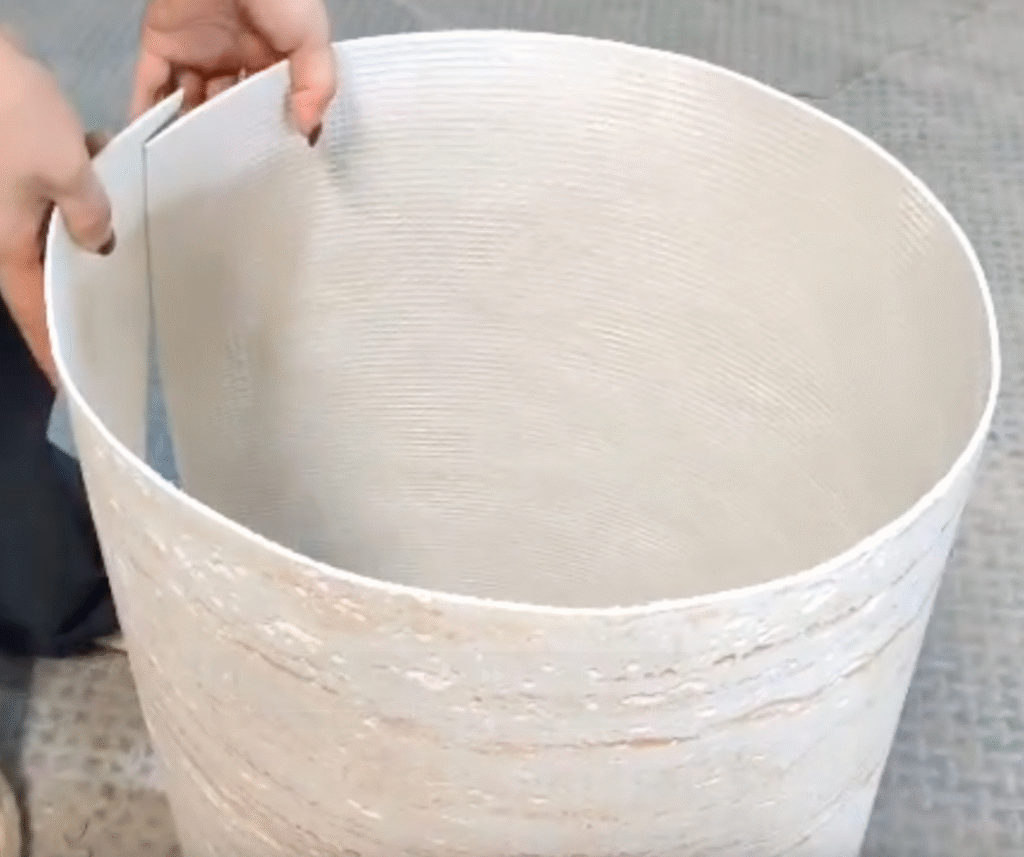
يدعم نصف قطر الانحناء الذي يتراوح بين 30 و50 سم التركيب السلس على الملامح المعمارية المنحنية وقطع الأثاث المستديرة. وتسمح هذه المرونة للحجر بالالتفاف حول الأعمدة أو اتباع منحنيات الألواح الأمامية المصممة خصيصاً دون الحاجة إلى أدوات القطع المعقدة أو أدوات البناء المتخصصة. تتيح هذه القدرة على التكيف مزيداً من الحرية الإبداعية في تخطيط الغرفة وتصميم الأثاث.
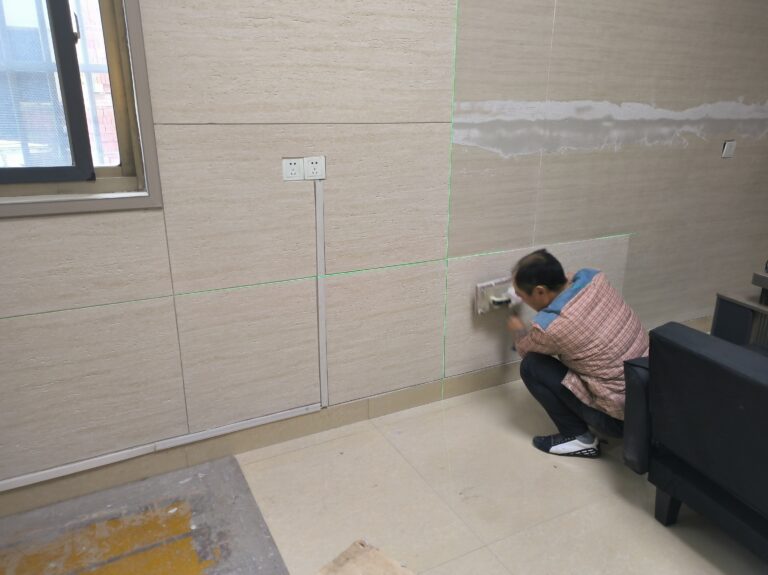
يقلل الاستخدام المباشر للمادة اللاصقة من وقت العمل ومستويات الضوضاء أثناء تجديدات الفنادق طابقاً طابقاً. ونظراً لسهولة قطع الألواح وتركيبها، يمكن للمقاولين إكمال ترقيات الغرف دون التعطيل المرتبط بالتركيب التقليدي للأحجار. وتساعد هذه الكفاءة مديري العقارات على إعادة الغرف إلى مخزون التأجير بشكل أسرع، مما يزيد من الإشغال أثناء دورات التجديد.
متانة الممر: جرجرة الأمتعة
كثيرًا ما تظهر في ممرات الفنادق آثار جرجرة واضحة من الأمتعة والعربات المتحركة، وغالبًا ما تبدو بالية في غضون أشهر على الطلاءات الجبسية القياسية. بالنسبة للمشاريع في عام 2026، يعطي مديرو الأصول الأولوية للركائز عالية التأثير والطلاءات غير المسامية التي تلبي معايير المتانة الخاصة بفندق هيلتون. وتوفر الألواح الحجرية المرنة حاجزاً واقياً مقاس 3-5 مم يقاوم التآكل مع الحفاظ على المظهر الراقي.
تأثير الجرجرة المتكررة في مناطق الانتقال الفندقية
يؤدي التلامس الشديد مع الأمتعة الثقيلة إلى ظهور علامات وتآكل مرئي على الحوائط الجافة ذات الوجه الورقي القياسي. وعلى الرغم من أن هذه التأثيرات نادراً ما تتسبب في حدوث فشل هيكلي، إلا أن التآكل الناتج عن ذلك يؤدي إلى تدهور المظهر الاحترافي لممرات غرف النزلاء. غالبًا ما تبدو المناطق الانتقالية بين المناطق الأمامية من المنزل وغرف النزلاء متضررة في غضون أشهر إذا كان التصميم يفتقر إلى تركيبات الجدران المقواة أو التشطيبات عالية المتانة.
تفرض معايير هيلتون للتصميم والبناء تشطيبات متينة عالية الجودة وحواجز واقية في أي منطقة معرضة للتأثر بالعربات. تضمن هذه المتطلبات بقاء الأعمدة والجدران في الممرات ذات الازدحام الشديد سليمة رغم الحركة المستمرة. كما تتطلب الإرشادات التنظيمية لصناعة السياحة أن تظل جدران الممرات صلبة ومتينة ونظيفة لتلبية شهادات الجودة.
معايير المواد لمقاومة الصدمات والتآكل
تعطي المواصفات الفنية للتصميمات الداخلية الحديثة للضيافة الحديثة الأولوية للمواد التي تخفف من أضرار الأمتعة. تستخدم الألواح الحجرية المرنة طبقة حجرية طبيعية من 3-5 مم مع دعامة من الألياف الزجاجية لإنشاء ركيزة مقاومة للصدمات. توفر هذه البنية حاجزاً كبيراً ضد الإجهاد الميكانيكي للحقائب المتدحرجة وعربات الخدمة.
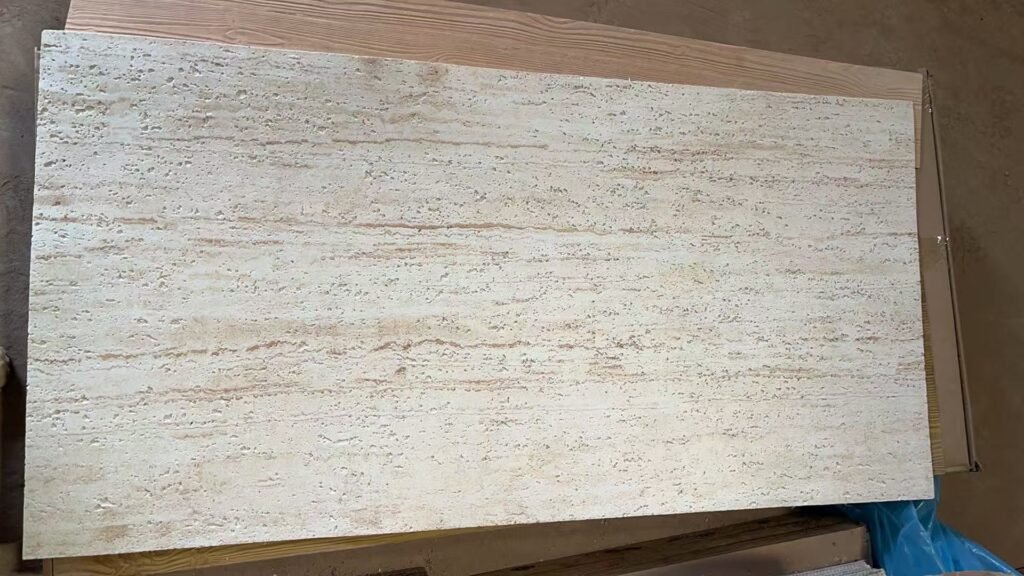
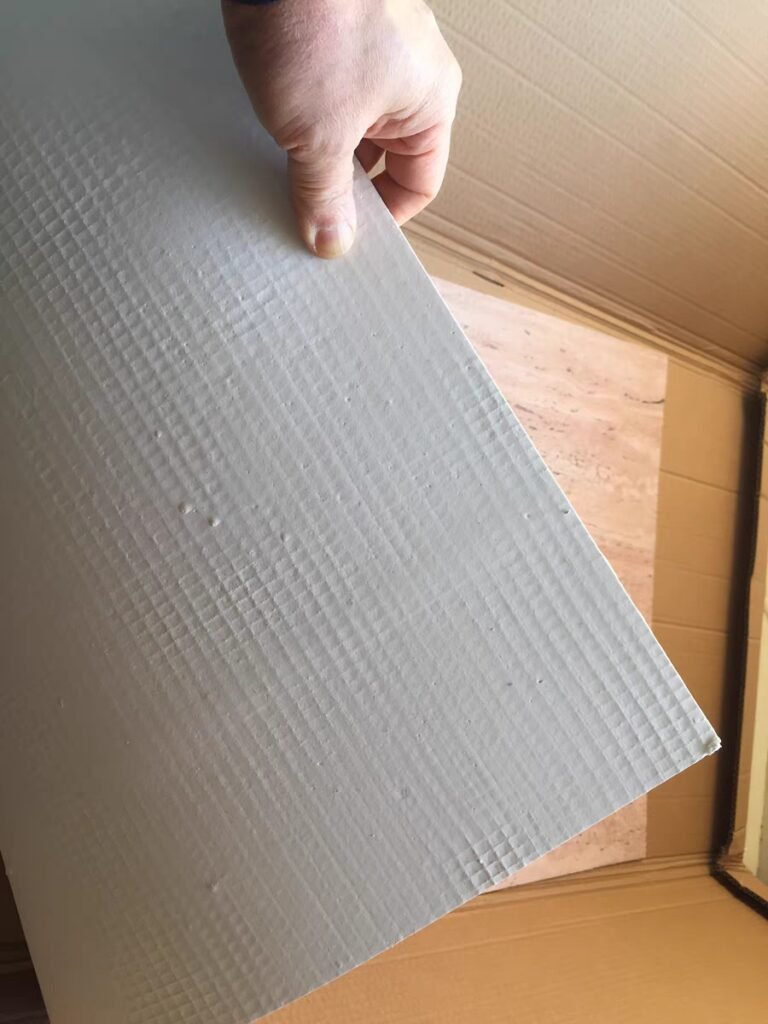
يستخدم المصممون اختبارات الطرف الثالث الموحدة لدورة الحياة ومقاومة البقع والفرك للتحقق من صحة ادعاءات الأداء. تضمن هذه الاختبارات أن حل الجدران المختار يمكن أن يتحمل بروتوكولات التنظيف القوية دون أن يفقد سلامته الجمالية. كما يضمن الامتثال لمعايير السلامة من الحرائق من الفئة A أن هذه الحلول المتينة تفي بقوانين البناء الدولية مع توفير الحماية اللازمة من التآكل.
تعمل الأسطح غير المسامية والطلاءات عالية الفرك على تبسيط عملية الصيانة على المدى الطويل. ومقارنةً بالخرسانة التقليدية المطلية أو الجدران الخرسانية أو الطوب التقليدية، توفر هذه الأنظمة المتخصصة مظهراً أكثر تطوراً مع مقاومة التلطيخ العميق الشائع في المناطق التي تشهد حركة مرور عالية. إن اختيار مواد مقاومة للصدمات أثناء وضع المواصفات الأولية يقلل من الحاجة إلى إصلاحات تجميلية متكررة ودورات تجديد مبكرة.
الامتثال للسلامة من الحرائق (الفئة أ)
تتبع قواعد السلامة من الحرائق في الفنادق قواعد الإشغال من الفئة R-1 بموجب IBC 2026 و NFPA 101. يتطلب الامتثال استراتيجية متعددة الطبقات: الرشاشات المتوافقة مع معايير NFPA 13، وأنظمة الكشف NFPA 72، والتشطيبات الداخلية التي تلبي تصنيفات الحرائق من الفئة A أو معايير NFPA 701 لمنع انتشار اللهب عبر الردهات ووحدات النزلاء.
قوانين سلامة الحياة ومتطلبات الإشغال الفيدرالية
تعمل الفنادق كمهن من الفئة R-1 بموجب قانون البناء الدولي لعام 2026 (IBC) وقانون سلامة الحياة NFPA 101. تحدد هذه الأطر التنظيمية المتطلبات الأساسية للإنشاءات المقاومة للحريق وحماية شاغليها. يجب أن تحافظ المباني على تصنيفات محددة لمقاومة الحرائق لحماية ممرات الخروج والفتحات الرأسية.
ينص قانون السلامة من الحرائق في الفنادق والموتيلات على ضمانات محددة للكشف والضمانات الهيكلية للمنشآت التي تسعى للحصول على إدراجها في قائمة السفر الفيدرالية. يتضمن ذلك تركيب كاشفات دخان ذات أسلاك صلبة في كل غرفة من غرف النزلاء. يجب أن توفر المنشآت التي تزيد عن أربعة طوابق أيضاً فواصل هيكلية مقاومة للحريق لمدة ساعتين بين وحدات النزلاء ومسارات الهروب الرئيسية.
يجب أن توفر أنظمة الكشف تغطية شاملة وفقًا للفقرة 907.2.11 من IFC. يتطلب هذا الكود وجود أجهزة إنذار دخان مدمجة داخل كل منطقة نوم وفي كل طابق من طوابق وحدة النزلاء. كما يجب أن تكون أجهزة الإنذار مبطنة في جميع مسارات الخروج المحددة لتوفير إنذار مبكر للقاطنين أثناء حدوث حريق.
الإخماد النشط وأداء التشطيبات الداخلية
يجب أن تلتزم أنظمة الرش الآلي ببروتوكولات NFPA 13 أو 13R. لحماية غرف الضيوف، يستخدم القائمون على التركيب رؤوس رشاشات سريعة الاستجابة أو من النوع السكني المصممة للتفاعل السريع مع الحرارة. تعمل هذه الأنظمة على إخماد الحريق في وقت مبكر والحفاظ على ظروف قابلة للاستمرار حتى يتمكن الركاب من إخلاء المبنى بأمان.
يحدد أداء المواد سرعة نمو الحرائق في الأماكن العامة. وتحقق حلول الجدران الداخلية، مثل الألواح الحجرية المرنة، تصنيفات حريق من الفئة A2 من خلال اختبار ASTM. يضمن استخدام هذه المواد المصنفة عدم إسهام الملامح الزخرفية للردهات والتشطيبات النهائية للممرات في انتشار اللهب أو إنتاج دخان مفرط.
تكمل المنسوجات الزخرفية ومعدات السلامة استراتيجية الحماية من الحرائق. يجب أن تجتاز الستائر والستائر اختبارات انتشار اللهب NFPA 701 للتحقق من مقاومتها للاشتعال. بالإضافة إلى ذلك، تفرض NFPA 10 وضع طفايات الحريق من الفئة ABC وصيانتها بدقة لإدارة المخاطر الشائعة القابلة للاحتراق في جميع أنحاء الردهة والمناطق المشتركة.
الأفكار النهائية
تتخطى ترقيات الفنادق الحديثة الإغلاق الكامل للعقار لصالح أعمال دقيقة ومراحلية. يستخدم مديرو الأصول مواد رقيقة مثل الأحجار المرنة لتجاوز الغبار والضوضاء الناتجة عن أعمال الهدم التقليدية. يحمي هذا النهج العائد على الغرفة من خلال الحفاظ على معظم الغرف متاحة بينما يتحرك المقاولون بسرعة في مناطق محددة.
يعتمد النجاح على اختيار المواد التي تفي بقوانين السلامة من الحرائق لعام 2026 وتقاوم التآكل اليومي للممرات التي تشهد حركة مرور عالية. تقلل الأسطح عالية التأثير والتشطيبات المصنفة من الفئة A من تكاليف الإصلاح على المدى الطويل وتضمن سلامة النزلاء. من خلال التركيز على التركيب السريع والمرونة التقنية، تحافظ المنشآت على قدرتها التنافسية والتشغيلية في نفس الوقت.
الأسئلة المتداولة
ما هي المعايير المكانية والارتفاعات الخاصة بتجديد ردهة الفندق لعام 2026؟
تتطلب المعايير الحالية للفنادق من فئة 3 إلى 5 نجوم مساحات ردهة تتراوح بين 1.5 و2.0 متر مربع لكل غرفة نزلاء. وبالنسبة للعقارات الفاخرة، يجب أن يصل ارتفاع السقف إلى 5 أمتار (16 قدمًا) على الأقل على مساحة 501 تيرابايت في الردهة، وغالبًا ما تستهدف المباني الفاخرة من 6 إلى 8 أمتار. ويستخدم المصممون أنظمة الإضاءة القابلة للبرمجة للحفاظ على مستويات الإضاءة المحيطة الناعمة أقل من 300 لوكس.
كيف تدير الفنادق تجديدات الغرف دون إغلاق المنشأة بالكامل؟
تستخدم الفنادق استراتيجية الطابق تلو الآخر على مراحل للحفاظ على تشغيلها. من خلال تجديد 25 إلى 50 غرفة في كل مرحلة، تحافظ الفنادق على إشغال من 60% إلى 80% لحماية الإيرادات. يتطلب هذا النهج قواطع عازلة للصوت وجدولة صارمة لضمان عدم تجاوز ضوضاء البناء لمستويات NR 25 في غرف النزلاء المشغولة.
ما هي المواد التي توفر أفضل متانة لممرات الفنادق ذات الازدحام الشديد؟
تتطلب الممرات تركيبات حائطية تحقق تصنيف STC 50 صوتيًا وتصنيفًا صوتيًا لمدة ساعة واحدة للحريق. ويحدد المصممون أغطية الجدران المصنوعة من الفينيل من الفئة A ذات 20 أونصة أو الألواح الحجرية المرنة لمقاومة الصدمات من الأمتعة والعربات. وتوفر الألواح الحجرية المرنة من JMS Decor طبقة حجرية طبيعية من 3-5 مم مصنفة من الفئة A مقاومة للحريق ومقاومة عالية للخدوش.
ما هي متطلبات السلامة من الحرائق والمتطلبات الصوتية للجدران المميزة لغرف النزلاء؟
يجب أن تتوافق الجدران المميزة مع تصنيفات الحرائق من الفئة A وفقاً لـ ASTM أو القوانين المحلية. بالنسبة للخصوصية الصوتية، يجب أن توفر الجدران بين غرف النزلاء عزل صوتي لا يقل عن 50 ديسيبل DnT,w. يُفضل استخدام مواد مثل الألواح الحجرية المرنة أو ألواح WPC المرنة في ميزات الألواح الأمامية لأنها تجمع بين المظهر الجمالي والمقاومة اللازمة للحريق ومتانة الصدمات.
ما هي اتجاهات الإضاءة والتدفئة والتهوية وتكييف الهواء التي تميز التصميمات الداخلية الحديثة للضيافة؟
Modern interiors focus on stratified lighting and individual climate control. Guestrooms target 300-400 lux for task areas like desks and bedsides, while general floor lighting stays at 150-200 lux. HVAC systems now require separate air conditioning units for every room to ensure energy efficiency and precise environmental control for guests. How a phased order maps to a phased programme is explained in our hotel renovation without closing guide.